
Cardioversion Therapy
Cardioversion therapy is a medical procedure used to restore a normal heart rhythm in patients with abnormal heartbeats such as atrial fibrillation (AFib), atrial flutter, and supraventricular tachycardia (SVT). There are two main types of cardioversion: Electrical Cardioversion – Delivers a controlled electric shock to the heart. Chemical Cardioversion – Uses antiarrhythmic medications to correct the heart rhythm. Cardioversion is typically performed in a hospital or emergency setting under medical supervision. It is a safe and effective procedure for managing certain types of arrhythmias and preventing complications such as stroke or heart failure.
Quick Summary
Cardioversion Therapy is offered by 15 vetted providers across 3 destinations in the Macrocare network. Prices start from $1,000, excluding flights and accommodation.
Frequently Asked Questions
Available in
Related suggestions

Cleopatra Hospitals (Nile Badrawy Hospital)
Multidisciplinary Hospital
Maadi - Cairo

Town Hospital - New Cairo
Multidisciplinary Hospital
New Cairo - Cairo

SHIFA Hospital - New Cairo
Multidisciplinary Hospital
New Cairo - Cairo

Medicana International Istanbul Hospital
Multidisciplinary Hospital
Beylikdüzü - Istanbul

Prof. Dr. Mervat Abu Al-Maati
Cardiology
New Cairo - Cairo

Prof. Dr. Tarek Al-Taweel
Cardiology
New Cairo - Cairo

Dr. Ghaliya Al-Muhanni
Cardiology
New Cairo - Cairo

Dr. Ahmed Afifi
Cardiology
Maadi - Cairo

Memorial Şişli Hospital – Istanbul
Multidisciplinary Hospital
sisli - Istanbul

Memorial Bahçelievler Hospital - Istanbul
Multidisciplinary Hospital
Bahçelievler - Istanbul

Memorial Göztepe Hospital - Istanbul
Multidisciplinary Hospital
Göztepe - Istanbul

Prof. Dr. Mohamed Mandour
Cardiology
New Cairo - Cairo

Prof. Dr. Mahmoud Baraka
Interventional Cardiology
New Cairo - Cairo

Prof. Dr. Ahmed El Dematy
Cardiology
Sheikh Zayed City - Giza

Prof. Dr. Akram Abdel Bary
Cardiology
Sheikh Zayed City - Giza
More in Cardiology
Compare related options with their verified providers and real starting prices.
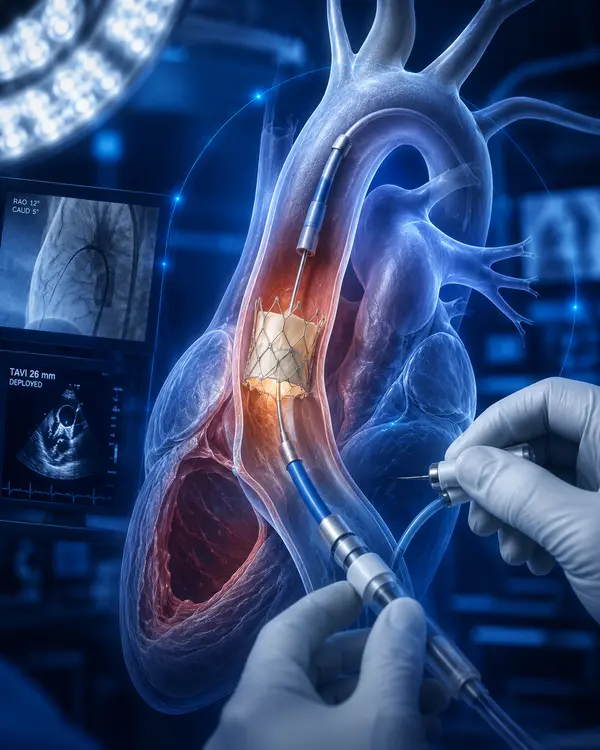
Transcatheter Aortic Valve Replacement (TAVI/TAVR)
22 verified providers
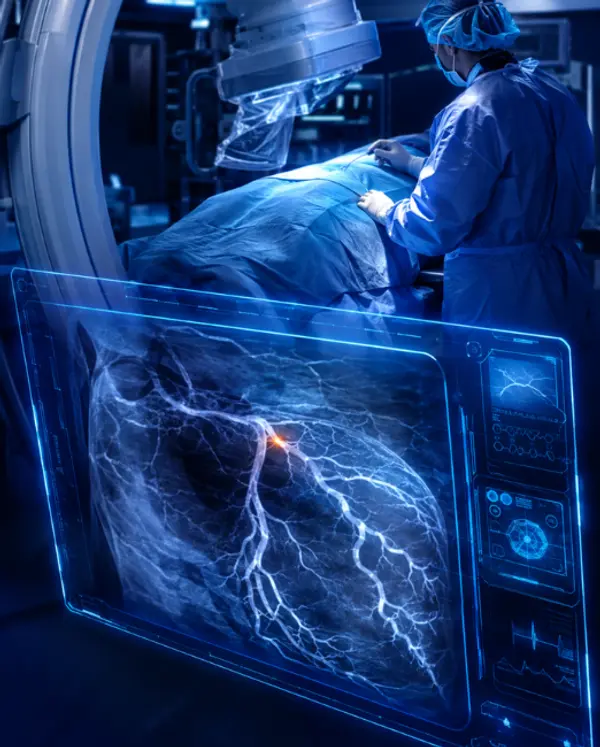
Coronary Angiogram
17 verified providers
Min 1 days
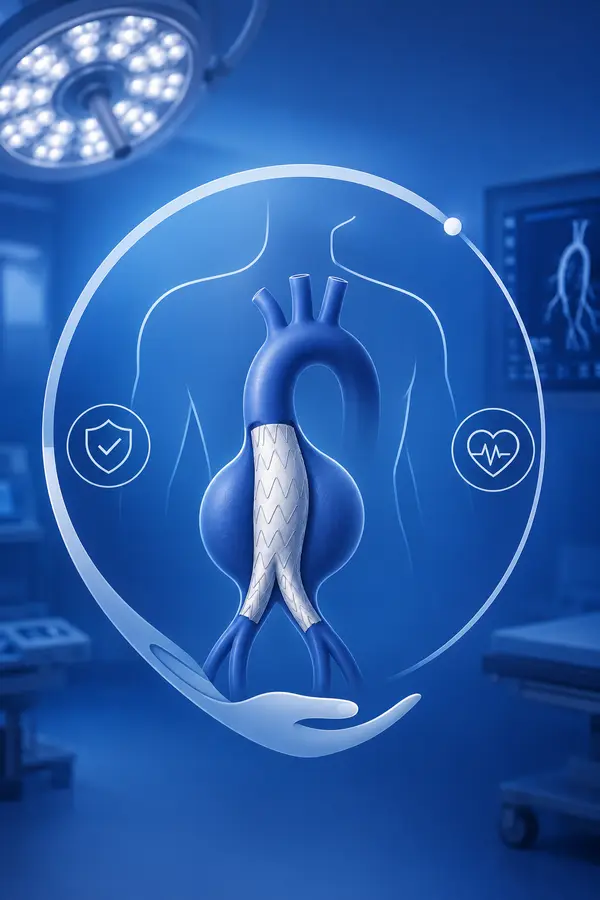
Aortic Aneurysm Repair
15 verified providers

Pulmonary Valve Replacement
14 verified providers

Mitral Valve Repair
14 verified providers

Balloon Angioplasty
14 verified providers
Listed prices only — travel and stay are estimated separately. Final cost confirmed on your free quotation. Rates as of 2026-07-20.