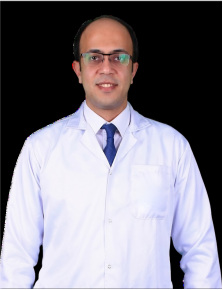
Prof. Dr. Mahmoud Baraka
Interventional Cardiology
Lecturer of Cardiology – Ain Shams University Consultant of Cardiology, Interventional Cardiology & Pediatric Cardiology
New Cairo - Cairo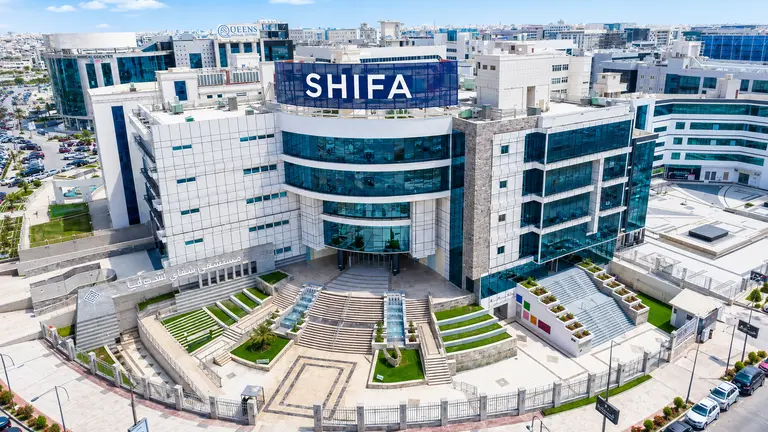
Cairo International Airport
about 27 km away
Grand Egyptian Museum
about 47 km away
Prof. Dr. Mahmoud Baraka is a highly experienced cardiology specialist combining academic expertise at Ain Shams University with advanced clinical practice in interventional cardiology, including complex and high-risk cardiac cases.
He is known for his precision-based approach, focusing on accurate diagnosis and the use of advanced minimally invasive techniques to ensure the best possible patient outcomes.
Advanced Cardiac Conditions & Treatment Approach
Coronary Artery Disease (CAD)
This condition occurs when fatty deposits (plaques) build up inside the coronary arteries, leading to narrowing or blockage of blood flow to the heart muscle.
Why it happens:
- High cholesterol levels
- Smoking
- Diabetes
- High blood pressure
- Genetic predisposition
Treatment approach:
Management focuses on restoring blood flow and preventing heart attacks through:
- Medical therapy to control risk factors
- Coronary stenting to open narrowed arteries
- Interventional procedures to improve circulation in complex cases
Coronary Stenosis & Blockages
Progressive narrowing of heart arteries reduces oxygen supply to the heart muscle, especially during exertion.
Why it develops:
- Long-term buildup of cholesterol and fat
- Uncontrolled metabolic risk factors
- Age-related vascular changes
Treatment approach:
- Catheter-based coronary intervention
- Stent placement to maintain vessel patency
- Long-term preventive therapy to avoid recurrence
Complex Coronary Artery Disease
This refers to advanced cases where multiple arteries are affected or blockages are severe and difficult to treat.
Why it becomes complex:
- Multiple vessel involvement
- Long-standing untreated disease
- Calcified or heavily narrowed arteries
Treatment approach:
- Advanced interventional cardiology techniques
- Multi-vessel stenting strategies
- Personalized treatment planning based on cardiac risk
Aortic Valve Disease (TAVI Indication)
This condition occurs when the aortic valve becomes narrowed, restricting blood flow from the heart to the body.
Why it happens:
- Age-related valve degeneration
- Calcification of the valve
- Congenital or structural abnormalities
Treatment approach:
Instead of traditional open-heart surgery in suitable cases, modern treatment includes:
- Transcatheter Aortic Valve Implantation (TAVI)
- Minimally invasive valve replacement techniques
- Restoration of normal blood flow and cardiac function
This approach significantly reduces surgical risk and improves recovery in high-risk patients.
Structural Heart Disease
This includes abnormalities in heart valves or internal heart structures that affect normal blood flow.
Why it happens:
- Congenital defects
- Degenerative changes with age
- Complications from other heart diseases
Treatment approach:
- Catheter-based structural interventions
- Valve repair or replacement when needed
- Minimally invasive correction of structural abnormalities
Heart Failure
Heart failure occurs when the heart muscle becomes weak and cannot pump blood efficiently to meet the body’s needs.
Why it develops:
- Previous heart attacks
- Long-standing hypertension
- Coronary artery disease
- Valve disorders
Treatment approach:
- Medication to improve heart pumping function
- Management of underlying causes
- Continuous follow-up to stabilize condition and improve daily activity
Pediatric Cardiology Conditions
Heart problems in children may be congenital (present at birth) or develop later due to structural or functional issues.
Why it happens:
- Congenital heart defects
- Genetic factors
- Developmental abnormalities during pregnancy
Treatment approach:
- Specialized pediatric cardiac evaluation
- Monitoring growth and heart function
- Interventional or medical treatment when required
Prof. Dr. Mahmoud Baraka represents a modern standard in cardiology, where accurate diagnosis and understanding the root cause of disease are the foundation of treatment.
By combining advanced interventional techniques with evidence-based medical care, he focuses on treating the cause of the problem not just the symptoms while ensuring safer procedures, faster recovery, and better long-term outcomes for patients of all ages
Macrocare’s Role
Macrocare supports patients through medical evaluation, appointment coordination, and follow-up to ensure a smooth and well-organized treatment journey.
Treatments by Prof. Dr. Mahmoud Baraka
Procedures this provider offers, with real starting prices.
Cardioversion Therapy
Min 1 days
Arrhythmia Management
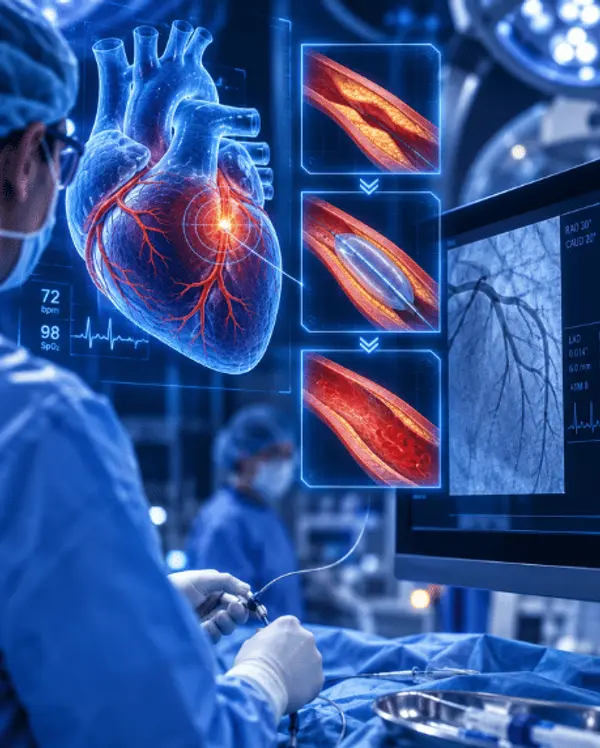
Balloon Angioplasty

Pediatric Cardiology
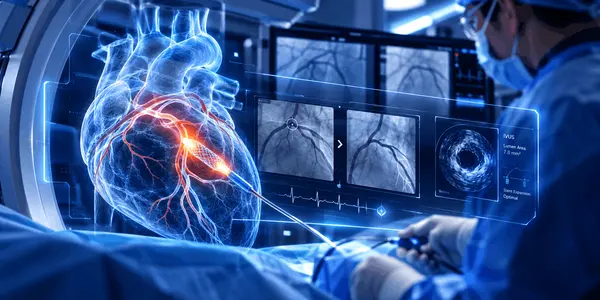
Chronic Total Occlusion (CTO)
Min 3 days
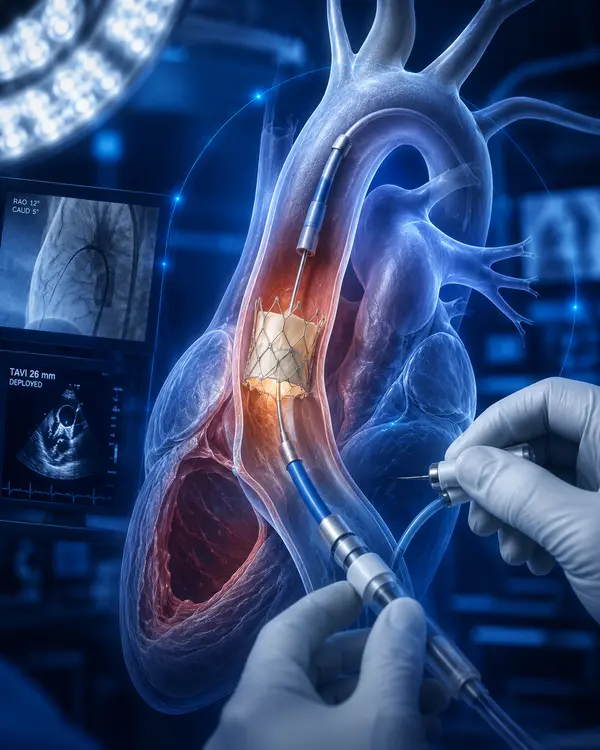
Transcatheter Aortic Valve Replacement (TAVI/TAVR)
Listed prices only — travel and stay are estimated separately. Final cost confirmed on your free quotation. Rates as of 2026-07-20.
Also offered
These services are available at this provider; prices are provided on request.