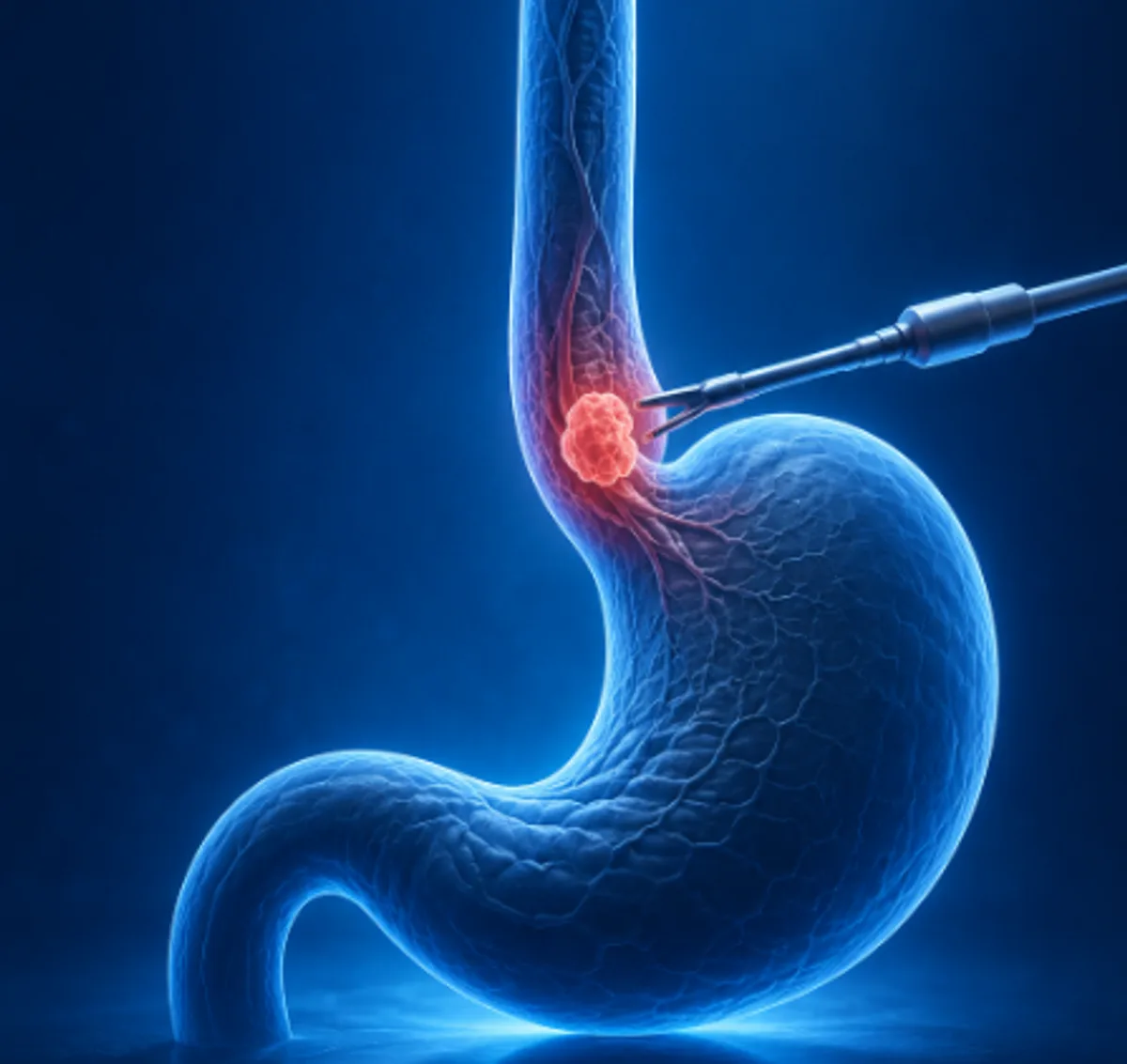
Types of Esophagectomy
Ivor Lewis Esophagectomy
This approach is often used for cancers of the lower esophagus. It involves abdominal and chest incisions or minimally invasive access, with reconstruction performed inside the chest.
McKeown Esophagectomy
This approach involves the abdomen, chest, and neck. The new connection between the stomach and esophagus is created in the neck and may be selected based on tumor location.
Transhiatal Esophagectomy
In selected cases, the esophagus is removed through abdominal and neck access without opening the chest. Suitability depends on tumor location and surgical assessment.
Minimally Invasive or Robotic Esophagectomy
Some patients may be suitable for laparoscopic, thoracoscopic, or robotic techniques. These use smaller incisions, but remain major cancer operations and must be performed by an experienced specialist team.
How Is the Surgery Performed?
During the procedure, the surgeon removes the segment of esophagus containing the cancer, together with surrounding lymph nodes. The stomach is usually reshaped into a narrow tube and brought upward to restore continuity between the throat and stomach.
The operation generally takes several hours. After surgery, the patient is monitored closely in a high-dependency or intensive-care setting, depending on their condition and the surgical approach used.
Recovery After Esophagectomy
Hospital stay and recovery vary by patient, but most patients require a monitored admission and gradual return to oral intake.
Recovery commonly includes:
Pain management and breathing exercises.
Early mobilization to reduce chest complications and blood-clot risk.
Temporary nutritional support, sometimes through a feeding tube.
A swallow assessment before restarting oral fluids and food.
Gradual transition to small, frequent meals.
Ongoing follow-up with surgery, oncology, and nutrition teams.
Full recovery may take weeks to months. Long-term dietary adjustments are common, including smaller meals, careful eating, and management of reflux or early fullness.
Benefits of Surgery
For appropriately selected patients, esophagectomy can offer:
Removal of the visible primary cancer.
Removal and examination of nearby lymph nodes.
The potential for curative treatment when no distant spread is present.
A clearer assessment of the tumor’s final pathological stage.
Integration with chemotherapy, radiotherapy, or immunotherapy when indicated.
Risks and Potential Complications
Esophagectomy is a complex operation. Risks vary according to age, nutritional status, lung and heart function, tumor location, and the treatment received before surgery.
Possible complications include:
Chest infection or breathing complications.
Leakage at the surgical connection.
Bleeding, infection, or blood clots.
Difficulty swallowing or narrowing at the connection site.
Reflux, early fullness, weight loss, or dumping symptoms.
Need for temporary or prolonged nutritional support.
Rarely, serious complications requiring additional procedures or intensive care.
A specialist surgical team will discuss the individual risks and expected recovery in detail before treatment.
Choosing the Right Treatment Plan
Successful care for esophageal cancer is not determined by surgery alone. The best plan requires proper staging, pathology review, nutritional preparation, and a multidisciplinary team experienced in esophageal and upper gastrointestinal cancers.
Macrocare can coordinate a complete case review, including pathology review, PET-CT and EUS planning, consultation with a specialized esophageal cancer surgeon, and multidisciplinary oncology assessment.
Frequently Asked Questions
Is surgery possible for every patient with esophageal cancer?
No. Surgery is considered when the cancer is removable and the patient is medically fit. PET-CT and EUS are essential to determine suitability.
Will the patient always need chemotherapy and radiotherapy before surgery?
Not always. Very early tumors may be treated directly with surgery or, in select cases, endoscopic treatment. More advanced localized tumors often benefit from treatment before surgery.
How long will the patient stay in hospital?
The stay varies, but this is a major procedure that usually requires monitored postoperative care and a period of nutritional rehabilitation.
Can the patient eat normally after surgery?
Most patients return to oral eating gradually, but usually need smaller, more frequent meals and long-term nutritional follow-up.
What documents are needed for a case review?
Endoscopy report, biopsy and pathology report, CT/PET-CT images and reports, EUS report if available, recent laboratory tests, medical history, and current medications.