
Dr. Hazem Abdel-Badie
Neurology
Professor and Head of Neurosurgery & Spine Surgery – Kasr El Ainy Faculty of Medicine, Cairo University
Sheikh Zayed City - Giza
Cairo International Airport
about 25 km away
Dr. Hazem Abdel-Badie is a Professor and Head of Neurosurgery and Spine Surgery at Kasr El Ainy Faculty of Medicine, Cairo University, with more than 25 years of experience in neurosurgical care. His clinical expertise covers complex brain and spine conditions, including brain tumors, skull base lesions, intracranial aneurysms, brain hemorrhage, disc herniation, spinal stenosis, and spinal instability.
His areas of surgical expertise include microscopic and endoscopic neurosurgery, minimally invasive spine surgery, skull base surgery, spinal decompression and stabilization, and selected pediatric neurosurgical conditions. Treatment decisions depend on the patient’s diagnosis, imaging findings, neurological status, and overall medical condition.
Patients seeking evaluation for complex brain or spine conditions can submit their medical records and imaging through Macrocare for case review and consultation coordination with Dr. Hazem Abdel-Badie.
Specialties of Dr. Hazem Abdel-Badie
Dr. Hazem Abdel-Badie’s areas of specialization include:
Brain and cranial surgery
Neurosurgery
Spine surgery
Brain tumor surgery
Skull base surgery
Intracranial aneurysm and vascular neurosurgery
Brain hemorrhage management
Cervical and lumbar disc herniation
Spinal canal stenosis
Spinal fractures and instability
Spinal fixation and stabilization
Minimally invasive spine surgery
Endoscopic neurosurgery
Microscopic neurosurgery
Pediatric neurosurgery
Hydrocephalus management
Congenital brain and spinal conditions
Pediatric brain tumors
Peripheral nerve surgery
Brain Tumor Surgery
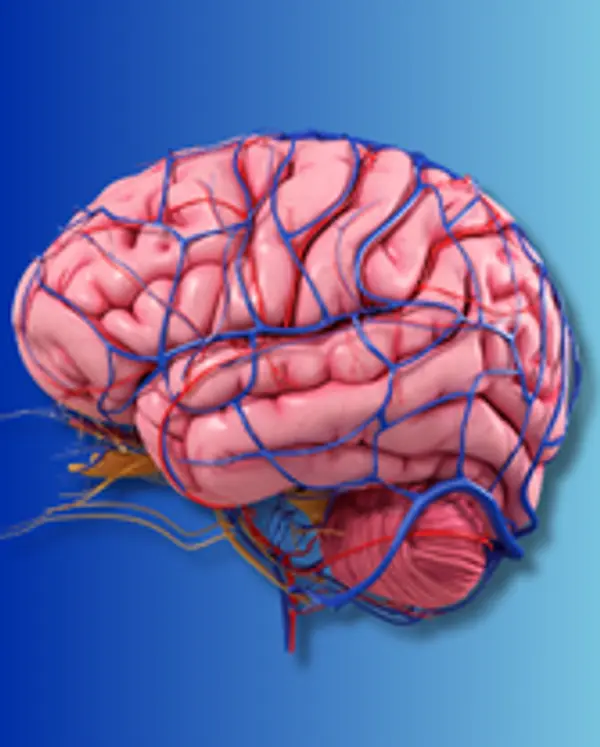
Brain tumors may be benign or malignant and can develop in different areas of the brain. Symptoms vary according to the tumor’s location and may include headaches, seizures, weakness, changes in vision, speech difficulties, balance problems, or changes in cognitive function.
Evaluation commonly involves neurological assessment and brain imaging, particularly MRI, with additional investigations when required.
Treatment depends on the type, size, location, growth pattern, and relationship of the tumor to important brain structures. Options may include observation in selected cases, surgery, radiation therapy, systemic treatment, or a combination of approaches.
For tumors that require surgery, the objective may be to obtain tissue for diagnosis, remove as much of the tumor as safely possible, relieve pressure, or address neurological symptoms while preserving important brain functions whenever possible.
Skull Base Surgery
Skull base tumors and lesions can be technically challenging because of their proximity to critical nerves, blood vessels, and areas responsible for important neurological functions.
Skull base surgery may be considered for selected tumors, cysts, and vascular lesions depending on their location and characteristics.
Advanced imaging, microsurgical techniques, and endoscopic approaches may be used when appropriate. The surgical approach is selected according to the exact anatomy of the lesion and its relationship to surrounding structures.
Brain Aneurysm and Intracranial Vascular Conditions
A brain aneurysm, also known as an intracranial aneurysm or cerebral aneurysm, is an abnormal bulging of a blood vessel in the brain. Some aneurysms may be discovered incidentally, while others can present after rupture and cause subarachnoid hemorrhage.
Assessment may include CT, MRI, CT angiography (CTA), MR angiography (MRA), or catheter angiography depending on the clinical situation.
Management depends on factors such as aneurysm size, location, morphology, symptoms, rupture status, and the patient’s overall risk profile. Treatment options may include observation, endovascular treatment, or surgical clipping in appropriate cases.
Brain Hemorrhage Surgery
Intracranial hemorrhage can occur for several reasons and may represent a neurological emergency. Symptoms can include sudden severe headache, weakness, loss of consciousness, vomiting, seizures, or speech and vision problems.
Urgent brain imaging, usually CT, is commonly required to determine the location and extent of bleeding.
Depending on the type and severity of hemorrhage, treatment may include close neurological monitoring, medical management, endovascular intervention, or surgery. Surgical intervention is considered selectively according to the location of the hemorrhage, its size, neurological effects, and the patient’s clinical condition.
Lumbar Disc Herniation
Lumbar disc herniation occurs when disc material in the lower spine protrudes and may compress a nerve root. Patients may experience lower back pain, sciatica, numbness, tingling, or weakness in the leg.
MRI of the lumbar spine is commonly used when imaging is indicated, particularly when symptoms are persistent, severe, or associated with neurological deficits.
Many patients can improve with conservative treatment such as medication, physical therapy, activity modification, and selected injections. Surgery may be considered when symptoms persist despite appropriate non-surgical treatment or when significant neurological compression or progressive weakness is present.
Cervical Disc Herniation
Cervical disc herniation affects the discs in the neck and may compress spinal nerves or the spinal cord.
Symptoms can include neck pain, pain radiating to the arm, numbness, tingling, weakness, or signs of spinal cord compression such as balance and coordination difficulties.
MRI of the cervical spine can help evaluate disc herniation and neural compression. Treatment depends on the severity of symptoms and neurological findings. Surgical decompression may be considered in selected patients, particularly when significant or progressive neurological compression is present.
Endoscopic Spine Surgery
Endoscopic spine surgery is a minimally invasive approach that uses specialized instruments and an endoscope to access selected spinal conditions through relatively small access points.
It may be considered for certain types of disc herniation and other appropriately selected spinal disorders.
Not every patient is suitable for an endoscopic procedure. The choice between endoscopic, microscopic, minimally invasive, or conventional surgery depends on the diagnosis, anatomy, location of compression, spinal stability, and the surgeon’s assessment.
Spinal Canal Stenosis
Spinal canal stenosis refers to narrowing of the spinal canal or neural foramina, which can place pressure on the spinal cord or nerve roots.
Lumbar stenosis may cause back pain, leg pain, numbness, weakness, or difficulty walking. Cervical stenosis can produce symptoms involving the arms and legs and may affect balance or coordination when the spinal cord is compressed.
Treatment may include medication, physical therapy, activity modification, injections, or surgery depending on the severity of symptoms and neurological involvement.
Decompression surgery may be considered when significant nerve or spinal cord compression causes persistent symptoms or neurological impairment.
Spinal Fractures and Spinal Instability
Spinal fractures may occur after trauma, falls, osteoporosis, or other conditions that weaken the vertebrae.
Assessment may involve X-rays, CT scans, and MRI depending on the suspected injury and neurological findings.
Some stable fractures can be treated without surgery through immobilization, pain management, and follow-up. Surgical stabilization may be considered when there is significant instability, spinal cord or nerve compression, deformity, or other factors that make conservative management unsuitable.
Spinal Fixation and Stabilization
Spinal fixation aims to stabilize segments of the spine that have become unstable because of trauma, degenerative disease, deformity, or other structural problems.
The appropriate fixation technique depends on the affected spinal level, the underlying condition, bone quality, and the degree of instability.
In selected patients, stabilization may be combined with decompression to relieve pressure on the spinal cord or nerve roots.
Pediatric Neurosurgery
Pediatric neurosurgery involves the diagnosis and treatment of neurological and spinal conditions affecting infants, children, and adolescents.
Conditions may include hydrocephalus, congenital brain and spinal malformations, and selected pediatric brain tumors.
Because children’s neurological systems are still developing, treatment requires careful consideration of age, growth, neurological function, and the potential long-term impact of the condition and treatment.
Hydrocephalus
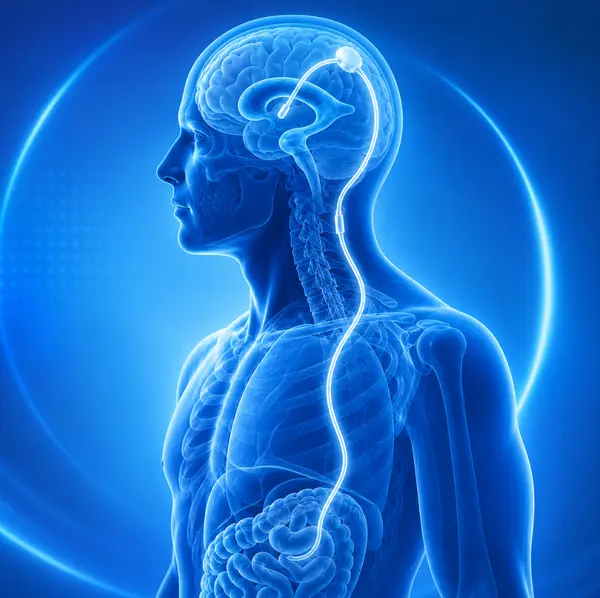
Hydrocephalus occurs when cerebrospinal fluid accumulates within the brain’s ventricular system, potentially increasing pressure on the brain.
Symptoms vary by age. Infants may develop an enlarged head circumference, vomiting, irritability, or developmental concerns, while older children may experience headaches, vomiting, vision problems, balance difficulties, or changes in school performance.
Evaluation may include neurological assessment and brain imaging. Treatment depends on the cause and may include observation in selected cases or surgical cerebrospinal fluid diversion procedures such as shunt placement when indicated.
Pediatric Brain and Spinal Malformations
Congenital malformations of the brain and spine can vary significantly in type and severity.
Evaluation typically involves clinical assessment and appropriate imaging to determine the anatomical abnormality and its effect on neurological function.
Some conditions may only require monitoring, while others may require surgical correction or multidisciplinary management. The treatment plan is determined according to the child’s age, symptoms, anatomy, and risk of neurological deterioration.
Peripheral Nerve Surgery
Peripheral nerve disorders can cause pain, numbness, tingling, or weakness in specific areas of the body.
Carpal tunnel syndrome is one example of a peripheral nerve compression condition. Symptoms commonly include numbness and tingling in the hand, particularly in the thumb, index, middle, and part of the ring finger.
Treatment can range from activity modification and splinting to injections or surgery depending on symptom severity, nerve testing, functional impairment, and response to conservative treatment.
The Treatment Approach of Dr. Hazem Abdel-Badie
The treatment approach for neurosurgical conditions should begin with an accurate diagnosis and detailed assessment of the patient’s neurological status.
Depending on the condition, evaluation may include:
Reviewing MRI, CT, CTA, MRA, or other relevant imaging
Assessing neurological symptoms and examination findings
Determining the severity and anatomical location of the condition
Considering non-surgical treatment when appropriate
Selecting the least invasive suitable approach when possible
Using microsurgical or endoscopic techniques in appropriately selected cases
Considering neurological function preservation during treatment
Coordinating rehabilitation and follow-up when required
The appropriate treatment is determined individually according to the patient’s diagnosis, imaging, symptoms, and overall medical condition.
Experience of Dr. Hazem Abdel-Badie
Dr. Hazem Abdel-Badie is a Professor and Head of Neurosurgery and Spine Surgery at Kasr El Ainy Faculty of Medicine, Cairo University.
His professional background includes:
More than 25 years of neurosurgical experience
Professor and Head of Neurosurgery and Spine Surgery at Cairo University
Skull Base Surgery Fellowship, Hannover University, Germany
Diploma in Endoscopic Neurosurgery, Mainz University, Germany
Member of the Egyptian Society of Neurosurgery
Member of the Arab Neurosurgical Society
His academic and clinical experience includes complex brain and spine surgery, with particular interest in microscopic and endoscopic neurosurgical techniques.
Why Do Patients Consult Dr. Hazem Abdel-Badie?
Patients may seek consultation with Dr. Hazem Abdel-Badie for evaluation of complex neurosurgical and spinal conditions, including:
Brain Surgery – Brain Tumors – Skull Base Surgery – Brain Aneurysm – Brain Hemorrhage – Endoscopic Neurosurgery – Microscopic Neurosurgery – Lumbar Disc Herniation – Cervical Disc Herniation – Spinal Stenosis – Spinal Fixation – Minimally Invasive Spine Surgery – Pediatric Neurosurgery – Hydrocephalus – Peripheral Nerve Surgery.
A specialist assessment can help determine whether surgery is appropriate and which treatment approach may be suitable for the individual case.
Booking a Consultation with Dr. Hazem Abdel-Badie Through Macrocare
Patients searching for Dr. Hazem Abdel-Badie, Neurosurgeon in Egypt, Dr. Hazem Abdel-Badie Brain Surgery, Dr. Hazem Abdel-Badie Spine Surgery, or a neurosurgery specialist in Egypt can submit their medical case through Macrocare.
Macrocare can assist with:
Organizing the patient’s medical file
Coordinating case review
Arranging a consultation or appointment
Coordinating relevant healthcare services when required
Supporting the patient with the practical arrangements related to their medical care
A medical case can be reviewed based on the available reports and imaging before the consultation, when appropriate.
Medical Documents to Send for a Neurosurgery Consultation
For a brain or spine case, it is useful to provide the most recent and relevant medical information, including:
Brain or spine MRI reports
Original MRI or CT images when available
CT, CTA, or MRA images for vascular conditions
Previous angiography images and reports when applicable
Neurological examination reports
Previous surgical reports
Pathology reports for brain tumors when available
Current medications
Previous treatment records
Relevant laboratory investigations
A brief summary of symptoms and their duration
For complex cases, sending the original imaging files in addition to the written radiology report may provide more useful information for case assessment.
Frequently Asked Questions About Dr. Hazem Abdel-Badie
Does Dr. Hazem Abdel-Badie treat brain tumors?
Dr. Hazem Abdel-Badie’s listed neurosurgical expertise includes surgery for superficial and deep-seated brain tumors. The appropriate treatment depends on the tumor type, location, size, symptoms, and relationship to important neurological structures.
Does Dr. Hazem Abdel-Badie perform skull base surgery?
His professional profile includes skull base surgery expertise and a Skull Base Surgery Fellowship from Hannover University in Germany. The appropriate surgical approach depends on the location and characteristics of the lesion.
Does Dr. Hazem Abdel-Badie treat brain aneurysms?
His areas of neurosurgical expertise include the management of brain aneurysms and intracranial vascular conditions. Treatment options depend on whether the aneurysm is ruptured, its location and morphology, and the patient’s overall clinical condition.
When does a brain aneurysm require treatment?
Not every brain aneurysm requires immediate intervention. The decision depends on factors such as aneurysm size, location, shape, symptoms, rupture status, and the patient’s individual risk factors. Observation, endovascular treatment, or surgical treatment may be considered depending on the case.
Does Dr. Hazem Abdel-Badie treat lumbar disc herniation?
His spine surgery expertise includes lumbar disc herniation treated through open, microscopic, and endoscopic approaches when appropriate. Surgery is not required for every disc herniation and depends on symptoms, neurological findings, imaging, and response to conservative treatment.
Does Dr. Hazem Abdel-Badie perform endoscopic spine surgery?
His profile includes minimally invasive and endoscopic spine surgery. Whether an endoscopic approach is suitable depends on the specific spinal condition and anatomical findings.
Can a slipped disc be treated without surgery?
Yes. Many patients with disc herniation improve with non-surgical treatment, depending on the severity of the condition. Treatment may include medication, physical therapy, activity modification, and selected injections. Surgery may be considered when symptoms persist or significant neurological compression is present.
What are the symptoms of spinal canal stenosis?
Symptoms can include back or neck pain, numbness, weakness, pain radiating to the limbs, difficulty walking, and—in cases involving spinal cord compression—balance or coordination problems.
Does Dr. Hazem Abdel-Badie treat hydrocephalus in children?
His pediatric neurosurgical expertise includes hydrocephalus management and shunt placement when indicated. The appropriate treatment depends on the cause of hydrocephalus, the child’s age, symptoms, imaging findings, and neurological condition.
What scans are needed for a neurosurgery consultation?
The required imaging depends on the suspected condition. MRI and CT are commonly used for brain and spine disorders, while CTA, MRA, or catheter angiography may be required for selected vascular conditions such as aneurysms.
Should I send the original MRI or CT images?
Yes, when available, sending the original imaging files in addition to the radiology report can be useful for specialist case review, particularly in complex brain and spine cases.
How can I book a consultation with Dr. Hazem Abdel-Badie?
You can submit the patient’s medical information and available reports through Macrocare. Macrocare can help organize the medical file and coordinate the consultation with Dr. Hazem Abdel-Badie according to availability.
Procedures
Location
Treatments by Dr. Hazem Abdel-Badie
Procedures this provider offers, with real starting prices.

Spinal Fusion Surgery
Brain Cancer Treatment

Vascular Surgery (Varicose Vein Removal)
Hydrocephalus Shunt Placement
Min 6 days
Listed prices only — travel and stay are estimated separately. Final cost confirmed on your free quotation. Rates as of 2026-07-20.
Also offered
These services are available at this provider; prices are provided on request.