The specialty of Neurosurgery is considered one of the most precise and critical medical fields, as it deals with the most complex and sensitive system in the human body: the nervous system. This system includes the brain, spinal cord, and peripheral nerves. Managing such conditions requires a high level of expertise and accuracy in both diagnosis and treatment, especially in cases that require surgical intervention.
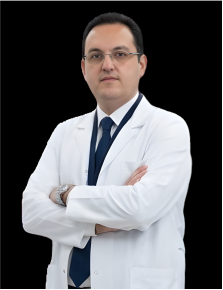
Among the specialists in this field is Dr. Ahmed Marei, Consultant and Professor of Neurosurgery, who specializes in treating neurological and neurosurgical conditions in adults while providing advanced medical care based on modern surgical techniques and medical technologies.
Dr. Ahmed Marei has experience in diagnosing and treating a wide range of conditions related to the brain, spine, and nervous system. His approach focuses on developing precise treatment plans tailored to each patient’s condition, aiming to achieve the best medical outcomes and improve the patient’s quality of life.
What Is the Neurosurgery Specialty?
Neurosurgery is a branch of medicine that focuses on diagnosing and treating diseases affecting the nervous system, including:
-
The brain
-
The spinal cord
-
Peripheral nerves
-
The spinal column
This specialty includes the treatment of conditions that require surgical intervention, as well as the management of cases that can be treated with medication or conservative therapy without surgery.
The field of neurosurgery continues to evolve rapidly, with the introduction of advanced techniques such as microsurgery, minimally invasive procedures, and endoscopic spinal surgeries. These innovations help reduce surgical risks, minimize complications, and improve recovery time for patients.
Conditions Treated by Dr. Ahmed Marei
Dr. Ahmed Marei provides diagnosis and treatment for a variety of neurological and spinal conditions affecting adults. Some of the most common conditions include:
Brain Tumors
Brain tumors are among the conditions that require precise diagnosis and a comprehensive treatment plan. Tumors may be benign or malignant, and treatment depends on the tumor type, location, and size.
Treatment options may include:
-
Surgical removal of the tumor
-
Radiation therapy
-
Medication in selected cases
The primary goal of surgery is to remove as much of the tumor as possible while preserving the normal functions of the brain.
Herniated Disc
A herniated disc is one of the most common spinal conditions. It occurs when the soft inner portion of a spinal disc protrudes and presses on nearby nerves.
This condition may lead to symptoms such as:
-
Back or neck pain
-
Numbness in the limbs
-
Muscle weakness
-
Pain radiating to the arms or legs
In many cases, treatment does not require surgery and can be managed through medication, physiotherapy, and lifestyle adjustments. However, in severe cases, surgical intervention may be necessary to relieve pressure on the affected nerves.
Sciatica: One of the Most Common Causes of Leg Pain
Sciatica is one of the most common conditions encountered in neurosurgery and spine clinics.
Sciatica itself is not a disease but rather a symptom caused by irritation or compression of the sciatic nerve, the longest nerve in the human body. It runs from the lower back through the hips and buttocks and extends down each leg.
Symptoms of Sciatica
Common symptoms of sciatica include:
-
Pain starting in the lower back
-
Pain radiating to the buttocks and leg
-
Tingling or numbness
-
Weakness in the leg muscles
-
Increased pain when sitting for long periods
The intensity of pain can vary from mild discomfort to severe pain that significantly affects daily movement and activity.
Causes of Sciatica
There are several potential causes of sciatica, including:
-
Herniated disc
-
Spinal canal stenosis
-
Spinal injuries
-
Nerve inflammation
-
Vertebral pressure on the sciatic nerve
Diagnosis usually involves a clinical examination along with imaging studies such as X-rays and MRI scans.
Treatment of Sciatica
Treatment for sciatica depends on the underlying cause of the condition. In most cases, treatment begins with non-surgical options, such as:
-
Pain-relieving and anti-inflammatory medications
-
Physical therapy
-
Exercises to strengthen back muscles
-
Lifestyle modifications
In cases where conservative treatment does not provide relief, or when there is significant nerve compression, surgical intervention may be recommended to relieve pressure on the nerve.
The main goal of treatment is to relieve pain, restore mobility, and improve the patient’s quality of life.
Modern Techniques in Neurosurgery
Neurosurgery has witnessed significant advancements in recent years. Many surgical procedures have become safer and more precise thanks to modern medical technologies.
Some of the most important techniques include:
-
Microsurgical procedures
-
Endoscopic spinal surgery
-
Minimally invasive surgery
-
Surgical navigation systems
These technologies help reduce surgical trauma, minimize blood loss, and shorten the recovery period after surgery.
The Importance of Early Diagnosis
Early diagnosis of neurological conditions plays a crucial role in improving treatment outcomes and reducing complications.
When medical problems are identified at an early stage, treatment options become more effective, whether through conservative therapies or surgical procedures.
Patients are advised to consult a specialist if they experience symptoms such as:
-
Persistent or severe headaches
-
Intense back or neck pain
-
Numbness or weakness in the limbs
-
Balance problems
-
Pain radiating to the arms or legs
These symptoms may indicate a neurological or spinal condition that requires specialized medical evaluation.
Comprehensive Medical Care with Macrocare
The treatment of neurological conditions often requires a multidisciplinary medical team, including:
-
Neurosurgeons
-
Neurologists
-
Radiologists
-
Physiotherapists
-
Specialized nursing staff
Collaboration among these specialists ensures that patients receive the highest level of medical care and achieve the best possible treatment outcomes.
Neurological and spinal disorders are medical conditions that require extensive expertise and precise diagnosis. Specialists such as Dr. Ahmed Marei play a vital role in providing advanced neurosurgical care using modern medical technologies.At the same time, the medical and administrative support provided by Macrocare helps facilitate the patient’s treatment journey by connecting them with specialized doctors and organizing the required healthcare services.