Joint Resurfacing Surgery
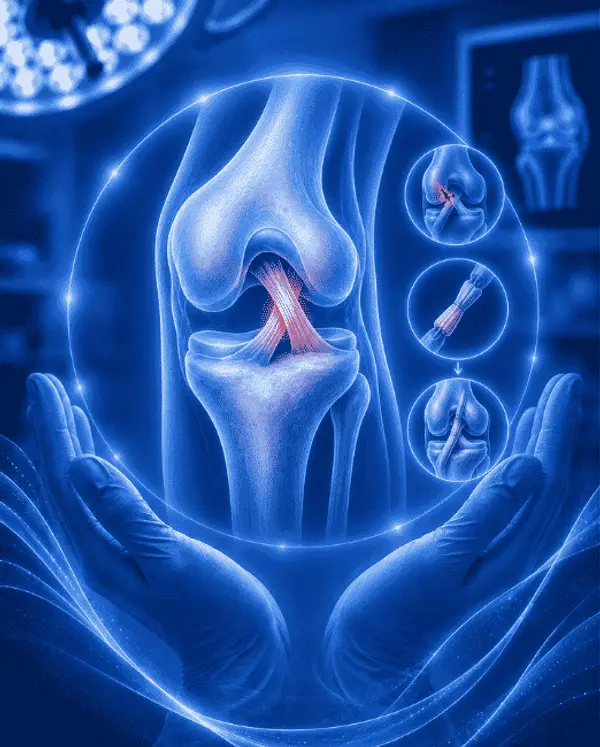
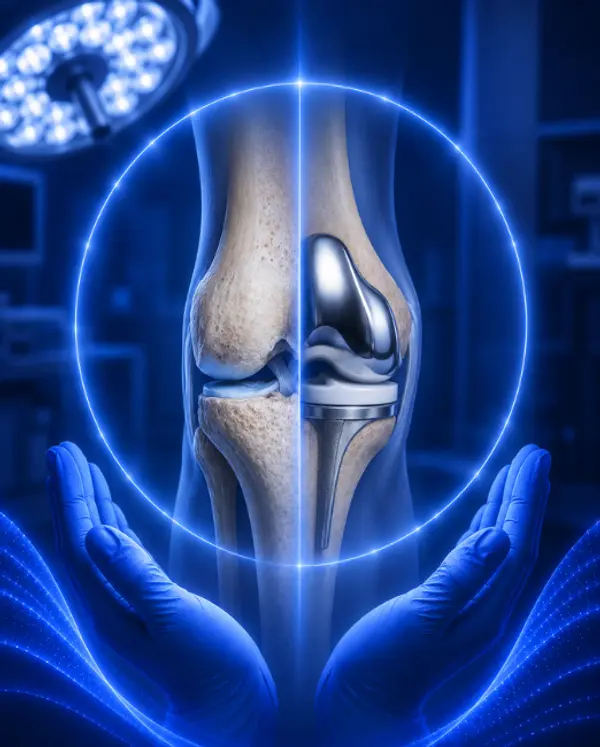
Joint resurfacing surgery is a surgical procedure aimed at alleviating pain and improving the function of a damaged joint by replacing the worn-out cartilage surface with smooth artificial metal or plastic components. This procedure is considered an alternative to total joint replacement, especially for younger and more active patients, as it preserves more of the original bone of the joint, potentially leading to a better range of motion and a more natural feel after recovery. This surgery is considered when conservative treatments such as medications and physical therapy fail to control pain and improve the patient's quality of life.
Quick Summary
Joint Resurfacing Surgery is offered by 52 vetted providers across 16 destinations in the Macrocare network. Treatment prices start from $3,000, covering the treatment itself — flights and accommodation are not included.
Joint resurfacing surgery abroad is an advanced orthopedic procedure designed to restore joint function while preserving as much of the natural bone as possible. Unlike full joint replacement, this technique reshapes and caps the damaged joint surfaces, making it an excellent option for younger, active patients who want to maintain mobility and delay total joint replacement.
Patients suffering from conditions such as osteoarthritis, joint injuries, or early-stage degeneration often explore joint resurfacing surgery abroad to access highly experienced surgeons and modern surgical technologies. Countries like Egypt, Turkey, Germany, and the Czech Republic have become leading destinations for orthopedic excellence, offering world-class care at significantly lower costs compared to the USA or UK.
Through Macrocare, patients benefit from a seamless medical tourism experience. From selecting the best hospital for joint resurfacing surgery to coordinating travel and follow-up care, Macrocare ensures that every step is handled with precision, professionalism, and care. The goal is simple: to provide high-quality treatment abroad without the stress.
Why Get Joint Resurfacing Surgery Abroad?
- Significant Cost Savings: Patients can save up to 60–70% compared to treatment in the USA or UK without compromising on quality.
- Access to Top Specialists: Many surgeons abroad are internationally trained and specialize in joint preservation techniques.
- Shorter Waiting Times: Avoid long waiting lists and schedule your procedure within days or weeks.
- All-Inclusive Medical Coordination: Macrocare manages everything — from hospital booking to post-treatment care — ensuring a smooth experience.
How It Works on Macrocare
- Submit Your Request
Share your medical reports and details through Macrocare’s platform. - Free Medical Consultation
Your case is reviewed by top orthopedic specialists to determine the best treatment plan. - Personalized Treatment Plan & Cost Estimate
Receive a clear, detailed plan including hospital options and pricing. - Travel & Logistics Coordination
Macrocare arranges visas, flights, accommodation, and airport transfers. - Treatment & Hospital Stay
Undergo joint resurfacing surgery at a leading accredited hospital. - Follow-Up & Recovery Support
Continued care, remote monitoring, and rehabilitation guidance after you return home.
Cost Comparison Table
| Country | Average Cost (USD) |
|---|---|
| Egypt | $5,000 – $8,000 |
| Turkey | $7,000 – $12,000 |
| Germany | $15,000 – $25,000 |
| Czech Republic | $10,000 – $16,000 |
| USA / UK | $30,000 – $50,000 |
Note: Costs vary depending on the hospital, surgeon expertise, and case complexity.
What’s Included with Macrocare
- Hospital and surgeon coordination
- Visa assistance and travel support
- Airport pick-up and transfers
- Accommodation arrangements
- Dedicated private case manager
- Medical translation services (if needed)
- Post-treatment follow-up and remote care
Medical Information
What is Joint Resurfacing Surgery?
Joint resurfacing surgery is a bone-conserving orthopedic procedure that involves trimming and reshaping the damaged surfaces of a joint, typically the hip or shoulder, and covering them with smooth metal or ceramic caps. This approach maintains more of the patient’s natural anatomy compared to total joint replacement.
It is particularly popular in hip resurfacing, where the femoral head is preserved rather than removed. This allows for better joint stability and a more natural range of motion.
Who is a Candidate?
You may be a suitable candidate for joint resurfacing surgery abroad if you:
- Are under 60 years old and physically active
- Have early to moderate joint arthritis
- Want to preserve bone structure for future treatments
- Have good bone quality
- Experience chronic joint pain affecting daily life
Patients with severe osteoporosis or advanced joint damage may be better suited for full joint replacement instead.
The Procedure (Step by Step)
- Preoperative Assessment
Imaging tests such as X-rays or MRI scans are reviewed. - Anesthesia
The procedure is performed under general or spinal anesthesia. - Joint Exposure
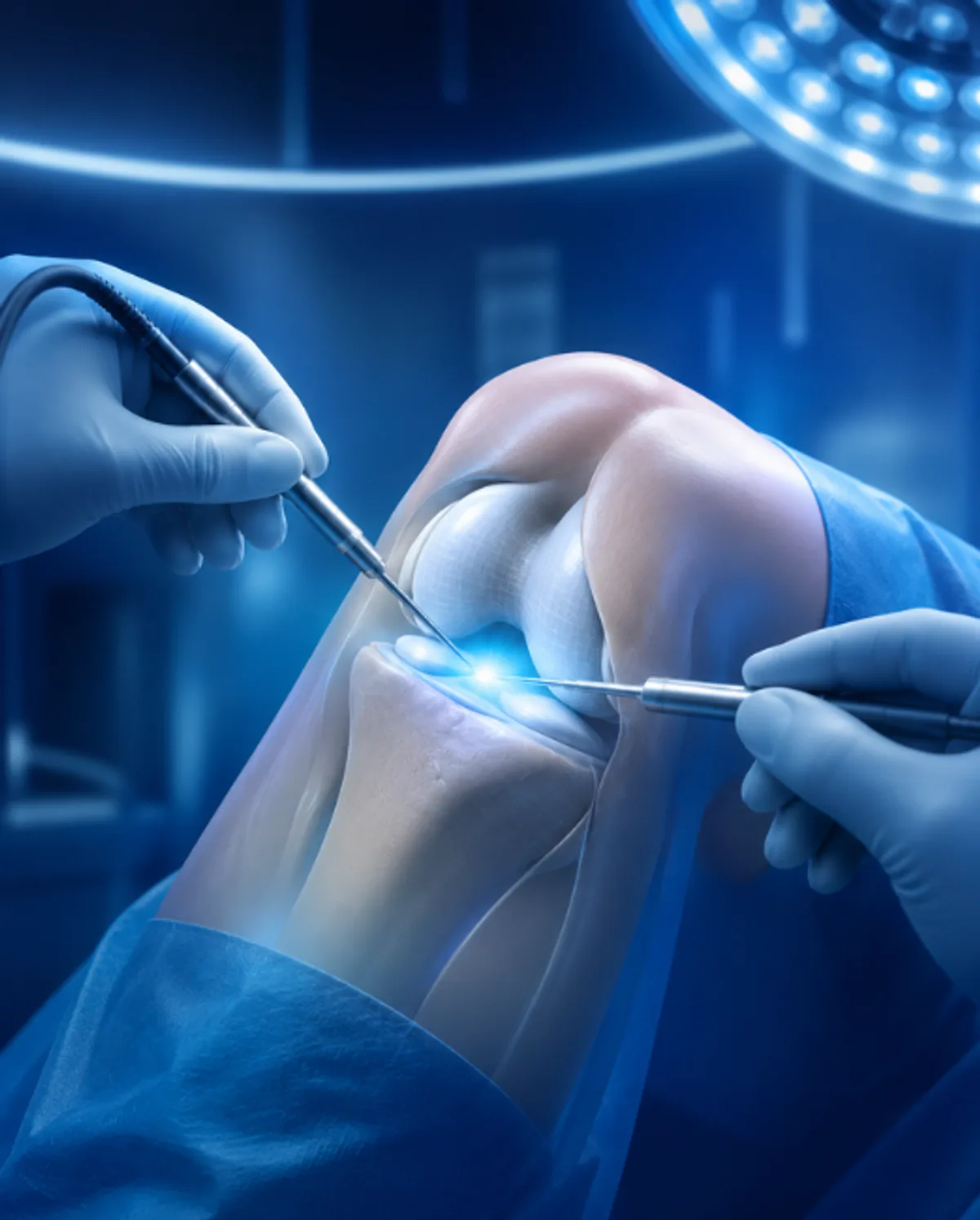
The surgeon accesses the affected joint through a small incision. - Reshaping the Joint Surface
Damaged cartilage and bone are carefully removed. - Implant Placement
A metal or ceramic cap is placed over the joint surface. - Closure & Recovery
The incision is closed, and the patient is moved to recovery.
The procedure typically takes 1.5 to 3 hours depending on the joint involved.
Recovery Time and Aftercare
Recovery from joint resurfacing surgery abroad is generally faster than total joint replacement:
- Hospital Stay: 2–4 days
- Walking with Assistance: Within 24–48 hours
- Return to Normal Activities: 4–8 weeks
- Full Recovery: 3–6 months
Physical therapy plays a key role in regaining strength and mobility. Macrocare ensures that patients receive structured rehabilitation plans tailored to their condition.
Risks and Success Rates
Like any surgical procedure, joint resurfacing carries some risks:
- Infection
- Blood clots
- Implant wear or loosening
- Nerve or blood vessel injury
However, the success rate is high. Studies show that hip resurfacing procedures have a 90–95% success rate over 10–15 years, especially in younger, active patients. Choosing the best hospital for joint resurfacing surgery significantly reduces risks and improves outcomes.
FAQs
1. How much does joint resurfacing surgery cost abroad?
Costs range from $5,000 in Egypt to $25,000 in Germany, depending on the hospital and case.
2. Is joint resurfacing better than joint replacement?
For younger patients, it preserves bone and offers better mobility, but suitability depends on your condition.
3. How long should I stay abroad for treatment?
Most patients stay 7–14 days, including surgery and initial recovery.
4. Is it safe to travel for joint resurfacing surgery?
Yes, when coordinated through trusted platforms like Macrocare with accredited hospitals.
5. Which country is best for joint resurfacing surgery?
Egypt and Turkey offer excellent quality at affordable costs, while Germany provides premium care.
6. Will I need physiotherapy after surgery?
Yes, rehabilitation is essential for optimal recovery and mobility.
7. Can I walk after the surgery?
Most patients begin walking with support within 1–2 days.
8. How long do implants last?
Joint resurfacing implants can last 10–20 years depending on activity level and care.
9. Does insurance cover medical tourism treatments?
Some international insurance plans may cover part of the procedure — Macrocare can assist with documentation.
10. How do I book joint resurfacing surgery abroad?
Simply submit your case through Macrocare, and the team will handle everything from consultation to recovery.
Patient Story
Ahmed, a 48-year-old engineer from Saudi Arabia, struggled with chronic hip pain that limited his ability to work and stay active. After exploring options in his home country, he chose joint resurfacing surgery abroad through Macrocare in Egypt. Within weeks, he underwent successful surgery at a top orthopedic hospital. Today, Ahmed is back to walking comfortably and even enjoys light sports again — something he thought he had lost forever.
Start Your Treatment Journey with Macrocare
Choosing joint resurfacing surgery abroad can transform your quality of life — and with Macrocare, the process is simple, safe, and fully supported. From connecting you with top hospitals to managing every detail of your journey, we are here to ensure you receive the best care possible.
Request your free consultation today and take the first step toward pain-free movement.
The main reason for considering joint resurfacing surgery is damage to the articular cartilage that covers the ends of the bones within the joint. When this cartilage deteriorates, the bones begin to rub directly against each other, resulting in pain, stiffness, and reduced mobility. Several medical conditions and risk factors can lead to this cartilage damage, including:
-
Osteoarthritis:
The most common form of arthritis, caused by the gradual wear and tear of cartilage over time, often associated with aging and repeated use of the joint.
-
Rheumatoid Arthritis:
An autoimmune disorder in which the immune system mistakenly attacks the joint lining, leading to chronic inflammation and damage to both cartilage and bone.
-
Post-traumatic Arthritis:
This type of arthritis can develop after a joint injury such as a fracture or severe sprain, accelerating cartilage degeneration.
-
Osteonecrosis:
A condition where blood supply to a part of the bone is interrupted, leading to bone tissue death and joint collapse.
-
Congenital Joint Abnormalities:
Certain birth defects or deformities in joint structure can lead to uneven load distribution, causing abnormal cartilage wear over time.
-
Obesity and Excess Weight:
Increased body weight puts extra pressure on weight-bearing joints like the knees and hips, speeding up cartilage breakdown.
-
Overuse and Repetitive Joint Stress:
Common in athletes and individuals with physically demanding jobs, repetitive strain can cause progressive cartilage damage over time.
1. Diagnosis
The need for joint resurfacing surgery is determined through a thorough evaluation by an orthopedic specialist. This evaluation includes:
-
Medical History and Physical Examination:
The physician collects detailed information about the patient's symptoms, how these symptoms affect daily activities, and any history of previous injuries or medical conditions.
A physical examination of the joint is performed to assess range of motion, detect swelling, deformities, or unusual sounds during movement, and identify areas of tenderness. -
X-ray Imaging:
X-rays are essential to evaluate the extent of joint damage, narrowing of the joint space (which indicates cartilage loss), and the presence of bone spurs (osteophytes). -
Magnetic Resonance Imaging (MRI):
In certain cases, an MRI is requested to provide detailed images of the soft tissues surrounding the joint, including cartilage, ligaments, and tendons, to assess the extent of damage more precisely. -
Blood Tests:
These may be conducted to rule out other types of arthritis, such as rheumatoid arthritis. -
Joint Fluid Analysis (Arthrocentesis):
In some cases, a sample of joint fluid is extracted and analyzed to rule out infections or other forms of arthritis.
2. Treatment Phases
A. Conservative (Non-Surgical) Treatment:
Before recommending surgery, physicians typically explore conservative treatment options to relieve pain and improve joint function. These may include:
-
Medications:
Over-the-counter pain relievers such as paracetamol or ibuprofen, prescription NSAIDs, and in some cases, corticosteroid injections directly into the joint to reduce inflammation and pain. -
Physical Therapy:
Exercises to strengthen muscles around the joint, improve range of motion and flexibility, and educate patients on joint protection techniques during daily activities. -
Assistive Devices:
Such as canes or walkers to help reduce stress on the affected joint. -
Lifestyle Modifications:
Including weight loss (if overweight) and avoiding activities that aggravate the pain.
B. Surgical Treatment (Joint Resurfacing):
If conservative measures fail to provide adequate relief, the physician may recommend joint resurfacing surgery. The procedure typically includes:
-
Anesthesia:
Performed under general or regional anesthesia. -
Surgical Incision:
A precise incision is made over the affected joint. -
Bone Preparation:
Damaged cartilage and a thin layer of underlying bone are removed from the joint surfaces. -
Implant Placement:
Smooth metal or plastic covers are attached to the prepared bone surfaces. -
Wound Closure:
The incision is closed with sutures or surgical staples.
3. Postoperative Care and Rehabilitation
Recovery begins within a few days after surgery and includes:
-
Pain Management:
Prescribed medications are used to control post-operative pain. -
Physical Therapy:
Gentle exercises are initiated to gradually restore range of motion, strengthen surrounding muscles, and improve balance and coordination. -
Assisted Walking:
Crutches or walkers may be used initially to offload pressure from the joint. -
Follow-up Appointments:
Regular follow-ups with the orthopedic surgeon to monitor recovery and detect any complications early.
Frequently Asked Questions
Joint Resurfacing Surgery starts from $3,000 through the Macrocare network, available in 16 cities including Cairo, Istanbul, Jeddah, Alexandria. The exact price depends on the provider, the technique used and your medical assessment — request a free quotation for a confirmed figure.
Joint Resurfacing Surgery is offered by 52 verified providers in the Macrocare network across 16 cities, including Cairo, Istanbul, Jeddah, Alexandria. Each listing shows the provider, the city and its real starting price.
Send a free quotation request and a Macrocare coordinator compares verified providers for Joint Resurfacing Surgery, confirms pricing, and arranges appointments, travel and follow-up. Coordination is free for patients.
Joint Resurfacing Surgery belongs to Orthopedics & Joint Care. Browse that category to compare related procedures, their verified providers and real starting prices before deciding.
Available in
Related suggestions
As-Salam International Hospital (New Cairo)
Multidisciplinary Hospital
New Cairo - Cairo

Medicana International Istanbul Hospital
Multidisciplinary Hospital
Beylikdüzü - Istanbul

Saudi German Hospital Jeddah
Multidisciplinary Hospital
Al Zahra - Jeddah
Town Hospital - New Cairo
Multidisciplinary Hospital
New Cairo - Cairo
Global Medical City
Multidisciplinary Hospital
Nasr City - Cairo
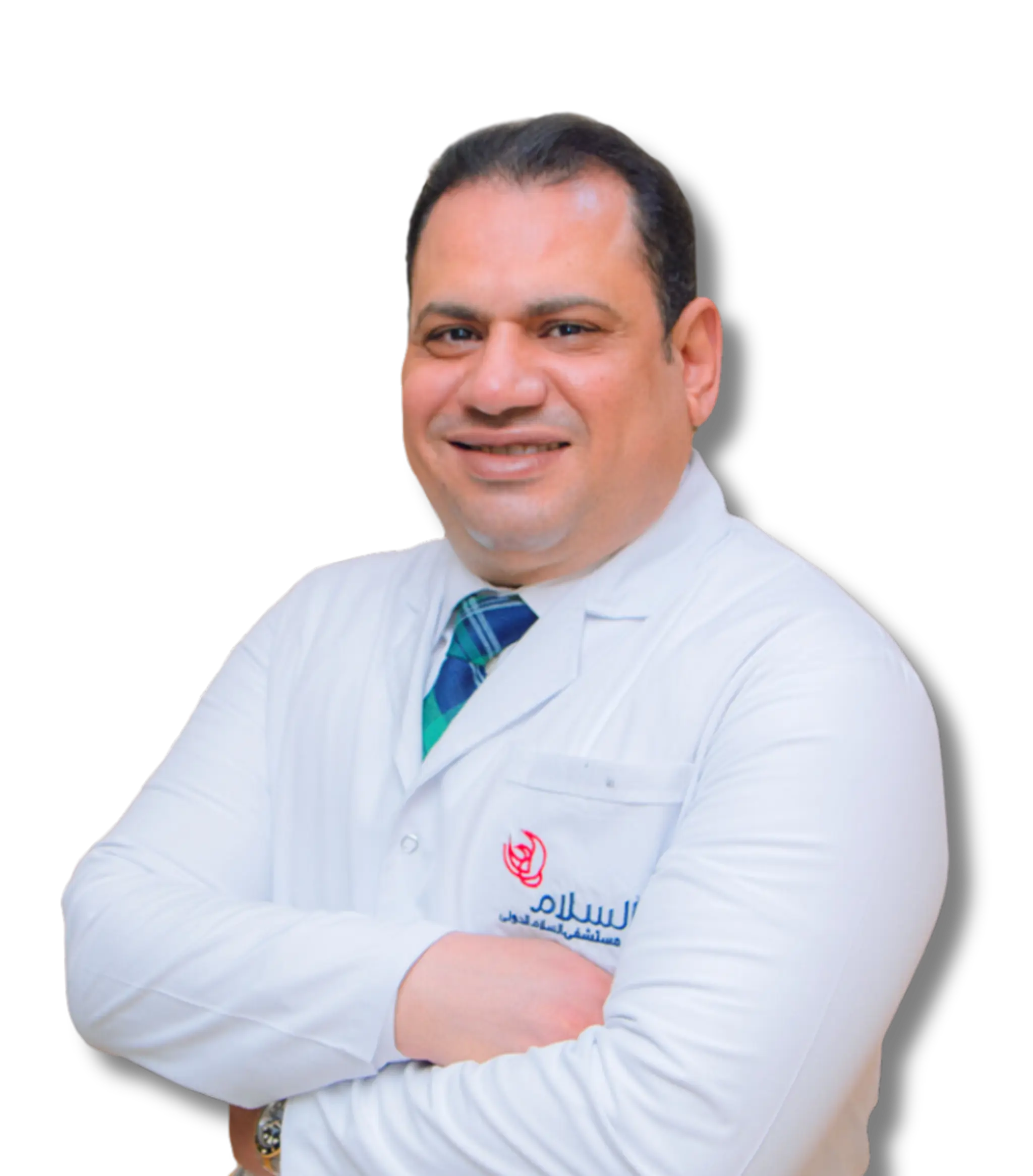
Prof. Dr. Mohamed Asal
Orthopedic Surgeries
New Cairo - Cairo

SHIFA Hospital - New Cairo
Multidisciplinary Hospital
New Cairo - Cairo
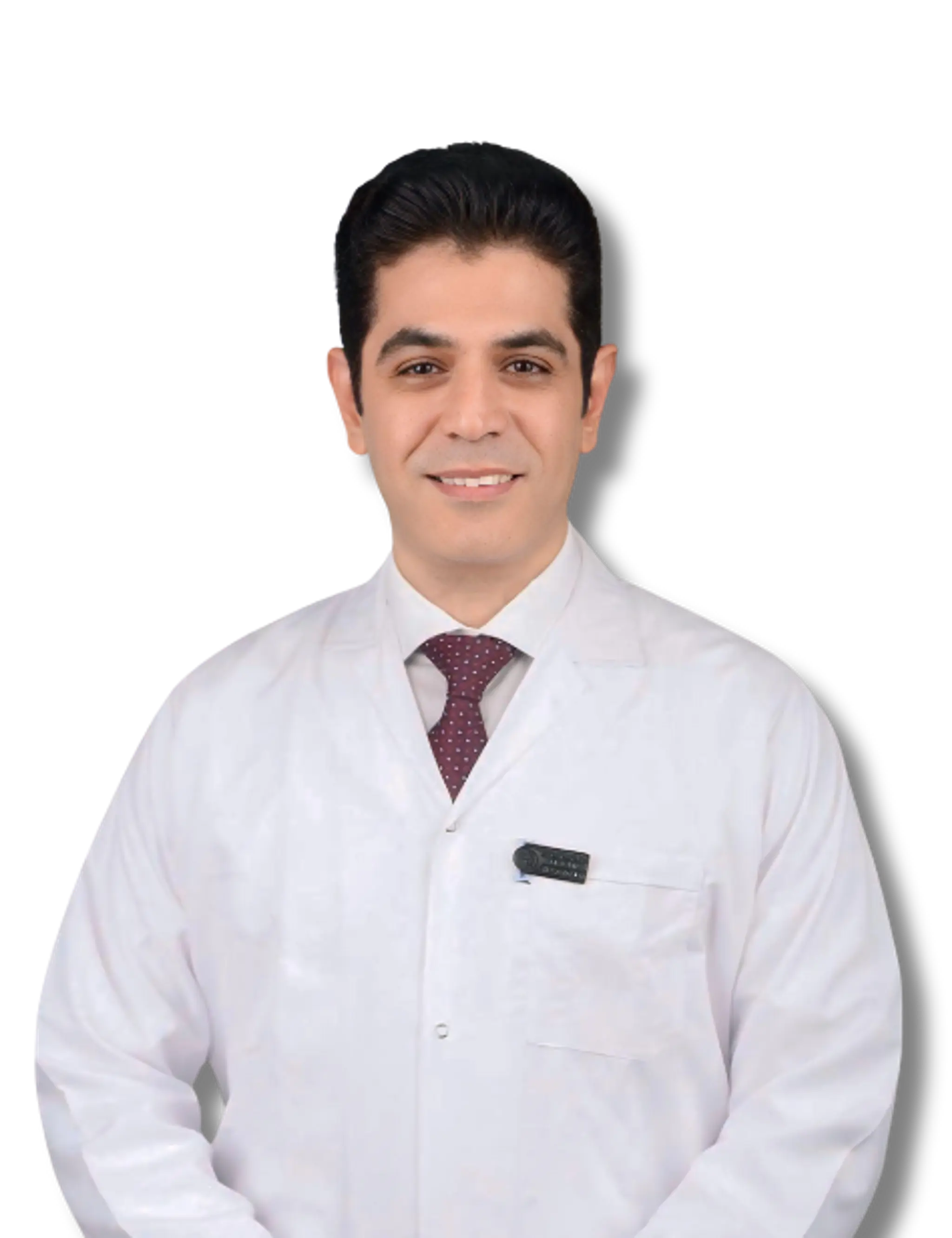
Dr. Diaa El-Sayed
Orthopedic Surgeries
New Cairo - Cairo

Elite Hospital
Orthopedic Surgeries
Moharam Bek - Alexandria

October 6 University Hospital
Multidisciplinary Hospital
6th of October - Giza

British Hospital
Orthopedic Surgeries
El Shorouk - Cairo

Cleopatra Hospital (Cairo Specialized Hospital)
Heliopolis - Cairo

Al Mehwar Hospital
Multidisciplinary Hospital
6th of October - Giza

Saudi German Hospital - Aseer
Multidisciplinary Hospital
Khamis Mushait - Aseer

Saudi German Hospital - Madinah
Multidisciplinary Hospital
Umm Khalid - Madina

Saudi German Hospital - Hail
Multidisciplinary Hospital
Al Khuzama - Ḥaʼil
Saudi German Hospital Jeddah
Multidisciplinary Hospital
Al Zahra - Jeddah
Saudi German Hospital – Cairo
Multidisciplinary Hospital
Heliopolis - Cairo
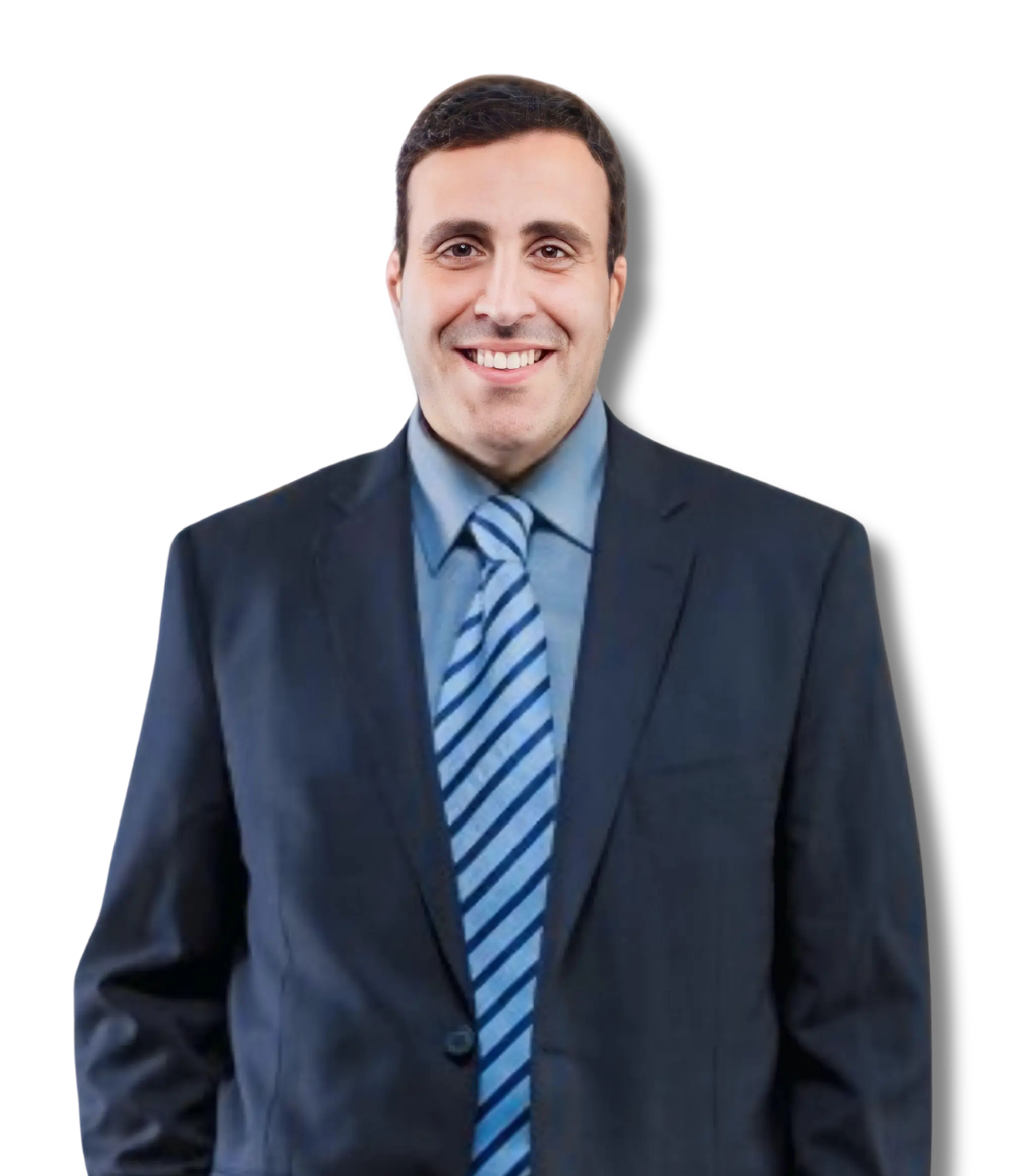
Dr. Maged Samy
Orthopedic Surgeries
New Cairo - Cairo
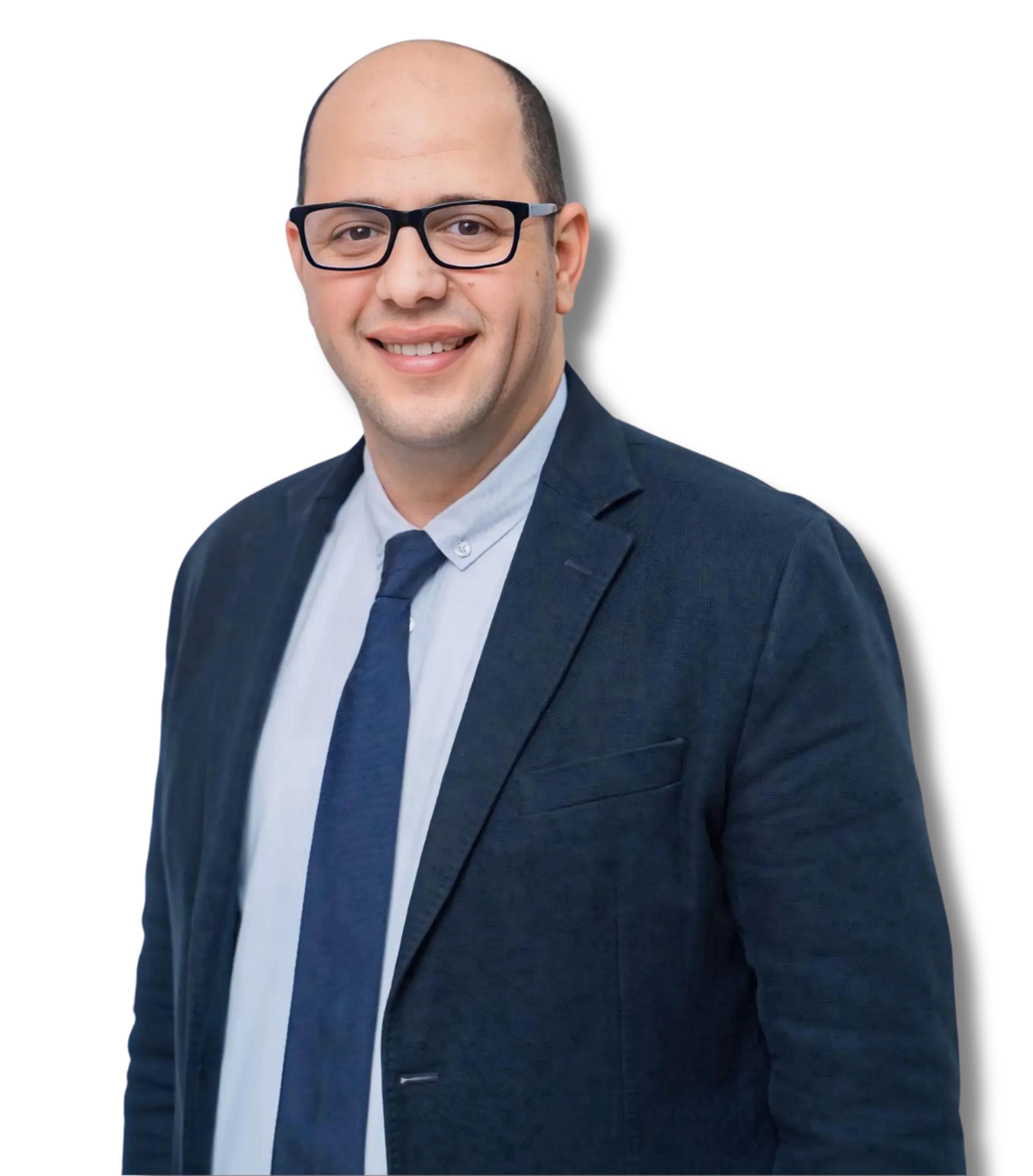
Dr. Wael Badr
Orthopedic Surgeries
New Cairo - Cairo

Medicana International Ankara Hospital
Multidisciplinary Hospital
- Ankara

Medicana International Izmir Hospital
Multidisciplinary Hospital
Izmir - Izmir

Medicana International Bursa Hospital
Multidisciplinary Hospital
- Bursa

Medicana Konya Hospital
Multidisciplinary Hospital
- Konya

Medicana Sivas Hospital
Multidisciplinary Hospital
- Sivas

Saudi German Hospital - Dubai
Multidisciplinary Hospital
Dubai - Dubai

Saudi German Hospital – Sharjah
Multidisciplinary Hospital
Sharjah - Sharjah

Saudi German Hospital – Ajman
Nephrology
Al Tallah 2 - Ajman

Dar Al Fouad Hospital ( 6th October )
E.N.T
6th of October - Giza
Prof. Dr. Ahmed Abdelaziz
Orthopedic Surgeries
Sheikh Zayed City - Giza

Dr. Yehia El-Brombli
Orthopedic Surgeries
New Cairo - Cairo

Dr. Saleh Gamil
Orthopedic Surgeries
New Cairo - Cairo
Prof. Dr. Ahmed Hazem Abdelazim
Orthopedic Surgeries
Sheikh Zayed City - Giza
Prof. Dr. Ashraf Moharram
Orthopedic Surgeries
Sheikh Zayed City - Giza

Memorial Şişli Hospital – Istanbul
Multidisciplinary Hospital
sisli - Istanbul

Shifa Specialized Hospital – Al Shorouk
Multidisciplinary Hospital
El Shorouk - Cairo

Memorial Ataşehir Hospital – Istanbul
Multidisciplinary Hospital
Ataşehir - Istanbul

Memorial Ankara Hospital
Multidisciplinary Hospital
Ankara - Ankara
Prof. Dr. Ahmed Akkar
Orthopedic Surgeries
Nasr City - Cairo

Memorial Bahçelievler Hospital - Istanbul
Multidisciplinary Hospital
Bahçelievler - Istanbul

Saudi German Hospital – Alexandria
Multidisciplinary Hospital
Mehwer El Taamear North Coast - Alexandria
Dr. Mahmoud Abdel Baset
Orthopedic Surgeries
Nasr City - Cairo

Dr. Mostafa Saad
Orthopedic Surgeries
Nasr City - Cairo

Memorial Göztepe Hospital - Istanbul
Multidisciplinary Hospital
Göztepe - Istanbul

Dr. Abdel Radi Mahmoud Abdel Radi
Spinal Surgeries
Nasr City - Cairo

Prof. Dr. Mustafa KÜRKLU
Orthopedic Surgeries
Bahçelievler - Istanbul
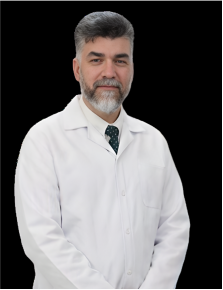
Dr. Amr Zanfaly
Orthopedic Surgeries
Mehwer El Taamear North Coast - Alexandria
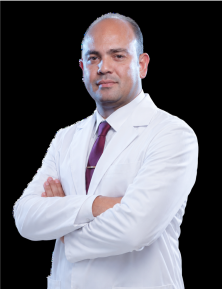
Dr. Ahmed Abu Abla
Orthopedic Surgeries
New Cairo - Cairo
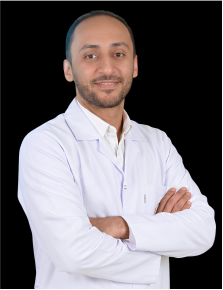
Dr. Amr Nagy
Orthopedic Surgeries
New Cairo - Cairo
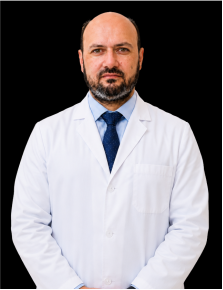
Dr. Islam Abdel Mohsen
Orthopedic Surgeries
6th of October - Giza

Dr. Mohamed Gomaa
Orthopedic Surgeries
Sheikh Zayed City - Giza
Prof. Dr. Ahmed Samir Barakat
Orthopedic Surgeries
Sheikh Zayed City - Giza

More in Orthopedics & Joint Care
Compare related procedures with their verified providers and real starting prices.
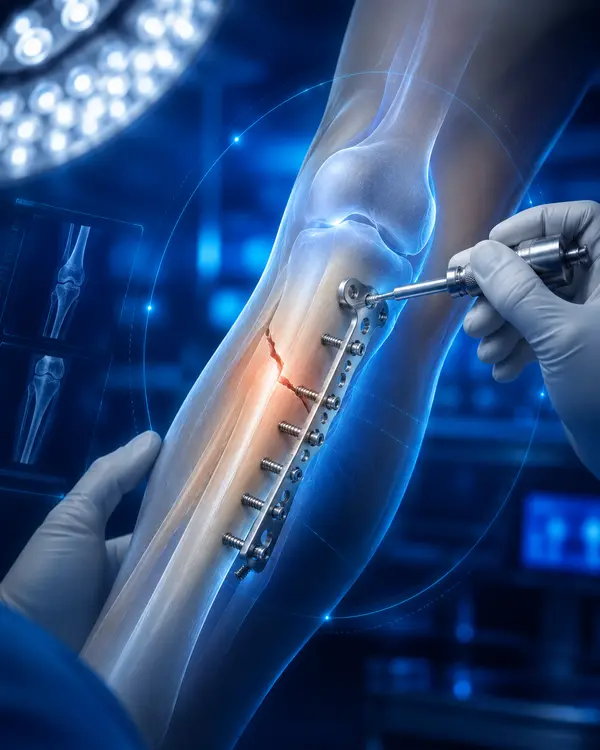
Fracture Fixation Surgery
56 verified providers
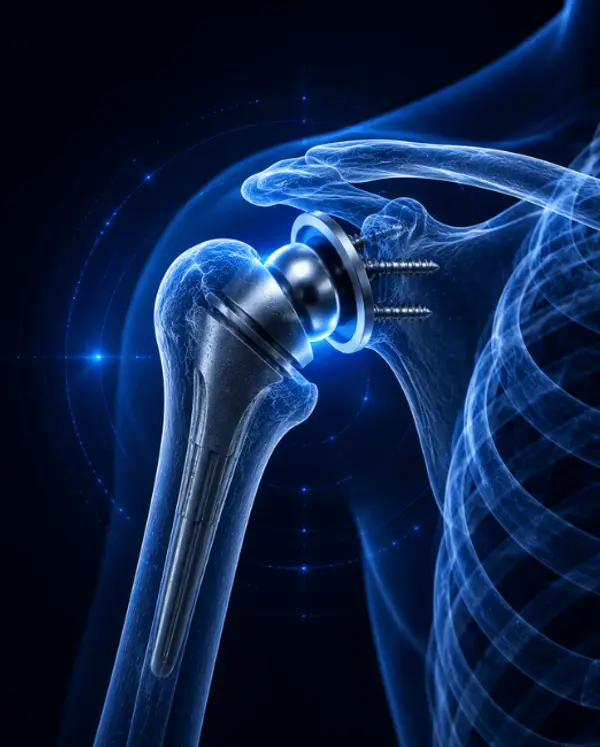
Shoulder Reconstruction Surgery
50 verified providers
ACL Reconstruction Surgery
45 verified providers
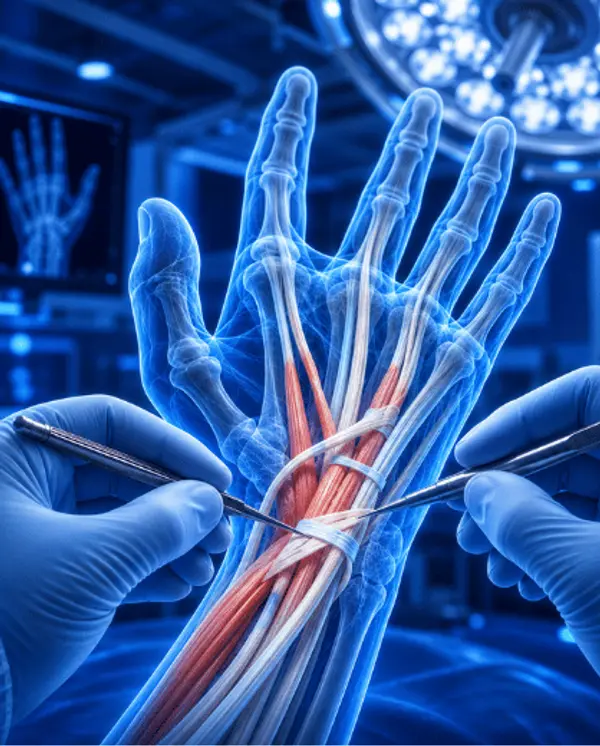
Tendon Transfer Surgery
45 verified providers
Arthroscopic Knee Surgery
44 verified providers
Total Knee Replacement
40 verified providers
Treatment prices only — travel and stay are estimated separately. Final cost confirmed on your free quotation. Rates as of 2026-07-20.