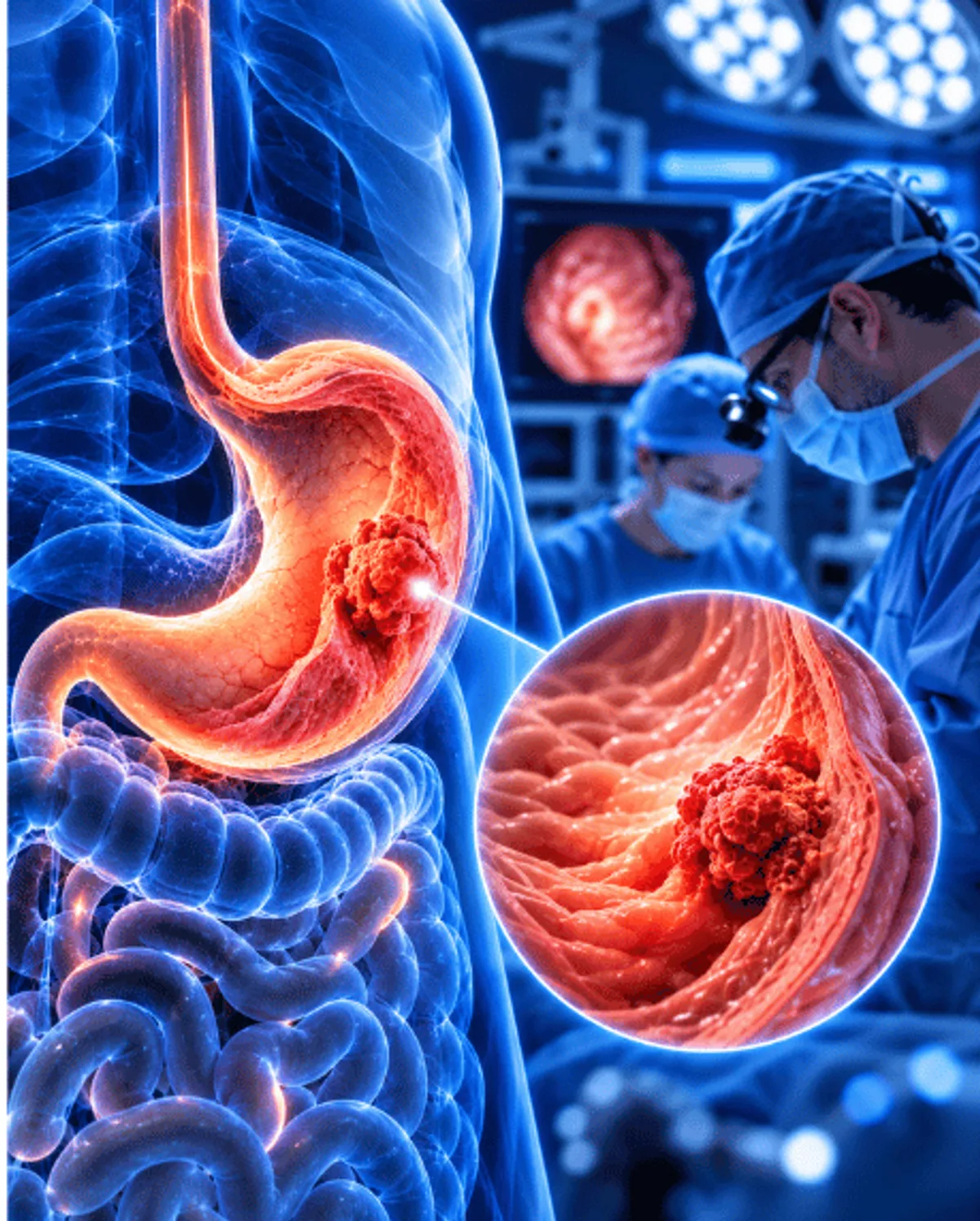
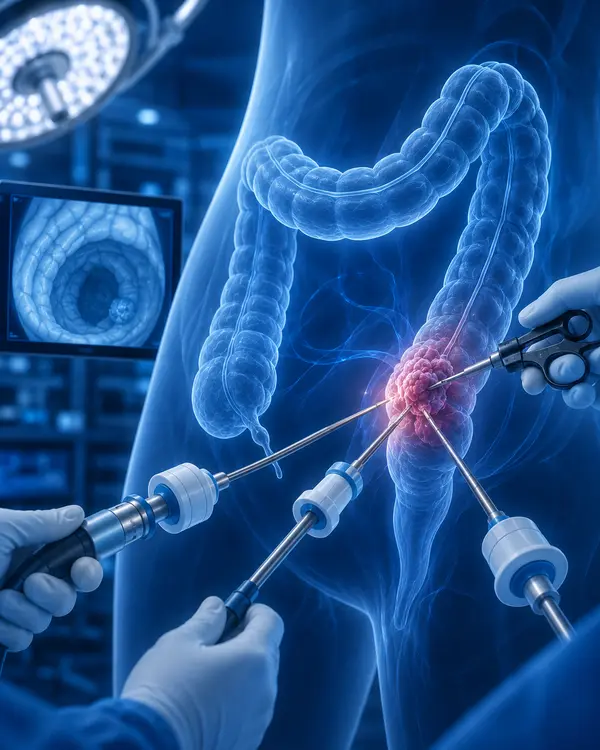
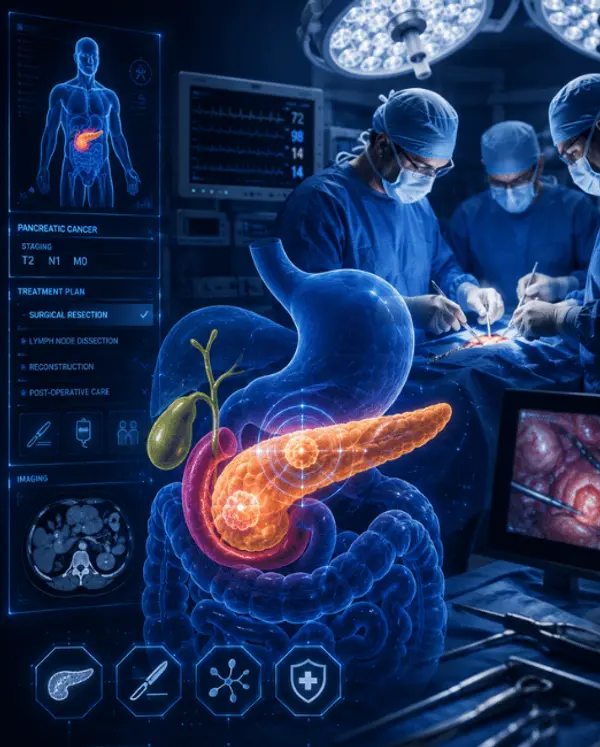
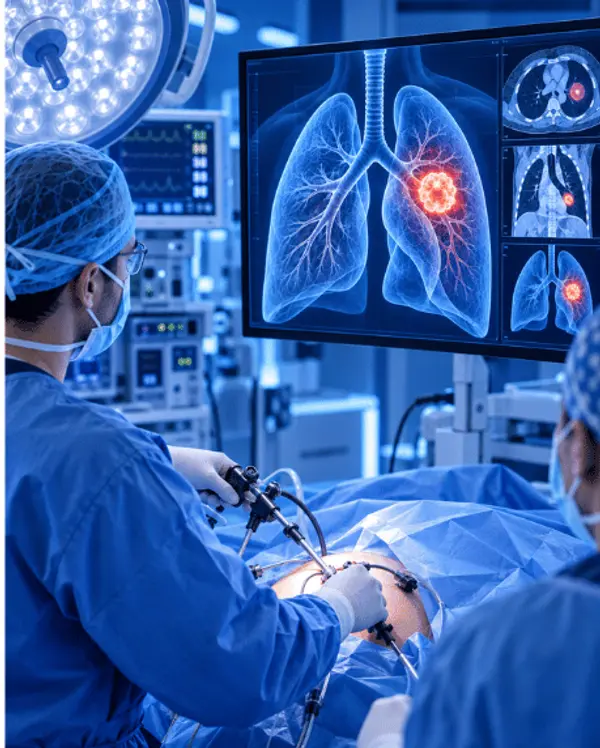
Before Stomach Cancer Surgery, the patient undergoes a comprehensive evaluation to determine the type, stage, and location of the cancer and whether it can be safely removed.
Assessment may include:
Upper gastrointestinal endoscopy
Biopsy of the tumor
Pathological examination of biopsy samples
CT scans of the abdomen, chest, and pelvis when indicated
MRI in selected cases
Blood tests and organ function tests
Additional imaging to assess the extent of cancer spread
Evaluation of overall health and suitability for surgery
During surgery, the surgeon removes part of the stomach or the entire stomach depending on the tumor's location and stage. Nearby lymph nodes may also be removed, along with surrounding tissues when necessary to achieve appropriate cancer removal.
After part or all of the stomach is removed, the digestive tract is reconstructed to allow food to pass through the digestive system.
Benefits of Stomach Cancer Surgery
For appropriately selected patients, Stomach Cancer Surgery may:
Remove a surgically treatable stomach tumor
Provide a potential option for long-term cancer control in appropriate cases
Reduce the amount of cancer present in the body
Allow detailed examination of removed lymph nodes and tissues
Help determine whether additional treatment is needed after surgery
Relieve certain symptoms caused by the tumor in selected cases
Outcomes depend on the cancer stage, tumor type and characteristics, extent of spread, ability to completely remove the tumor, and the patient's overall health.
Recovery After Stomach Cancer Surgery
Recovery after Stomach Cancer Surgery varies depending on the type of procedure, whether part or all of the stomach was removed, the surgical technique, and the patient's overall health.
Patients usually remain in the hospital for monitoring of digestion, nutrition, wound healing, and general recovery.
After surgery, dietary adjustments may be necessary, such as eating smaller and more frequent meals. Nutritional monitoring and vitamin or mineral supplementation may also be required, particularly after a total gastrectomy.
Regular medical follow-up is important to monitor recovery, nutritional status, and the cancer according to the patient's treatment plan.
Is Stomach Cancer Surgery Suitable for Everyone?
Stomach Cancer Surgery is not suitable for every patient with gastric cancer. The decision depends on the cancer stage, tumor location and size, extent of spread, whether the tumor can be safely removed, and the patient's overall health.
Surgery may be part of a broader treatment plan that includes chemotherapy, radiation therapy, or other systemic treatments.
A specialized gastrointestinal cancer and surgical oncology team should comprehensively evaluate the patient to determine whether surgery, medical treatment, or a combination of treatments is the most appropriate approach.