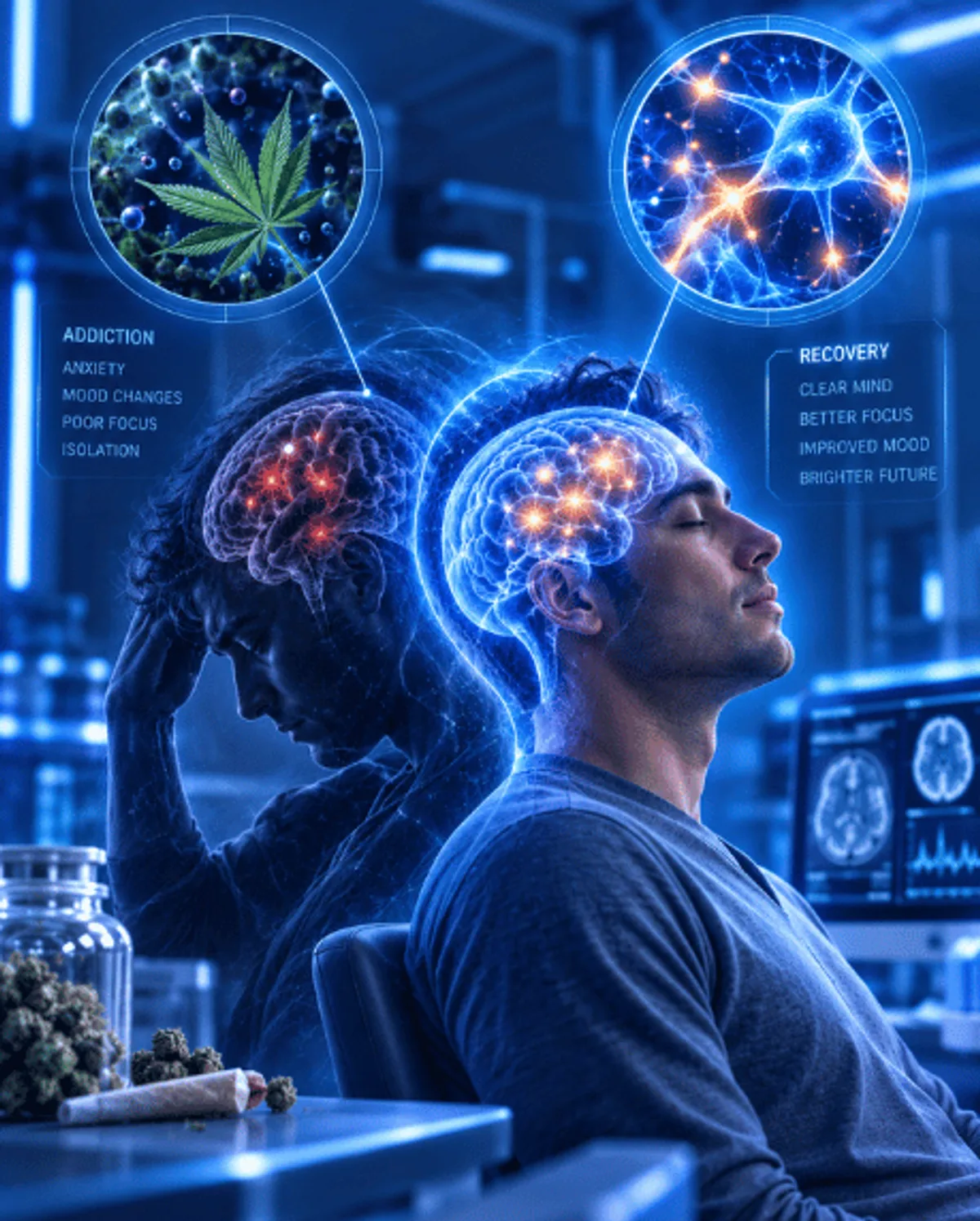
Treatment begins with a comprehensive medical and psychological assessment to determine the severity of cannabis dependence and the patient's individual treatment needs. The evaluation may include:
Medical and addiction history
Physical examination
Psychological and behavioral assessment
Evaluation of sleep, mood, and anxiety
Laboratory tests when appropriate
Assessment of other substance use
Identification of situations and triggers associated with cannabis use
Detoxification and Medical Monitoring:
Some patients may benefit from medically supervised withdrawal management, particularly when cannabis use is heavy or when psychological conditions or other substance use are present.
Psychological and Behavioral Therapy:
Psychological treatment is an important part of Cannabis Addiction Treatment. It may include Cognitive Behavioral Therapy (CBT), motivational interviewing, and behavioral interventions designed to help patients manage cravings and identify and respond to triggers associated with cannabis use.
Rehabilitation and Relapse Prevention:
Rehabilitation focuses on developing healthier coping strategies, changing behaviors associated with substance use, identifying relapse triggers, and building routines that support long-term recovery.
Benefits of Cannabis Addiction Treatment
Specialized treatment may help patients to:
Stop using cannabis in a structured and supportive environment
Manage withdrawal symptoms
Reduce cravings
Improve sleep and mood during recovery
Address coexisting anxiety or psychological conditions when present
Identify triggers that may contribute to relapse
Develop healthier ways to manage stress and difficult situations
Support a return to family, social, academic, or professional life
Treatment outcomes vary between individuals, and some patients may require longer-term therapy and follow-up depending on the severity of dependence and their response to treatment.
Recovery After Cannabis Addiction Treatment
Recovery varies depending on the duration and frequency of cannabis use, severity of dependence, and the patient's physical and psychological health.
Withdrawal symptoms may appear during the first days after stopping cannabis and can include sleep problems, irritability, anxiety, reduced appetite, and cravings. Some symptoms may persist for longer in certain individuals.
Ongoing psychological and behavioral support can help reduce the risk of relapse, particularly by addressing triggers and developing healthier ways to manage stress.
A recovery program may include individual or group therapy, family involvement when appropriate, rehabilitation, and regular follow-up after the initial treatment program.
Is Cannabis Addiction Treatment Suitable for Everyone?
Treatment is tailored to each patient, and there is no single approach that is suitable for every case of cannabis dependence.
The appropriate level of care depends on:
Severity of cannabis dependence
Duration and frequency of use
Severity of withdrawal symptoms
Presence of coexisting psychological conditions
Use of other substances
Overall physical health
Family and social environment
Ability to participate in treatment and follow-up
Outpatient treatment may be appropriate for some patients, while those with severe dependence, significant psychological symptoms, or multiple-substance use may require a more intensive treatment program or inpatient rehabilitation.
If severe symptoms such as loss of consciousness, seizures, difficulty breathing, acute psychological disturbance, or behavior that creates an immediate risk to the patient or others occur, emergency medical care should be sought immediately.