How Does Vacuum Wound Therapy Work?
The treatment typically involves the following steps:
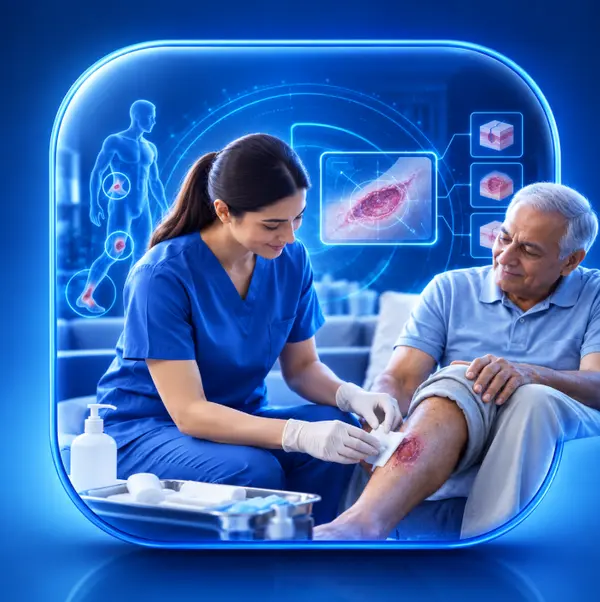
Wound Assessment: A healthcare professional examines the wound and evaluates its size, depth, condition, and surrounding tissue.
Wound Preparation: The wound is cleaned, and any necessary wound care is performed.
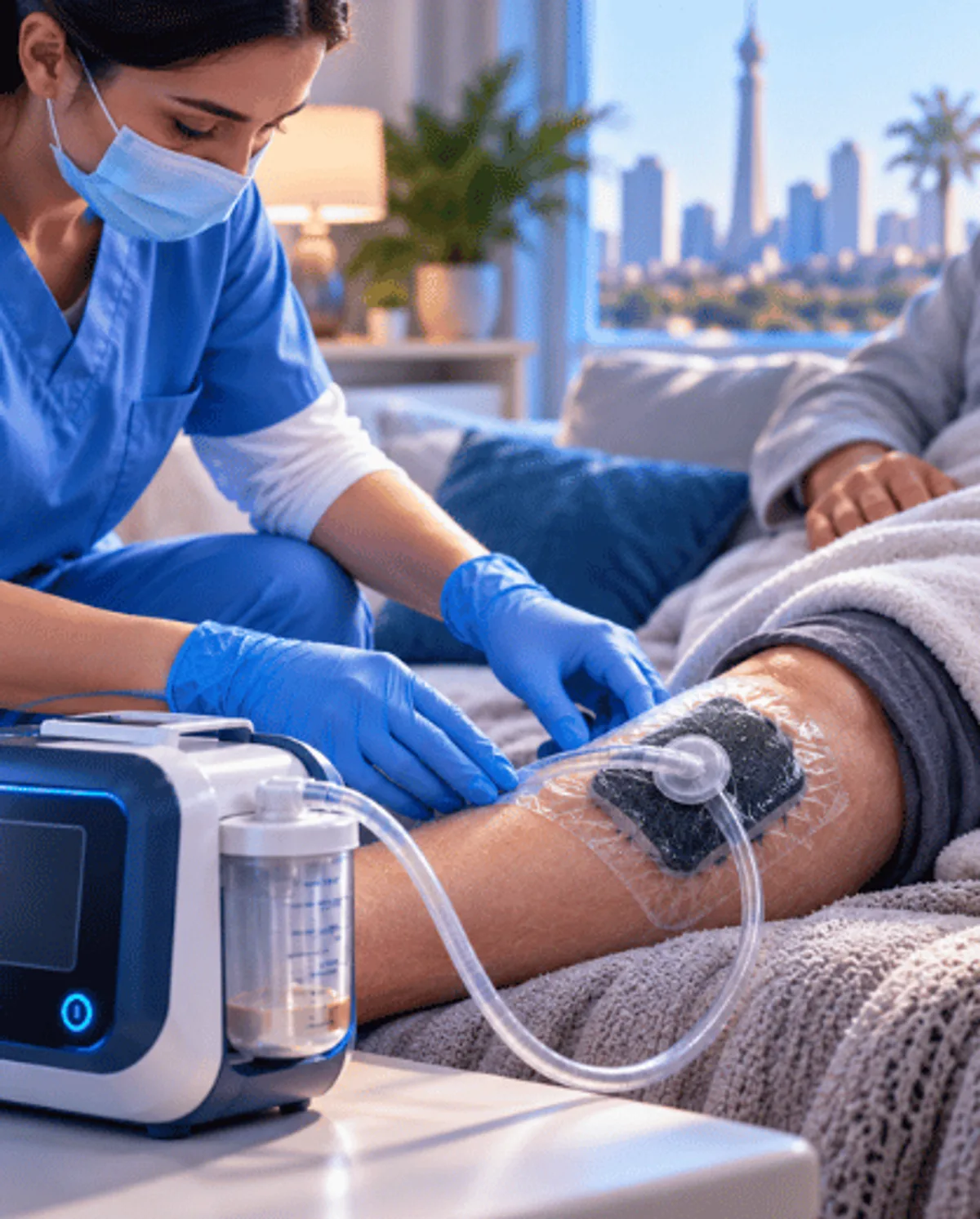
Dressing Application: A specialized foam or gauze dressing is placed over the wound and sealed with an adhesive covering.
Vacuum Connection: The dressing is connected to a vacuum pump through tubing.
Controlled Negative Pressure: The pump applies a prescribed level of negative pressure to help remove excess wound fluid and support the healing process.
Follow-Up Care: The wound is monitored, and the dressing is changed at intervals determined by the treating team.
Benefits of Vacuum Wound Therapy
Depending on the wound and the patient's condition, potential benefits may include:
Effective management of excess wound fluid.
Support for a suitable wound-healing environment.
Assistance in managing selected complex wounds.
Potential reduction in wound size over time in appropriate cases.
Support for wound management following certain surgical procedures.
The option of portable systems for selected patients receiving care at home.
Results vary depending on the type of wound, blood circulation, infection control, nutritional status, and other medical factors. Vacuum Wound Therapy does not guarantee complete wound healing.
Is Vacuum Wound Therapy Suitable for Home Use?
Some patients may be eligible for home-based Vacuum Wound Therapy using a portable Wound VAC device. Home treatment requires:
Medical assessment and an individualized treatment plan.
A suitable vacuum pump and compatible dressing supplies.
Training for the patient or caregiver when appropriate.
Regular dressing changes and wound monitoring by qualified healthcare professionals.
Clear instructions on what to do if the device stops working, the dressing loses its seal, or bleeding occurs.
Home treatment is not suitable for every patient, and the decision should be made by the treating healthcare team.
Possible Risks and Precautions
Potential complications include pain, skin irritation, bleeding, infection, and damage to surrounding tissue. Special precautions are necessary for wounds involving exposed blood vessels, certain organs or structures, untreated dead tissue, or uncontrolled infection.
Patients should seek prompt medical advice if they experience significant bleeding, worsening pain, fever, increasing redness, or other signs of deterioration. The device should only be used according to the prescribed treatment plan.
Recovery and Follow-Up
The duration of Vacuum Wound Therapy varies according to the wound's complexity and response to treatment. Regular wound assessments help determine whether therapy should continue, be modified, or be replaced with another wound care approach.
Good nutrition, management of underlying conditions such as diabetes, appropriate pressure relief, and adherence to wound care instructions may also support healing.
Who Is a Candidate for Vacuum Wound Therapy?
Vacuum Wound Therapy may be suitable for patients with selected acute or chronic wounds that require advanced wound management. A specialist must evaluate the wound, circulation, infection status, and overall medical condition before recommending treatment.