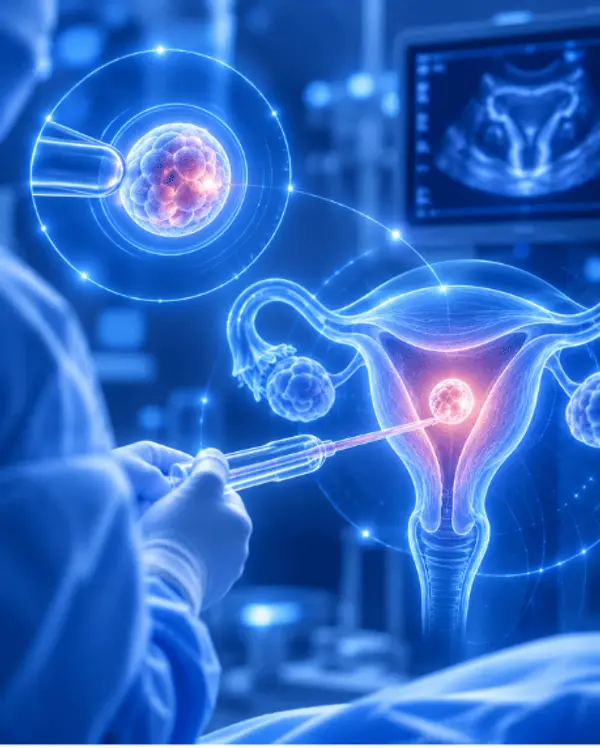
Embryo freezing is generally part of an IVF or ICSI treatment cycle.
The process may include:
Ovarian stimulation: Medications are used to stimulate the ovaries to develop multiple follicles.
Egg retrieval: Mature eggs are collected through a minimally invasive procedure.
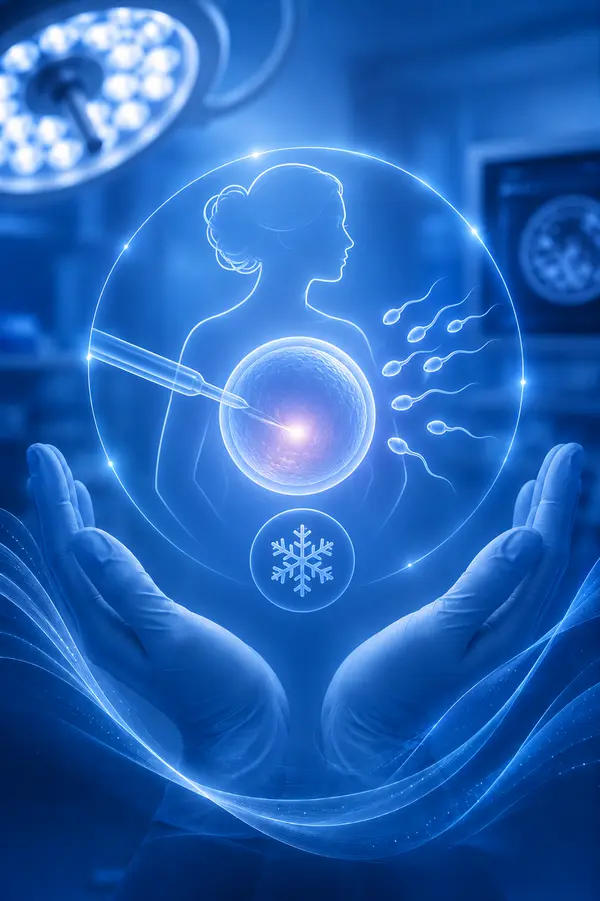
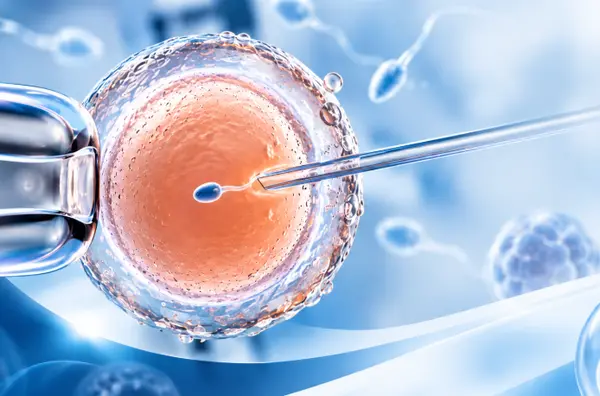
Fertilization: Eggs are fertilized with sperm in the laboratory through conventional IVF or ICSI.
Embryo development: Fertilized eggs are monitored as they develop in the laboratory.
Embryo assessment: Embryologists evaluate embryo development and determine which embryos are suitable for freezing.
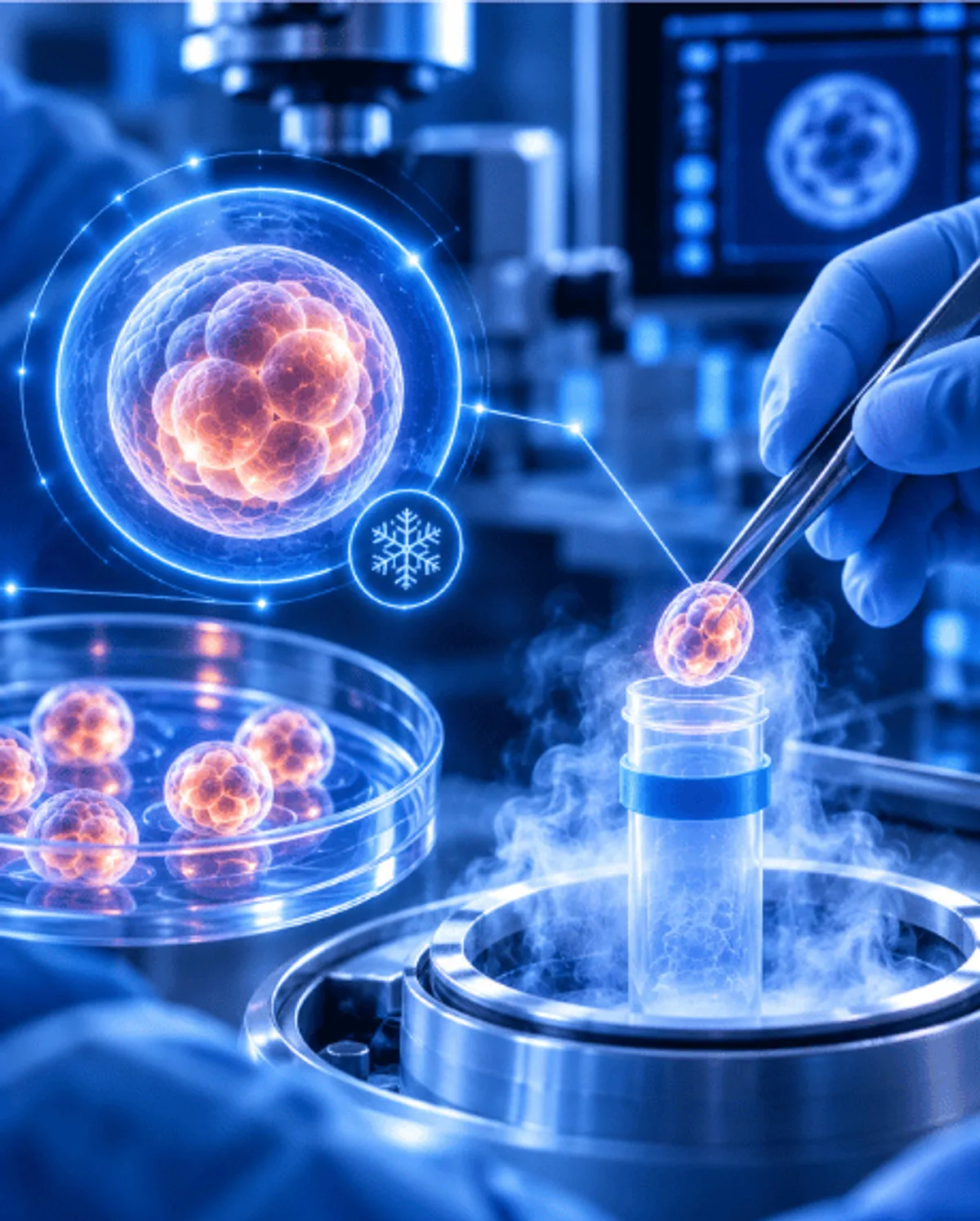
Vitrification: Suitable embryos are rapidly frozen using a controlled cryopreservation technique.
Storage: Embryos are stored in specialized cryogenic systems under carefully monitored conditions.
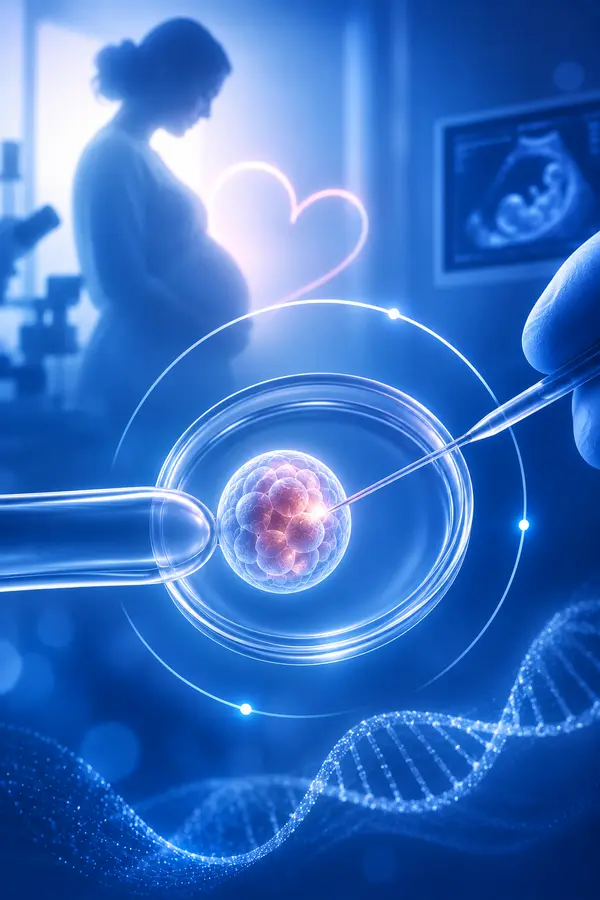
Future thawing and transfer: When pregnancy is planned, an embryo may be thawed and transferred to the uterus as part of a frozen embryo transfer cycle.
In selected cases, preimplantation genetic testing may be performed before an embryo is selected for transfer.
Benefits of Embryo Freezing
Embryo freezing may offer several benefits, including:
Preserving embryos for future pregnancy attempts
Allowing additional embryos from an IVF or ICSI cycle to be stored
Providing flexibility in the timing of embryo transfer
Supporting fertility preservation in selected patients
Allowing embryos to undergo genetic testing when medically appropriate
Avoiding the need to repeat ovarian stimulation and egg retrieval for every future transfer
Providing an option for future frozen embryo transfer cycles
The chance of successful pregnancy depends on several factors, including embryo quality, the patient's age when the eggs were retrieved, uterine health, and other fertility factors.
Recovery & Follow-Up
Embryo freezing itself does not require physical recovery because the procedure is performed on embryos in the laboratory.
If embryo freezing is part of an IVF or ICSI cycle, the patient may experience temporary effects from ovarian stimulation or egg retrieval, such as abdominal discomfort, bloating, or mild pelvic pain.
Before a future frozen embryo transfer, the uterus may be prepared using either a natural cycle or hormonal medication, depending on the patient's circumstances.
Regular follow-up with the fertility team is important throughout the treatment process.
Is Embryo Freezing Suitable for Everyone?
Embryo freezing may be suitable for many patients undergoing IVF or ICSI, but the appropriate approach varies according to individual circumstances.
Factors that may be considered include:
Age and ovarian reserve
Number and quality of available eggs
Embryo development and quality
Fertility diagnosis
Medical conditions
Previous fertility treatments
Need for genetic testing
Timing of future pregnancy
Reproductive goals and treatment plan
A fertility specialist and embryology team can assess whether embryo cryopreservation is appropriate and explain the expected treatment process.