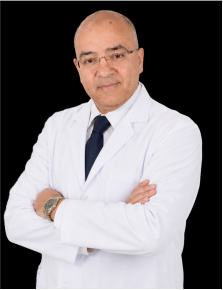
Dr. Sherif Hussein
Interventional Cardiology
Consultant of Cardiology, Cardiovascular Diseases & Interventional Cardiology
New Cairo - Cairo
Cairo International Airport
about 27 km away
Grand Egyptian Museum
about 47 km away
Dr. Sherif Hussein is a distinguished specialist in cardiology and interventional cardiology, with extensive experience in diagnosing and managing cardiovascular diseases in both adults and children. He is particularly recognized for his expertise in structural heart disease and advanced heart valve interventions, especially Transcatheter Aortic Valve Implantation (TAVI), one of the most advanced procedures in modern cardiology.
He holds a Doctorate Degree in Cardiology and is a Fellow of the American College of Cardiology (ACC). He is also a member of the Scientific Board of Interventional Cardiology, Vice Chairman of the Heart Valve Society, Fellow of the American Society for Cardiovascular Angiography and Interventions (SCAI), and holds the European Board Certification in Echocardiography and Transesophageal Echocardiography. These qualifications reflect his advanced expertise in managing complex cardiac conditions using the latest international standards and technologies.
Academic Qualifications & Professional Memberships
- Doctorate Degree in Cardiology.
- Fellow of the American College of Cardiology (ACC).
- Member of the Scientific Board of Interventional Cardiology.
- Vice Chairman of the Heart Valve Society.
- Fellow of the American Society for Cardiovascular Angiography and Interventions (SCAI).
- European Board Certification in Echocardiography and Transesophageal Echocardiography.
Coronary Artery Disease (CAD)
Coronary artery disease is one of the most common cardiovascular conditions and occurs when fatty deposits and cholesterol accumulate inside the arteries supplying blood to the heart muscle, reducing oxygen and blood flow.
Why does it happen?
- High cholesterol levels
- Diabetes mellitus
- Hypertension
- Smoking
- Obesity and physical inactivity
- Genetic predisposition
Possible symptoms
- Chest pain or pressure
- Shortness of breath
- Fatigue during physical activity
- Angina
- Heart attacks in advanced cases
Heart Valve Disease
Heart valves regulate blood flow through the chambers of the heart. When a valve becomes narrowed or leaks, the heart must work harder to maintain circulation, potentially leading to progressive heart dysfunction.
Common causes
- Age-related calcification
- Rheumatic heart disease
- Congenital abnormalities
- Valve infections
Symptoms
- Shortness of breath
- Persistent fatigue
- Leg swelling
- Irregular heartbeats
- Dizziness or fainting
Aortic Valve Stenosis
Aortic stenosis is one of the most serious and common valve diseases, particularly among older adults. It occurs when the aortic valve becomes narrowed due to calcification or degeneration, restricting blood flow from the heart to the rest of the body.
How does it affect patients?
As the valve narrows, the heart must exert greater effort to pump blood through the restricted opening. Over time, this increased workload may weaken the heart muscle and significantly impact quality of life.
Possible symptoms
- Severe shortness of breath
- Chest pain or tightness
- Dizziness or fainting
- Reduced exercise tolerance
- Heart failure in advanced stages
Transcatheter Aortic Valve Implantation (TAVI)
Transcatheter Aortic Valve Implantation (TAVI) is one of the most significant advancements in modern cardiology and has transformed the management of severe aortic valve stenosis.
Traditionally, patients with severe aortic valve disease required open-heart surgery for valve replacement. While effective, open-heart surgery may not be suitable for elderly patients or those with significant medical conditions that increase surgical risk.
TAVI offers a minimally invasive alternative by implanting a new valve through a catheter without opening the chest or stopping the heart. The new valve is positioned within the diseased valve, restoring normal blood flow and improving cardiac function.
Who may benefit from TAVI?
- Patients with severe aortic valve stenosis
- Individuals experiencing significant symptoms
- Elderly patients
- Patients considered high-risk for conventional surgery
Advantages of TAVI
- Avoids open-heart surgery in many cases
- Shorter hospital stay
- Faster recovery and return to daily activities
- Reduced surgical risk
- Significant improvement in blood flow and heart performance
- Improved quality of life for suitable patients
Dr. Sherif Hussein has advanced expertise in evaluating complex valve disease cases and identifying patients who may benefit from TAVI according to the latest international guidelines and heart team recommendations.
Congenital Heart Disease in Children
Congenital heart diseases are structural abnormalities that develop during fetal growth and may range from simple defects to complex conditions requiring specialized care.
Possible symptoms
- Feeding difficulties
- Poor growth
- Bluish discoloration of lips or extremities
- Shortness of breath
- Recurrent chest infections
Dr. Sherif Hussein has extensive experience in the assessment and follow-up of congenital heart conditions using advanced cardiac imaging techniques.
Heart Failure
Heart failure occurs when the heart muscle becomes unable to pump blood efficiently enough to meet the body's needs.
Common causes
- Coronary artery disease
- Heart valve disorders
- Long-standing hypertension
- Cardiomyopathy
Symptoms
- Shortness of breath
- Leg swelling
- Persistent fatigue
- Reduced physical capacity
Cardiac Arrhythmias
Abnormal heart rhythms can affect cardiac performance and blood circulation, ranging from mild disturbances to conditions requiring advanced evaluation.
Possible symptoms
- Palpitations
- Dizziness
- Fainting
- Shortness of breath
- Irregular heartbeat
Advanced Procedures & Technologies
Diagnostic Cardiac Catheterization
Used to evaluate coronary arteries and heart valve conditions with high precision.
Interventional Cardiology & Coronary Stenting
Advanced catheter-based procedures for treating coronary artery narrowing and blockages while restoring blood flow to the heart muscle.
Transcatheter Aortic Valve Implantation (TAVI)
One of the most advanced structural heart interventions available for treating severe aortic valve stenosis without conventional open-heart surgery in many suitable patients.
Advanced Echocardiography & Transesophageal Echocardiography
High-precision imaging techniques used to evaluate heart valves, cardiac chambers, and overall heart function.
Interventional Procedures for Congenital Heart Disease
Minimally invasive catheter-based techniques used to treat selected congenital heart defects.
Dr. Sherif Hussein is recognized as a leading specialist in interventional cardiology and structural heart disease, with particular expertise in advanced heart valve interventions including TAVI. His experience spans coronary artery disease, congenital heart conditions, heart failure, and complex cardiac procedures, providing patients with access to modern, evidence-based cardiovascular care.
Booking Through Macrocare
Appointments with Dr. Sherif Hussein can be arranged through Macrocare, including medical report review, appointment coordination, and comprehensive treatment planning support.
Procedures
Treatments by Dr. Sherif Hussein
Procedures this provider offers, with real starting prices.
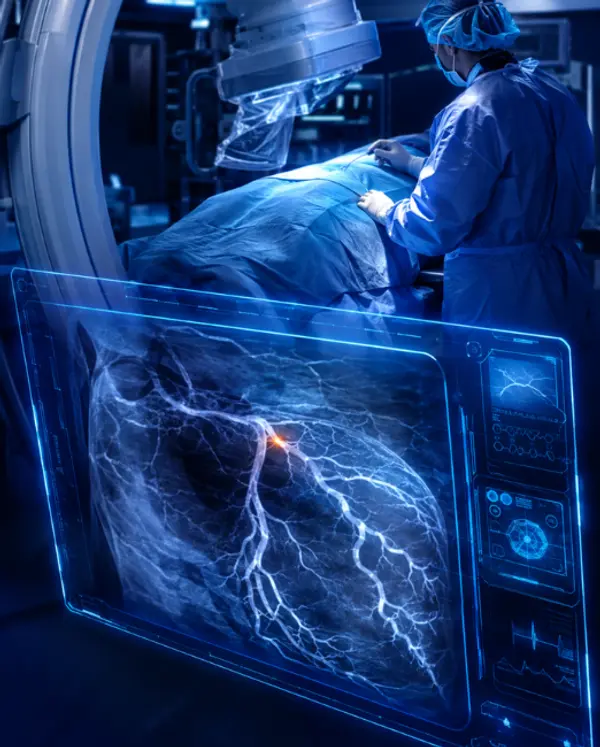
Coronary Angiogram
Min 1 days

Vascular Surgery (Varicose Vein Removal)
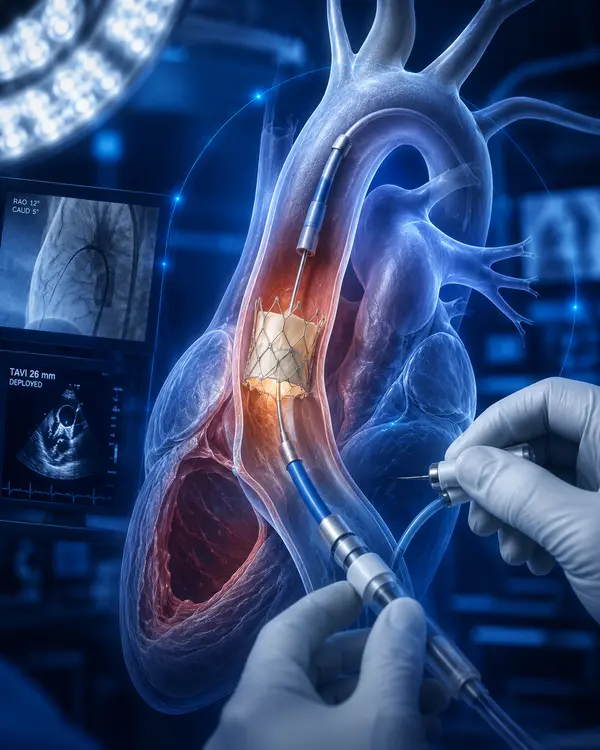
Transcatheter Aortic Valve Replacement (TAVI/TAVR)
Listed prices only — travel and stay are estimated separately. Final cost confirmed on your free quotation. Rates as of 2026-07-20.