
Dr. Shady Mansi
Cardiology
Consultant of Cardiology & Vascular Medicine PhD in Cardiology Interventional Cardiologist & Coronary Angioplasty Specialist
New Cairo - Cairo
Cairo Festival City Mall
about 3 km away
Dr. Shady Mansi is a Consultant of Cardiology and Cardiovascular Medicine, with a Doctorate in Cardiovascular Medicine and advanced expertise in interventional cardiology, coronary angiography, coronary artery disease, PCI, coronary stenting, heart failure, cardiac CT, structural heart disease, and transcatheter aortic valve implantation – TAVI.
He is also a Consultant in Cardiac Catheterization and Coronary Artery Intervention, holds the American Board in Cardiac CT, is a Member of the European Heart Failure Association, and has advanced expertise in transcatheter heart valve procedures.
Dr. Shady Mansi also holds an international license in Transcatheter Aortic Valve Implantation – TAVI, allowing him to evaluate and manage patients with severe aortic stenosis using advanced catheter-based valve replacement techniques.
Through Macrocare, patients can submit ECGs, echocardiograms, cardiac CT scans, coronary angiography images, previous stent reports, and valve assessments for case review and appointment coordination with Dr. Shady Mansi.
Dr. Shady Mansi’s Specialties
His areas of expertise include:
Cardiology and cardiovascular medicine.
Interventional cardiology.
Coronary angiography.
Coronary artery disease.
Percutaneous Coronary Intervention – PCI.
Coronary stent implantation.
Acute myocardial infarction management.
Emergency PCI.
Cardiac CT.
CT Coronary Angiography.
Coronary Calcium Score.
Heart failure management.
Left ventricular dysfunction.
Valvular heart disease.
Aortic stenosis.
TAVI.
TAVR.
Transcatheter aortic valve implantation.
Pre-TAVI assessment.
Echocardiography.
ECG.
Holter monitoring.
Ambulatory blood pressure monitoring.
Post-PCI follow-up.
Post-myocardial infarction follow-up.
Chest pain assessment.
Dyspnea evaluation.
Heart Failure with Dr. Shady Mansi
Heart Failure is a condition in which the heart is unable to pump blood efficiently enough to meet the body’s needs.
Symptoms may include:
Shortness of breath.
Fatigue.
Swelling of the legs.
Difficulty lying flat.
Palpitations.
Fluid retention.
Reduced exercise tolerance.
Evaluation of Heart Failure
Assessment may include:
ECG.
Echocardiography.
Ejection Fraction – EF.
Kidney and liver function tests.
BNP or NT-proBNP in selected patients.
Holter monitoring when arrhythmia is suspected.
Coronary artery assessment when ischemic heart disease is possible.
Cardiac CT or coronary angiography in appropriate cases.
What Is Ejection Fraction?
Ejection Fraction – EF is one of the most commonly used measurements of left ventricular pumping function.
Heart failure may be classified into:
Heart Failure with Reduced Ejection Fraction – HFrEF.
Heart Failure with Mildly Reduced EF – HFmrEF.
Heart Failure with Preserved EF – HFpEF.
Treatment decisions are based on the overall clinical picture, not EF alone.
Heart Failure Treatment
Management may include:
Blood pressure control.
Fluid management.
Guideline-directed medical therapy.
Treatment of coronary artery disease.
Management of arrhythmias.
Assessment for pacemakers or advanced cardiac devices in selected patients.
Lifestyle modification.
Serial echocardiographic follow-up.
Follow-Up for Heart Failure Patients
Follow-up focuses on:
Symptom monitoring.
Body weight.
Fluid retention.
Blood pressure.
Ejection fraction.
Medication optimization.
Kidney function and electrolytes.
Reducing hospital readmission risk.
Coronary Artery Disease with Dr. Shady Mansi
Coronary Artery Disease – CAD occurs when the arteries supplying the heart become narrowed or blocked.
Symptoms may include:
Chest pain or pressure.
Shortness of breath.
Pain radiating to the arm or jaw.
Reduced exercise tolerance.
Sweating.
Nausea.
Acute heart attack in severe cases.
Diagnosis of Coronary Artery Disease
Evaluation may include:
ECG.
Echocardiography.
Cardiac CT.
CT Coronary Angiography.
Stress testing in selected patients.
Coronary angiography.
The appropriate test depends on symptoms and the likelihood of significant coronary disease.
Cardiac CT with Dr. Shady Mansi
Dr. Shady Mansi has specialized expertise in Cardiac CT and holds the American Board in Cardiac CT.
CT Coronary Angiography – CTCA allows non-invasive evaluation of the coronary arteries.
It may help with:
Detecting coronary calcification.
Identifying areas of narrowing.
Assessing coronary plaque.
Evaluating coronary anatomy.
Excluding significant coronary disease in selected patients.
Deciding whether invasive angiography may be necessary.
Coronary Calcium Score
Coronary Calcium Scoring measures calcified plaque in the coronary arteries.
It can be useful in cardiovascular risk assessment in selected patients.
The result is interpreted alongside:
Age.
Blood pressure.
Diabetes.
Cholesterol.
Smoking history.
Family history.
CT Coronary vs Coronary Angiography
CT Coronary Angiography is a non-invasive imaging test.
Invasive Coronary Angiography uses a catheter inserted into the arterial system and can be immediately followed by PCI and stent implantation if appropriate.
The choice depends on symptoms, risk profile, and clinical findings.
Coronary Angiography with Dr. Shady Mansi
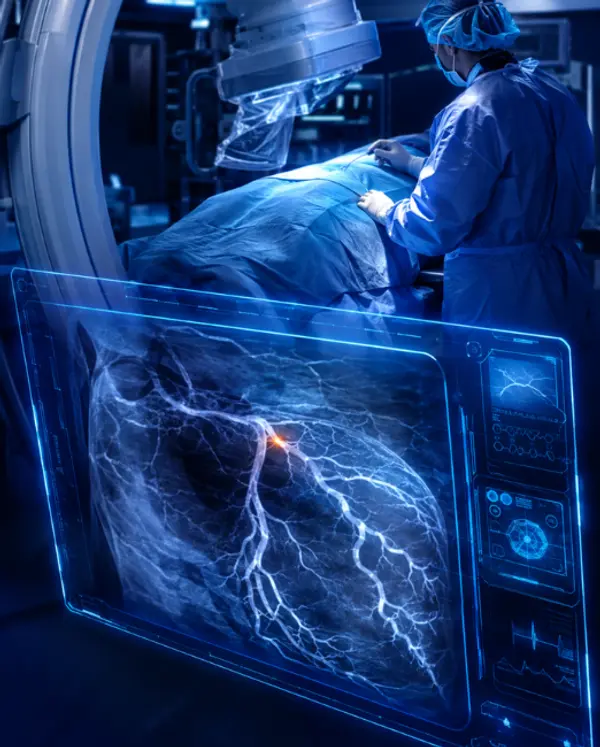
Coronary Angiography is used to identify the location and severity of coronary artery narrowing.
It may be:
Diagnostic only.
Diagnostic and therapeutic in the same session.
PCI and Coronary Stent Implantation
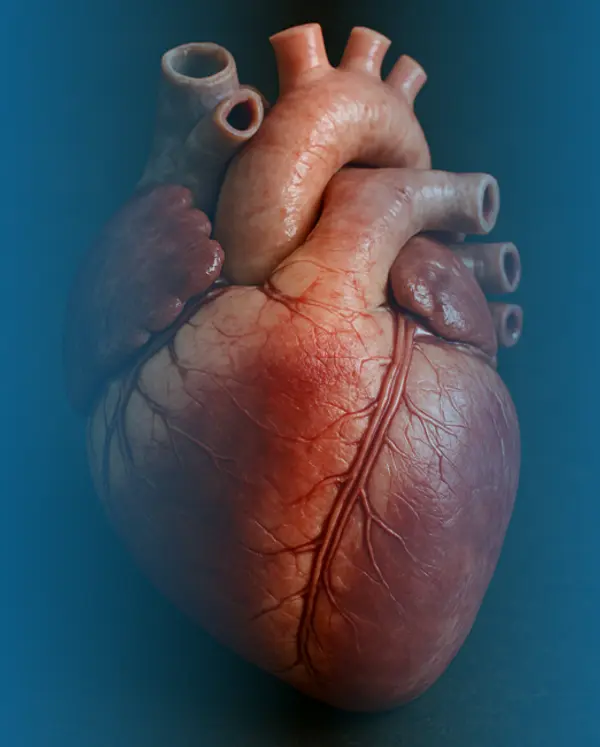
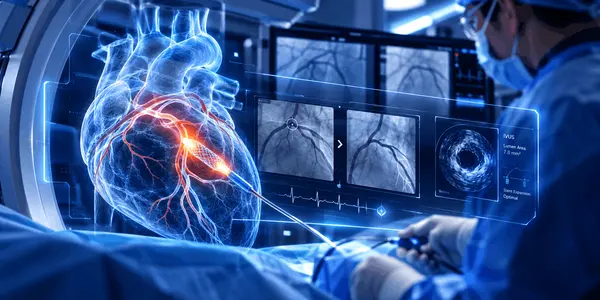
Percutaneous Coronary Intervention – PCI is a catheter-based procedure used to open a narrowed or blocked coronary artery.
It may involve:
Crossing the lesion with a guidewire.
Balloon angioplasty.
Coronary stent placement.
Confirmation of restored blood flow.
What Is a Coronary Stent?
A Coronary Stent is a small metallic scaffold placed inside an artery to help keep it open after angioplasty.
Drug-Eluting Stents – DES are commonly used to reduce the risk of restenosis.
Does Every Coronary Narrowing Need a Stent?
No.
The decision depends on:
Severity of narrowing.
Location.
Symptoms.
Evidence of ischemia.
Number of vessels involved.
Heart function.
Diabetes.
Suitability for surgery or medical treatment.
Follow-Up After Stent Implantation
Follow-up may include:
Adherence to antiplatelet therapy.
Cholesterol control.
Blood pressure management.
Diabetes control.
Smoking cessation.
Symptom monitoring.
Gradual return to activity.
Routine cardiology follow-up.
Patients should not stop antiplatelet medication after stent implantation without discussing it with their cardiologist.
Acute Myocardial Infarction
An Acute Myocardial Infarction – Heart Attack usually occurs when a coronary artery becomes suddenly blocked.
Symptoms may include:
Severe chest pressure.
Shortness of breath.
Cold sweating.
Nausea.
Arm or jaw pain.
Dizziness or fainting.
It is a medical emergency.
Emergency PCI for Heart Attack
In selected patients with ST-Elevation Myocardial Infarction – STEMI, Primary PCI is performed urgently to reopen the blocked artery.
The aim is to restore blood flow rapidly and limit heart muscle damage.
Follow-Up After a Heart Attack
Post-heart-attack care may include:
Assessment of heart function.
Review of stents.
Medication optimization.
Cholesterol management.
Blood pressure control.
Diabetes management.
Cardiac rehabilitation.
Secondary prevention.
TAVI with Dr. Shady Mansi
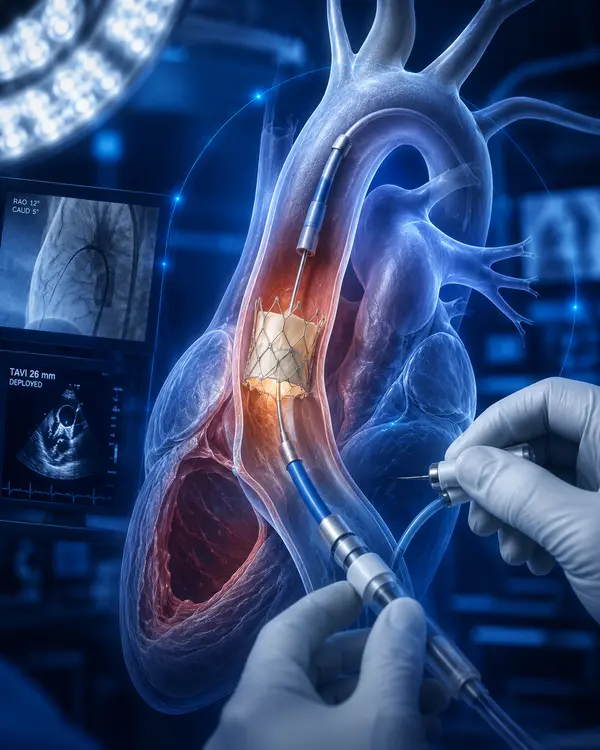
TAVI – Transcatheter Aortic Valve Implantation is a catheter-based procedure used to replace a severely narrowed aortic valve without conventional open-heart surgery in appropriately selected patients.
Dr. Shady Mansi has advanced expertise in TAVI and holds an international license in transcatheter aortic valve implantation.
What Is Aortic Stenosis?
Aortic Stenosis occurs when the aortic valve becomes narrowed and does not open normally.
Symptoms may include:
Shortness of breath.
Chest pain.
Dizziness.
Fainting.
Fatigue.
Heart failure in advanced disease.
When Does Aortic Stenosis Need Intervention?
The decision depends on:
Severity of stenosis.
Symptoms.
Valve area.
Blood flow velocity.
Left ventricular function.
Patient age.
Surgical risk.
Assessment Before TAVI
Pre-TAVI evaluation may include:
Echocardiography.
CT TAVI Protocol.
CT Angiography of the access vessels.
Coronary assessment.
ECG.
Blood tests.
Kidney function.
Surgical risk assessment.
Heart Team evaluation.
Cardiac CT Before TAVI
CT plays a major role in TAVI planning.
It is used to evaluate:
Aortic annulus.
Valve size.
Valve anatomy.
Calcium distribution.
Coronary ostia.
Aorta.
Iliac arteries.
Femoral arteries.
Best access route.
This is particularly relevant because Dr. Shady Mansi combines expertise in Cardiac CT and TAVI.
How Is TAVI Performed?
In many patients, the new valve is introduced through the femoral artery.
The replacement valve is advanced by catheter to the diseased aortic valve and deployed in the correct position.
The exact valve type and technique depend on each patient’s anatomy.
TAVI vs Open-Heart Aortic Valve Replacement
There is no single best option for every patient.
The choice between TAVI and Surgical Aortic Valve Replacement – SAVR depends on:
Age.
Surgical risk.
Valve anatomy.
Vascular access.
Other cardiac conditions.
Valve durability considerations.
Heart Team assessment.
Is TAVI Only for Elderly Patients?
TAVI was initially used mainly in high-risk and elderly patients, but its use has expanded to broader patient groups depending on age, anatomy, and multidisciplinary assessment.
Cardiac Tests with Dr. Shady Mansi
Common cardiac investigations include:
ECG.
Echocardiography.
Holter ECG.
24-Hour Blood Pressure Monitoring.
Cardiac CT.
CT Coronary Angiography.
Coronary Calcium Score.
Coronary Angiography when indicated.
Electrocardiogram – ECG
ECG records the electrical activity of the heart.
It may help identify:
Acute myocardial infarction.
Arrhythmias.
Conduction abnormalities.
Signs of chamber enlargement.
Echocardiography
Echocardiography – Echo uses ultrasound to evaluate:
Heart pumping function.
Wall motion.
Valves.
Chamber size.
Pulmonary artery pressure.
Selected structural abnormalities.
Holter Monitoring
Holter Monitoring continuously records the heart rhythm, usually for 24–48 hours or longer depending on the device.
It is useful in evaluating:
Palpitations.
Dizziness.
Fainting.
Intermittent arrhythmias.
Ambulatory Blood Pressure Monitoring
24-Hour Ambulatory Blood Pressure Monitoring – ABPM records blood pressure throughout the day and night.
It may help diagnose:
Hypertension.
White-coat hypertension.
Treatment response.
Nighttime blood pressure abnormalities.
Chest Pain Assessment with Dr. Shady Mansi
Chest pain has many possible causes and is not always cardiac.
Cardiac assessment is particularly important when pain is:
Triggered by exertion.
Described as pressure or heaviness.
Radiating to the arm or jaw.
Associated with shortness of breath.
Occurring in patients with diabetes.
Associated with hypertension.
Associated with high cholesterol.
Associated with smoking.
Associated with a strong family history of coronary artery disease.
Shortness of Breath and Heart Disease
Dyspnea may be related to:
Heart failure.
Valvular heart disease.
Coronary ischemia.
Arrhythmia.
Lung disease.
Anemia.
Other conditions.
Accurate evaluation is important before treatment.
Arrhythmia Assessment
Heart rhythm disorders may present with:
Palpitations.
Rapid heartbeat.
Slow heart rate.
Irregular pulse.
Dizziness.
Fainting.
Evaluation may include ECG, Holter monitoring, and other investigations depending on symptoms.
Prevention After PCI and Heart Attack
An essential part of treatment is Secondary Prevention.
This may include:
Cholesterol reduction.
Blood pressure control.
Diabetes management.
Smoking cessation.
Appropriate physical activity.
Medication adherence.
Weight management.
Regular follow-up.
Dr. Shady Mansi’s Treatment Approach
Dr. Shady Mansi combines advanced cardiac imaging with catheter-based cardiovascular intervention when appropriate.
His approach includes:
Detailed symptom assessment.
ECG and echocardiography.
Cardiac CT when indicated.
Coronary artery evaluation.
Selection of patients for angiography and PCI.
Comprehensive assessment before TAVI.
Heart failure management.
Secondary prevention after stenting or myocardial infarction.
Long-term cardiovascular risk management.
Dr. Shady Mansi’s Qualifications and Professional Experience
Dr. Shady Mansi is:
Consultant of Cardiology and Cardiovascular Medicine.
Doctorate holder in Cardiovascular Medicine.
Consultant in Cardiac Catheterization and Coronary Artery Intervention.
American Board certified in Cardiac CT.
Member of the European Heart Failure Association.
Consultant in Transcatheter Heart Valve Procedures.
Holder of an international license in Transcatheter Aortic Valve Implantation – TAVI.
Why Do Patients Consult Dr. Shady Mansi?
Patients may seek an evaluation with Dr. Shady Mansi for:
Cardiology – interventional cardiology – coronary angiography – coronary artery disease – coronary stent implantation – PCI – Cardiac CT – CT Coronary Angiography – heart failure – reduced ejection fraction – aortic stenosis – TAVI – TAVR – acute myocardial infarction – chest pain – shortness of breath – follow-up after coronary stenting.
Book an Appointment with Dr. Shady Mansi Through Macrocare
If you are searching for:
Dr. Shady Mansi cardiologist
Dr. Shady Mansi interventional cardiologist
Dr. Shady Mansi TAVI
Dr. Shady Mansi Cardiac CT
Dr. Shady Mansi coronary stent
Interventional cardiologist in Egypt
Coronary stent specialist in Egypt
TAVI specialist in Egypt
Transcatheter aortic valve specialist Egypt
Cardiac CT specialist Egypt
CT Coronary specialist Egypt
Heart failure specialist Egypt
Coronary artery disease specialist Egypt
or you need an expert opinion regarding chest pain, coronary artery disease, previous heart attack, heart failure, severe aortic stenosis, coronary stenting, or TAVI, you can submit the case to Macrocare.
What Should Patients Send for Coronary Artery Disease Review?
It is useful to provide:
ECG.
Echocardiography.
CT Coronary Angiography if available.
Coronary angiography if previously performed.
Original angiography images.
Previous stent reports.
Troponin results if the event was recent.
Lipid profile.
Kidney function.
Current medication list.
What Should Patients Send for TAVI Review?
It is useful to provide:
Echocardiography.
Aortic stenosis severity report.
CT TAVI Protocol if available.
Coronary angiography.
ECG.
Kidney function.
CBC.
Previous operative history.
Current medications.
Age, height, and weight.
Relevant chronic conditions.
What Should Patients Send for Heart Failure Review?
Patients should preferably provide:
Most recent echocardiogram.
Ejection fraction.
ECG.
Holter results if available.
Cardiac MRI or Cardiac CT if performed.
Previous coronary angiography reports.
Relevant blood tests.
Current medications.
History of previous heart failure admissions.
The Macrocare team can help organize the medical file and coordinate the appropriate consultation or appointment with Dr. Shady Mansi.
Frequently Asked Questions About Dr. Shady Mansi
What Is Dr. Shady Mansi’s Specialty?
Dr. Shady Mansi is a Consultant Cardiologist and Interventional Cardiologist specializing in coronary artery disease, cardiac catheterization, Cardiac CT, heart failure, and TAVI.
Is Dr. Shady Mansi an Interventional Cardiologist?
Yes. He is a Consultant in Cardiac Catheterization and Coronary Artery Intervention, including diagnostic angiography, PCI, and coronary stent implantation.
Does Dr. Shady Mansi Perform Coronary Stent Procedures?
Yes. His expertise includes PCI and coronary stent implantation for appropriately selected patients.
Is Dr. Shady Mansi Specialized in Cardiac CT?
Yes. He holds the American Board in Cardiac CT and has expertise in CT Coronary Angiography and advanced cardiac imaging.
Does Dr. Shady Mansi Perform CT Coronary Angiography?
His expertise includes the evaluation and interpretation of Cardiac CT and CT Coronary Angiography for non-invasive coronary artery assessment.
Does Dr. Shady Mansi Treat Heart Failure?
Yes. His practice includes assessment and management of Heart Failure, including evaluation of ejection fraction and long-term follow-up.
Is Dr. Shady Mansi a Member of a Heart Failure Association?
Yes. He is a Member of the European Heart Failure Association.
Does Dr. Shady Mansi Perform TAVI?
Yes. He is a Consultant in transcatheter heart valve procedures and holds an international license in TAVI.
What Is TAVI?
TAVI is a catheter-based procedure used to replace a severely narrowed aortic valve without conventional open-heart surgery in appropriate patients.
Is TAVI Suitable for Every Patient with Aortic Stenosis?
No. Patients require comprehensive evaluation including echocardiography, CT, coronary assessment, general health review, and Heart Team discussion.
Is CT Required Before TAVI?
Yes. CT TAVI planning is one of the key investigations used to assess the aortic annulus, vascular access, coronary anatomy, and appropriate valve sizing.
What Is the Difference Between TAVI and Surgical Valve Replacement?
TAVI is performed through a catheter, while SAVR is performed through cardiac surgery. The appropriate option depends on age, anatomy, surgical risk, and other medical factors.
Does Dr. Shady Mansi Treat Acute Heart Attacks?
Yes. His interventional cardiology expertise includes urgent coronary intervention in appropriately selected patients with acute myocardial infarction.
Does Every Coronary Blockage Need a Stent?
No. Some patients are best treated medically, others by PCI, and some by coronary bypass surgery depending on the anatomy and clinical situation.
Can I Get a Second Opinion Before Coronary Stenting?
Yes. Coronary angiography or CT Coronary images can be reviewed to assess whether PCI, medical treatment, or another option is more appropriate.
Can I Get a Second Opinion Before TAVI?
Yes. Patients can submit echocardiography, CT TAVI, and coronary angiography for review before proceeding with valve implantation.
Can International Patients Receive a Case Review Before Traveling to Egypt?
Yes. Patients can submit their cardiac records through Macrocare for case review and coordination before traveling to Egypt.
How Can I Book an Appointment with Dr. Shady Mansi?
You can send the patient’s medical reports, ECG, echocardiography, CT Coronary Angiography, or previous coronary angiography to Macrocare. The team can help organize the case and coordinate the appropriate consultation or procedure with Dr. Shady Mansi.
Procedures
Treatments by Dr. Shady Mansi
Procedures this provider offers, with real starting prices.
Coronary Angiogram
Min 1 days
Angioplasty and Stent Placement
Chronic Total Occlusion (CTO)
Min 3 days
Transcatheter Aortic Valve Replacement (TAVI/TAVR)
Listed prices only — travel and stay are estimated separately. Final cost confirmed on your free quotation. Rates as of 2026-07-20.
Also offered
These services are available at this provider; prices are provided on request.