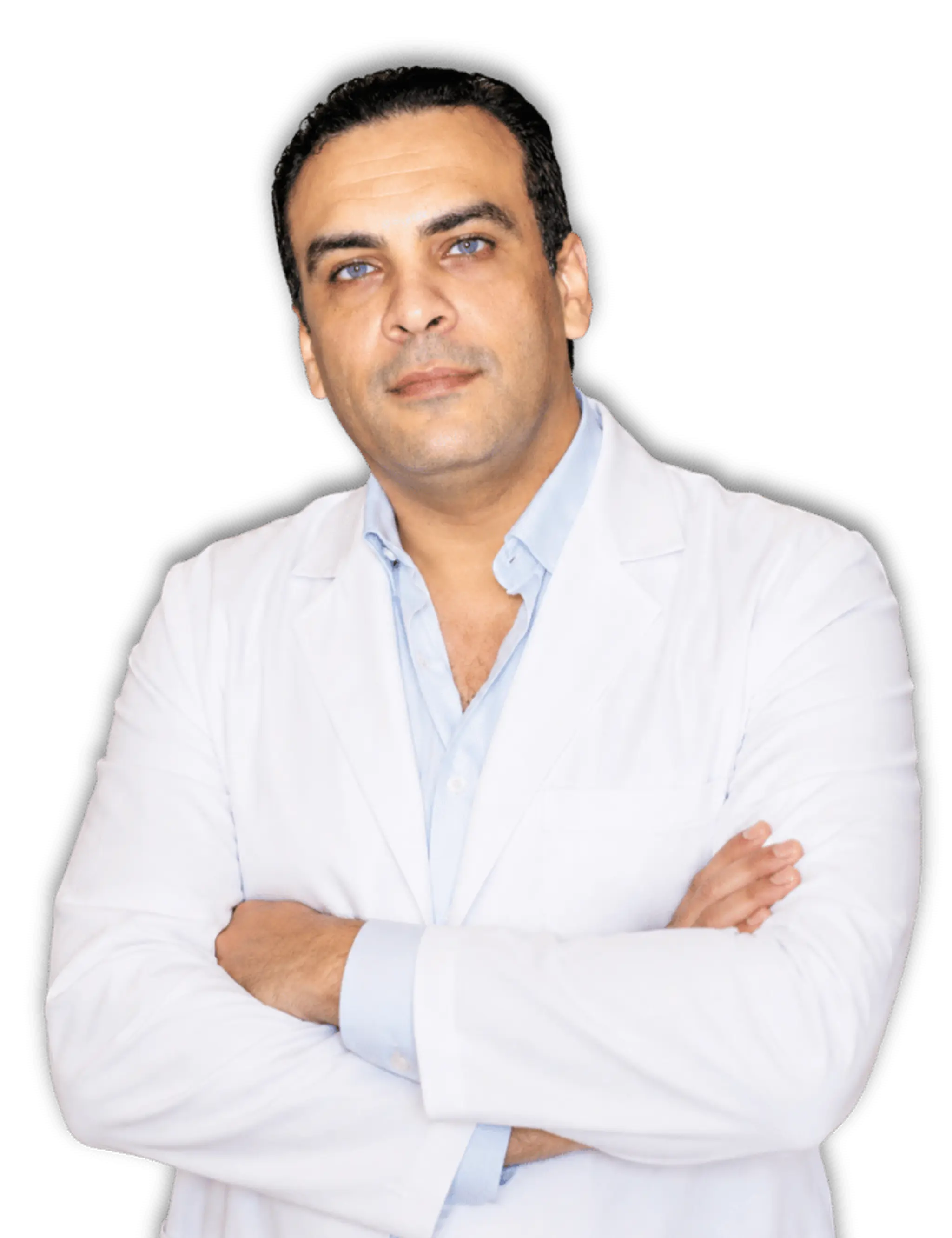
Dr. Mohamed Riyad Warda
Vascular Surgery
General, Laparoscopic, Bariatric & Vascular Surgeon
Nasr City - Cairo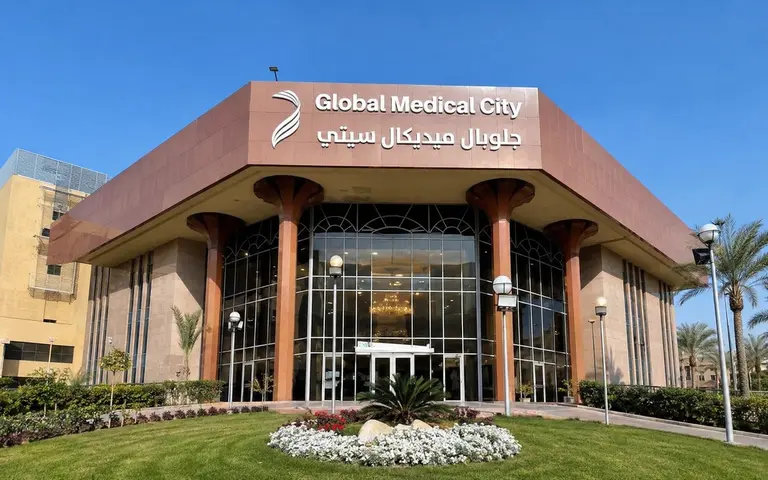
Cairo International Airport
about 35 km away
Grand Egyptian Museum
about 45 km away
Dr. Mohamed Riyad Warda is a Consultant in General Surgery, Laparoscopic Surgery, Bariatric Surgery, Endocrine and Neck Surgery, as well as Vascular Surgery and Endovascular Intervention.
His areas of expertise include minimally invasive surgery, bariatric procedures, endocrine and neck surgery, aortic surgery, and catheter-based treatment of peripheral arterial disease. His vascular practice includes the evaluation and treatment of arterial narrowing and blockage, with endovascular intervention considered when appropriate.
Dr. Mohamed Riyad Warda holds a PhD in General Surgery from Ain Shams University, a Fellowship of the Royal College of Surgeons of England, and a Diploma in Laparoscopic Surgery from the University of Strasbourg in France. He has also completed advanced fellowships in aortic surgery and peripheral arterial endovascular intervention in Germany.
Patients can submit their medical records through Macrocare for case review and coordination of consultation and treatment in Egypt.
Specialties of Dr. Mohamed Riyad Warda
General Surgery
Laparoscopic Surgery
Bariatric Surgery
Endocrine and Neck Surgery
Vascular Surgery
Endovascular Intervention
Aortic Surgery
Peripheral Arterial Intervention
Peripheral Arterial Disease
Minimally Invasive Surgery
Bariatric Surgery with Dr. Mohamed Riyad Warda
Bariatric surgery includes surgical procedures designed to support significant and sustained weight loss in patients who meet appropriate medical criteria.
Before surgery, patients are evaluated based on factors such as Body Mass Index (BMI), obesity-related medical conditions, previous weight-loss attempts, medical history, and overall suitability for surgery.
Different bariatric procedures may be considered depending on the patient's condition. The appropriate procedure is determined after a comprehensive medical and surgical assessment.
Laparoscopic Surgery
Laparoscopic Surgery is a minimally invasive surgical approach that uses small incisions, a camera, and specialized surgical instruments.
Laparoscopic techniques can be used for various abdominal procedures and may be considered when clinically appropriate. The choice between laparoscopic and open surgery depends on the specific procedure, anatomy, medical condition, and surgical requirements.
Endocrine and Neck Surgery
Endocrine and neck surgery includes procedures for selected conditions affecting endocrine glands, including the thyroid and parathyroid glands.
Evaluation may include blood tests, ultrasound, and tissue assessment such as Fine Needle Aspiration (FNA) when indicated. Surgery is recommended when the diagnosis and clinical assessment support the need for an operative approach.
Vascular Surgery and Endovascular Intervention
Dr. Mohamed Riyad Warda also specializes in Vascular Surgery and Endovascular Intervention, with advanced training in aortic surgery and peripheral arterial catheter-based treatment.
Endovascular procedures allow selected vascular conditions to be treated from inside the blood vessel using a catheter. Depending on the condition, treatment may involve balloon angioplasty, stent placement, or other vascular techniques.
Peripheral Arterial Disease and Arterial Blockage
Peripheral Arterial Disease (PAD) occurs when arteries supplying the limbs become narrowed or blocked, reducing blood flow to the legs or feet.
Symptoms may include leg pain during walking, coldness of the limb, reduced pulses, or wounds that are slow to heal in more advanced cases.
In selected patients, Peripheral Endovascular Intervention may be used to improve blood flow. The treatment approach depends on the location, severity, and length of the arterial blockage and the patient's vascular anatomy.
Aortic Surgery
The Aorta is the body's largest artery. Aortic conditions may include aneurysms and other disorders that can require surveillance, endovascular treatment, or open surgery depending on the specific diagnosis.
Dr. Mohamed Riyad Warda has advanced fellowship training in Aortic Surgery, with treatment decisions based on the location and characteristics of the vascular condition, imaging findings, and the patient's overall health.
Endovascular Treatment of Aortic Aneurysms
An Aortic Aneurysm is an abnormal enlargement of part of the aorta. Management depends on factors such as aneurysm size, location, growth, symptoms, and vascular anatomy.
For selected patients, Endovascular Aneurysm Repair (EVAR) may be considered. This technique uses a covered stent graft delivered through the blood vessels to exclude the aneurysm from direct blood flow.
EVAR is not appropriate for every patient, and detailed vascular imaging is required to determine whether the anatomy is suitable.
Peripheral Arterial Endovascular Intervention
Peripheral Endovascular Intervention can be used in selected patients with arterial stenosis or occlusion.
Depending on the vascular lesion, treatment may include:
Balloon Angioplasty
Stent Placement
Other catheter-based vascular techniques
The appropriate procedure depends on the location and characteristics of the arterial disease and the patient's overall condition.
Treatment Approach of Dr. Mohamed Riyad Warda
Dr. Mohamed Riyad Warda's approach begins with a detailed assessment of the patient's diagnosis, symptoms, medical history, imaging, and laboratory investigations when required.
For general and bariatric surgery, the decision to operate and the surgical technique are determined according to the patient's condition and the specific procedure.
For vascular disease, the treatment plan may involve medical management, surveillance, endovascular intervention, or open vascular surgery depending on the severity and anatomy of the disease.
When clinically appropriate, minimally invasive approaches may be considered.
Experience and Qualifications of Dr. Mohamed Riyad Warda
Dr. Mohamed Riyad Warda holds:
PhD in General Surgery – Ain Shams University.
Fellowship of the Royal College of Surgeons of England FRCS.
Diploma in Laparoscopic Surgery – University of Strasbourg, France.
Fellowship in Aortic Surgery – University of Cologne, Germany.
Fellowship in Peripheral Arterial Endovascular Intervention – University of Kiel, Germany.
He is a Consultant in General Surgery, Laparoscopic Surgery, Bariatric Surgery, Endocrine and Neck Surgery, Vascular Surgery, and Endovascular Intervention.
He is also a member of the Egyptian and European Societies of Laparoscopic Surgery and a member of the Egyptian Society of Vascular Surgery.
Why Patients Consult Dr. Mohamed Riyad Warda
Patients may seek consultation with Dr. Mohamed Riyad Warda for:
Bariatric surgery
Laparoscopic surgery
General surgical conditions
Thyroid and endocrine surgery
Neck surgery
Vascular surgery
Peripheral arterial disease
Arterial stenosis and blockage
Peripheral endovascular intervention
Aortic aneurysm assessment
Aortic surgery
Minimally invasive vascular procedures
Booking an Appointment with Dr. Mohamed Riyad Warda Through Macrocare
Patients searching for Dr. Mohamed Riyad Warda General Surgeon, Dr. Mohamed Riyad Warda Bariatric Surgeon, Dr. Mohamed Riyad Warda Vascular Surgeon, or Endovascular Intervention in Egypt can submit their medical case to Macrocare.
Macrocare can assist with:
Organizing medical reports and imaging.
Coordinating medical case review.
Arranging a consultation with Dr. Mohamed Riyad Warda.
Coordinating hospital arrangements when required.
Assisting with treatment cost estimates before travel when available.
Supporting international patients with their treatment journey in Egypt.
Medical Documents for Case Review
The required documents depend on the reason for consultation.
For Bariatric and General Surgery:
Recent medical reports.
Recent laboratory tests.
Ultrasound, endoscopy, or previous imaging when relevant.
Height, weight, and BMI.
Medical history and current medications.
Previous surgical reports.
For Endocrine and Neck Conditions:
Thyroid function tests.
Thyroid or neck ultrasound.
FNA or biopsy results, if performed.
Previous imaging and medical reports.
For Vascular Conditions:
Arterial Doppler or Duplex Ultrasound.
CT Angiography (CTA), when available.
MR Angiography (MRA), when relevant.
Previous angiography or vascular surgery reports.
Current medication list, particularly anticoagulants.
Does Dr. Mohamed Riyad Warda Perform Bariatric Surgery?
Dr. Mohamed Riyad Warda is a Consultant in Bariatric Surgery as well as General and Laparoscopic Surgery. The suitability and type of bariatric procedure depend on the patient's BMI, medical conditions, medical history, and overall surgical assessment.
Does Dr. Mohamed Riyad Warda Perform Laparoscopic Surgery?
Yes, laparoscopic surgery is one of Dr. Mohamed Riyad Warda's areas of specialization, and he holds a Diploma in Laparoscopic Surgery from the University of Strasbourg in France. Whether laparoscopy is appropriate depends on the specific surgical condition and procedure.
What Conditions May Require Endocrine and Neck Surgery?
Selected thyroid and parathyroid conditions may require surgery. The decision depends on the diagnosis, symptoms, laboratory results, ultrasound findings, biopsy results when applicable, and the patient's overall medical condition.
Can Peripheral Arterial Blockage Be Treated Without Open Surgery?
Some peripheral arterial stenoses and blockages can be treated using Endovascular Intervention, including balloon angioplasty and stent placement. Other cases may require open surgery or medical management depending on the anatomy and severity of the disease.
When Does an Aortic Aneurysm Require Treatment?
The need for intervention depends on factors including the aneurysm's size, location, growth rate, symptoms, shape, and the patient's overall condition. Some aneurysms can be monitored, while others may require open or endovascular treatment.
What Is the Difference Between Open Aortic Surgery and Endovascular Treatment?
Open aortic surgery involves direct surgical access to the affected section of the aorta. Endovascular Treatment uses catheters and stent grafts to treat selected conditions from inside the blood vessels.
The appropriate approach depends on the patient's anatomy, the vascular condition, and the suitability of each treatment option.
What Tests Are Needed Before Peripheral Endovascular Intervention?
Assessment may include Doppler or Duplex Ultrasound, CT Angiography, laboratory testing, and other investigations according to the planned procedure and the patient's medical condition.
Is Bariatric Surgery Suitable for Every Patient with Obesity?
No. Bariatric surgery is not appropriate for every patient with obesity. Suitability depends on factors such as BMI, obesity-related medical conditions, previous weight-loss efforts, medical history, and the patient's ability to follow the required long-term medical and nutritional follow-up.
Can Patients Submit Their Medical Records Before Traveling to Egypt?
Yes. Patients can submit available medical records through Macrocare for organization and case review, followed by coordination of a consultation with Dr. Mohamed Riyad Warda when appropriate.
How Can I Book a Consultation with Dr. Mohamed Riyad Warda?
Patients can submit their medical reports and imaging through Macrocare. The medical file can then be organized for case review and consultation coordination, with hospital and treatment arrangements supported when required.
Treatments by Dr. Mohamed Riyad Warda
Procedures this provider offers, with real starting prices.

Listed prices only — travel and stay are estimated separately. Final cost confirmed on your free quotation. Rates as of 2026-07-20.