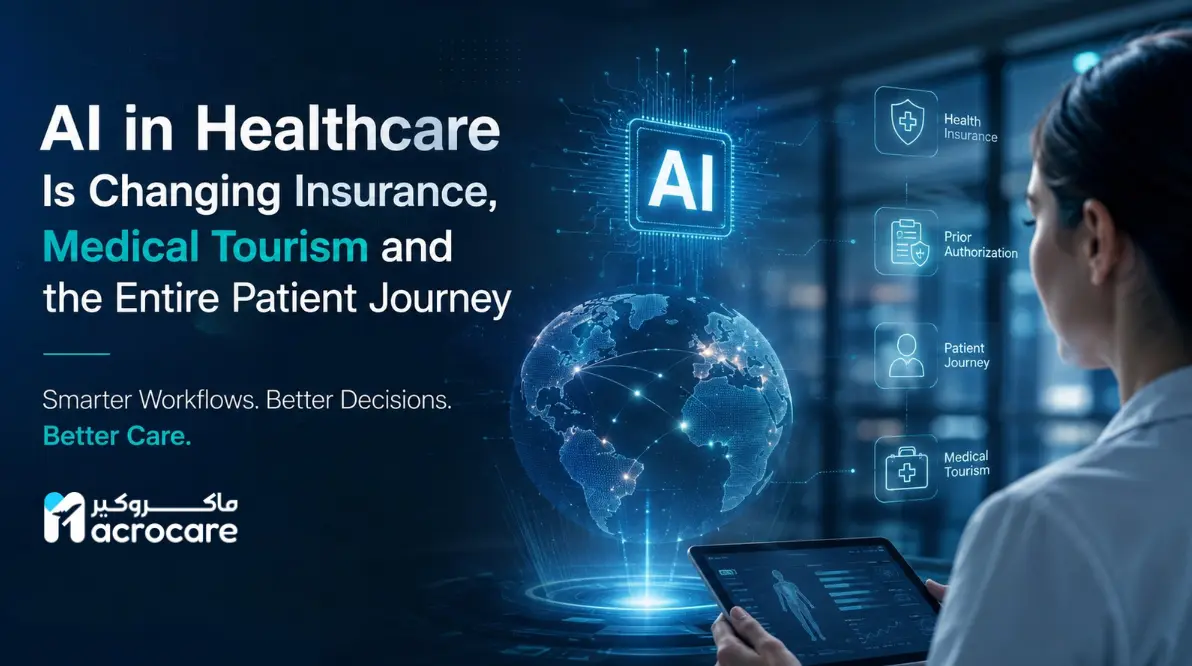
The Danger of Remote Medical Diagnosis or AI-Based Assessment in Oncology – Protecting the Patient Starts with the Doctor’s Examination
In recent years, the world has witnessed a surge in remote medical diagnosis, driven by technological advancements and the evolution of digital health platforms. Today, patients can communicate with healthcare providers online, receive instant consultations, and even get preliminary treatment recommendations. While these innovations are convenient, a disturbing trend has emerged—particularly in the field of oncology—where diagnosis without clinical examination poses a real and growing threat to patients’ lives.
In a highly specialized field like cancer treatment, relying on tools such as artificial intelligence in medicine or responding to marketing messages that urge patients to start treatment journeys without a physician’s physical evaluation can lead to serious, unforeseen consequences. Unfortunately, some platforms and centers promote seemingly professional services that lack fundamental standards of medical practice, such as clinical examination or case review by a specialized doctor.
Many patients don’t realize that cancer is not a one-size-fits-all disease. Each case requires deep analysis and a tailored treatment strategy. The real danger arises when general or rapid solutions are offered without a physical exam or in-depth review of test results and symptoms.
When Artificial Intelligence Becomes a Health Hazard
As healthcare technology rapidly evolves, AI in medicine has become a widely used tool to deliver health services, especially through telemedicine and remote diagnosis platforms. While such solutions open new doors for patients and improve access to care, their misuse in delicate fields like cancer screening can lead to severe consequences.
Some platforms promote their ability to offer “instant diagnoses,” while others attract patients through ads or medical marketing messages, suggesting cancer treatments without any prior physical examination. These practices may seem appealing but ultimately put patients’ lives at risk and clearly violate the core principles of medical ethics.
Cancer is not a disease that can be diagnosed through an online form or a single lab result. It’s a complex condition requiring comprehensive clinical evaluation, precise testing, and the involvement of multidisciplinary experts. Relying solely on algorithms without professional human judgment is no different than gambling with a person’s life.
The Risks of Diagnosis Without Clinical Examination
A misdiagnosis doesn’t just delay treatment—it can lead to entirely inappropriate treatment plans. At Macrocare, we’ve received numerous cases where patients initially relied on unverified platforms. Some began unnecessary chemotherapy treatments, while others were left untreated despite showing early warning signs.
The core issue lies in the absence of clinical evaluation, which is the cornerstone of any accurate diagnosis. A qualified physician doesn’t only interpret test results; they assess the patient’s physical condition, observe body language, ask critical questions beyond medical reports, and perform examinations that technology simply cannot replace.
Although AI in medical diagnosis can be a valuable decision support tool, it should never replace direct doctor-patient interaction. Technology must support, not substitute, the clinical process.
That’s why the risks of diagnosis without a physical exam go beyond time lost—they rob the patient of real recovery opportunities and expose them to incorrect or even harmful treatments.
Medical Tourism in Egypt: Affordability Without Compromising Safety
Medical tourism in Egypt is rapidly expanding, attracting thousands of patients worldwide with high-quality treatment at affordable prices. However, with this growth comes the rise of platforms that ignore medical safety protocols, offering attractive treatment packages without proper pre-assessment—an issue that tarnishes the reputation of Egypt’s healthcare sector.
At Macrocare, patient safety always comes before promotion. Our mission isn’t just to provide easy access to care—it’s to build a trusted and verified model of integrated healthcare delivery. The Macrocare mobile app does not offer any treatment plans unless the patient's case is reviewed by a certified physician in their home country or the receiving medical center. We require thorough clinical evaluation before initiating any course of action.
We operate through a network of over 4,500 certified healthcare providers, both local and international, and work with top oncology specialists to ensure that every patient receives a personalized treatment plan. Our services are also integrated with international medical insurance to guarantee full coverage and 24/7 emergency support.
What You Must Know Before Starting Any Treatment Journey
If you're considering traveling for treatment or engaging with a digital healthcare platform, here are five golden rules to follow:
-
Never start any treatment without being physically examined by a qualified specialist.
-
Don’t rely on AI-based diagnosis without human validation.
-
Ignore marketing messages promising quick cures without prior evaluation.
-
Make sure your health records are complete and up to date.
-
Choose trusted platforms in medical tourism like Macrocare, which offer transparent guarantees and comprehensive care supervised by medical professionals.
In the end, a patient is not just a case number. Each person deserves to be treated with accuracy, empathy, and respect. At Macrocare, we are redefining healthcare through transparency, clinical integrity, and genuine medical expertise—not just technology or flashy advertisements.
To book a consultation or arrange a treatment journey, visit:
www.macro.care