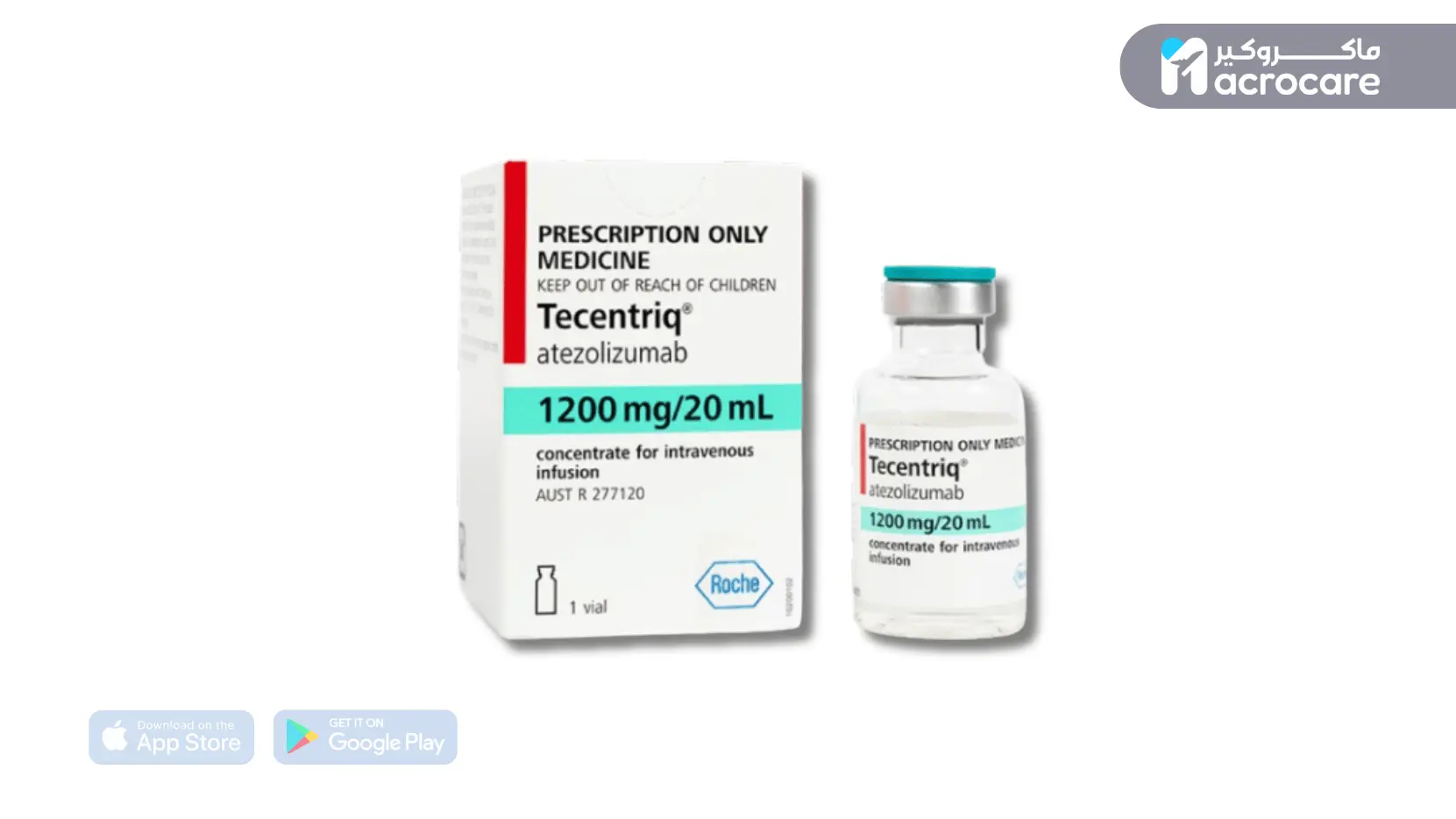
Tecentriq (Atezolizumab) is an advanced immunotherapy used to treat several types of cancer. It works by enhancing the immune system’s ability to recognize and attack cancer cells.
What is Tecentriq (Atezolizumab)?
Tecentriq is a monoclonal antibody that belongs to the PD-L1 inhibitor class of immunotherapies.
Some cancer cells use the PD-L1 protein to hide from the immune system. Tecentriq works by:
- Blocking the interaction between PD-L1 and immune cells
- Enhancing the body's immune response against cancer
- Helping control tumor growth and spread
In simple terms:
It helps the immune system identify and attack cancer cells.
Indications
Tecentriq (Atezolizumab) is used in:
- Non-Small Cell Lung Cancer (NSCLC)
- Small Cell Lung Cancer (SCLC)
- Certain cases of liver cancer
- Some bladder and urinary tract cancers
- Other cancers according to treatment protocols
Dosage and Administration
- Standard dose: 1200 mg
- Administered as an intravenous (IV) infusion
- Given under specialist medical supervision
- Treatment schedule varies depending on the prescribed regimen
Common Side Effects
May include:
- Fatigue
- Nausea
- Loss of appetite
- Skin rash
- Diarrhea
- Immune-related side effects
Rarely: immune-mediated inflammation affecting the lungs, liver, or endocrine glands may occur and require close monitoring.
Monitoring During Treatment
Patients on Tecentriq (Atezolizumab) require:
- Assessment of tumor response
- Liver and kidney function monitoring
- Immune system evaluation
- Overall health assessment
Availability & How to Access Treatment
Tecentriq (Atezolizumab) is available through Macrocare’s approved partners.
You can now request and access the medication easily through us.
WhatsApp contact for medication requests:
Click here
Tecentriq (Atezolizumab) Tecentriq (Atezolizumab) 1200 mg is an advanced immunotherapy that helps the immune system recognize and attack cancer cells, improving disease control across multiple cancer types.
Medical Disclaimer:
This content is for educational purposes only and does not replace professional medical advice. Treatment decisions should always be made by a qualified physician.