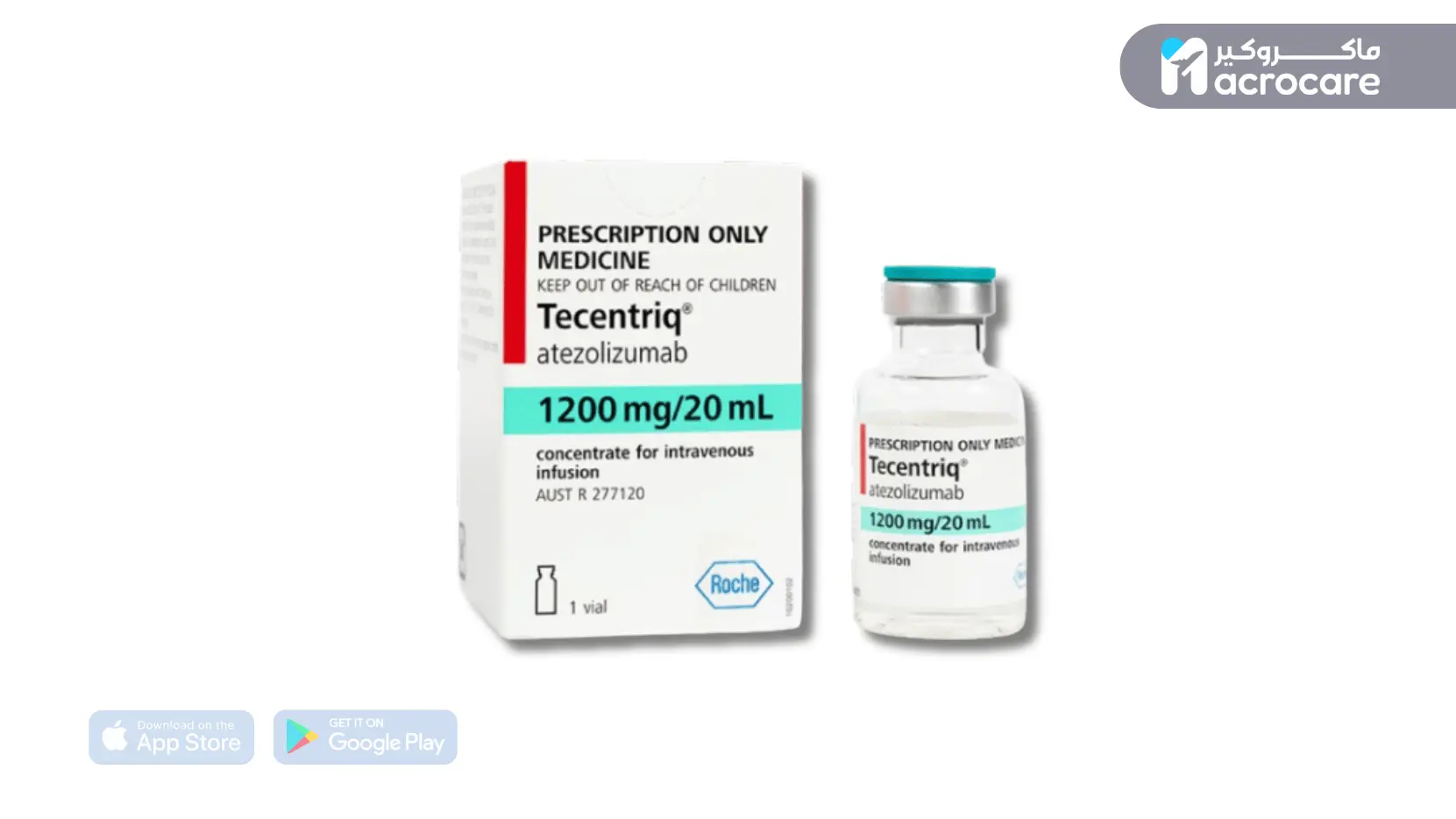
Lutetium-177 therapy (Lu-177 therapy) is one of the most advanced targeted radionuclide therapies developed for cancer treatment. It has shown remarkable results in patients with metastatic castration-resistant prostate cancer (mCRPC) and certain neuroendocrine tumors (NETs).
What is Lutetium-177 Therapy?
The therapy uses a radioactive isotope, Lutetium-177, which is attached to molecules that specifically target receptors on cancer cells. Once bound, Lu-177 delivers beta radiation directly to the tumor, destroying cancer cells while minimizing damage to surrounding healthy tissue.
Key Indications
-
Advanced prostate cancer (mCRPC) after hormonal and chemotherapy options fail.
-
Neuroendocrine tumors (NETs), especially those expressing somatostatin receptors.
-
Currently under research for other solid tumors.
Administration
-
Lutetium-177 therapy is given intravenously in specialized nuclear medicine centers.
-
Treatment usually consists of multiple cycles every 6–8 weeks, depending on patient response.
Expected Benefits
-
Prolonged survival in advanced cancer patients.
-
Relief of cancer-related symptoms such as pain.
-
Tumor shrinkage or stabilization of disease progression.
Common Side Effects
-
Fatigue and weakness.
-
Nausea and loss of appetite.
-
Low white blood cells or platelet counts.
-
Dry mouth (in NET patients).
-
Rarely, kidney or bone marrow toxicity.
Availability in Egypt
Lutetium-177 therapy in Egypt is available in a few specialized centers and remains an expensive treatment due to its advanced technology and global demand.
Conclusion
Lutetium-177 therapy offers new hope for patients with advanced prostate cancer and neuroendocrine tumors, especially when conventional therapies are no longer effective.
The medical information provided about Lutetium-177 therapy is for educational purposes only and does not replace professional medical advice. Always consult a qualified physician before starting or changing any treatment.
If you want to learn more about Lutetium-177 therapy in Egypt or book a consultation with an oncology specialist, contact Macrocare today for:
Assistance with arranging treatment sessions.
Expert consultation with oncologists and nuclear medicine specialists.
Comprehensive follow-up and patient care.