Перейти к основному содержанию
Pneumatic Prosthetic Knee — Лечение | Macrocare
Prosthetics & Orthotics

Pneumatic Prosthetic Knee

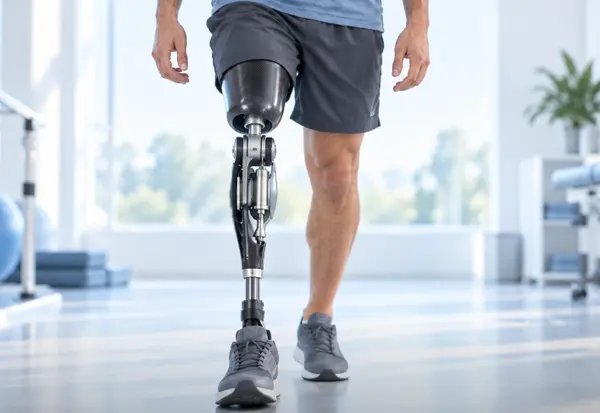
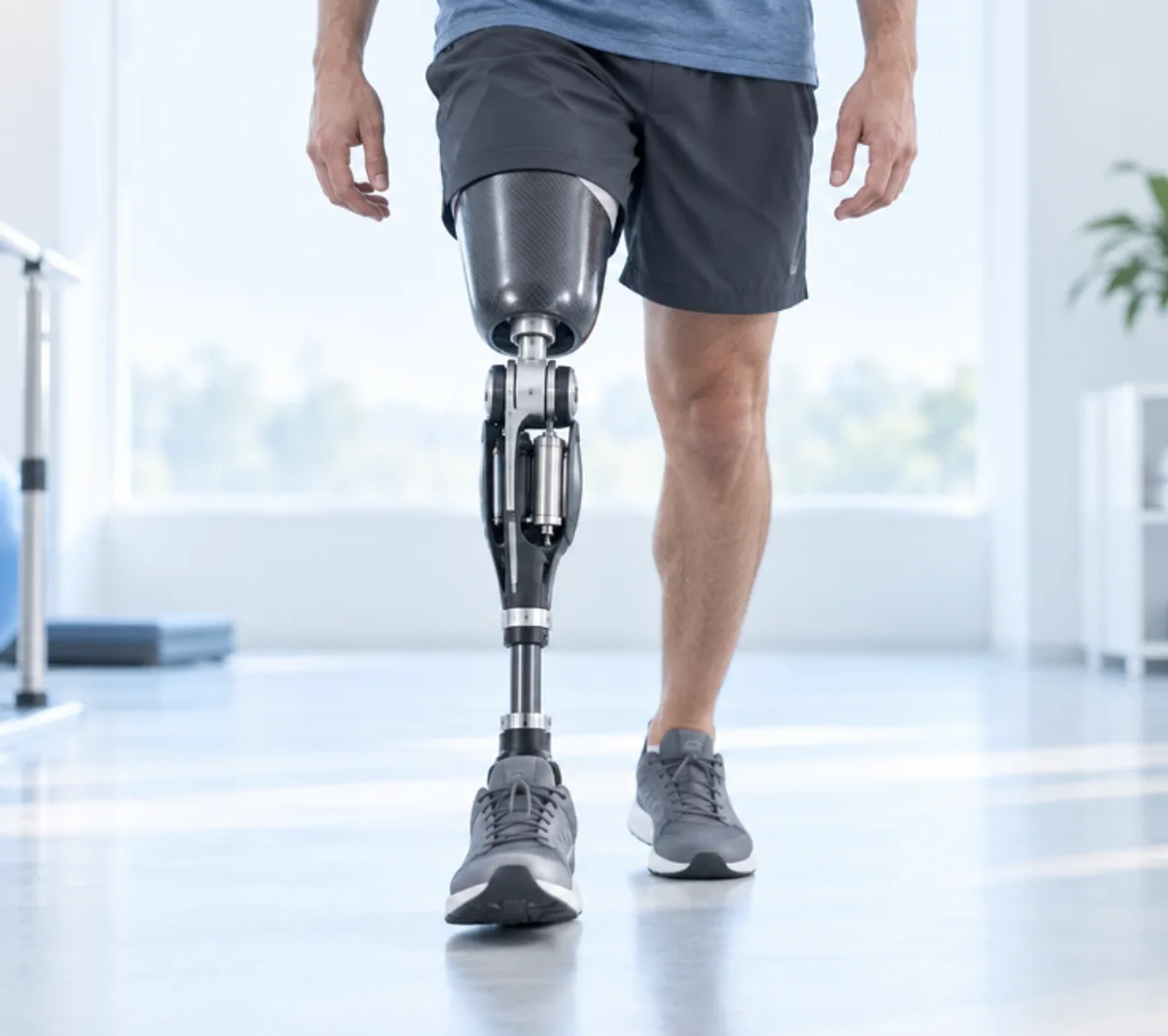
Pneumatic Prosthetic Knee Fitting and Rehabilitation is a specialized prosthetic service for people with above-knee amputation. Pneumatic knee joints use air-based resistance to help control knee movement, particularly during the swing phase of walking. Different models are available for activity levels ranging from K1 to K4, depending on the patient's mobility needs and the selected knee system.

1 проверенные клиникиМинимум 5 дн.В клинике
Начиная от6 000 $Только указанная цена

Краткая сводка

Pneumatic Prosthetic Knee предлагают 1 проверенная клиника в 0 направлениях сети Macrocare. Цены начинаются от 6 000 $, без перелёта и проживания.

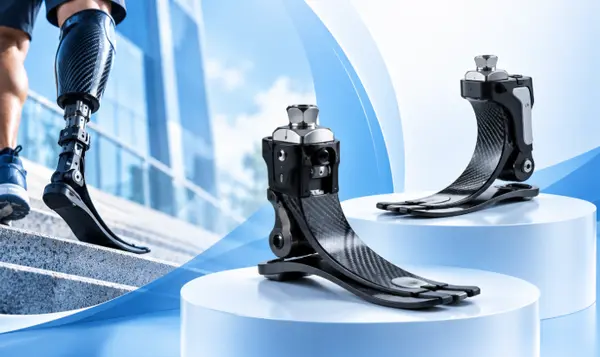
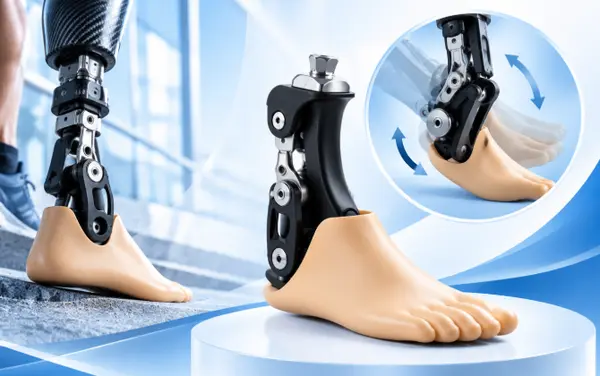
A pneumatic prosthetic knee is an artificial knee joint used as part of an above-knee prosthesis. It uses a pneumatic control system to help regulate knee flexion and extension during walking, particularly as the prosthetic leg moves through the swing phase.

Compared with simpler mechanical systems, pneumatic prosthetic knees can provide smoother and more controlled movement for appropriately selected patients. The level of performance varies according to the design of the knee, the pneumatic control mechanism, the patient's activity level, body weight, balance, muscle strength, and rehabilitation goals.

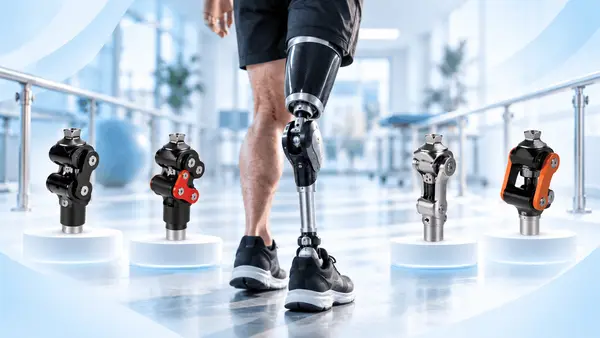
Pneumatic knee joints are available in both single-axis and polycentric designs. Some models specifically incorporate pneumatic swing-phase control, while others provide different levels of braking and movement control.

The available pneumatic knee range in the supplied information includes Metiz 6H23 and 6H25, Uniprox JT20 and JT22, and Össur OP4 and OP5.

Successful treatment does not depend on the knee joint alone. The complete prosthetic pathway includes patient assessment, socket fitting, prosthetic component selection, alignment, gait training, rehabilitation, and follow-up adjustments.

A pneumatic prosthetic knee does not treat a disease with conventional symptoms. It is generally considered when a person with an above-knee amputation requires a prosthetic knee that provides appropriate stability and movement control.

A patient may be assessed for pneumatic prosthetic knee fitting when they:

Have undergone an above-knee amputation.

Need a first above-knee prosthesis.

Need replacement or upgrading of an existing prosthetic knee.

Require better control of the prosthetic leg during walking.

Experience difficulty controlling the swing of an existing simpler prosthetic knee.

Need a knee joint matched to a moderate or higher activity level.

Require improved walking performance at different walking speeds.

Need prosthetic gait rehabilitation following amputation.

Require a knee joint matched to their body weight, balance, mobility, and functional goals.

Activity level is an important consideration. The supplied classification describes K1 as low activity, K2 as moderate activity, K3 as moderate-to-high activity, and K4 as high activity involving activities such as running and sports.

Часто задаваемые вопросы

Похожие предложения

Ещё в категории «Prosthetics & Orthotics»

Сравните смежные варианты с проверенными поставщиками и реальными начальными ценами.
Смотреть все

Только указанные цены — перелёт и проживание рассчитываются отдельно. Итоговая стоимость подтверждается в бесплатном предложении. Курсы на 2026-07-20.

Введите номер мобильного телефона

Пожалуйста, укажите ваш номер телефона, чтобы мы могли связаться с вами и узнать о вашей проблеме со здоровьем.

Конфиденциальность защищена: ваша медицинская и личная информация хранится полностью конфиденциально и защищена с использованием отраслевых стандартов защиты.

СВЯЗАТЬСЯ С НАМИ

Свяжитесь с нами

Пожалуйста, укажите ваш номер телефона, чтобы мы могли связаться с вами и узнать о вашей проблеме со здоровьем.