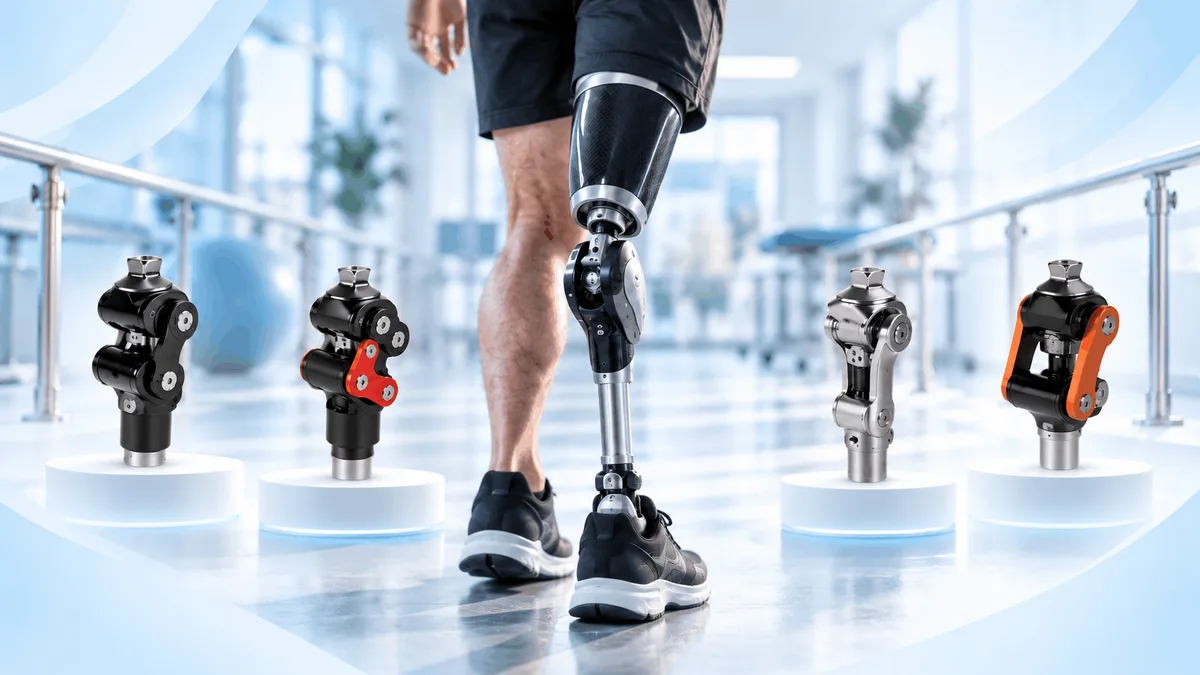
Mechanical Prosthetic Knee Fitting & Rehabilitation
Mechanical prosthetic knee fitting is a specialized rehabilitation service for patients with above-knee amputation who require a stable and reliable prosthetic knee system.
Résumé rapide
Mechanical Prosthetic Knee Fitting & Rehabilitation est proposé par 1 établissement vérifié dans 0 destinations du réseau Macrocare. Les prix démarrent à 4 000 $US ; vols et hébergement non inclus.
Mechanical prosthetic knee fitting is a specialized prosthetic and rehabilitation service for people with above-knee amputation who need a stable, reliable, and appropriately selected prosthetic knee system.
The treatment does not involve choosing a knee joint alone. A successful prosthetic program combines clinical assessment, prosthetic component selection, socket fitting, alignment, gait training, rehabilitation, and long-term follow-up to help the patient achieve safe and functional mobility.
Mechanical prosthetic knees are particularly relevant to patients with low to moderate mobility levels, including many K1 and K2 users. In the supplied knee classification, K1 represents low activity with gentle, steady walking—often using a walking aid—while K2 represents moderate mobility with average walking and some ability to vary walking speed.
What Is a Mechanical Prosthetic Knee?
A mechanical prosthetic knee is an artificial knee joint used as part of an above-knee prosthetic limb.
The knee controls movement between the prosthetic thigh and lower leg and is designed to provide the patient with stability during standing and controlled flexion and extension during walking.
Mechanical knees rely primarily on their physical mechanism, alignment, locking system, and structural design rather than pneumatic or hydraulic control.
They can be designed as either single-axis or polycentric prosthetic knees, with different models offering different levels of stability, flexion, weight capacity, and mobility support.
Who May Need a Mechanical Prosthetic Knee?
Mechanical prosthetic knee fitting may be considered for patients who have undergone an above-knee amputation or require replacement or upgrading of an existing prosthetic knee.
The treatment may be particularly relevant for patients who need:
A stable prosthetic knee for daily walking
Support for low or moderate mobility
A prosthesis suitable for K1 or K2 functional levels
A simple and dependable knee mechanism
A locking knee option for additional stability
A single-axis or polycentric mechanical knee
Rehabilitation after an above-knee amputation
Gait training with a new prosthetic limb
Adjustment or replacement of an existing prosthetic knee
A prosthetic solution matched to their weight, balance, and walking ability
K1 and K2 Mobility Levels
Mobility level is one of the important factors used when selecting a prosthetic knee.
K1 mobility level generally describes a person with limited walking ability who may walk at a steady pace and may require a walking aid.
K2 mobility level describes a person with a higher functional level who can perform average walking and may be able to change walking speed depending on the environment.
The mobility classification should not be used in isolation. The prosthetic and rehabilitation team should also consider the patient's balance, muscle strength, body weight, residual limb condition, lifestyle, home environment, and rehabilitation goals.
Single-Axis Mechanical Prosthetic Knees
A single-axis prosthetic knee moves around one primary mechanical axis.
This type of knee can provide a simple and predictable movement pattern and may be suitable for patients who prioritize stability and controlled walking.
Some single-axis knees can also include a locking mechanism for patients who need greater security while standing and walking.
Examples from the supplied mechanical knee range include Metiz 6H02A, 6H06A, and 6H02.
Polycentric Mechanical Prosthetic Knees
A polycentric prosthetic knee uses multiple mechanical axes rather than a single pivot point.
This configuration changes the knee's center of rotation during movement and can provide additional stability and controlled flexion for selected patients.
Examples within the available mechanical range include Metiz 6H01 and Metiz 6H09A, both described for K1/K2 users.
Mechanical Prosthetic Knee Treatment Process
The fitting process begins with a detailed assessment of the patient rather than immediate selection of a prosthetic component.
The rehabilitation and prosthetic team evaluates the residual limb, body weight, muscle strength, balance, current walking ability, use of walking aids, activity level, previous prosthetic experience, and functional goals.
After assessment, the appropriate socket, knee mechanism, prosthetic foot, and other components are selected.
The prosthesis is then assembled and aligned. Both static and dynamic alignment are important because the position of the knee, socket, and foot directly affects stability and gait.
The patient then begins a rehabilitation program that may include balance exercises, weight transfer, standing control, gait training, walking with assistive devices when required, and gradual progression toward greater independence.
Follow-up adjustments are often required as the patient adapts to the prosthesis.
Prosthetic Socket and Alignment
The knee joint is only one part of an above-knee prosthesis.
The prosthetic socket is the interface between the patient's residual limb and the prosthetic system, and proper socket fit is critical for comfort, stability, and control.
Incorrect alignment or an unsuitable socket may affect walking performance even when a high-quality prosthetic knee is used.
For this reason, prosthetic treatment should be approached as a complete system rather than as the selection of an isolated knee component.
Gait Training After Mechanical Knee Fitting
Gait training is an important part of prosthetic rehabilitation.
Patients may need to relearn how to transfer body weight, control the prosthetic knee during standing, initiate steps safely, maintain balance, and coordinate the prosthetic limb with the unaffected leg.
Training is usually individualized according to the patient's mobility level and functional ability.
For some patients, the goal may be safe household and community walking with an assistive device. For others, the goal may be greater independence across different everyday environments.
Available Mechanical Prosthetic Knee Options
The mechanical knee range in the supplied file includes several Metiz models with different specifications.
Metiz 6H02A is a single-axis knee providing a secure stance phase. It is described for K1/K2 users, supports patients up to 100 kg, and allows flexion up to 130 degrees.
Metiz 6H06A is a single-axis knee with a lock, intended for K1 users. It supports patients up to 125 kg and allows flexion up to 120 degrees.
Metiz 6H01 is a polycentric knee for K1/K2 users. It supports patients up to 125 kg and allows flexion up to 135 degrees.
Metiz 6H02 is a single-axis knee for K1/K2 users, supporting patients up to 125 kg with flexion up to 120 degrees.
Metiz 6H09A is a polycentric knee for K1/K2 users, supporting patients up to 100 kg with flexion up to 135 degrees.
Mechanical Knee vs Pneumatic and Hydraulic Prosthetic Knees
Mechanical, pneumatic, and hydraulic prosthetic knees use different mechanisms to control movement.
Mechanical knees are generally focused on straightforward mechanical stability and predictable movement.
Pneumatic knees use air-based control systems, while hydraulic knees use fluid-based resistance to provide greater control of knee movement across different phases of walking.
The supplied knee catalog separates available knees into these three main mechanisms: Mechanical, Pneumatic, and Hydraulic.
The most appropriate mechanism depends on the patient's activity level, mobility requirements, balance, body weight, and rehabilitation objectives.
Benefits of Mechanical Prosthetic Knee Fitting
For appropriately selected patients, mechanical prosthetic knees can provide a practical combination of stability, reliability, controlled movement, and everyday usability.
They may be particularly valuable for users who do not require the more dynamic swing and stance control provided by advanced pneumatic or hydraulic systems.
The clinical objective is not simply to provide a prosthetic knee, but to achieve the safest and most functional prosthetic configuration for the individual patient.
How Is the Best Prosthetic Knee Selected?
There is no single prosthetic knee that is suitable for every patient.
Selection should take into account the patient's mobility level, weight, amputation level, residual limb condition, strength, balance, walking environment, activity expectations, previous prosthetic experience, and long-term rehabilitation goals.
A patient with limited mobility who requires maximum stability may need a very different knee from a patient who walks independently across different environments.
For this reason, prosthetic knee selection should be performed after a professional assessment.
Mechanical Prosthetic Knee Rehabilitation
Rehabilitation after prosthetic fitting is essential for helping the patient use the new knee safely and efficiently.
The rehabilitation program may include strengthening, balance training, standing practice, weight shifting, gait training, stair and obstacle training where appropriate, functional mobility exercises, and education on safe prosthetic use.
The rehabilitation plan should be adapted to the patient's individual abilities and goals.
Follow-Up and Prosthetic Adjustments
A prosthetic limb may require adjustments after the initial fitting.
Changes in residual limb volume, socket comfort, alignment, gait pattern, or mobility level may affect prosthetic performance.
Regular follow-up allows the prosthetic team to assess comfort, alignment, function, and any need for component modification.
Mechanical Prosthetic Knee Treatment with Macrocare
Macrocare helps patients access specialized prosthetic and rehabilitation providers for mechanical prosthetic knee fitting and rehabilitation.
Patients can review available options based on mobility level, prosthetic mechanism, patient weight, knee specifications, functional requirements, rehabilitation needs, provider availability, and estimated cost.
The objective is to help each patient find an appropriate prosthetic and rehabilitation pathway rather than choosing a prosthetic knee based only on brand or price.
Frequently Asked Questions About Mechanical Prosthetic Knees
Is a Mechanical Prosthetic Knee Suitable for K1 Users?
Yes. Several mechanical prosthetic knee models in the supplied range are designed for K1 users, including locking and non-locking options. For example, the Metiz 6H06A is described specifically for K1 users.
Can a K2 User Use a Mechanical Prosthetic Knee?
Yes. Multiple mechanical models in the supplied range are designed for K1/K2 mobility levels, including the 6H02A, 6H01, 6H02, and 6H09A.
What Is the Difference Between Single-Axis and Polycentric Knees?
A single-axis knee moves around one main pivot point, while a polycentric knee uses multiple linked axes.
The most suitable design depends on the patient's stability, mobility, anatomy, and rehabilitation needs.
Does the Prosthetic Knee Need Rehabilitation?
Yes. Prosthetic fitting and rehabilitation work together. Patients generally need training to improve standing control, balance, weight transfer, gait, and functional use of the prosthesis.
Can Mechanical Prosthetic Knees Be Used After Above-Knee Amputation?
Yes. Prosthetic knee joints form part of the prosthetic system used for patients with amputation above the anatomical knee, provided the patient is medically and functionally suitable for prosthetic fitting.
Questions fréquentes
Mechanical Prosthetic Knee Fitting & Rehabilitation démarre à 4 000 $US via le réseau Macrocare. Le prix exact dépend du prestataire, de la technique et de votre évaluation médicale — demandez un devis gratuit.
Prévoyez au moins 10 jours pour l'intervention et la récupération initiale. Le prestataire confirme le calendrier exact après votre évaluation médicale.
Envoyez une demande de devis gratuite : un coordinateur Macrocare compare les prestataires vérifiés pour Mechanical Prosthetic Knee Fitting & Rehabilitation, confirme les tarifs et organise rendez-vous, voyage et suivi. La coordination est gratuite pour les patients.
Mechanical Prosthetic Knee Fitting & Rehabilitation appartient à Prosthetics & Orthotics. Parcourez cette catégorie pour comparer les offres liées, leurs prestataires vérifiés et leurs vrais prix de départ.
Suggestions associées

Plus dans Prosthetics & Orthotics
Comparez les offres liées avec leurs prestataires vérifiés et leurs vrais prix de départ.
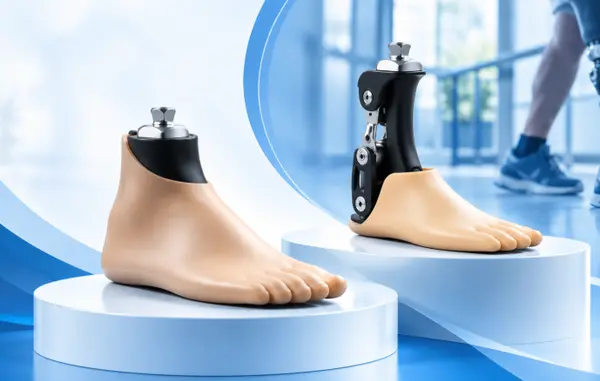
SACH and single-axis prosthetic feet
1 prestataires vérifiés
Min 5 jours
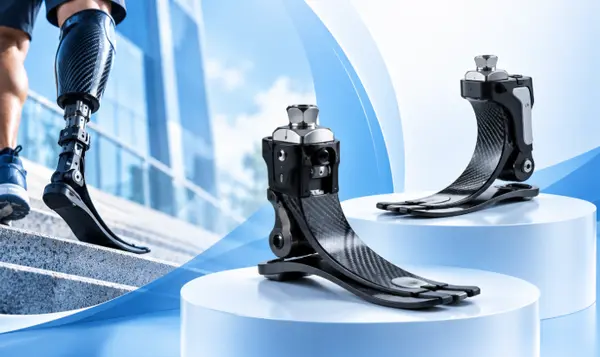
Carbon Fiber & Energy-Storing Prosthetic Feet
1 prestataires vérifiés
Min 5 jours
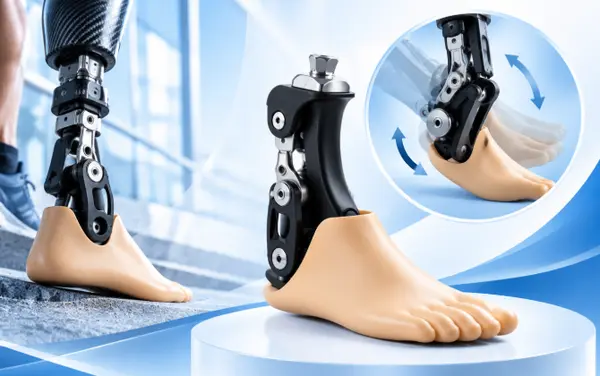
Multi-Axis Prosthetic Feet
1 prestataires vérifiés
Min 5 jours
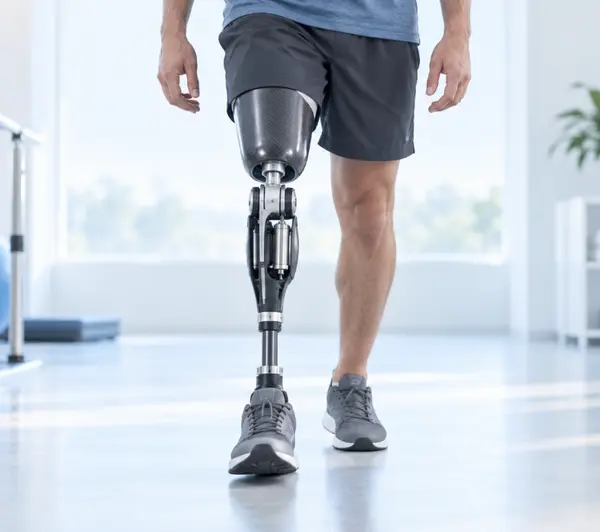
Pneumatic Prosthetic Knee
1 prestataires vérifiés
Min 5 jours
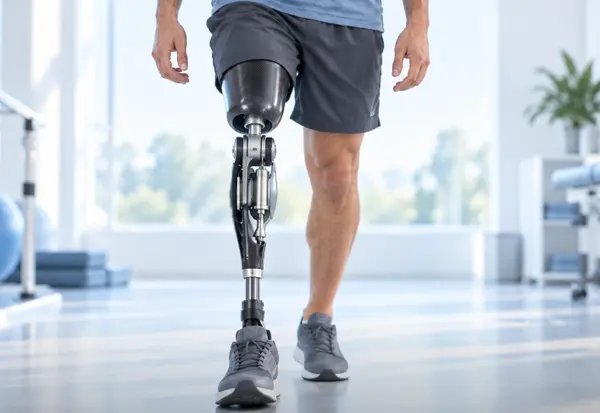
Hydraulic Prosthetic Knee Fitting & Rehabilitation
1 prestataires vérifiés
Min 10 jours
Prix indiqués uniquement — vols et hébergement estimés séparément. Coût final confirmé dans votre devis gratuit. Taux au 2026-07-20.