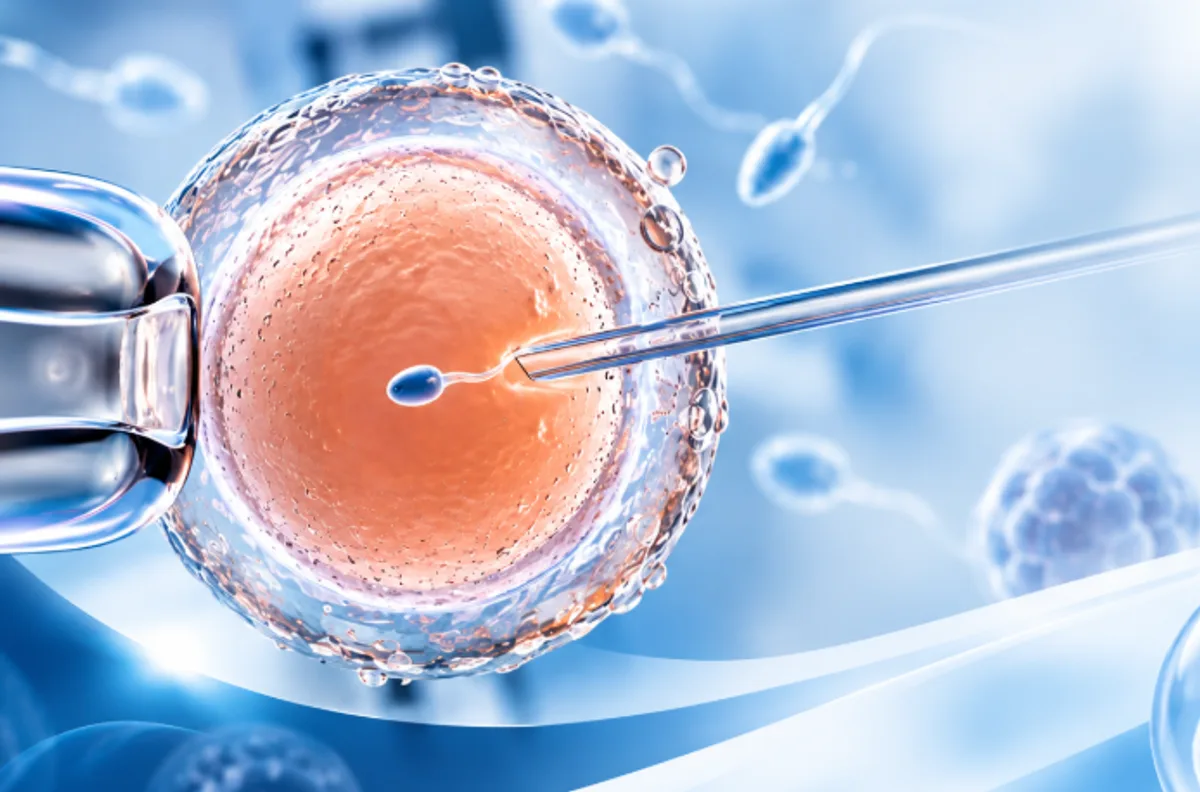
Intracytoplasmic Sperm Injection (ICSI)
Intracytoplasmic Sperm Injection (ICSI) is an advanced assisted reproductive technique used to help fertilize an egg when natural fertilization or conventional IVF may be difficult.
Résumé rapide
Intracytoplasmic Sperm Injection (ICSI) est proposé par 8 établissements vérifiés dans 2 destinations du réseau Macrocare. Les prix démarrent à 2 000 $US ; vols et hébergement non inclus.
Intracytoplasmic Sperm Injection (ICSI) is an advanced assisted reproductive technique used to help fertilize an egg when natural fertilization or conventional IVF may be difficult.
During ICSI, an embryologist selects a single sperm and injects it directly into a mature egg using specialized laboratory equipment. If fertilization occurs successfully, the resulting embryo is cultured in the laboratory before an appropriate embryo is transferred into the uterus.
ICSI is performed as part of an in vitro fertilization (IVF) cycle. The main difference between conventional IVF and ICSI is the method used to fertilize the egg. In conventional IVF, eggs and sperm are placed together and fertilization is allowed to occur naturally in the laboratory. With ICSI, a single sperm is injected directly into the egg.
ICSI is particularly important in the treatment of male-factor infertility, including very low sperm count, poor sperm motility, abnormal sperm morphology, or cases in which sperm must be surgically retrieved.
Macrocare helps patients access fertility specialists and assisted reproduction centers in Egypt, coordinate medical evaluation, compare appropriate treatment options, understand expected costs, and organize the treatment journey based on each patient's individual fertility assessment.
What Is ICSI?
ICSI stands for Intracytoplasmic Sperm Injection.
It is a laboratory fertilization technique in which one sperm is injected directly into the cytoplasm of a mature egg.
ICSI does not replace IVF. Instead, it changes the fertilization stage of an IVF cycle.
The overall process generally includes:
Ovarian stimulation
Monitoring of follicular development
Egg retrieval
Sperm collection or surgical sperm retrieval when required
ICSI fertilization
Embryo culture
Embryo transfer and/or embryo freezing
Pregnancy testing and follow-up
By placing the sperm directly inside the egg, ICSI bypasses several barriers that can prevent sperm from fertilizing an egg naturally.
Who May Need ICSI?
ICSI is most commonly considered when there is a significant problem affecting sperm quantity, quality, movement, or ability to fertilize an egg.
A fertility specialist may consider ICSI in situations such as:
Very low sperm count
Poor sperm motility
Abnormal sperm morphology
Severe male-factor infertility
Obstructive azoospermia
Selected cases of non-obstructive azoospermia where viable sperm can be retrieved
Sperm obtained through surgical retrieval from the testicle or epididymis
Previous IVF with failed or unexpectedly low fertilization
Use of certain previously frozen eggs
Selected cases involving preimplantation genetic testing
Other situations where the fertility team considers conventional fertilization unlikely to succeed
ICSI should not automatically be used for every IVF cycle. The appropriate fertilization method should be selected according to the couple's fertility evaluation, previous treatment history, egg characteristics, sperm parameters, and the embryology team's assessment.
Symptoms and Signs of Male Infertility
Many men with infertility have no noticeable symptoms other than difficulty achieving pregnancy with their partner.
Possible signs or associated conditions may include:
Problems with ejaculation
Reduced sexual function
Previous testicular injury
Testicular pain or swelling
Undescended testicles
Known varicocele
Previous reproductive tract surgery
Hormonal abnormalities
Previous chemotherapy or radiotherapy
Genetic conditions affecting fertility
Abnormal semen analysis
Absence of sperm in the semen
A normal sexual function does not necessarily mean that sperm count, motility, or morphology is normal.
Symptoms and Signs of Female Infertility
Female infertility may also occur without obvious symptoms.
Possible signs or associated conditions include:
Irregular menstrual cycles
Absent menstrual periods
Very painful periods
Difficulty with ovulation
Polycystic ovary syndrome (PCOS)
Endometriosis
Previous pelvic infections
Previous pelvic or abdominal surgery
Known fallopian tube problems
Uterine abnormalities
Recurrent pregnancy loss
Hormonal disorders
The underlying cause should be identified whenever possible before deciding whether IVF with ICSI is the appropriate treatment.
Causes of Infertility
Infertility may result from a male factor, female factor, a combination of both, or unexplained infertility.
Understanding the cause is important because ICSI primarily addresses problems related to the fertilization stage. It does not correct every possible cause of infertility.
Male Causes of Infertility
Male-factor infertility can result from several conditions affecting sperm production, quality, or delivery.
Common causes include:
Low sperm count: A reduced number of sperm may decrease the probability of natural fertilization.
Poor sperm motility: Sperm may be present but unable to move effectively enough to reach and fertilize an egg.
Abnormal sperm morphology: Abnormal sperm shape may occur together with other abnormalities in semen quality.
Azoospermia: No sperm are detected in the ejaculate. Azoospermia can result from an obstruction preventing sperm from entering the semen or from severely impaired sperm production.
Varicocele: Enlargement of veins within the scrotum may be associated with impaired sperm production or function in some men.
Hormonal disorders: Abnormal reproductive hormone levels may interfere with normal sperm production.
Genetic conditions: Certain chromosomal or genetic abnormalities can cause severe male infertility.
Infection, surgery or injury: Previous infections, reproductive surgery, testicular injuries, congenital abnormalities, or vasectomy may interfere with sperm production or transport.
Cancer treatment: Chemotherapy and radiation therapy can affect sperm production and fertility.
Lifestyle and environmental factors—including smoking, obesity, excessive alcohol consumption, anabolic steroid use, and certain environmental exposures—may also negatively affect male fertility.
Female Causes of Infertility
Although ICSI is particularly important for overcoming certain male-factor fertility problems, female reproductive health remains a major determinant of treatment outcomes.
Possible female causes include:
Ovulation disorders: Conditions such as PCOS and hormonal abnormalities can interfere with regular ovulation.
Fallopian tube problems: Blocked or damaged fallopian tubes can prevent sperm and egg from meeting naturally.
Endometriosis: Endometriosis may affect the ovaries, fallopian tubes, pelvic environment, and other aspects of reproductive function.
Uterine conditions: Fibroids, uterine adhesions, congenital abnormalities, and other uterine conditions may affect fertility or implantation depending on their location and severity.
Diminished ovarian reserve: The number of available eggs decreases over time and varies considerably between women.
Age-related fertility decline: Female age is an important factor affecting egg quantity, egg quality, embryo development, and the probability of successful pregnancy.
How Is Infertility Diagnosed Before ICSI?
A complete fertility assessment is usually recommended before deciding whether ICSI is appropriate.
Both partners may require evaluation because infertility may involve male factors, female factors, or a combination of both.
The objective is not simply to determine whether pregnancy has been difficult to achieve, but to understand why.
Male Fertility Diagnosis
Male fertility evaluation usually begins with a detailed medical and reproductive history.
The doctor may review previous pregnancies, fertility treatments, medications, previous surgery, testicular conditions, infections, sexual function, lifestyle factors, and relevant medical conditions.
A semen analysis is one of the main investigations used to evaluate male fertility.
It may assess:
Semen volume
Sperm concentration
Total sperm number
Sperm motility
Sperm morphology
Depending on the findings, additional investigations may include:
Hormonal testing
Genetic or chromosomal testing
Testicular or scrotal ultrasound
Reproductive urology assessment
Additional semen testing
Evaluation for obstruction or impaired sperm production
Men with severe oligospermia or azoospermia may require more specialized investigation before ICSI is planned.
Female Fertility Diagnosis
Female fertility assessment typically includes medical history, menstrual history, reproductive history, examination, and appropriate investigations.
Tests may include:
Anti-Müllerian hormone (AMH)
Antral follicle count (AFC)
Hormonal investigations
Pelvic ultrasound
Assessment of ovulation
Evaluation of the uterus
Assessment of the fallopian tubes when clinically appropriate
Previous IVF or ICSI cycles are also important.
The fertility team may review the number of eggs retrieved, egg maturity, fertilization rates, embryo development, embryo quality, previous embryo transfers, and pregnancy outcomes.
CSI Treatment: Step by Step
ICSI is performed as part of an IVF treatment cycle and involves several stages.
1. Fertility assessment and treatment planning
The fertility specialist evaluates both partners and develops an individualized treatment protocol based on age, ovarian reserve, semen parameters, reproductive history, and previous fertility treatment.
2. Ovarian stimulation
Fertility medications are usually given to stimulate the ovaries so that multiple follicles can develop during the treatment cycle.
Medication type and dosage are individualized according to the patient's expected ovarian response.
3. Monitoring
Ultrasound examinations and, when necessary, blood tests are used to monitor follicular development.
Once the follicles have reached the appropriate stage, medication is given to complete final egg maturation before retrieval.
4. Egg retrieval
The eggs are collected from the ovaries, generally under sedation or anesthesia and using ultrasound guidance.
The retrieved eggs are immediately transferred to the embryology laboratory.
5. Sperm collection
A semen sample is generally collected around the time of egg retrieval.
If sperm are not present in the ejaculate, sperm may sometimes be surgically retrieved from the epididymis or testicle.
6. Sperm selection and injection
The embryologist evaluates the eggs and prepares the sperm sample.
A suitable sperm is selected, immobilized, and injected directly into a mature egg using a microscopic injection needle.
This is the defining stage of ICSI.
7. Fertilization assessment
The injected eggs are examined to determine whether normal fertilization has occurred.
Not every mature egg injected through ICSI will necessarily fertilize.
8. Embryo culture
Successfully fertilized eggs develop into embryos and are monitored in the laboratory over the following days.
Depending on the treatment strategy, embryos may be cultured to an appropriate developmental stage before transfer or freezing.
9. Embryo transfer
An appropriate embryo may be transferred into the uterus using a thin catheter.
Suitable additional embryos may potentially be frozen for future use.
In some cases, the fertility team may recommend freezing embryos and performing the embryo transfer during a later cycle.
10. Pregnancy testing
A blood test measuring beta-hCG is performed after embryo transfer according to the fertility center's protocol.
If pregnancy is confirmed, further monitoring is arranged.
ICSI vs IVF: What Is the Difference?
ICSI and conventional IVF mainly differ in how fertilization occurs in the laboratory.
In conventional IVF, prepared sperm are placed together with the eggs and fertilization occurs without direct injection.
In ICSI, an embryologist selects a single sperm and injects it directly into a mature egg.
ICSI is therefore not an alternative to IVF in the strict sense. It is a specialized fertilization technique performed within an IVF cycle.
Is ICSI Better Than Conventional IVF?
Not for every patient.
ICSI can be extremely useful when a significant male-factor problem or previous fertilization failure makes conventional fertilization difficult.
However, ICSI should not automatically be considered superior to conventional IVF when there is no male-factor infertility or previous fertilization problem.
The appropriate technique depends on the couple's specific fertility diagnosis and previous treatment history.
What Is the Success Rate of ICSI?
There is no single ICSI success rate that applies to every patient.
ICSI can improve the chance of fertilization when there are specific fertilization barriers, but fertilization is only one stage of achieving pregnancy and live birth.
Treatment outcomes depend on multiple factors, including:
Female age
Egg quality
Ovarian reserve
Number of mature eggs
Sperm quality
Cause of infertility
Embryo development
Genetic factors
Uterine and endometrial factors
Previous fertility history
Laboratory quality and expertise
Embryo-transfer strategy
Patients should also distinguish between fertilization rate, embryo development rate, clinical pregnancy rate, and live-birth rate.
These measurements describe different stages of fertility treatment and should not be used interchangeably.
How Long Does ICSI Treatment Take?
The ovarian stimulation and egg-retrieval phase of an IVF/ICSI cycle commonly takes approximately two weeks, although protocols vary between patients.
The total treatment timeline can be longer depending on:
Ovarian response
Treatment protocol
Embryo development
Fresh versus frozen embryo transfer
Genetic testing
Additional male infertility procedures
Additional female fertility treatment
International patients should therefore confirm their expected treatment timeline before arranging flights and accommodation.
Can ICSI Be Used With Surgically Retrieved Sperm?
Yes.
ICSI is particularly useful when sperm must be surgically retrieved because only a limited number of viable sperm may be available.
Depending on the underlying diagnosis, sperm retrieval techniques may include:
PESA
TESA
TESE
Micro-TESE
The appropriate procedure depends on whether infertility is caused by an obstruction, impaired sperm production, or another condition.
ICSI for Azoospermia
Azoospermia means that no sperm are detected in the ejaculate, but this does not automatically mean that biological conception is impossible.
There are two broad categories:
Obstructive azoospermia: sperm production may be preserved, but a blockage prevents sperm from entering the semen.
Non-obstructive azoospermia: sperm production itself is significantly impaired.
In selected patients, viable sperm may be retrieved directly from the epididymis or testicular tissue and used for ICSI.
However, sperm retrieval is not successful in every patient.
A reproductive urologist or andrologist may therefore need to evaluate the underlying cause before treatment.
ICSI After Previous IVF Fertilization Failure
ICSI may be considered following complete or unexpectedly low fertilization during a previous conventional IVF cycle.
Before another cycle, the fertility team should review the previous treatment carefully, including:
Number of mature eggs
Egg quality
Semen characteristics
Fertilization results
Embryo development
Laboratory findings
This information can help determine whether ICSI is appropriate for the next cycle.
Risks and Considerations of ICSI
ICSI is an established assisted reproduction technique, but no fertility procedure is completely risk-free.
Possible considerations include:
Egg damage: Because a microscopic needle is inserted into the egg, a small proportion of eggs may be damaged during the procedure.
Failed fertilization: Direct sperm injection does not guarantee fertilization.
Abnormal embryo development: Successfully fertilized eggs do not always develop into embryos suitable for transfer.
Genetic considerations: Some severe forms of male infertility have an underlying genetic cause. Genetic evaluation or counseling may therefore be recommended in selected patients.
Because ICSI is performed as part of IVF, patients should also understand the potential risks associated with ovarian stimulation, egg retrieval, embryo transfer, and pregnancy.
Individual risks should be discussed with the treating fertility specialist.
Does ICSI Increase the Risk of Birth Defects?
Studies have reported small differences in certain outcomes among children conceived through ICSI compared with naturally conceived pregnancies.
However, interpretation is complex because patients requiring ICSI are also more likely to have underlying reproductive or genetic conditions.
This makes it difficult to separate risks associated with the fertility condition itself from risks potentially associated with the procedure.
Patients with severe male-factor infertility may therefore be advised to undergo genetic evaluation or counseling when clinically appropriate.
ICSI and Genetic Testing
ICSI may be used alongside preimplantation genetic testing (PGT) in selected fertility treatments.
PGT may be considered for different reasons, including testing for certain known genetic conditions or evaluating embryos according to specific clinical indications.
ICSI is not automatically required simply because genetic testing is planned.
The appropriate fertilization and genetic-testing strategy should be determined by the fertility specialist, embryologist, and genetics team according to the patient's individual case.
ICSI Treatment in Egypt
Egypt is a destination for patients seeking fertility and assisted reproductive treatment, with access to IVF laboratories, fertility specialists, reproductive urology services, imaging, laboratory investigations, and genetic testing.
For international patients considering ICSI treatment in Egypt, selecting a fertility program should involve more than comparing the advertised treatment price.
Important questions include:
Why has ICSI been recommended?
What is the diagnosed cause of infertility?
Who will be the treating fertility specialist?
Which IVF laboratory will handle the eggs and embryos?
What investigations are required before treatment?
Which fertility medications are included?
Are egg retrieval and anesthesia included?
Is ICSI included?
Is embryo culture included?
Is blastocyst culture included when appropriate?
Is embryo transfer included?
Is embryo freezing included?
What are the embryo storage fees?
Is surgical sperm retrieval required?
Is genetic testing required?
How long will treatment take?
How long should an international patient stay in Egypt?
What additional costs may occur if the treatment plan changes?
A detailed treatment plan and quotation should clarify these points before the patient travels whenever possible.
ICSI Treatment Through Macrocare
Macrocare is a healthcare coordination and medical tourism company helping international and local patients access fertility treatment in Egypt.
Macrocare can coordinate the patient's fertility journey from the initial medical assessment through specialist consultation, treatment planning, and follow-up.
Depending on the individual case, Macrocare can assist with:
Fertility specialist selection
IVF and ICSI center coordination
Review of previous fertility records
Semen analysis coordination
Female fertility investigations
Male infertility and reproductive urology consultations
Treatment quotation requests
Comparison of appropriate treatment options
Appointment scheduling
Surgical sperm retrieval coordination
Genetic testing coordination when indicated
Treatment scheduling
Medical travel coordination
Follow-up after treatment
The objective is to help patients understand their diagnosis, why ICSI is being recommended, what the treatment includes, what it may cost, and what medical and logistical steps are required before traveling for treatment.
What Medical Records Should I Send Before ICSI Treatment?
Patients who have already undergone fertility investigations should provide their available medical records before treatment planning whenever possible.
For the female partner, useful records may include:
Previous fertility reports
AMH results
Hormonal investigations
Pelvic ultrasound reports
Previous IVF or ICSI reports
Previous embryology reports
Previous embryo-transfer reports
Hysteroscopy or laparoscopy reports
Previous pregnancy or miscarriage history
Relevant surgical reports
Current medications
For the male partner, useful records may include:
Recent semen analyses
Hormonal investigations
Previous fertility assessments
Genetic test results
Previous sperm retrieval reports
Testicular ultrasound reports
Previous IVF or ICSI embryology reports
Relevant surgical and medical history
Reviewing these records before travel can help identify additional investigations and provide a more accurate treatment plan.
Frequently Asked Questions About ICSI
What does ICSI stand for?
ICSI stands for Intracytoplasmic Sperm Injection. It is a laboratory technique in which one sperm is injected directly into a mature egg.
Is ICSI the same as IVF?
No. ICSI is a fertilization technique used during an IVF cycle. Conventional IVF allows sperm to fertilize the egg without direct injection, while ICSI involves injecting one sperm directly into the egg.
Who needs ICSI treatment?
ICSI is commonly considered for severe male-factor infertility, very low sperm count, poor sperm motility or morphology, surgically retrieved sperm, azoospermia with successful sperm retrieval, and previous failed or very low fertilization with conventional IVF.
Is ICSI only used for male infertility?
No. Male-factor infertility is one of its main indications, but ICSI may also be considered in selected cases involving previous fertilization failure, certain frozen-oocyte cycles, or specific laboratory or genetic-testing circumstances.
Can ICSI help with low sperm count?
Yes. ICSI can be particularly useful when sperm numbers are very low because only one selected sperm is required for injection into each mature egg.
Can ICSI help with poor sperm motility?
Yes. ICSI can bypass some of the barriers associated with poor sperm movement because the selected sperm is injected directly into the egg.
Can ICSI be performed if there is no sperm in the semen?
Sometimes. In selected men with azoospermia, sperm may be surgically retrieved from the epididymis or testicular tissue and used for ICSI.
Does ICSI guarantee fertilization?
No. Direct sperm injection improves the opportunity for fertilization in appropriate cases, but not every injected egg will fertilize normally.
Does ICSI guarantee pregnancy?
No. ICSI assists with fertilization. Pregnancy and live birth also depend on egg quality, embryo development, female age, sperm factors, genetics, uterine factors, and other medical variables.
Can embryos created through ICSI be frozen?
Yes. Suitable embryos that are not transferred may potentially be cryopreserved for use in a future embryo-transfer cycle.
Can ICSI be repeated after an unsuccessful attempt?
Yes. Another cycle may be possible, but the previous cycle should first be reviewed to understand ovarian response, egg maturity, fertilization, embryo development, sperm factors, and possible reasons for the unsuccessful outcome.
What is the best age for ICSI?
There is no single best age for ICSI. However, female age is one of the most important factors affecting IVF outcomes because egg quantity and reproductive potential generally decline with age.
How much does ICSI cost in Egypt?
ICSI cost in Egypt varies according to the fertility center, specialist, fertility medications, required investigations, ovarian response, anesthesia, laboratory services, embryo culture, embryo freezing and storage, surgical sperm retrieval, genetic testing, and other services.
Patients should compare case-specific quotations with clearly defined inclusions and exclusions, rather than comparing package prices alone.
How long should I stay in Egypt for ICSI treatment?
The required stay depends on the treatment protocol, where ovarian stimulation begins, the timing of egg retrieval, embryo development, and whether a fresh or frozen embryo transfer is planned.
Macrocare can coordinate the proposed medical schedule with the fertility team before travel to help determine the expected length of stay.
Start Your ICSI Treatment Assessment With Macrocare
If you are considering ICSI or IVF treatment in Egypt, the first step is to understand the cause of infertility and determine whether ICSI is appropriate for your case.
Send Macrocare your available fertility reports, semen analysis, hormonal investigations, ultrasound reports, previous IVF or ICSI records, and relevant medical history.
Macrocare can coordinate your case with appropriate fertility specialists and IVF centers in Egypt, obtain a proposed treatment plan and expected costs, and help organize your medical journey from assessment to treatment and follow-up.
Questions fréquentes
Intracytoplasmic Sperm Injection (ICSI) démarre à 2 000 $US via le réseau Macrocare, disponible à Le Caire, Istanbul. Le prix exact dépend du prestataire, de la technique et de votre évaluation — demandez un devis gratuit.
Intracytoplasmic Sperm Injection (ICSI) est proposé par 8 prestataires vérifiés du réseau Macrocare à Le Caire, Istanbul. Chaque fiche indique le prestataire, la ville et son vrai prix de départ.
Prévoyez au moins 14 jours pour l'intervention et la récupération initiale. Le prestataire confirme le calendrier exact après votre évaluation médicale.
Envoyez une demande de devis gratuite : un coordinateur Macrocare compare les prestataires vérifiés pour Intracytoplasmic Sperm Injection (ICSI), confirme les tarifs et organise rendez-vous, voyage et suivi. La coordination est gratuite pour les patients.
Intracytoplasmic Sperm Injection (ICSI) appartient à Fertilité et santé reproductive. Parcourez cette catégorie pour comparer les offres liées, leurs prestataires vérifiés et leurs vrais prix de départ.
Disponible à
Suggestions associées

Dr. Ahmed Elsayed
Gynécologie-obstétrique
Maadi - Le Caire

Dr. Mona Abou El Ghar
Gynécologie-obstétrique
Maadi - Le Caire

Egyptian IVF Center
Gynécologie-obstétrique
Maadi - Le Caire

Memorial Bahçelievler Hospital - Istanbul
Hôpital pluridisciplinaire
Bahçelievler - Istanbul

Prof. Dr. Iman Zain El Abidin Farid
Gynécologie-obstétrique
Maadi - Le Caire

Prof. Dr. sherif Mohamed Habeeb
Gynécologie-obstétrique
New Cairo - Le Caire

As-Salam International Hospital (New Cairo)
Hôpital pluridisciplinaire
New Cairo - Le Caire

Dr. Rehab Abdelrahman
Gynécologie-obstétrique
New Cairo - Le Caire
Plus dans Fertilité et santé reproductive
Comparez les offres liées avec leurs prestataires vérifiés et leurs vrais prix de départ.
Fécondation in vitro (FIV)
13 prestataires vérifiés
Congélation d'ovocytes
9 prestataires vérifiés

Traitement de l'infertilité masculine
8 prestataires vérifiés
Min 1 jours

Test génétique préimplantatoire (PGT)
8 prestataires vérifiés
Transfert d'embryon
7 prestataires vérifiés

Insémination intra-utérine (IIU)
7 prestataires vérifiés
Prix indiqués uniquement — vols et hébergement estimés séparément. Coût final confirmé dans votre devis gratuit. Taux au 2026-07-20.