Ir al contenido principal
Pneumatic Prosthetic Knee — Tratamientos | Macrocare
Prosthetics & Orthotics

Pneumatic Prosthetic Knee

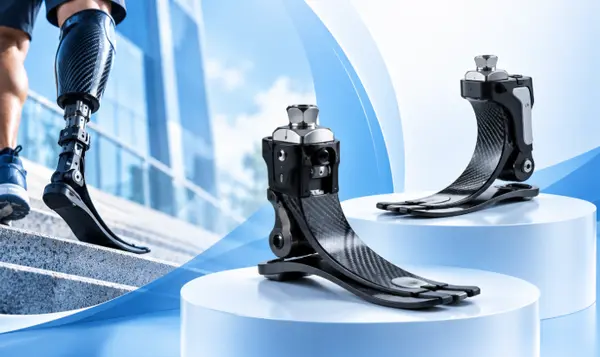
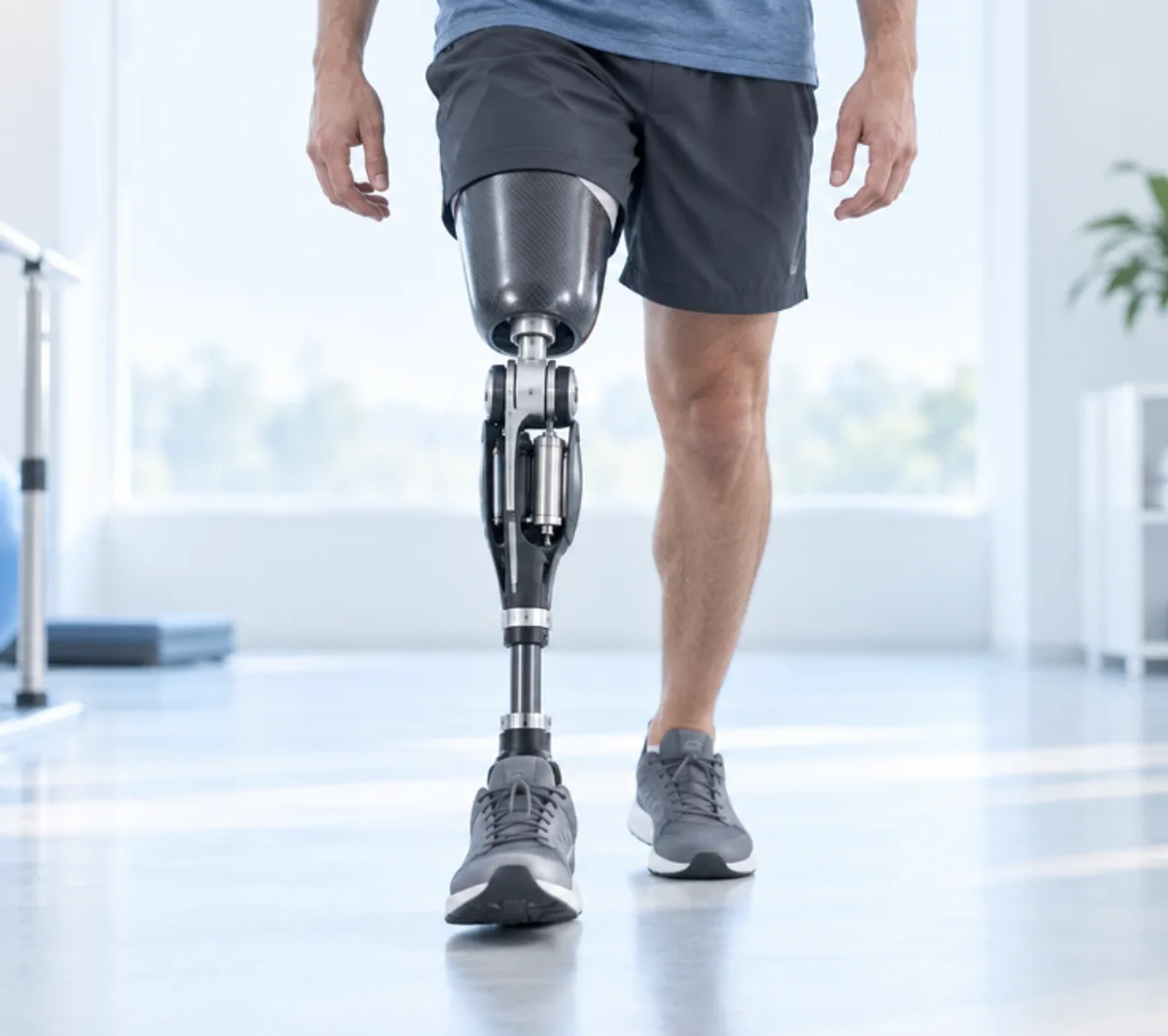
Pneumatic Prosthetic Knee Fitting and Rehabilitation is a specialized prosthetic service for people with above-knee amputation. Pneumatic knee joints use air-based resistance to help control knee movement, particularly during the swing phase of walking. Different models are available for activity levels ranging from K1 to K4, depending on the patient's mobility needs and the selected knee system.

1 proveedores verificadosMín 5 díasEn el centro
Desde6000 US$Solo el precio indicado

Resumen rápido

Pneumatic Prosthetic Knee lo ofrecen 1 proveedor verificado en 0 destinos de la red Macrocare. Los precios parten de 6000 US$ y no incluyen vuelos ni alojamiento.

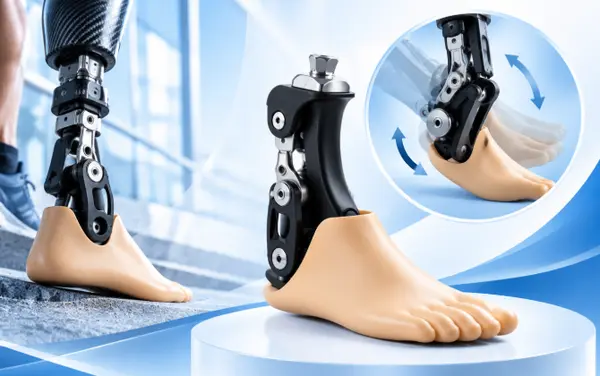
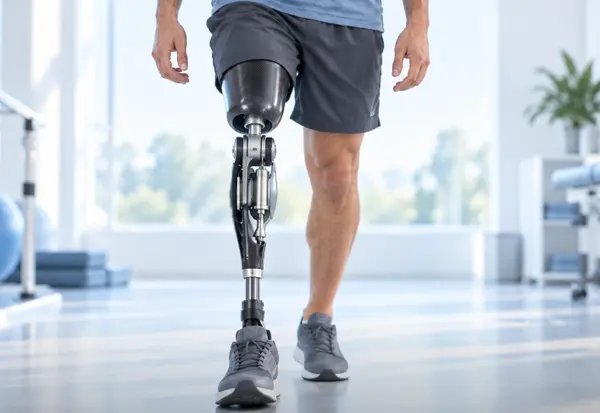
A pneumatic prosthetic knee is an artificial knee joint used as part of an above-knee prosthesis. It uses a pneumatic control system to help regulate knee flexion and extension during walking, particularly as the prosthetic leg moves through the swing phase.

Compared with simpler mechanical systems, pneumatic prosthetic knees can provide smoother and more controlled movement for appropriately selected patients. The level of performance varies according to the design of the knee, the pneumatic control mechanism, the patient's activity level, body weight, balance, muscle strength, and rehabilitation goals.

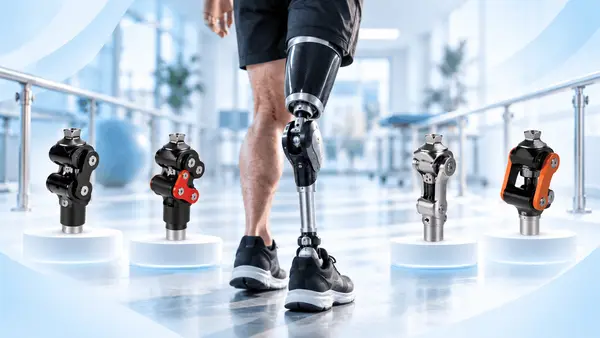
Pneumatic knee joints are available in both single-axis and polycentric designs. Some models specifically incorporate pneumatic swing-phase control, while others provide different levels of braking and movement control.

The available pneumatic knee range in the supplied information includes Metiz 6H23 and 6H25, Uniprox JT20 and JT22, and Össur OP4 and OP5.

Successful treatment does not depend on the knee joint alone. The complete prosthetic pathway includes patient assessment, socket fitting, prosthetic component selection, alignment, gait training, rehabilitation, and follow-up adjustments.

A pneumatic prosthetic knee does not treat a disease with conventional symptoms. It is generally considered when a person with an above-knee amputation requires a prosthetic knee that provides appropriate stability and movement control.

A patient may be assessed for pneumatic prosthetic knee fitting when they:

Have undergone an above-knee amputation.

Need a first above-knee prosthesis.

Need replacement or upgrading of an existing prosthetic knee.

Require better control of the prosthetic leg during walking.

Experience difficulty controlling the swing of an existing simpler prosthetic knee.

Need a knee joint matched to a moderate or higher activity level.

Require improved walking performance at different walking speeds.

Need prosthetic gait rehabilitation following amputation.

Require a knee joint matched to their body weight, balance, mobility, and functional goals.

Activity level is an important consideration. The supplied classification describes K1 as low activity, K2 as moderate activity, K3 as moderate-to-high activity, and K4 as high activity involving activities such as running and sports.

Preguntas frecuentes

Sugerencias relacionadas

Más en Prosthetics & Orthotics

Compare opciones relacionadas con sus proveedores verificados y precios iniciales reales.
Ver todo

Solo precios indicados — vuelos y estancia se estiman por separado. Coste final confirmado en tu presupuesto gratuito. Tasas a 2026-07-20.

Introduzca el número de móvil

Por favor, comparta su número de teléfono para que podamos contactarle y conocer su dolencia de salud.

Privacidad protegida: su información médica y personal se mantiene totalmente confidencial y protegida con estándares de seguridad del sector.

PÓNGASE EN CONTACTO

Contáctenos

Por favor, comparta su número de teléfono para que podamos contactarle y conocer su dolencia de salud.