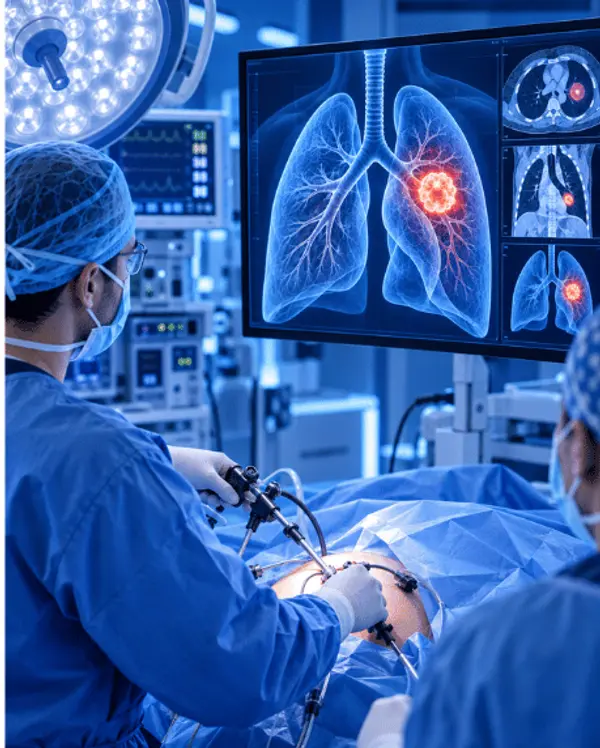
Diagnosis usually begins with a detailed medical evaluation and chest imaging. Depending on the suspected tumor, investigations may include:
Chest X-ray
CT scan of the chest
MRI when detailed soft-tissue assessment is needed
PET-CT for selected tumors
Blood tests and tumor markers
Bronchoscopy or other specialized tests when appropriate
Biopsy when required to determine the tumor type
Treatment depends on the pathology, location, size, and extent of the tumor. Surgery may involve complete tumor removal, partial removal, or surgical biopsy. Minimally invasive, robotic, or open approaches may be considered.
For some malignant mediastinal tumors, surgery may be combined with chemotherapy or radiation therapy as part of a multidisciplinary treatment plan.
Benefits of Mediastinal Tumor Surgery
Potential benefits may include:
Removal of a localized mediastinal tumor
Obtaining tissue for an accurate diagnosis
Relieving pressure on nearby organs and structures
Reducing tumor burden
Treating selected benign or malignant tumors
Supporting further cancer treatment when needed
The expected outcome depends on the tumor type, stage, surgical approach, and the patient's overall health.
Recovery After Mediastinal Tumor Surgery
Recovery varies depending on the size and location of the tumor and whether minimally invasive or open surgery is performed.
Patients may need hospital monitoring for pain control, breathing, wound healing, and chest drainage. Gradual return to normal activities is usually recommended, with follow-up appointments to review pathology results and monitor recovery.
If additional chemotherapy or radiation therapy is required, the treatment team will determine the appropriate timing based on the final diagnosis and surgical findings.
Is Mediastinal Tumor Surgery Suitable for Everyone?
Mediastinal tumor surgery is not suitable for every patient. The decision depends on:
Tumor type and pathology
Size and exact location
Whether the tumor has spread
Involvement of major blood vessels, the heart, airway, or other structures
Overall lung and heart function
General health and other medical conditions
Previous treatments
A thoracic surgeon, together with oncology, radiology, pathology, and other specialists when needed, should evaluate the case to determine whether surgery is appropriate and which surgical approach is safest.