
Prof. Dr. Ayman Mortada
Kardiyoloji
Cardiology, Cardiac Catheterization and Pacemaker Consultant at Ain Shams University
Nasr City - Kahire
Prof. Dr. Ayman Mortada is a Consultant in Cardiology, Cardiac Catheterization, and Cardiac Implantable Devices at Ain Shams University, Egypt. His areas of specialization include the assessment of cardiovascular diseases, cardiac rhythm disorders, cardiac electrophysiology, and heart rhythm management devices.
Prof. Dr. Ayman Mortada holds a PhD in Cardiology and Cardiovascular Diseases from Ain Shams University. He also serves as Supervisor of the Cardiology Department at Ain Shams Specialized Hospital. In addition to his cardiology training, he pursued further specialization in Cardiac Electrophysiology and obtained a certificate from the European Heart Rhythm Association's cardiac device section, according to the provided information.
His clinical field covers a range of cardiovascular conditions, including coronary artery disease, cardiac arrhythmias, slow and rapid heart rhythms, heart muscle weakness, and heart valve diseases. Some patients may require further assessment to determine whether cardiac catheterization or an implanted cardiac device is appropriate.
Through Macrocare Healthcare Services, patients can submit their medical reports and cardiac investigations to organize their medical files and coordinate a consultation with Prof. Dr. Ayman Mortada.
Prof. Dr. Ayman Mortada’s Cardiology Specialties
His areas of specialization include the assessment of:
Cardiovascular diseases.
Coronary artery disease and angina.
Diagnostic and interventional cardiac catheterization.
Cardiac arrhythmias.
Tachycardia (rapid heartbeat).
Bradycardia (slow heartbeat).
Irregular heartbeat.
Heart palpitations.
Cardiac electrophysiology.
Assessment for pacemaker implantation.
Cardiac implantable devices.
Heart muscle weakness and heart failure.
Hypertension.
Heart valve diseases.
Fainting and dizziness potentially related to cardiac rhythm disorders.
Cardiac Catheterization: Diagnostic and Interventional Procedures
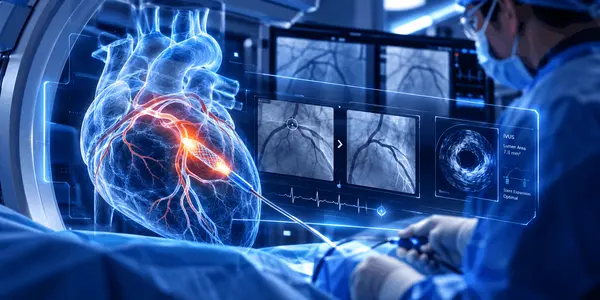
Cardiac catheterization is a medical procedure used to assess certain heart conditions, particularly coronary artery disease. It can help identify narrowed or blocked coronary arteries and may also be used to treat selected cases.
Patients may require assessment for cardiac catheterization when they experience:
Recurrent chest pain or pressure.
Suspected coronary artery disease.
Abnormal cardiac investigation results.
Symptoms suggesting reduced blood supply to the heart muscle.
A history of heart attack or coronary artery disease.
Related procedures may include:
Coronary Angiography: Imaging of the coronary arteries to identify narrowing or blockages.
Coronary Angioplasty: Balloon dilation of narrowed coronary arteries.
Coronary Stenting: Placement of a stent to help maintain blood flow through a narrowed artery.
The decision to perform cardiac catheterization depends on the patient's symptoms, investigation results, location and severity of arterial narrowing, and overall medical condition.
Cardiac Arrhythmias and Heart Rhythm Disorders
Cardiac arrhythmias are abnormalities in the electrical signals that regulate the heartbeat. They may cause the heart to beat too quickly, too slowly, or irregularly.
Possible symptoms include:
Palpitations or a fluttering sensation in the chest.
Unexplained rapid heartbeat.
Slow pulse.
Dizziness or near-fainting.
Loss of consciousness in some cases.
Shortness of breath or fatigue associated with abnormal heart rhythm.
Evaluation may include an electrocardiogram (ECG), Holter monitoring, echocardiography, and additional tests depending on the suspected rhythm disorder.
Treatment depends on the type and cause of the arrhythmia and its effect on heart function. Options may include monitoring, medication, or specialized procedures when clinically appropriate.
Cardiac Electrophysiology
Cardiac Electrophysiology is a specialized field concerned with the electrical activity of the heart and the pathways responsible for generating and conducting electrical impulses.
Electrophysiological assessment can help diagnose certain heart rhythm disorders and identify the source of abnormal electrical activity, particularly when symptoms are recurrent or are not detected on a standard ECG.
Diagnostic methods may include:
Electrocardiogram (ECG).
Holter monitoring.
Extended heart rhythm monitoring when needed.
Electrophysiology Study (EPS) in selected cases.
Identifying the type and source of an arrhythmia helps guide treatment decisions, which may involve medication or specialized interventions depending on the patient's condition.
Pacemaker Implantation and Heart Rhythm Management
A pacemaker is an implanted medical device designed to help regulate the heartbeat when it becomes abnormally slow or when the heart's electrical conduction system does not function properly.
Some patients may require assessment for pacemaker implantation in cases involving:
Severe bradycardia.
Certain types of heart block.
Cardiac electrical conduction disorders.
Fainting episodes associated with a slow heart rate.
Symptoms caused by an inability to maintain an adequate heart rate.
The need for a pacemaker is determined after reviewing symptoms, ECG findings, rhythm monitoring, and other investigations. Not every patient with a slow heartbeat requires a pacemaker; the decision depends on the underlying cause and clinical impact.
Cardiac Implantable Devices
Different types of cardiac devices are available, each designed to address specific heart rhythm or heart function problems.
These include:
Pacemaker: Helps maintain an appropriate heart rate in patients with certain slow-heartbeat conditions and conduction disorders.
Implantable Cardioverter Defibrillator (ICD): Used in selected patients at risk of life-threatening ventricular arrhythmias.
Cardiac Resynchronization Therapy (CRT): May be recommended for certain patients with heart failure and electrical conduction abnormalities affecting the coordination of heart contractions.
The appropriate device is determined by assessing heart function, the type of rhythm disorder, medical history, and investigation results. No single device is suitable for every patient.
Tachycardia: Rapid Heartbeat
Tachycardia refers to a heart rate that is faster than expected. It may occur temporarily due to exercise, stress, or fever, but it can also be associated with cardiac electrical disorders.
Symptoms may include rapid palpitations, dizziness, or shortness of breath. Some patients may experience episodes without obvious symptoms.
Diagnosis may involve recording the heart rhythm during symptoms through an ECG or Holter monitor. Electrophysiology studies may be considered in selected cases.
Treatment depends on the type and cause of tachycardia and may include medication or specialized interventions when indicated.
Bradycardia: Slow Heartbeat
Bradycardia refers to a slower-than-expected heart rate. It may be normal in some individuals, while in others it can indicate a problem with the heart's electrical conduction system.
Possible symptoms include:
Dizziness.
Fatigue and weakness.
Reduced exercise tolerance.
Feeling faint.
Episodes of fainting.
Evaluation focuses on identifying the cause of the slow heart rate, reviewing current medications, and performing ECG or Holter monitoring when needed. Some patients may require a pacemaker if a clinically significant conduction disorder is confirmed.
Angina and Coronary Artery Disease
Angina occurs when the heart muscle does not receive enough oxygen-rich blood, commonly due to narrowing of the coronary arteries.
Symptoms may include:
Chest pain or pressure.
Pain spreading to the arm, shoulder, or jaw.
Shortness of breath during physical activity.
Sweating or nausea associated with chest discomfort.
Investigations may include ECG, echocardiography, exercise stress testing, or coronary artery imaging. Diagnostic coronary angiography may be required in selected cases.
Treatment depends on disease severity and clinical findings. It may include medication, coronary angioplasty and stenting, or coronary artery bypass surgery when appropriate.
Heart Muscle Weakness and Heart Failure
Heart muscle weakness can affect the heart's ability to pump blood effectively and may lead to symptoms such as breathlessness, fatigue, and swelling in the legs.
Assessment may include:
Echocardiography to evaluate heart pumping function.
Electrocardiogram.
Blood tests when indicated.
Review of medical history and current medications.
Additional investigations to identify the underlying cause.
Treatment depends on the cause and severity of heart muscle dysfunction. It may involve medication, regular monitoring, or specialized interventions in selected cases.
Cardiac Investigations and Diagnostic Tests
The required investigations vary according to each patient's symptoms and suspected condition. They may include:
Electrocardiogram (ECG): Assesses the electrical activity and rhythm of the heart.
Echocardiography: Evaluates heart muscle function, valves, and pumping performance.
Holter Monitoring: Records the heart rhythm over an extended period.
Exercise Stress Test: Assesses the heart's response to physical activity in suitable patients.
Coronary Angiography: Evaluates the coronary arteries.
Electrophysiology Study (EPS): Assesses the electrical pathways involved in certain rhythm disorders.
Blood Tests: Help evaluate associated conditions and possible causes of cardiac symptoms.
Prof. Dr. Ayman Mortada’s Approach to Cardiac Assessment
The assessment of cardiovascular and heart rhythm disorders focuses on identifying the underlying problem, understanding its effect on heart function, and reviewing suitable treatment options.
The evaluation process may include:
Reviewing the patient's medical history and symptoms.
Assessing ECG, echocardiography, and Holter monitoring results.
Evaluating suspected heart rhythm disorders.
Reviewing previous cardiac catheterization reports and investigations.
Determining whether further electrophysiological testing is needed.
Assessing the need for cardiac catheterization or cardiac implantable devices.
Considering treatment options according to the diagnosis and overall health.
Planning follow-up after treatment or device implantation when required.
Not every heart rhythm disorder requires an invasive procedure. Treatment decisions depend on the type and severity of the condition and its impact on the patient.
Prof. Dr. Ayman Mortada’s Experience and Qualifications
According to the available information, Prof. Dr. Ayman Mortada's qualifications and professional roles include:
Consultant in Cardiology, Cardiac Catheterization, and Cardiac Implantable Devices at Ain Shams University.
PhD in Cardiology and Cardiovascular Diseases from Ain Shams University.
Supervisor of the Cardiology Department at Ain Shams Specialized Hospital.
Certificate from the European Heart Rhythm Association's cardiac device section, as stated in the supplied biography.
Specialized interest in Cardiac Electrophysiology alongside general cardiology.
Why Do Patients Consult Prof. Dr. Ayman Mortada?
Patients may seek specialist assessment in cardiology, cardiac catheterization, and electrophysiology for conditions such as:
Coronary artery disease and angina.
Assessment for cardiac catheterization.
Cardiac arrhythmias and palpitations.
Slow or rapid heartbeat.
Evaluation for pacemaker implantation.
Heart block and electrical conduction disorders.
Fainting episodes potentially related to abnormal heart rhythm.
Review of ECG, Holter monitoring, and electrophysiology reports.
Assessment and follow-up of selected heart failure cases.
Book a Consultation with Prof. Dr. Ayman Mortada Through Macrocare
If you are looking for a cardiology, cardiac catheterization, or pacemaker consultant in Egypt, or need an assessment for heart rhythm disorders or cardiac electrophysiology investigations, Macrocare Healthcare Services can help organize your medical file and coordinate a consultation with Prof. Dr. Ayman Mortada.
Macrocare can assist with:
Organizing medical reports and cardiac investigations.
Coordinating medical case reviews.
Arranging consultations and appointments according to availability.
Coordinating healthcare services based on the patient's needs.
Supporting patients who require home healthcare or post-procedure care, subject to service availability and clinical suitability.
Medical Documents to Prepare Before the Consultation
Patients are encouraged to submit available reports and investigations, including:
ECG (Electrocardiogram).
Echocardiography report.
Holter monitoring results, if available.
Previous coronary angiography reports.
Pacemaker or other implanted cardiac device reports, if available.
Device interrogation and programming reports, if available.
Previous Electrophysiology Study (EPS) results, if performed.
Recent blood tests, particularly blood sugar, lipid profile, and kidney function.
Current medication list and dosages.
Previous hospital admission reports and cardiac intervention records.
Submitting these documents helps organize the medical file and provides useful information for case review, but does not replace a clinical examination when required.
Frequently Asked Questions About Prof. Dr. Ayman Mortada and Cardiology
What is Prof. Dr. Ayman Mortada’s specialty?
Prof. Dr. Ayman Mortada is a Consultant in Cardiology, Cardiac Catheterization, and Cardiac Implantable Devices at Ain Shams University. He holds a PhD in Cardiology and Cardiovascular Diseases and has specialized training in cardiac electrophysiology.
Does Prof. Dr. Ayman Mortada specialize in cardiac catheterization?
According to the provided information, he is a cardiac catheterization consultant. This field involves the assessment of coronary arteries and diagnostic or interventional catheterization procedures when indicated.
Which patients may need a pacemaker?
Some patients may require pacemaker assessment when they have clinically significant slow heart rates, certain types of heart block, or electrical conduction disorders. The decision depends on symptoms, ECG findings, rhythm monitoring, and other investigations.
Does every patient with bradycardia need a pacemaker?
No. A slow heart rate may be normal in some individuals, while others may require treatment. The decision depends on the underlying cause, symptoms, ECG findings, and Holter monitoring results.
What is cardiac electrophysiology?
Cardiac electrophysiology is the study of the heart's electrical activity and the pathways responsible for regulating its rhythm. It helps diagnose certain arrhythmias and identify their underlying electrical mechanisms.
What is the difference between an ECG and Holter monitoring?
An ECG records the heart's electrical activity over a short period, while a Holter monitor continuously records the heart rhythm over a longer period. Holter monitoring can help identify intermittent rhythm abnormalities that may not appear during a standard ECG.
What is the difference between a pacemaker and an implantable cardioverter defibrillator?
A pacemaker helps maintain an appropriate heart rate, particularly in patients with certain slow-heartbeat conditions. An implantable cardioverter defibrillator (ICD) is used in selected patients at risk of dangerous ventricular arrhythmias and can deliver an electrical shock when needed.
Can cardiac arrhythmias be treated with medication?
Some arrhythmias can be managed with medication and regular follow-up, while others may require specialized procedures or implanted cardiac devices. Treatment depends on the type and severity of the rhythm disorder and the patient's overall condition.
Which tests should I prepare before consulting a cardiac catheterization and electrophysiology specialist?
Useful investigations may include an ECG, echocardiogram, Holter monitoring results, and previous coronary angiography reports. Previous electrophysiology study results, if available, and a current medication list are also helpful.
How can I book an appointment with Prof. Dr. Ayman Mortada?
You can contact Macrocare Healthcare Services and submit your available medical reports and cardiac investigations. Macrocare can help organize your medical file and coordinate a consultation and appointment according to availability.
İşlemler
Prof. Dr. Ayman Mortada ile tedaviler
Bu sağlayıcının sunduğu işlemler, gerçek başlangıç fiyatlarıyla.
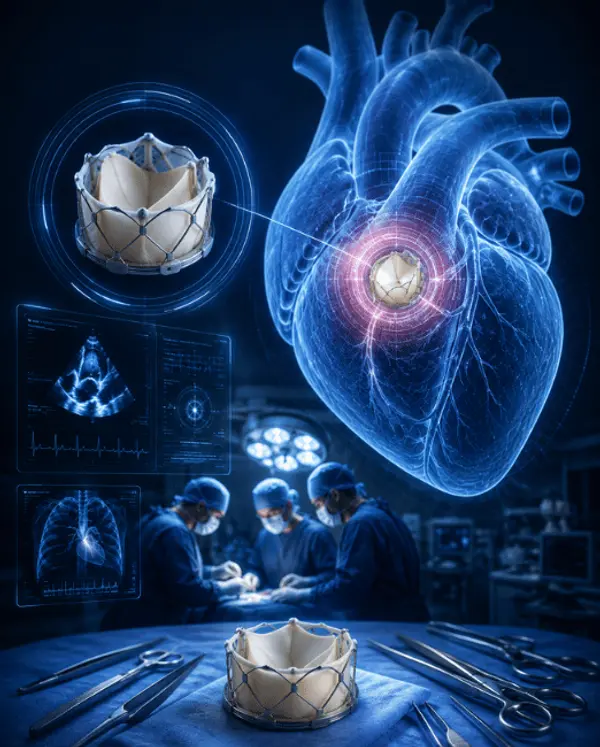
Pulmoner Kapak Replasmanı
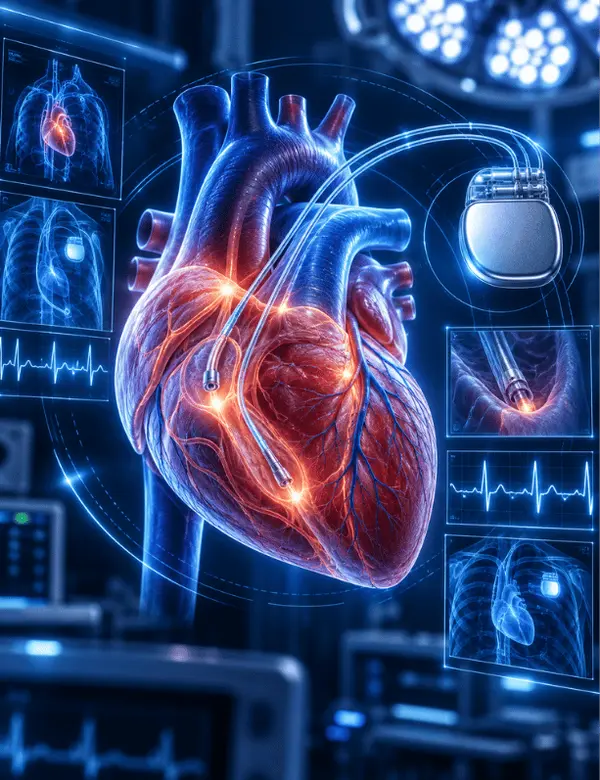
Kalp Pili İmplantasyonu
Aritmi Yönetimi
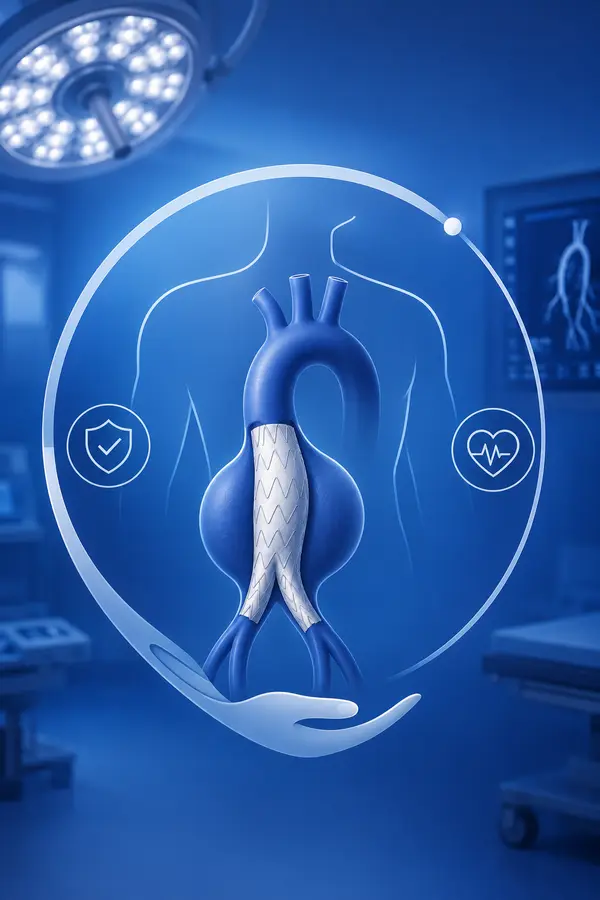
Aort Anevrizması Onarımı
Chronic Total Occlusion (CTO)
En az 3 gün
Yalnızca belirtilen fiyatlar — uçuş ve konaklama ayrıca hesaplanır. Nihai maliyet ücretsiz teklifinizde onaylanır. 2026-07-20 tarihli kurlar.