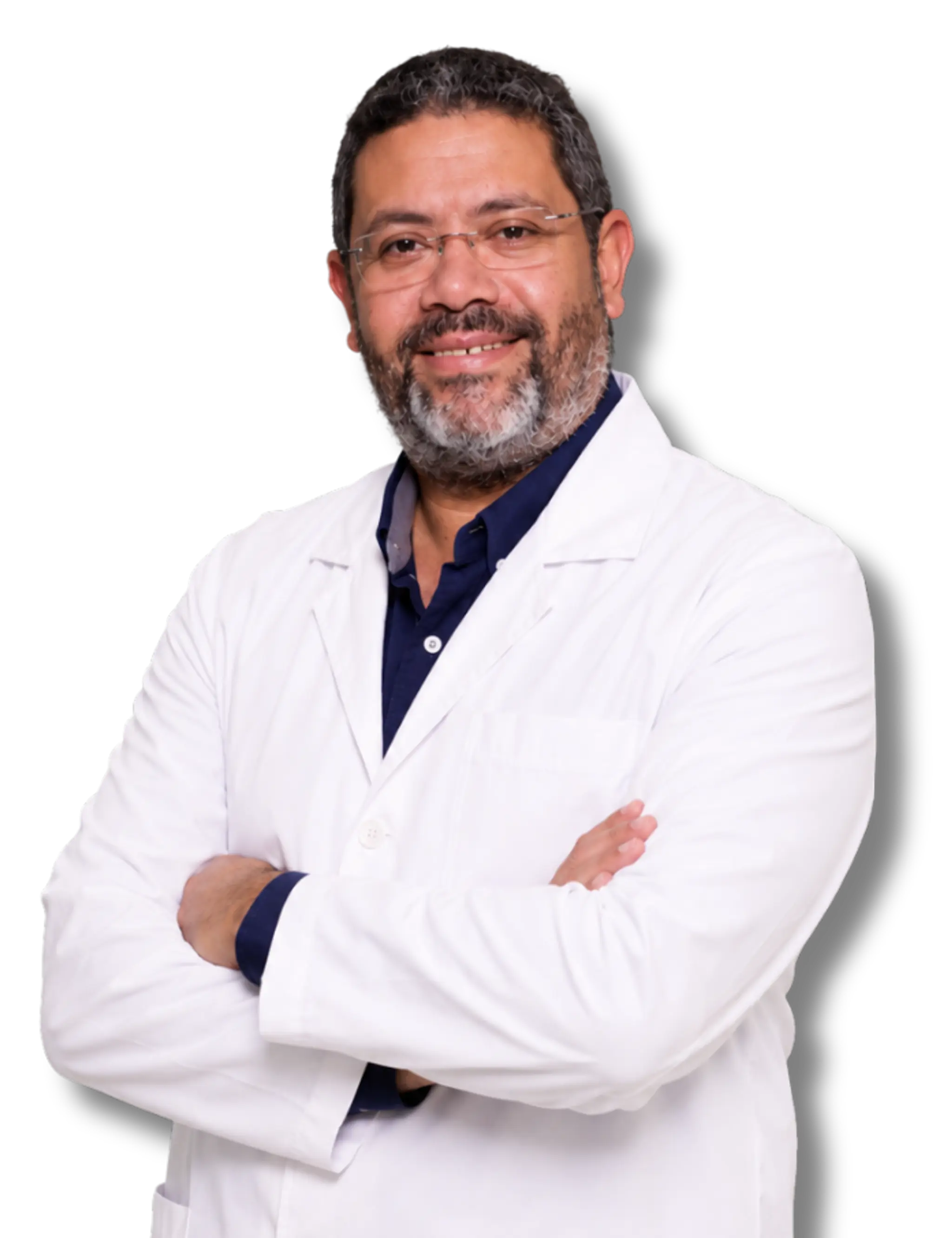
Prof. Dr. Ahmed El Dematy
Kardiyoloji
Consultant of Cardiac Electrophysiology & Heart Rhythm Disorders
Sheikh Zayed City - Gize
Cairo International Airport
yaklaşık 47 km uzaklıkta
Grand Egyptian Museum
yaklaşık 21 km uzaklıkta
Dr. Ahmed El-Damaty – Cardiac Electrophysiology, Arrhythmia and Pacemaker Specialist
Prof. Dr. Ahmed El-Damaty is an Assistant Professor of Cardiology at Cairo University and a Consultant specializing in cardiac electrophysiology, heart rhythm disorders, arrhythmias, and cardiac pacing.
Dr. Ahmed El-Damaty has extensive experience in diagnosing and treating disorders of the heart’s electrical system, including atrial fibrillation, tachycardia, bradycardia, recurrent palpitations, syncope related to arrhythmias, and cardiac conduction disorders.
His expertise also includes electrophysiology studies, EP Study, catheter ablation for selected arrhythmias, pacemaker implantation, and cardiac device programming and follow-up.
Through Macrocare, patients can submit their medical reports and investigations for case review and appointment coordination with Dr. Ahmed El-Damaty.
Dr. Ahmed El-Damaty’s Specialties
The expertise of Dr. Ahmed El-Damaty in cardiac electrophysiology and arrhythmia management includes:
- Diagnosis and treatment of cardiac arrhythmias.
- Evaluation of recurrent heart palpitations.
- Atrial fibrillation treatment.
- Evaluation of tachycardia.
- Supraventricular tachycardia, SVT.
- Evaluation of ventricular tachycardia.
- Bradycardia treatment.
- Cardiac conduction disorder assessment.
- Evaluation of recurrent syncope.
- Electrophysiology Study, EP Study.
- Electrophysiology catheter procedures.
- Catheter ablation for arrhythmias.
- Pacemaker implantation.
- Pacemaker programming and follow-up.
- Evaluation of complex heart rhythm disorders.
- Electrocardiogram, ECG.
- Holter monitoring.
- Arrhythmia evaluation in patients with cardiomyopathy.
Cardiac Arrhythmia Treatment with Dr. Ahmed El-Damaty
A normal heartbeat depends on a precise electrical system that controls the rate and rhythm of the heart.
When this electrical system is disturbed, the heartbeat may become:
- Faster than normal.
- Slower than normal.
- Irregular.
- Intermittently abnormal.
Dr. Ahmed El-Damaty specializes in the diagnosis and treatment of cardiac arrhythmias, identifying the source of the electrical abnormality and determining the most appropriate treatment for each patient.
Symptoms of Heart Rhythm Disorders
Arrhythmias may cause symptoms such as:
- Heart palpitations.
- Sudden rapid heartbeat.
- Irregular pulse.
- A sensation of skipped or extra beats.
- Dizziness.
- Shortness of breath.
- Reduced exercise tolerance.
- Chest discomfort in some cases.
- Near-fainting.
- Loss of consciousness.
The significance of these symptoms depends on the type of arrhythmia and the patient’s underlying heart condition.
Heart Palpitations
Heart palpitations are one of the most common reasons patients consult a cardiac electrophysiologist.
Patients may describe:
- Sudden rapid heartbeat.
- Strong pounding in the chest.
- Irregular heartbeat.
- Skipped beats.
- Extra beats.
- Episodes that start and stop suddenly.
Palpitations do not always indicate a serious condition, but recurrent episodes, especially when associated with dizziness, fainting, shortness of breath, or chest pain, should be medically evaluated.
Dr. Ahmed El-Damaty evaluates whether the symptoms are caused by a true cardiac rhythm disorder and determines the appropriate investigation.
Diagnosis of Palpitations and Arrhythmias
Diagnosis depends on the type and frequency of symptoms.
Investigations may include:
- Electrocardiogram, ECG.
- Holter monitoring.
- Extended rhythm monitoring.
- Echocardiography.
- Blood tests when appropriate.
- Electrophysiology Study, EP Study, in selected cases.
Dr. Ahmed El-Damaty selects the most appropriate diagnostic method based on the patient’s symptoms and suspected rhythm disorder.
Atrial Fibrillation with Dr. Ahmed El-Damaty
Atrial Fibrillation, AF, is one of the most common cardiac arrhythmias.
It occurs when abnormal electrical activity within the atria causes an irregular heartbeat that may also become rapid.
The expertise of Dr. Ahmed El-Damaty includes the diagnosis, assessment, and treatment of patients with atrial fibrillation.
Symptoms of Atrial Fibrillation
Symptoms may include:
- Heart palpitations.
- Irregular pulse.
- Rapid heartbeat.
- Shortness of breath.
- Fatigue.
- Reduced exercise tolerance.
- Dizziness.
- Chest discomfort in some patients.
Some patients experience no symptoms, and atrial fibrillation is discovered during an ECG or routine examination.
Why Does Atrial Fibrillation Require Medical Follow-Up?
Atrial fibrillation is important for more than the sensation of palpitations.
In some patients, it can be associated with an increased risk of:
- Stroke.
- Heart failure.
- Recurrent hospitalization.
- Reduced exercise capacity.
- Impaired quality of life.
Treatment is individualized according to the patient’s age, symptoms, associated medical conditions, and type and duration of atrial fibrillation.
Atrial Fibrillation Treatment
Treatment options may include:
- Heart rate control.
- Antiarrhythmic medications.
- Anticoagulation when clinically indicated.
- Electrical cardioversion in selected patients.
- Catheter ablation in appropriate cases.
- Management of associated cardiovascular conditions.
Dr. Ahmed El-Damaty determines the appropriate strategy after comprehensive evaluation.
Atrial Fibrillation Catheter Ablation
In selected patients, catheter ablation may be used to treat atrial fibrillation.
The procedure involves advancing specialized catheters into the heart, identifying areas involved in initiating or maintaining the abnormal rhythm, and applying energy to targeted tissue to reduce the recurrence of arrhythmia.
Patient selection depends on factors such as:
- Type of atrial fibrillation.
- Duration of the condition.
- Severity of symptoms.
- Structure and function of the heart.
- Response to medications.
- Associated medical conditions.
Tachycardia with Dr. Ahmed El-Damaty
Tachycardia can occur as a result of different abnormalities in the electrical system of the heart.
Episodes may start suddenly and last for seconds, minutes, or hours.
Possible symptoms include:
- Rapid palpitations.
- Dizziness.
- Shortness of breath.
- Chest discomfort.
- Weakness.
- Near-fainting.
- Loss of consciousness in some cases.
Dr. Ahmed El-Damaty evaluates the type and origin of tachycardia to determine whether medication, catheter treatment, or another management strategy is appropriate.
Supraventricular Tachycardia, SVT
Supraventricular Tachycardia, SVT, is a group of rapid heart rhythms that usually originate in the atria or near the atrioventricular node.
Patients may experience an episode of very rapid heartbeat that begins and ends suddenly.
Common types include:
- AVNRT.
- AVRT.
- Certain atrial tachycardias.
- Arrhythmias associated with accessory electrical pathways.
EP Study and catheter ablation can be used for diagnosis and treatment in selected patients.
Wolff-Parkinson-White Syndrome, WPW
Wolff-Parkinson-White Syndrome, WPW, occurs when an additional electrical pathway is present in the heart and may cause episodes of rapid heartbeat.
Possible symptoms include:
- Sudden severe palpitations.
- Rapid pulse.
- Dizziness.
- Shortness of breath.
- Fainting in some cases.
A cardiac electrophysiologist evaluates the accessory pathway and determines whether an electrophysiology study and catheter ablation are appropriate.
Bradycardia
Bradycardia occurs when the heart rate becomes slower than is appropriate for the body’s needs.
A slow heart rate may be normal in some individuals but may also result from an electrical conduction disorder.
Possible causes include:
- Sinus node dysfunction.
- Heart block.
- Electrical conduction abnormalities.
- Certain heart diseases.
- Some medications.
- Age-related changes in the cardiac conduction system.
Symptoms of Bradycardia
Symptoms may include:
- Dizziness.
- Fatigue.
- Reduced ability to exercise.
- Shortness of breath.
- Near-fainting.
- Loss of consciousness.
Dr. Ahmed El-Damaty evaluates the symptoms and cardiac rhythm to determine whether the patient requires observation, adjustment of treatment, or another intervention.
Heart Block and Cardiac Conduction Disorders
Heart block occurs when electrical signals are delayed or interrupted as they travel through the heart.
There are different degrees of conduction block.
Some patients may have no symptoms, while more advanced cases can result in significant bradycardia.
Selected patients may require pacemaker implantation depending on the degree of conduction disturbance and associated symptoms.
Pacemaker Implantation with Dr. Ahmed El-Damaty
The expertise of Dr. Ahmed El-Damaty includes cardiac pacing and pacemaker management.
A pacemaker provides electrical impulses that help maintain an appropriate heart rate when the heart’s natural electrical system is unable to do so.
Pacemaker evaluation may be required in selected cases of:
- Symptomatic bradycardia.
- Sinus node dysfunction.
- Certain degrees of heart block.
- Syncope caused by severe bradycardia.
- Advanced cardiac conduction disorders.
The need for a device and the most appropriate pacemaker type are determined after individual assessment.
Pacemaker Follow-Up and Programming
Management does not end after pacemaker implantation.
Pacemaker follow-up may include:
- Checking battery status.
- Assessing the pacing leads.
- Reviewing the percentage of pacing.
- Identifying recorded arrhythmias.
- Adjusting device settings when necessary.
Dr. Ahmed El-Damaty provides evaluation and follow-up for pacemaker programming and cardiac pacing devices.
Recurrent Syncope and Cardiac Arrhythmias
Syncope, or fainting, can have several causes, including disorders of the heart’s electrical system.
Syncope requires particular attention when it is:
- Recurrent.
- Sudden and without warning.
- Triggered by exertion.
- Associated with palpitations.
- Present in a patient with known heart disease.
- Associated with injury after falling.
- Associated with a family history of sudden cardiac death.
Dr. Ahmed El-Damaty evaluates whether an electrical heart disorder may be responsible for recurrent or unexplained syncope.
Diagnosis of Cardiac Syncope
Evaluation may include:
- ECG.
- Holter monitoring.
- Extended cardiac rhythm monitoring.
- Echocardiography.
- Additional tests according to the clinical presentation.
- Electrophysiology Study in selected patients.
The diagnostic strategy is selected according to the patient’s medical history and characteristics of the fainting episodes.
Electrophysiology Study, EP Study
An Electrophysiology Study, EP Study, is a specialized procedure used to examine the electrical activity of the heart.
Thin catheters are introduced into the heart to record electrical signals, assess how impulses travel through the cardiac conduction system, and identify the source of an abnormal rhythm.
An EP Study can help diagnose a range of complex arrhythmias.
Why Is an EP Study Performed?
An EP Study may be performed to:
- Identify the source of tachycardia.
- Diagnose accessory electrical pathways.
- Evaluate selected patients with recurrent palpitations.
- Investigate certain cases of syncope.
- Assess complex cardiac arrhythmias.
- Plan catheter ablation.
In some cases, the rhythm disorder can be diagnosed and treated with ablation during the same procedure.
Catheter Ablation for Arrhythmias
Catheter Ablation is a treatment used for selected electrical pathways or areas of heart tissue responsible for abnormal rhythms.
After identifying the source of the arrhythmia during an electrophysiology study, energy is applied to the target tissue to interrupt the abnormal electrical circuit.
Catheter ablation can be used to treat several types of arrhythmias depending on the individual diagnosis.
When Is Catheter Ablation Considered?
Catheter ablation may be considered when:
- Episodes of tachycardia are recurrent.
- Symptoms significantly affect daily life.
- The arrhythmia is suitable for catheter treatment.
- Medications are not effective enough.
- Medications cause significant side effects.
- A more definitive rhythm-control strategy is appropriate.
Not every patient with palpitations requires ablation. The rhythm must first be accurately identified.
Holter Monitoring
Holter monitoring is a portable test that continuously records the electrical activity of the heart for a specified period.
It may be used to investigate:
- Intermittent palpitations.
- Irregular heart rhythms.
- Tachycardia.
- Bradycardia.
- Selected cases of dizziness and syncope.
Monitoring may last for 24 hours, 48 hours, or longer depending on how frequently the symptoms occur.
Why Is Recording the Rhythm During Symptoms Important?
Many patients have a normal ECG during a clinic visit because the arrhythmia occurs intermittently.
Recording the heart rhythm while symptoms are occurring can therefore be very important in identifying the exact rhythm disorder.
Monitoring options may include:
- Holter monitoring.
- Event monitors.
- Extended rhythm monitoring.
- Other cardiac monitoring technologies depending on symptom frequency.
Electrocardiogram, ECG
An Electrocardiogram, ECG, is one of the fundamental investigations used to evaluate the electrical system of the heart.
It may identify:
- Atrial fibrillation.
- Certain tachycardias.
- Bradycardia.
- Heart block.
- Accessory pathways.
- Other cardiac conduction abnormalities.
The ECG is interpreted together with the patient’s symptoms and other investigations.
Arrhythmias in Patients with Cardiomyopathy
Patients with weakened, enlarged, or structurally abnormal heart muscle may develop different types of arrhythmias.
These cases may require specialist assessment to determine:
- The type of arrhythmia.
- Its effect on heart function.
- The risk of recurrence.
- The role of medications.
- Whether catheter ablation is appropriate.
- Whether a cardiac device may be indicated in selected patients.
Management is based on both the electrical disorder and the underlying cardiac condition.
When Should You See a Cardiac Electrophysiologist?
Evaluation by Dr. Ahmed El-Damaty or another cardiac electrophysiology specialist may be appropriate if you have:
- Recurrent palpitations.
- Sudden episodes of rapid heartbeat.
- Persistent irregular heartbeat.
- Atrial fibrillation.
- Significant bradycardia.
- Recurrent unexplained fainting.
- Cardiac conduction abnormalities.
- Recurrent SVT.
- A recommendation for EP Study.
- A recommendation for Catheter Ablation.
- A pacemaker requiring specialist follow-up.
Dr. Ahmed El-Damaty’s Qualifications and Experience
Dr. Ahmed El-Damaty is an Assistant Professor in the Department of Cardiovascular Medicine at Cairo University and a Consultant specializing in clinical cardiac electrophysiology, arrhythmia management, and cardiac pacing.
He completed specialized training in Cardiac Electrophysiology at Dalhousie University in Canada, including clinical experience within the QEII Health Sciences Centre.
His clinical and academic experience includes advanced cardiac electrophysiology, arrhythmia management, and cardiac device care.
Dr. Ahmed El-Damaty’s Academic and Research Experience
In addition to clinical practice, Dr. Ahmed El-Damaty has academic and research experience in cardiology and cardiac electrophysiology.
His areas of scientific interest include:
- Atrial fibrillation.
- Supraventricular tachycardia.
- Catheter ablation for arrhythmias.
- Electrophysiology studies.
- Cardiac rhythm disorders.
Why Do Patients Consult Dr. Ahmed El-Damaty?
Patients may seek an evaluation with Dr. Ahmed El-Damaty for specialized management of:
Cardiac electrophysiology – arrhythmia – heart palpitations – atrial fibrillation – tachycardia – SVT – bradycardia – heart block – recurrent syncope – EP Study – catheter ablation – pacemaker implantation – pacemaker programming and follow-up.
Book an Appointment with Dr. Ahmed El-Damaty Through Macrocare
If you are searching for:
Dr. Ahmed El-Damaty cardiac electrophysiologist
Dr. Ahmed El-Damaty arrhythmia specialist
Dr. Ahmed El-Damaty atrial fibrillation
Dr. Ahmed El-Damaty catheter ablation
Dr. Ahmed El-Damaty pacemaker
Cardiac electrophysiologist in Egypt
Arrhythmia specialist in Cairo
or you need a specialist evaluation for heart palpitations, irregular heartbeat, tachycardia, bradycardia, atrial fibrillation, recurrent fainting, EP Study, catheter ablation, or pacemaker management, you can submit your case to Macrocare.
For an initial case review, patients may provide:
- Medical reports.
- ECG results.
- Holter monitoring reports.
- Echocardiography reports.
- Previous hospital records.
- Previous EP Study or ablation reports, if available.
- Pacemaker or cardiac device information, if applicable.
- Current medications.
- Description and timing of palpitations, dizziness, or syncope.
The Macrocare team can help organize the medical file and coordinate the appropriate consultation or appointment with Dr. Ahmed El-Damaty.
Frequently Asked Questions About Dr. Ahmed El-Damaty
What Is Dr. Ahmed El-Damaty’s Specialty?
Dr. Ahmed El-Damaty is an Assistant Professor and Consultant of Cardiology specializing in cardiac electrophysiology, arrhythmias, heart rhythm disorders, and cardiac pacing.
Is Dr. Ahmed El-Damaty an Arrhythmia Specialist?
Yes. The expertise of Dr. Ahmed El-Damaty includes the diagnosis and treatment of different types of cardiac arrhythmias, including atrial fibrillation, tachycardia, bradycardia, and electrical conduction disorders.
Does Dr. Ahmed El-Damaty Treat Atrial Fibrillation?
Yes. Dr. Ahmed El-Damaty evaluates and treats patients with atrial fibrillation, including assessment for medications, cardioversion, anticoagulation, and catheter ablation when appropriate.
Does Dr. Ahmed El-Damaty Perform EP Studies?
Yes. Electrophysiology Study, EP Study, is one of the specialized procedures used to identify the source of certain cardiac arrhythmias and guide treatment.
Does Dr. Ahmed El-Damaty Perform Catheter Ablation?
Yes. The expertise of Dr. Ahmed El-Damaty includes electrophysiology procedures and catheter ablation for selected heart rhythm disorders.
Is Dr. Ahmed El-Damaty a Pacemaker Specialist?
Yes. Dr. Ahmed El-Damaty specializes in cardiac electrophysiology and pacing, including pacemaker implantation, follow-up, and programming.
Does Dr. Ahmed El-Damaty Treat SVT?
Yes. His expertise includes the diagnosis and treatment of different forms of Supraventricular Tachycardia, SVT, including evaluation for electrophysiology study and catheter ablation when appropriate.
Can Fainting Be Caused by a Heart Rhythm Problem?
Yes. Some cases of fainting can result from significant bradycardia, rapid arrhythmias, or cardiac conduction disorders. Recurrent or unexplained syncope may therefore require specialist cardiac rhythm evaluation.
When Does a Patient Need a Pacemaker?
A pacemaker may be recommended for selected patients with significant bradycardia or advanced cardiac conduction disorders that cause symptoms or create a clinically important risk. The decision is made after specialist evaluation.
How Can I Book an Appointment with Dr. Ahmed El-Damaty?
You can contact Macrocare and submit the patient’s medical reports, ECG, Holter monitoring, echocardiography, and other available investigations. The Macrocare team can help organize the medical file and coordinate the appropriate consultation or appointment with Dr. Ahmed El-Damaty.
İşlemler
Prof. Dr. Ahmed El Dematy ile tedaviler
Bu sağlayıcının sunduğu işlemler, gerçek başlangıç fiyatlarıyla.
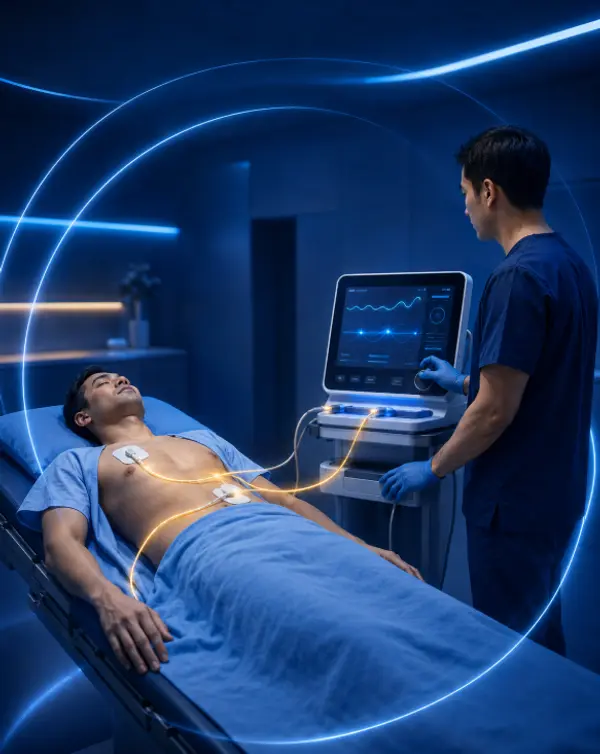
Kardiyoversiyon Tedavisi
En az 1 gün
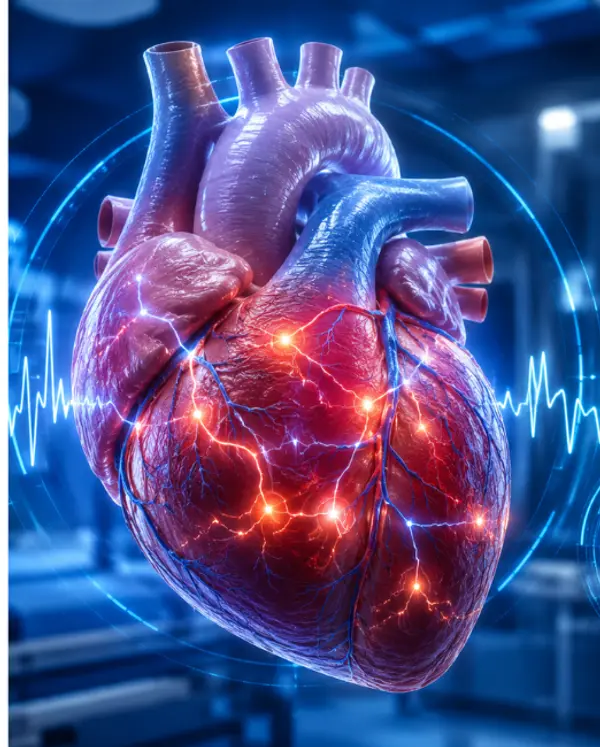
Aritmi Yönetimi
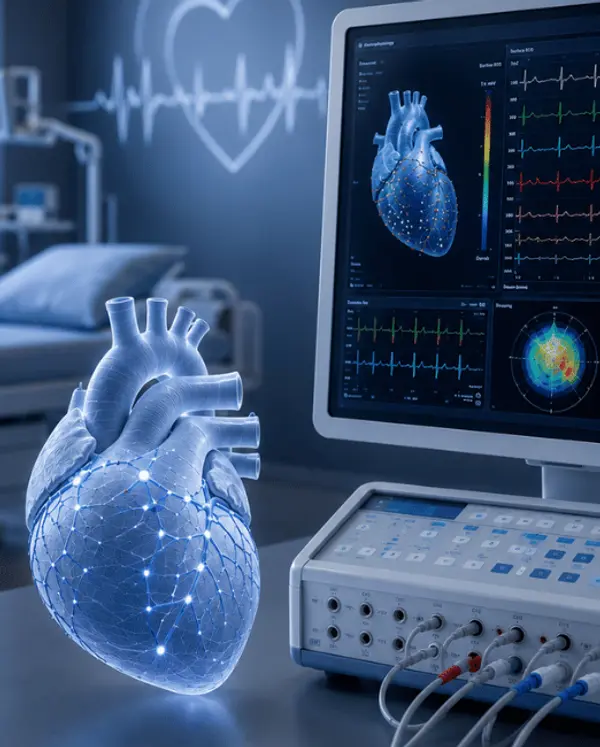
Elektrofizyolojik Çalışmalar
Yalnızca belirtilen fiyatlar — uçuş ve konaklama ayrıca hesaplanır. Nihai maliyet ücretsiz teklifinizde onaylanır. 2026-07-20 tarihli kurlar.
Sıkça Sorulan Sorular
Prof. Dr. Ahmed El Dematy, Gize şehrinde bulunur ve doğrulanmış Macrocare sağlayıcı ağının parçasıdır.
Prof. Dr. Ahmed El Dematy, Macrocare üzerinden 3 tedavi sunuyor; fiyatlar $1.000 seviyesinden başlıyor. Her fiyat tahmin değil, sağlayıcının kendi fiyatıdır.
Prof. Dr. Ahmed El Dematy şu alanları kapsar: Kardiyoloji.
Ücretsiz talep gönderin; Macrocare koordinatörü Prof. Dr. Ahmed El Dematy ile uygunluk ve fiyatı teyit eder, ardından randevu, seyahat ve takibi düzenler. Hastalar için ücretsizdir.