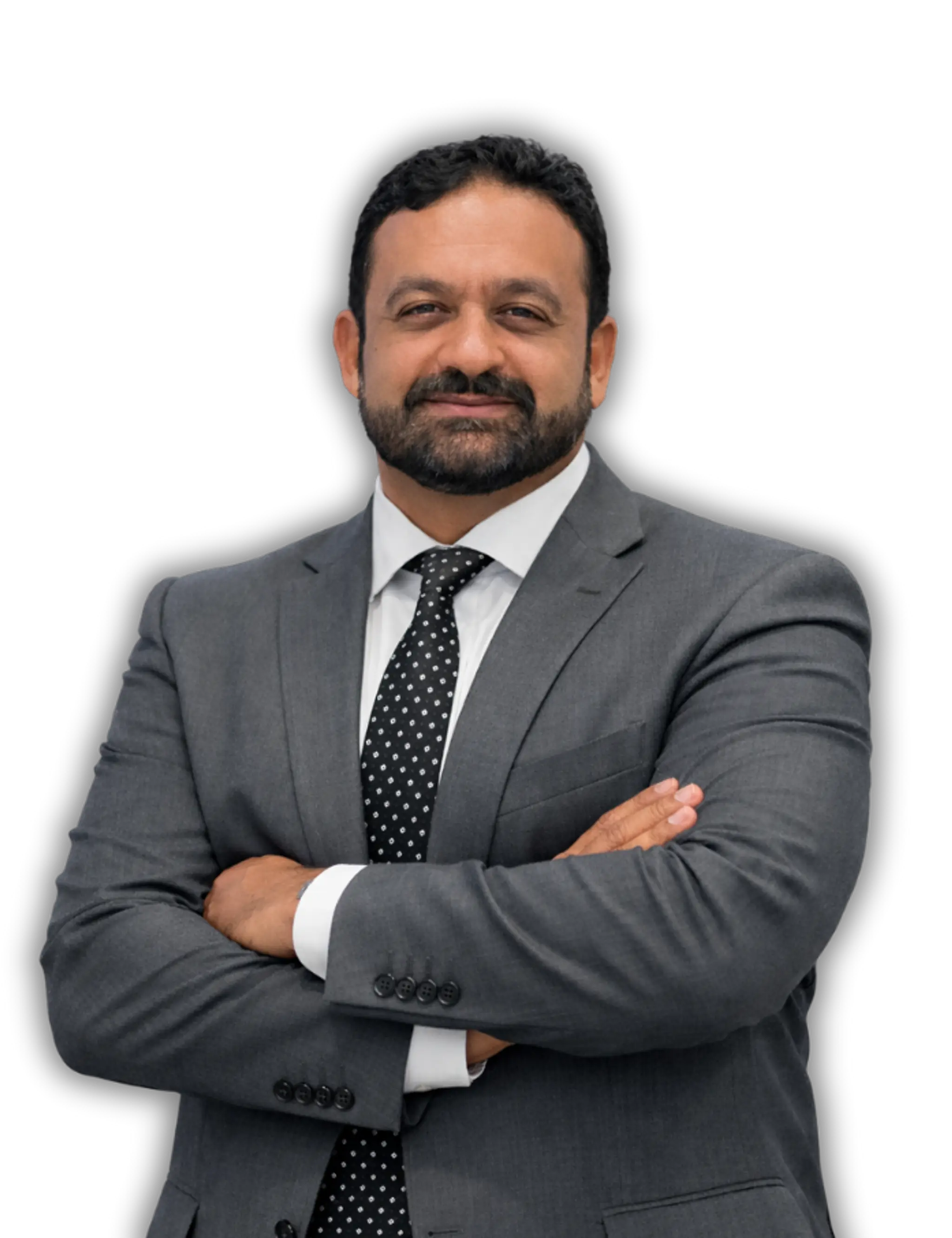
Prof. Dr Mohamed Alaa El-Din Habib
Beyin ve Sinir Cerrahisi
Professor of Neurosurgery at the Faculty of Medicine, Ain Shams University, with advanced expertise in microsurgical neurosurgery, neurointervention, cerebral vascular surgery, brain aneurysm treatment, arteriovenous malformations, acute ischemic stroke
El Shorouk - Kahire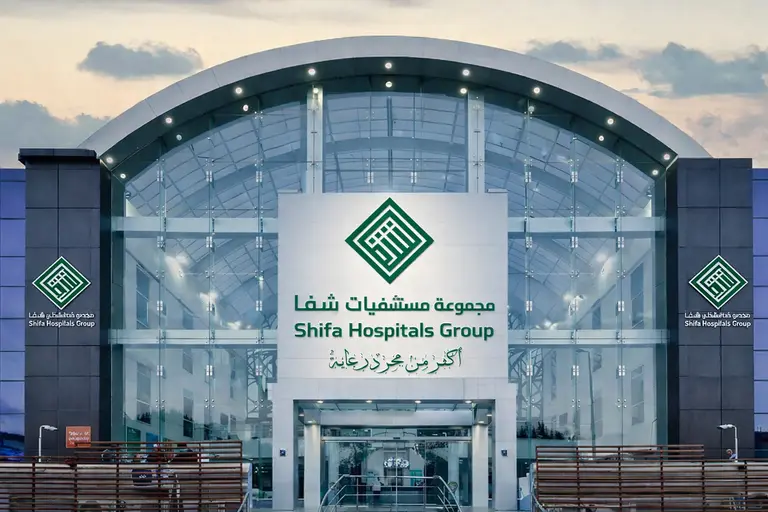
Cairo International Airport
yaklaşık 10 km uzaklıkta
Dr. Mohamed Alaa El-Din Habib is a Professor of Neurosurgery at the Faculty of Medicine, Ain Shams University, with advanced expertise in microsurgical neurosurgery, neurointervention, cerebral vascular surgery, brain aneurysm treatment, arteriovenous malformations, acute ischemic stroke intervention, brain tumors, skull base surgery, and spine surgery.
Dr. Mohamed Alaa El-Din Habib combines experience in microsurgical neurosurgery and endovascular neurointervention, allowing complex cases to be evaluated from both surgical and catheter-based perspectives.
His expertise includes advanced and uncommon cerebrovascular conditions such as Brain Aneurysms, AVMs, Vein of Galen Malformation, Blister-like Aneurysms, as well as emergency stroke intervention using Mechanical Thrombectomy in appropriate patients.
Through Macrocare, patients can submit medical reports, MRI, CT angiography, cerebral angiography images, and previous operative records for case review and appointment coordination with Dr. Mohamed Alaa El-Din Habib.
Dr. Mohamed Alaa El-Din Habib’s Specialties
The expertise of Dr. Mohamed Alaa El-Din Habib includes:
- Neurosurgery.
- Microsurgical neurosurgery.
- Diagnostic cerebral angiography.
- Therapeutic cerebral angiography.
- Neurointervention.
- Cerebrovascular neurosurgery.
- Brain aneurysm treatment.
- Brain aneurysm coiling.
- Flow diverter treatment.
- Stent-assisted coiling.
- AVM treatment.
- Vein of Galen malformation treatment.
- Blister-like aneurysm treatment.
- Selected DAVF treatment.
- Mechanical thrombectomy.
- Acute ischemic stroke intervention.
- Brain tumor surgery.
- Skull base surgery.
- Meningioma surgery.
- Selected glioma surgery.
- Treatment of raised intracranial pressure.
- Peripheral nerve surgery.
- Spine surgery.
- Lumbar disc surgery.
- Cervical disc surgery.
- Spinal stenosis surgery.
- Spinal fracture fixation.
- Cervical, thoracic, and lumbar spine surgery.
Cerebral Angiography and Neurointervention with Dr. Mohamed Alaa El-Din Habib
Cerebral Angiography and Neurointervention are advanced techniques used to diagnose and treat vascular diseases of the brain.
In selected cases, neurointervention allows the disease to be treated from inside the blood vessels without conventional open surgery.
These techniques may be used for:
- Brain aneurysms.
- AVMs.
- Selected vascular fistulas.
- Large-vessel stroke.
- Complex cerebrovascular malformations.
What Is Cerebral Angiography?
During Cerebral Angiography, a thin catheter is introduced through an artery and guided toward the blood vessels supplying the brain.
The procedure may be used for:
- Diagnosis.
- Coiling.
- Stent placement.
- Flow diversion.
- Embolization.
- Mechanical thrombectomy.
The exact technique depends on the diagnosis and vascular anatomy.
Brain Aneurysm Treatment with Dr. Mohamed Alaa El-Din Habib
A Brain Aneurysm is a weakened, bulging area in the wall of a cerebral artery.
It may be discovered:
- Incidentally.
- During neurological investigation.
- After intracranial hemorrhage.
- During vascular imaging.
Treatment depends on factors such as:
- Aneurysm size.
- Location.
- Neck configuration.
- Previous rupture.
- Patient age.
- General health.
- Surrounding vascular anatomy.
Does Every Brain Aneurysm Need Treatment?
No.
Some small aneurysms may be monitored, while others require endovascular or surgical treatment.
The decision depends on:
- Estimated rupture risk.
- Aneurysm size.
- Change over time.
- Location.
- Symptoms.
- History of previous bleeding.
- Individual patient risk factors.
Brain Aneurysm Coiling
Aneurysm Coiling is one of the main endovascular techniques used to treat selected brain aneurysms.
Small coils are placed inside the aneurysm through a catheter to reduce blood flow into it and help isolate it from the circulation.
Suitability depends on:
- Aneurysm size.
- Neck width.
- Location.
- Parent artery anatomy.
Stent-Assisted Coiling
Stent-Assisted Coiling may be used for selected wide-neck aneurysms.
A stent is placed in the parent artery to support the coils and keep them inside the aneurysm.
Flow Diverter Treatment
A Flow Diverter is a specialized stent used for selected complex cerebral aneurysms.
It redirects blood flow along the parent artery and reduces flow into the aneurysm.
It may be considered for:
- Wide-neck aneurysms.
- Large aneurysms.
- Complex aneurysms.
- Aneurysms that are less suitable for conventional coiling.
Blister-like Aneurysms
Blister-like Aneurysms are uncommon and technically challenging aneurysms.
They differ from typical saccular aneurysms in their morphology and vessel-wall characteristics.
Treatment may require advanced strategies such as:
- Flow diversion.
- Stent-based techniques.
- Other complex endovascular approaches.
These cases require careful individualized planning.
Vein of Galen Malformation
Vein of Galen Malformation – VOGM is a rare cerebrovascular malformation caused by abnormal high-flow connections involving deep cerebral vessels.
It often presents in infants or children and may lead to:
- Heart failure.
- Hydrocephalus.
- Neurological symptoms.
- Developmental problems.
- Abnormal cerebral blood flow.
Endovascular Treatment of Vein of Galen Malformation
Treatment commonly involves Endovascular Embolization to close abnormal vascular connections in a controlled manner.
Some patients may require more than one treatment session depending on:
- Size of the malformation.
- Number of feeding vessels.
- Patient age.
- Cardiac status.
- Neurological condition.
Brain AVM Treatment with Dr. Mohamed Alaa El-Din Habib
A Brain Arteriovenous Malformation – AVM is an abnormal connection between arteries and veins within the brain.
It may present with:
- Intracranial hemorrhage.
- Seizures.
- Headache.
- Weakness or numbness.
- Other neurological symptoms.
Treatment Options for Brain AVM
Management may include:
- Endovascular embolization.
- Microsurgical resection.
- Stereotactic radiosurgery.
- Combined treatment.
The choice depends on:
- AVM size.
- Location.
- Relationship to eloquent brain regions.
- Feeding arteries.
- Venous drainage.
- Previous hemorrhage.
AVM Embolization
Endovascular Embolization may be used to close selected feeding vessels supplying an AVM.
It may be performed:
- As a primary treatment in selected cases.
- Before microsurgery.
- Before stereotactic radiosurgery.
- As part of a staged treatment strategy.
Acute Ischemic Stroke and Mechanical Thrombectomy
An Acute Ischemic Stroke may occur when a major cerebral artery becomes blocked by a blood clot.
In selected patients, Mechanical Thrombectomy can be used to remove the clot and restore blood flow.
Mechanical Thrombectomy with Dr. Mohamed Alaa El-Din Habib
During Mechanical Thrombectomy, a catheter is advanced to the blocked artery and the clot is removed.
Techniques may include:
- Stent Retriever.
- Aspiration Catheter.
- Combined thrombectomy techniques.
The method is selected according to the location of the blockage and vascular anatomy.
When Is Mechanical Thrombectomy Appropriate?
Selection depends on:
- Time of symptom onset.
- Location of arterial occlusion.
- CT Brain.
- CT Angiography.
- CT Perfusion in selected cases.
- MRI or MR Perfusion in selected patients.
- Extent of established brain injury.
- Amount of potentially salvageable brain tissue.
Symptoms of Acute Stroke
Urgent symptoms include:
- Sudden facial weakness.
- Sudden weakness in an arm or leg.
- Difficulty speaking.
- Inability to understand speech.
- Sudden visual disturbance.
- Sudden loss of balance.
- Severe unexplained dizziness.
- Reduced consciousness.
Stroke is a medical emergency, and rapid assessment is essential.
Cerebrovascular Neurosurgery with Dr. Mohamed Alaa El-Din Habib
Cerebrovascular Neurosurgery involves treating diseases of the brain’s blood vessels using:
- Microsurgery.
- Neurointervention.
- Hybrid treatment strategies.
- Multidisciplinary approaches.
Conditions may include:
- Brain aneurysms.
- AVMs.
- Selected DAVFs.
- Vascular malformations.
- Complex cerebral vascular lesions.
Microsurgical Neurosurgery
Microsurgical Neurosurgery uses magnification and fine surgical techniques to access deep or delicate structures of the brain.
It may be used for:
- Selected aneurysms.
- Selected AVMs.
- Brain tumors.
- Skull base tumors.
- Selected nerve compression disorders.
Brain Tumor Surgery with Dr. Mohamed Alaa El-Din Habib
The expertise of Dr. Mohamed Alaa El-Din Habib includes surgery for selected benign and malignant Brain Tumors.
These may include:
- Meningioma.
- Glioma.
- Glioblastoma.
- Brain metastases.
- Selected pituitary tumors.
- Skull base tumors.
Symptoms of Brain Tumors
Symptoms depend on tumor location and may include:
- Persistent headache.
- Seizures.
- Weakness.
- Speech disturbance.
- Visual changes.
- Balance problems.
- Memory or behavioral changes.
- Recurrent vomiting in selected cases.
These symptoms do not automatically indicate a brain tumor, but persistent neurological symptoms require evaluation.
Brain Tumor Resection
Surgery may be performed to:
- Obtain a tissue diagnosis.
- Remove as much tumor as safely possible.
- Reduce pressure on the brain.
- Improve access to an accurate pathological diagnosis.
The extent of resection depends on tumor location and proximity to critical neurological structures.
Meningioma Surgery
A Meningioma arises from the membranes surrounding the brain.
Some meningiomas only require monitoring, while surgery may be considered when the tumor:
- Is large.
- Is growing.
- Causes neurological symptoms.
- Compresses the brain.
- Is close to important nerves or blood vessels.
Glioma Surgery
Gliomas arise from supportive cells within the brain and vary considerably in biological behavior.
Treatment may include:
- Surgery.
- Pathology.
- Molecular testing.
- Radiotherapy.
- Chemotherapy.
- Multidisciplinary follow-up.
Skull Base Tumor Surgery with Dr. Mohamed Alaa El-Din Habib
Skull Base Tumors may develop close to major nerves, arteries, and deep brain structures.
They may include:
- Meningiomas.
- Schwannomas.
- Selected pituitary-region tumors.
- Other complex lesions.
These cases require careful surgical planning because of their proximity to:
- Cranial nerves.
- Carotid arteries.
- Brainstem.
- Major cerebral vessels.
Raised Intracranial Pressure
Raised Intracranial Pressure may develop because of:
- Brain tumors.
- Intracranial hemorrhage.
- Hydrocephalus.
- Brain swelling.
- Traumatic injury.
Symptoms may include:
- Headache.
- Vomiting.
- Visual changes.
- Reduced consciousness.
- Neurological deterioration.
Treatment depends on the underlying cause.
Peripheral Nerve Surgery
Selected Peripheral Nerve Disorders may require surgical assessment.
These may include:
- Nerve injuries.
- Nerve compression.
- Selected nerve tumors.
- Upper or lower limb nerve lesions.
Assessment may include neurological examination, EMG/NCS, and imaging.
Spine Surgery with Dr. Mohamed Alaa El-Din Habib
The expertise of Dr. Mohamed Alaa El-Din Habib includes the surgical assessment of spinal conditions causing nerve or spinal cord compression.
These may include:
- Disc herniation.
- Spinal stenosis.
- Spinal fractures.
- Spinal instability.
- Selected spinal cord compression conditions.
Lumbar Disc Herniation
Lumbar Disc Herniation may cause:
- Lower back pain.
- Sciatica.
- Leg pain.
- Numbness.
- Muscle weakness.
Not every lumbar disc herniation requires surgery.
When Does a Slipped Disc Need Surgery?
Surgery may be considered when there is:
- Significant nerve compression.
- Muscle weakness.
- Persistent symptoms despite appropriate treatment.
- Neurological deterioration.
- Loss of bladder or bowel control as an emergency.
Cervical Disc Herniation
Cervical Disc Herniation may compress nerve roots or the spinal cord.
Symptoms may include:
- Neck pain.
- Arm pain.
- Hand numbness.
- Arm or hand weakness.
- Walking difficulty if the spinal cord is compressed.
Spinal Canal Stenosis
Spinal Canal Stenosis may occur in the:
- Cervical spine.
- Thoracic spine.
- Lumbar spine.
It can cause compression of the nerves or spinal cord.
Spinal Fracture Fixation
Spinal Fractures may result from:
- Trauma.
- Falls.
- Osteoporosis.
- Selected tumors.
Treatment depends on:
- Fracture type.
- Spinal stability.
- Nerve compression.
- Neurological status.
Cervical, Thoracic and Lumbar Spine Surgery
Spinal surgery may involve conditions affecting different parts of the spine, including:
- Cervical disc disease.
- Thoracic spinal cord compression.
- Lumbar disc disease.
- Spinal stenosis.
- Instability.
- Selected fractures.
Does Every Spine Condition Need Surgery?
No.
Many spinal disorders can be managed with:
- Medication.
- Rehabilitation.
- Activity modification.
- Selected injections.
- Observation.
Surgery is considered when there is a clear structural problem, progressive neurological deficit, or persistent symptoms that justify intervention.
Second Opinion for Complex Neurovascular Cases
A Second Opinion may be particularly useful for patients with:
- Brain aneurysm.
- AVM.
- Vein of Galen malformation.
- Blister-like aneurysm.
- Skull base tumor.
- Tumor involving major vessels.
- Previous neurointerventional treatment.
- Previous surgery or catheter treatment with unresolved disease.
Importance of Original Angiography Images
For cerebrovascular conditions, the written angiography report alone may not provide enough information.
Patients should preferably provide:
- DSA images.
- Cerebral angiography CD.
- CTA.
- MRA.
- MRI Brain.
- Previous interventional reports.
Treatment planning often depends heavily on the exact vascular anatomy.
Dr. Mohamed Alaa El-Din Habib’s Academic and Scientific Experience
Dr. Mohamed Alaa El-Din Habib has academic and scientific activity in areas including:
- Brain aneurysms.
- Stroke.
- Neurointervention.
- Cerebrovascular neurosurgery.
His experience also includes participation in regional treatment guidance, scientific research, and development of training and quality standards in neurointerventional practice.
Dr. Mohamed Alaa El-Din Habib’s Treatment Approach
Dr. Mohamed Alaa El-Din Habib evaluates each case according to the neurological diagnosis, vascular anatomy, and available treatment options.
His approach may include:
- Detailed neurological examination.
- Review of MRI and CT.
- Review of CTA or MRA.
- Review of cerebral angiography.
- Assessment of the relationship between lesions, blood vessels, and neurological structures.
- Comparison of surgical and endovascular options.
- Selection of the least invasive appropriate treatment.
- Clear discussion of treatment options with patients and families.
- Follow-up after intervention.
Dr. Mohamed Alaa El-Din Habib’s Experience
Dr. Mohamed Alaa El-Din Habib is a Professor of Neurosurgery at the Faculty of Medicine, Ain Shams University, with advanced expertise in microsurgical neurosurgery, neurointervention, and cerebrovascular surgery.
His areas of expertise include:
- Neurointervention.
- Brain Aneurysm Treatment.
- AVM Treatment.
- Mechanical Thrombectomy.
- Flow Diversion.
- Complex Cerebrovascular Surgery.
- Brain Tumor Surgery.
- Skull Base Surgery.
- Spine Surgery.
Why Do Patients Consult Dr. Mohamed Alaa El-Din Habib?
Patients may seek an evaluation with Dr. Mohamed Alaa El-Din Habib for specialized management of:
Neurosurgery – neurointervention – cerebral angiography – brain aneurysm – aneurysm coiling – flow diverter – AVM – Vein of Galen Malformation – blister-like aneurysm – mechanical thrombectomy – acute stroke intervention – brain tumor surgery – skull base surgery – lumbar disc surgery – spine surgery.
Book an Appointment with Dr. Mohamed Alaa El-Din Habib Through Macrocare
If you are searching for:
Dr. Mohamed Alaa El-Din Habib
Dr. Mohamed Alaa El-Din Habib neurosurgeon
Dr. Mohamed Alaa El-Din Habib neurointervention
Dr. Mohamed Alaa El-Din Habib brain aneurysm
Dr. Mohamed Alaa El-Din Habib AVM
Dr. Mohamed Alaa El-Din Habib stroke thrombectomy
Neurointerventional surgeon in Egypt
Brain aneurysm specialist in Egypt
AVM specialist in Egypt
Mechanical thrombectomy specialist in Egypt
Cerebrovascular neurosurgeon in Egypt
or you need a specialist opinion for a brain aneurysm, AVM, Vein of Galen malformation, complex vascular lesion, acute stroke, brain tumor, skull base tumor, or spinal condition, you can submit the case to Macrocare.
For an initial case review, patients should preferably provide:
- Medical reports.
- MRI Brain.
- CT Brain.
- CT Angiography.
- MR Angiography.
- Cerebral Angiography.
- Original angiography images if available.
- Previous neurointerventional reports.
- Previous operative reports.
- Pathology reports for tumor cases.
- MRI Spine for spinal conditions.
- Current medication list.
- Antiplatelet and anticoagulant medications if relevant.
For Brain Aneurysm, AVM, Vein of Galen Malformation, and Blister-like Aneurysm, it is particularly useful to send the original cerebral angiography images rather than the written report alone.
The Macrocare team can help organize the medical file and coordinate the appropriate consultation or appointment with Dr. Mohamed Alaa El-Din Habib.
Frequently Asked Questions About Dr. Mohamed Alaa El-Din Habib
What Is Dr. Mohamed Alaa El-Din Habib’s Specialty?
Dr. Mohamed Alaa El-Din Habib is a Professor of Neurosurgery specializing in neurointervention, cerebrovascular neurosurgery, brain tumor surgery, skull base surgery, and spine surgery.
Is Dr. Mohamed Alaa El-Din Habib a Neurointerventional Specialist?
Yes. Neurointervention and cerebral catheter-based treatment are among his main areas of expertise.
Does Dr. Mohamed Alaa El-Din Habib Treat Brain Aneurysms?
Yes. His expertise includes Brain Aneurysm Treatment using endovascular and cerebrovascular neurosurgical techniques according to aneurysm anatomy.
Does Dr. Mohamed Alaa El-Din Habib Perform Coiling?
Yes. Aneurysm Coiling is one of the endovascular techniques used for selected cerebral aneurysms.
Does Dr. Mohamed Alaa El-Din Habib Use Flow Diverters?
Yes. Flow Diverter Stents are among the advanced endovascular techniques used for selected complex or wide-neck aneurysms.
Does Dr. Mohamed Alaa El-Din Habib Treat AVMs?
Yes. His expertise includes Arteriovenous Malformation – AVM treatment using endovascular, surgical, or multidisciplinary approaches depending on the case.
Does Dr. Mohamed Alaa El-Din Habib Treat Vein of Galen Malformation?
Yes. His cerebrovascular and neurointerventional expertise includes management of complex vascular conditions such as Vein of Galen Malformation.
Does Dr. Mohamed Alaa El-Din Habib Treat Blister-like Aneurysms?
Yes. His expertise includes advanced treatment strategies for Blister-like Aneurysms, depending on vascular anatomy and clinical presentation.
Does Dr. Mohamed Alaa El-Din Habib Perform Mechanical Thrombectomy?
Yes. His neurointerventional practice includes Mechanical Thrombectomy for selected patients with acute large-vessel ischemic stroke.
Does Dr. Mohamed Alaa El-Din Habib Perform Brain Tumor Surgery?
Yes. His neurosurgical practice includes surgery for selected benign and malignant Brain Tumors.
Does Dr. Mohamed Alaa El-Din Habib Perform Skull Base Surgery?
Yes. His expertise includes Skull Base Surgery for selected complex tumors located close to critical nerves and blood vessels.
Does Dr. Mohamed Alaa El-Din Habib Treat Slipped Discs?
Yes. His spine practice includes evaluation and surgical treatment of selected cervical and lumbar disc herniations.
Does Dr. Mohamed Alaa El-Din Habib Treat Spinal Stenosis?
Yes. Spinal Stenosis can be evaluated to determine whether conservative management or surgical decompression is appropriate.
What Imaging Should I Send for a Brain Aneurysm or AVM Review?
It is useful to provide MRI, CTA or MRA, and the original cerebral angiography images if an angiogram has already been performed.
Can I Get a Second Opinion Before Brain Surgery or Neurointervention?
Yes. A Second Opinion can be particularly useful in complex cerebrovascular and neurosurgical cases, especially when more than one treatment option is possible.
Can International Patients Receive a Case Review Before Traveling to Egypt?
Yes. Patients can submit reports, imaging, and cerebral angiography studies through Macrocare for case review and consultation coordination before traveling.
How Can I Book an Appointment with Dr. Mohamed Alaa El-Din Habib?
You can contact Macrocare and submit the patient’s medical file, imaging, and previous angiography studies. The Macrocare team can help organize the case and coordinate the appropriate consultation or appointment with Dr. Mohamed Alaa El-Din Habib.
Prof. Dr Mohamed Alaa El-Din Habib ile tedaviler
Bu sağlayıcının sunduğu işlemler, gerçek başlangıç fiyatlarıyla.
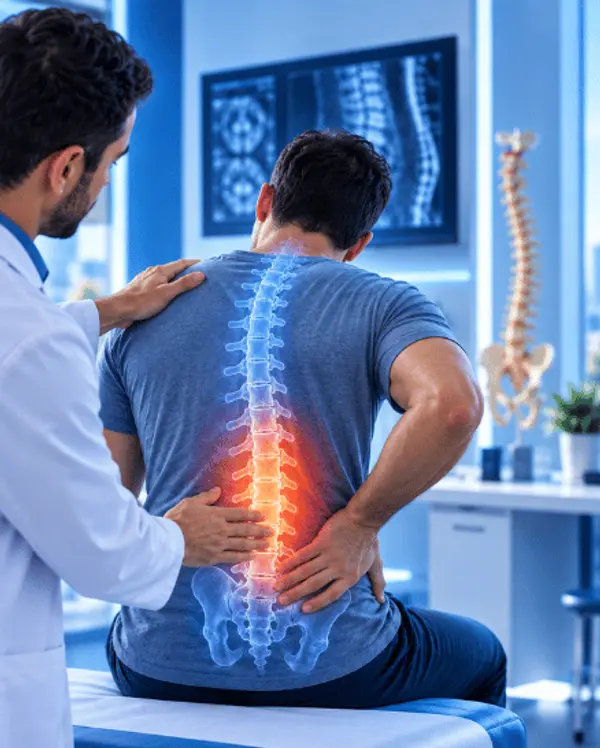
Omurga ağrısı ve yaralanma tedavisi
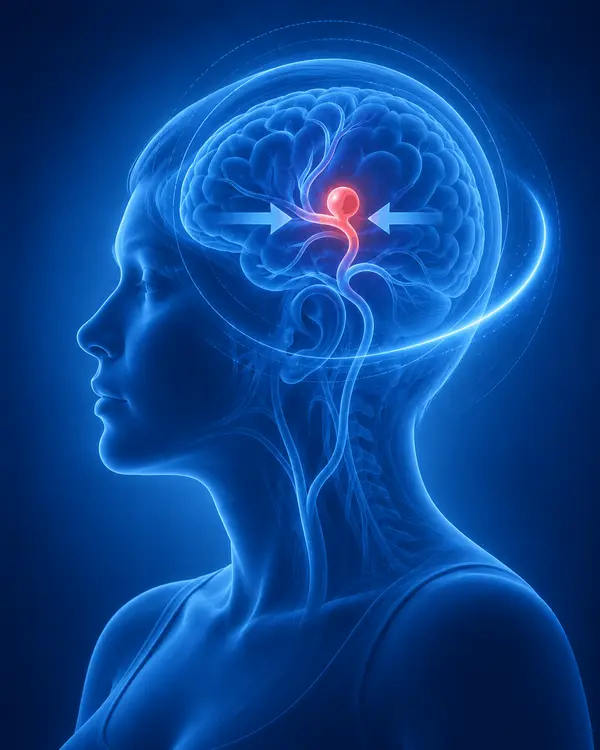
Brain Aneurysm Embolization (Endovascular Coiling)
En az 3 gün
Yalnızca belirtilen fiyatlar — uçuş ve konaklama ayrıca hesaplanır. Nihai maliyet ücretsiz teklifinizde onaylanır. 2026-07-20 tarihli kurlar.