
Dr. Wael Saber
Genel Cerrahi
General Surgery Consultant and Laser Anorectal Treatment Specialist
Nasr City - Kahire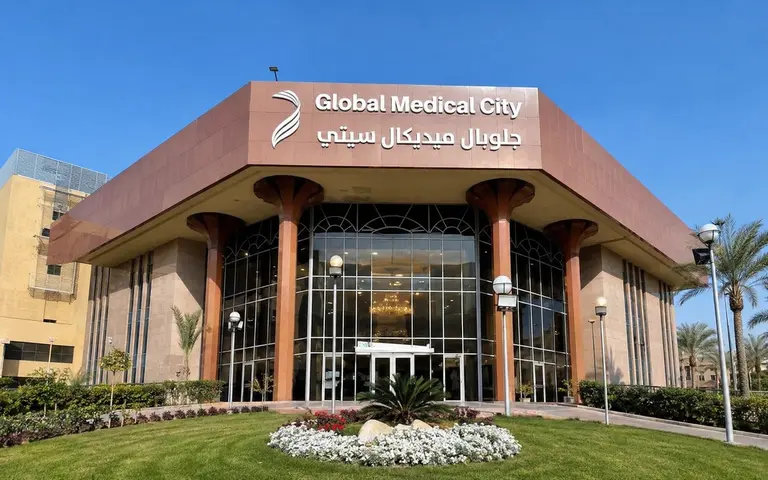
Cairo International Airport
yaklaşık 45 km uzaklıkta
Grand Egyptian Museum
yaklaşık 35 km uzaklıkta
Dr. Wael Saber is a General Surgery Consultant with a special focus on the diagnosis and treatment of anorectal conditions using appropriate surgical techniques, including laser treatment for selected anal and rectal conditions when medically suitable.
His areas of practice include hemorrhoids, anal fissures, anal fistulas, abscesses, anal pain, hernia surgery, gallbladder conditions, cholecystectomy, appendicitis, intestinal obstruction, and other general surgical conditions.
Treatment varies from one patient to another. Some conditions may be managed with medication, lifestyle changes, or observation, while others may require a medical procedure or surgery. The appropriate treatment is determined according to the diagnosis, severity, symptoms, examination findings, and necessary investigations.
Patients can submit their medical case to Macrocare for medical file organization, case review coordination, consultation scheduling, and hospital arrangements when needed.
Dr. Wael Saber’s Specialties
Dr. Wael Saber’s areas of practice include:
General Surgery.
Anorectal Surgery.
Hemorrhoid Treatment.
Laser Hemorrhoid Treatment.
Anal Fissure Treatment.
Anal Fistula Treatment.
Abscess Treatment.
Laser Treatment for Selected Anorectal Conditions.
Hernia Surgery.
Inguinal Hernia Repair.
Umbilical Hernia Repair.
Gallbladder Surgery.
Gallstones.
Cholecystitis.
Cholecystectomy.
Appendicitis.
Intestinal Obstruction.
Sebaceous Cyst Removal.
Ingrown Toenail Treatment.
General Surgical Evaluation.
Hemorrhoid Treatment with Dr. Wael Saber
Hemorrhoids are swollen or enlarged veins in the anal and rectal area. They may cause bleeding during bowel movements, pain, itching, swelling, or a sensation of a lump around the anus.
Treatment depends on the type and severity of hemorrhoids and the symptoms experienced by the patient. Initial treatment may include dietary changes, management of constipation, bowel habit modification, and appropriate medications.
Some cases may require a medical procedure or surgical intervention. The appropriate option is determined after evaluating the patient's condition.
Laser Hemorrhoid Treatment
Laser techniques may be used to treat selected cases of hemorrhoids and may be appropriate for certain patients depending on the type and severity of the condition.
Laser treatment is not necessarily suitable for every hemorrhoid case. The choice of technique depends on the diagnosis, physical examination, and severity of the hemorrhoids.
A specialist assessment is therefore important to determine whether laser treatment or another treatment option is more appropriate.
Anal Fissure Treatment
An anal fissure is a small tear in the lining of the anal canal. It commonly causes pain during or after bowel movements and may be associated with minor bleeding.
Treatment may initially focus on preventing constipation, improving bowel habits, and using appropriate medical therapy.
Chronic fissures or cases that do not respond adequately to conservative treatment may require further evaluation and, in selected cases, a procedure or surgical treatment.
Anal Fistula Treatment
An anal fistula is an abnormal tunnel that may develop between the anal canal or rectum and the skin around the anus. It is often associated with a previous abscess or infection.
Symptoms may include recurrent discharge, pain, swelling, or an opening near the anus.
An anal fistula requires surgical assessment to determine its course and its relationship to the anal sphincter muscles, as treatment depends on the type and location of the fistula.
Treatment may involve an appropriate surgical procedure while aiming to preserve anal sphincter function as much as possible.
Abscess Treatment
An abscess is a collection of pus caused by an infection and may occur in different parts of the body, including the anal region.
Symptoms may include pain, swelling, redness, and sometimes fever.
When an abscess requires intervention, drainage of the pus may be an important part of treatment. Antibiotics or additional treatment may be considered depending on the patient's condition.
Anal Pain
Anal pain may have several causes, including anal fissures, hemorrhoids, abscesses, anal fistulas, and other conditions.
The cause cannot always be determined from symptoms alone. A medical examination may therefore be necessary to identify the underlying cause and determine the appropriate treatment.
Inguinal Hernia
An inguinal hernia occurs when tissue from inside the abdomen protrudes through a weakened area of the abdominal wall in the groin.
It may appear as a bulge or swelling in the groin and can become more noticeable with coughing or physical exertion.
Treatment depends on the size of the hernia, symptoms, and the patient's overall health. Some cases may require surgical hernia repair.
Umbilical Hernia
An umbilical hernia develops around the belly button due to a weakness in the abdominal wall.
It may appear as a bulge around the navel and can be asymptomatic or associated with pain or discomfort.
The need for surgery depends on the size of the hernia, symptoms, and the potential risk of complications.
Gallstones and Cholecystitis Treatment
Gallstones may cause no symptoms in some patients, while in others they can cause upper abdominal pain, particularly after meals.
Complications such as cholecystitis or other biliary problems may occur in some cases.
When gallstones cause symptoms or complications, cholecystectomy may be considered. The decision depends on the diagnosis and the patient's overall health.
Laparoscopic Cholecystectomy
Laparoscopic Cholecystectomy is a surgical procedure used to treat selected gallbladder conditions, including symptomatic gallstones and some cases of cholecystitis.
Laparoscopic gallbladder removal may be appropriate in selected cases. The surgical approach depends on the patient's condition, diagnosis, and surgical assessment.
Appendicitis
Appendicitis is a condition that may require urgent medical evaluation.
Symptoms may include abdominal pain, nausea or vomiting, loss of appetite, and fever. Pain may initially occur around the belly button before moving to the lower right side of the abdomen.
Treatment depends on the clinical assessment, and confirmed or complicated cases may require an appendectomy.
Intestinal Obstruction
Intestinal obstruction occurs when the normal passage of intestinal contents is partially or completely blocked.
Symptoms may include abdominal pain, abdominal distension, vomiting, and, in some cases, inability to pass gas or stool.
Suspected intestinal obstruction requires medical assessment. Imaging and laboratory tests may be necessary.
Treatment depends on the cause and severity of the obstruction, and some cases may require surgical intervention.
Sebaceous Cysts
A sebaceous cyst is a lump that can develop under the skin in different parts of the body.
Some cysts only require observation, while removal may be considered when a cyst causes pain, inflammation, recurrent infection, growth, or local discomfort.
The appropriate approach is determined after clinical examination.
Ingrown Toenail
An ingrown toenail occurs when the edge of the nail grows into the surrounding skin, most commonly affecting the big toe.
It may cause pain, redness, swelling, and sometimes infection.
Treatment depends on the severity of the condition. Advanced or recurrent cases may require a minor surgical procedure to remove the affected portion of the nail.
Dr. Wael Saber’s Treatment Approach
The evaluation of surgical conditions begins with identifying the underlying cause before selecting the appropriate treatment.
The approach may include:
Reviewing symptoms and medical history.
Performing a surgical examination.
Establishing the diagnosis and severity of the condition.
Reviewing imaging and laboratory tests when necessary.
Assessing whether non-surgical treatment is appropriate.
Determining whether surgical intervention is required.
Selecting the appropriate technique based on the condition.
Preserving organ and tissue function as much as possible.
Providing appropriate follow-up after treatment or surgery.
Dr. Wael Saber’s Experience
Dr. Wael Saber is a General Surgery Consultant specializing in general surgery and laser and surgical treatment of anorectal conditions.
His areas of practice include anorectal conditions as well as several general surgical conditions, including:
Hemorrhoids.
Anal fissures.
Anal fistulas.
Abscesses.
Inguinal and umbilical hernias.
Gallstones and cholecystitis.
Cholecystectomy.
Appendicitis.
Intestinal obstruction.
Why Do Patients Consult Dr. Wael Saber?
Patients may consult Dr. Wael Saber for the evaluation and treatment of various surgical conditions, particularly:
General Surgery – Hemorrhoids – Laser Hemorrhoid Treatment – Anal Fissure – Anal Fistula – Abscess – Anal Pain – Inguinal Hernia – Umbilical Hernia – Gallstones – Cholecystitis – Cholecystectomy – Appendicitis – Intestinal Obstruction.
A surgical consultation can help determine the cause of symptoms and whether the condition requires medication, observation, a medical procedure, or surgical intervention.
Book an Appointment with Dr. Wael Saber Through Macrocare
Patients searching for Dr. Wael Saber General Surgery, Dr. Wael Saber Laser Hemorrhoid Treatment, or Dr. Wael Saber Anal Fistula and Anal Fissure Treatment can submit their case to Macrocare for medical file organization and case review coordination.
Patients searching for a General Surgeon in Egypt, Hemorrhoid Treatment in Egypt, Anal Fistula Treatment in Egypt, or Gallbladder Surgery in Egypt can also use Macrocare to coordinate specialist consultation and their treatment journey when needed.
Macrocare support may include:
Organizing the medical file.
Reviewing medical reports and imaging.
Coordinating consultation and appointments.
Assisting with hospital arrangements when needed.
Providing a cost estimate before travel when available.
Supporting international patients throughout their treatment journey when needed.
Medical Documents Needed for General Surgery and Anorectal Case Review
Patients are encouraged to provide available documents that may help with medical assessment, including:
Previous medical reports.
Laboratory results.
Ultrasound and other imaging.
CT scans when applicable.
Previous surgical reports, if available.
Current medication list.
Hospital admission or discharge reports.
Other medical records related to the surgical condition.
For hemorrhoids, anal fissures, anal fistulas, and abscesses, it is helpful to provide a clear description of symptoms, their duration, and the presence of bleeding, discharge, pain, or swelling, as well as any previous treatments.
For gallstones and cholecystitis, patients should provide ultrasound reports, liver function tests when available, and previous medical reports.
For hernia, intestinal obstruction, or appendicitis, imaging reports, laboratory results, and previous medical records should be provided when available.
Is Dr. Wael Saber a Specialist in Anorectal Conditions?
Dr. Wael Saber is a General Surgery Consultant specializing in laser and surgical treatment of anorectal conditions, including hemorrhoids, anal fissures, anal fistulas, abscesses, and anal pain.
Can Hemorrhoids Be Treated With Laser?
Certain laser techniques can be used to treat selected types and grades of hemorrhoids. However, the suitability of laser treatment depends on the patient's condition and the severity of the hemorrhoids.
Laser treatment is therefore not necessarily the appropriate option for every patient. The treatment method should be determined after medical assessment.
Can an Anal Fissure Be Treated Without Surgery?
Yes. Many anal fissures can initially be managed with conservative treatment, particularly acute fissures, through constipation management, improved bowel habits, and appropriate medical therapy.
Chronic fissures or cases that do not respond to conservative treatment may require further evaluation and additional treatment options.
Does an Anal Fistula Always Require Surgery?
An anal fistula may require surgical treatment in many cases, but the appropriate procedure depends on the fistula's course, location, and relationship with the anal sphincter muscles.
A specialist assessment is therefore important to determine the appropriate treatment.
When Does a Patient With Hemorrhoids Need Surgery?
Hemorrhoids may require a procedure or surgical intervention when symptoms are severe or recurrent, or when conservative treatment or appropriate non-surgical procedures do not provide adequate improvement.
The decision depends on the type and grade of hemorrhoids and the patient's individual condition.
When Do Gallstones Require Gallbladder Removal?
Not every case of gallstones requires gallbladder removal.
Surgery may be considered when gallstones cause recurrent symptoms or complications such as cholecystitis. The decision is based on the patient's diagnosis and medical assessment.
What Tests Are Needed Before Gallbladder Surgery?
Evaluation may include an abdominal ultrasound and blood tests. Some patients may require additional investigations depending on their symptoms, diagnosis, and general health.
Does an Inguinal Hernia Require Surgery?
The decision depends on the size of the hernia, symptoms, the patient's overall health, and the potential risk of complications.
When surgical repair is indicated, the appropriate technique is determined after surgical assessment.
When Does Anal Pain Require Medical Evaluation?
Severe or persistent anal pain, particularly when associated with bleeding, swelling, discharge, or fever, may require medical evaluation to determine the underlying cause.
How Can I Book an Appointment With Dr. Wael Saber?
Patients can submit their medical information, reports, and available imaging to Macrocare. The medical file can then be organized and the consultation or appointment coordinated according to availability.
Can International Patients Consult Dr. Wael Saber?
International patients can submit their medical records to Macrocare for file organization, case review coordination, consultation scheduling, and treatment arrangements when needed.
Patients are encouraged to provide available medical reports, imaging, and laboratory results, along with previous diagnoses and details of any previous surgeries or treatments.