
Dr. Islam El-Sayed Mousa
Ortopedik Ameliyatlar
Lecturer and Consultant in Orthopedic Surgery, Pelvic Fractures, Joint Replacement and Arthroscopy at Ain Shams University
Nasr City - Kahire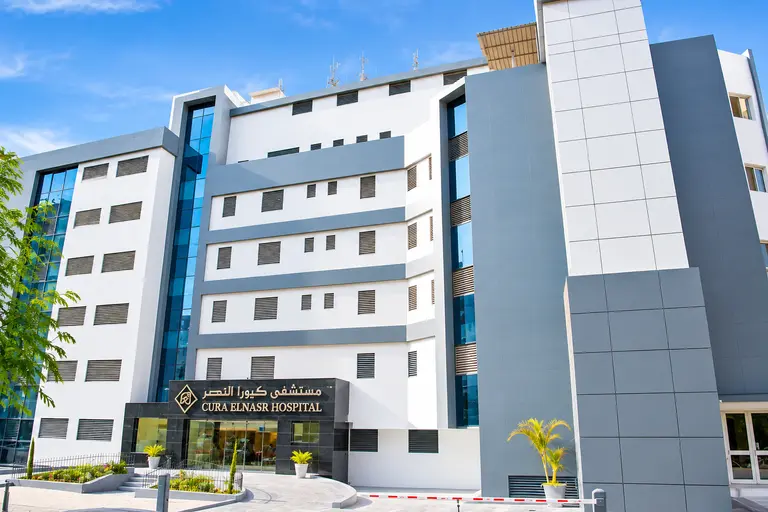
Grand Egyptian Museum
yaklaşık 20 km uzaklıkta
Cairo International Airport
yaklaşık 20 km uzaklıkta
Dr. Islam El-Sayed Mousa is a Lecturer and Consultant in Orthopedic Surgery, Pelvic Fractures, Joint Replacement, and Arthroscopic Surgery at Ain Shams University Hospitals. His areas of expertise include pelvic and pelvic ring fractures, multiple and complex fractures, joint replacement surgery, arthroscopic procedures, and sports injuries.
His clinical practice involves assessing and treating orthopedic injuries and conditions affecting bones and joints, ranging from fractures to complex pelvic injuries that may require surgical reconstruction and fixation. His areas of interest also include joint replacement and the management of knee injuries and other conditions that can affect mobility and daily activities.
Treatment is selected according to the nature of the injury, bone and joint stability, and the patient's overall health. Depending on the case, options may include conservative management, surgical fixation, reconstruction, or joint replacement.
Through Macrocare, patients can submit their medical reports and imaging for medical file organization and case review coordination. Macrocare can also help arrange consultations with Dr. Islam El-Sayed Mousa and coordinate hospital and related healthcare services when needed.
Dr. Islam El-Sayed Mousa’s Specialties
His orthopedic areas of expertise and clinical interest include:
Orthopedic and Trauma Surgery.
Pelvic Fractures.
Pelvic Ring Injuries.
Pelvic Reconstruction and Fixation.
Multiple Fracture Management and Fixation.
Complex Fracture Reconstruction.
Joint Replacement Surgery.
Total Knee Replacement.
Total Hip Replacement.
Arthroscopic Joint Surgery.
Sports Injuries.
Knee Ligament and Cartilage Injuries.
Fracture Assessment and Bone Healing Complications.
Pelvic Fractures and Pelvic Ring Injuries
Pelvic fractures are serious orthopedic injuries that may occur following road traffic accidents, falls from height, or high-energy trauma. Their severity varies according to the fracture location, pelvic ring stability, and involvement of surrounding organs and tissues.
Possible symptoms include:
Severe pain in the pelvic region or lower back.
Difficulty standing or walking.
Pain when moving the hip or bearing weight.
Swelling or bruising around the pelvis.
Restricted movement following an accident or injury.
A thorough assessment is required to identify the fracture pattern and determine whether the pelvic ring is stable. Investigations may include X-rays and Computed Tomography (CT) scans, particularly for complex injuries.
Treatment depends on fracture stability and the patient's overall condition. Options may include:
Conservative treatment and restricted weight-bearing for selected stable fractures.
Surgical fixation using plates and screws.
Reconstruction of the anterior or posterior pelvic ring when indicated.
Rehabilitation and gradual restoration of mobility after treatment.
Some pelvic fractures are medical emergencies, particularly when associated with internal bleeding or multiple traumatic injuries. Suspected severe pelvic injuries require immediate emergency assessment.
Pelvic Reconstruction and Fixation
Some pelvic fractures require surgery to restore bone alignment and achieve stability of the pelvic ring.
Assessment focuses on:
The location of the fracture within the pelvic ring.
The degree of displacement between bone fragments.
The stability of the anterior and posterior pelvic structures.
Associated injuries.
The patient's ability to move and bear weight.
Surgical options may involve plates, screws, and other fixation systems selected according to the fracture pattern and location.
The aim is to restore pelvic stability, support bone healing, and improve the possibility of recovering mobility and function. The appropriate technique depends on imaging findings, injury characteristics, and the patient's general condition.
Multiple Fractures: Treatment and Fixation
Multiple fractures occur when a patient sustains fractures in more than one bone or anatomical region. They are commonly associated with road traffic accidents, high-energy trauma, and falls from height.
These cases require an integrated treatment plan that considers the patient's overall condition, not just the fractures themselves.
Assessment may include:
Identifying all fracture sites.
Evaluating circulatory stability and general medical condition.
Reviewing imaging and investigations.
Identifying fractures requiring urgent intervention.
Prioritizing treatment and fixation.
Planning rehabilitation and mobility recovery.
Treatment may involve plates and screws, intramedullary nails, or other fixation methods depending on the location and characteristics of each fracture.
There is no single approach suitable for every patient with multiple fractures. The timing and type of intervention depend on the patient's condition and associated injuries.
Complex Fracture Reconstruction
Complex fractures are injuries involving significant bone fragmentation, displacement, or damage to surrounding tissues. They may include certain open fractures and fractures affecting joint surfaces.
These injuries may involve:
Pelvic bones.
Femur.
Tibia.
Areas near the knee or hip joints.
Fractures resulting from road traffic accidents or high-energy trauma.
Assessment involves clinical examination and imaging. CT scans may be required to clarify the fracture pattern, degree of fragmentation, and involvement of joint surfaces.
Treatment depends on the type and severity of the fracture. It may involve restoring bone alignment and stabilizing the fragments using plates, screws, or other appropriate fixation systems.
The treatment aims to achieve adequate bone stability, support healing, and preserve joint and surrounding tissue function whenever possible.
Joint Replacement Surgery
Joint replacement is a surgical procedure in which damaged joint surfaces are replaced with artificial components designed to reduce pain and improve movement.
It may be considered in selected cases involving:
Advanced joint osteoarthritis.
Severe cartilage damage.
Certain fractures affecting joint surfaces.
Joint deformities that impair movement.
Persistent pain and functional limitation despite non-surgical treatment.
The decision depends on the extent of joint damage, pain severity, functional limitations, and clinical and imaging findings.
Not every patient with joint osteoarthritis requires replacement surgery. Medication, physical therapy, and activity modification may be appropriate in less advanced cases.
Total Knee Replacement
Total knee replacement may be considered for advanced knee joint damage when cartilage loss causes persistent pain and significant difficulty with movement.
Symptoms that may prompt surgical assessment include:
Persistent knee pain.
Difficulty walking even short distances.
Pain when climbing or descending stairs.
Joint stiffness and restricted movement.
Knee alignment deformity.
Insufficient improvement with conservative treatment.
Assessment includes clinical examination and X-rays to evaluate joint damage and alignment.
Depending on the location and extent of damage, treatment may involve partial or total knee replacement. The condition of the ligaments and surrounding bone is also considered.
After surgery, patients generally require a rehabilitation and physical therapy program to restore movement, strengthen muscles, and improve walking ability.
Total Hip Replacement
Hip replacement is a surgical procedure used in selected cases of severe hip joint damage when pain and restricted movement significantly affect daily life.
Possible indications include:
Advanced hip osteoarthritis.
Certain fractures affecting the hip joint.
Severe joint surface damage.
Conditions causing significant loss of joint function.
Common symptoms include:
Pain around the hip or upper thigh.
Difficulty walking or standing.
Restricted joint movement.
Difficulty putting on shoes or sitting in certain positions.
Pain that may extend toward the knee.
The decision to proceed with hip replacement depends on clinical examination, imaging findings, the extent of joint damage, and the patient's overall health.
Following surgery, medical follow-up and rehabilitation help patients gradually regain mobility according to the treating team's instructions.
Sports Injuries
Sports injuries occur during athletic activities or physical exercise. They may affect bones, joints, ligaments, cartilage, and muscles.
Common injuries include:
Knee injuries.
Ligament injuries.
Meniscal tears.
Joint sprains.
Fractures caused by direct impact.
Joint injuries during jumping or sudden changes in direction.
Symptoms may include pain, swelling, instability, restricted movement, and difficulty bearing weight.
Diagnosis involves clinical examination and may require X-rays or Magnetic Resonance Imaging (MRI) to identify the injury.
Treatment options range from activity modification and physical therapy to rehabilitation and surgery in selected cases.
Returning to sports depends on healing, restored muscle strength, balance, joint stability, and range of motion—not simply the disappearance of pain.
Arthroscopic Joint Surgery
Arthroscopic surgery is a minimally invasive technique that allows surgeons to examine and treat certain joint conditions through small incisions using a camera and specialized instruments.
Arthroscopy is used to assess and manage selected joint conditions, particularly knee injuries. Procedures may include:
Treatment of selected meniscal tears.
Management of certain ligament injuries.
Removal of loose cartilage fragments.
Assessment of internal joint problems.
Treatment of selected sports-related joint injuries.
Compared with open surgery, arthroscopy uses smaller surgical incisions for suitable procedures. However, recovery time and outcomes vary according to the injury and the specific procedure performed.
Not every joint injury can be treated arthroscopically. The appropriate technique depends on the diagnosis, location, and severity of the damage.
Dr. Islam El-Sayed Mousa’s Treatment Approach
The assessment of fractures, pelvic injuries, and joint conditions focuses on identifying the nature of the injury and understanding its effect on bone stability, joint function, and mobility.
The treatment approach may include:
Reviewing the patient's medical history and injury details.
Examining the affected bones and joints.
Assessing movement and joint function.
Reviewing X-rays, CT scans, and MRI when required.
Determining fracture or joint stability.
Evaluating associated injuries.
Deciding whether conservative treatment or surgery is appropriate.
Selecting the fixation or reconstruction method according to the individual case.
Assessing the need for joint replacement in advanced joint damage.
Monitoring bone healing and postoperative recovery.
Planning rehabilitation to support gradual restoration of movement and function.
Dr. Islam El-Sayed Mousa’s Experience and Qualifications
According to the professional information provided, Dr. Islam El-Sayed Mousa has the following academic and professional qualifications:
Lecturer and Consultant in Orthopedic Surgery, Pelvic Fractures, Joint Replacement, and Arthroscopy at Ain Shams University Hospitals.
Master's degree in Orthopedic Surgery from Ain Shams University.
Former Assistant Lecturer at Ain Shams University Hospitals for four years.
Member of the Swiss Society of Orthopedics and Traumatology.
Lecturer and Member of the Egyptian Orthopedic Association.
Why Do Patients Consult Dr. Islam El-Sayed Mousa?
Patients may seek an orthopedic consultation with Dr. Islam El-Sayed Mousa for assessment and treatment planning involving fractures, pelvic injuries, joint conditions, and sports-related injuries, including:
Pelvic Fracture Surgery in Egypt.
Pelvic Ring Fracture Treatment and Fixation.
Complex Pelvic Fracture Reconstruction.
Multiple Fracture Management.
Complex Fracture Fixation.
Total Knee Replacement.
Total Hip Replacement.
Arthroscopic Joint Surgery.
Sports Injury Treatment.
Knee Ligament and Cartilage Injury Assessment.
Orthopedic Conditions Affecting Joint Mobility.
Book a Consultation with Dr. Islam El-Sayed Mousa Through Macrocare
If you are looking for Dr. Islam El-Sayed Mousa for orthopedic surgery, pelvic fracture assessment, joint replacement, or arthroscopic surgery, Macrocare can help organize your medical file, coordinate a case review, and arrange a consultation.
Macrocare can assist with:
Organizing medical reports and imaging into a structured medical file.
Coordinating the submission of medical records for case review.
Arranging a consultation or appointment.
Coordinating hospital arrangements when required.
Helping obtain a preliminary cost estimate before travel when information is available.
Coordinating related healthcare services during treatment.
Supporting international patients with healthcare arrangements when needed.
Recommended Medical Documents to Submit
For pelvic fractures and pelvic ring injuries:
Pelvic X-rays.
Pelvic CT scan and report.
Emergency or hospital reports from the time of injury.
Previous surgical reports, if applicable.
Description of mobility and weight-bearing ability.
Reports of associated injuries, if available.
For multiple and complex fractures:
X-rays of all fracture sites.
CT scans when required.
Previous surgical reports.
External or internal fixation records, if applicable.
Relevant laboratory tests and medical investigations.
Description of the injury date and treatment already received.
For knee or hip replacement assessment:
Joint X-rays.
MRI scans when required.
Previous examination and treatment reports.
List of current medications and chronic medical conditions.
Previous surgical reports.
Description of pain and its effect on walking and daily activities.
For sports injuries and arthroscopic surgery assessment:
X-rays of the affected joint.
MRI of the knee or injured joint.
Injury and clinical examination reports.
Details of how and when the injury occurred.
Previous physical therapy or rehabilitation records.
Reports of previous surgical procedures, if applicable.
Frequently Asked Questions About Dr. Islam El-Sayed Mousa
What is Dr. Islam El-Sayed Mousa’s specialty?
Dr. Islam El-Sayed Mousa is a Lecturer and Consultant in Orthopedic Surgery, Pelvic Fractures, Joint Replacement, and Arthroscopy at Ain Shams University Hospitals. His areas of interest include pelvic fractures, multiple and complex fractures, joint surgery, and sports injuries.
Does Dr. Islam Mousa specialize in pelvic fractures?
Yes. Pelvic fractures and pelvic ring injuries are among his stated areas of specialization. Assessment includes determining fracture stability and selecting an appropriate treatment and fixation approach according to the patient's condition.
What is the difference between a pelvic fracture and a pelvic ring injury?
A pelvic fracture is a general term for a break in one or more pelvic bones. A pelvic ring injury specifically affects the bony ring connecting the spine to the lower limbs. Severity varies according to the fracture location and the stability of the pelvic ring.
When does a pelvic fracture require surgery?
The decision depends on fracture stability, displacement, pelvic ring involvement, and associated injuries. Some stable fractures can be treated without surgery, while unstable fractures may require surgical fixation and reconstruction.
Which scans are needed to assess pelvic fractures?
Initial assessment commonly involves X-rays. A pelvic CT scan may be required to identify the fracture pattern, displacement, and extent of pelvic ring involvement.
How are multiple fractures treated?
Treatment begins with an assessment of the patient's overall condition, identification of all fracture sites, and prioritization of interventions. Surgical fixation may involve plates, screws, intramedullary nails, or other fixation methods according to each fracture.
Do complex fractures always require surgical reconstruction?
No. Treatment depends on the fracture type, degree of fragmentation and displacement, and associated soft tissue injuries. Some cases may be managed conservatively, while others require surgical reduction and fixation.
When does a patient need total knee replacement?
Knee replacement may be considered when advanced cartilage and joint damage cause persistent pain and significant mobility limitations, particularly when appropriate non-surgical treatments have not provided sufficient improvement.
Does every patient with knee osteoarthritis need knee replacement?
No. The decision depends on the severity of osteoarthritis, pain, functional limitations, imaging findings, and response to conservative treatment. Some patients may benefit from medication, physical therapy, and activity modification.
When is hip replacement recommended?
Hip replacement may be considered when severe joint damage causes persistent pain and difficulty walking or moving. The decision depends on clinical examination, imaging, and the patient's overall medical condition.
What is the difference between arthroscopic and open surgery?
Arthroscopic surgery uses small incisions, a camera, and specialized instruments to access the joint. Open surgery requires a larger incision to reach the affected area. The choice depends on the injury and the procedure required.
Can all knee injuries be treated with arthroscopy?
No. Some knee conditions, including selected meniscal tears, may be treated arthroscopically. Other injuries may require different surgical techniques or conservative treatment depending on the diagnosis.
When can a patient return to sports after an injury?
Recovery time varies according to the injury, treatment, and restoration of muscle strength, balance, joint stability, and range of motion. Return to sports should be gradual and based on appropriate medical and rehabilitation assessment.
How can I book a consultation with Dr. Islam El-Sayed Mousa?
You can contact Macrocare and submit your medical reports and available imaging. Macrocare can help organize your medical file, coordinate case review, and arrange a consultation with Dr. Islam El-Sayed Mousa.
Dr. Islam El-Sayed Mousa ile tedaviler
Bu sağlayıcının sunduğu işlemler, gerçek başlangıç fiyatlarıyla.
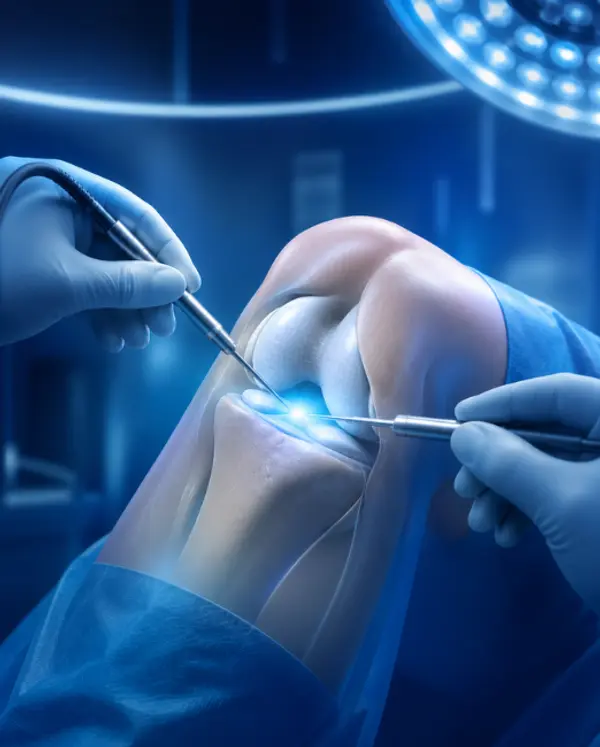
Eklem Yüzeyi Yenileme Ameliyatı
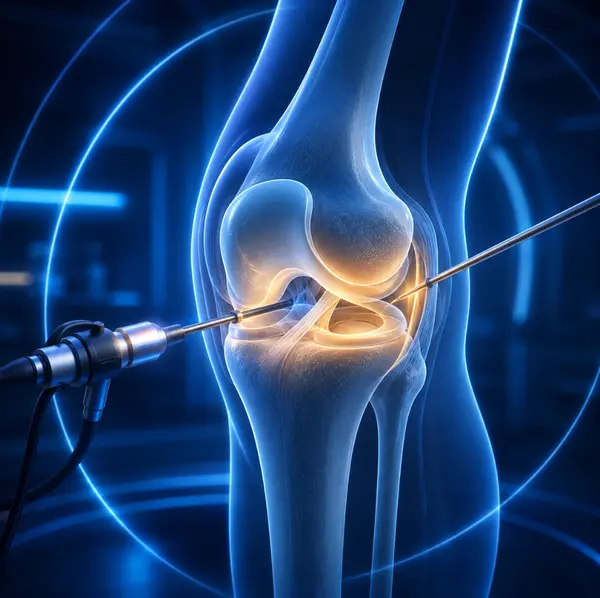
Artroskopik Diz Cerrahisi
En az 1 gün
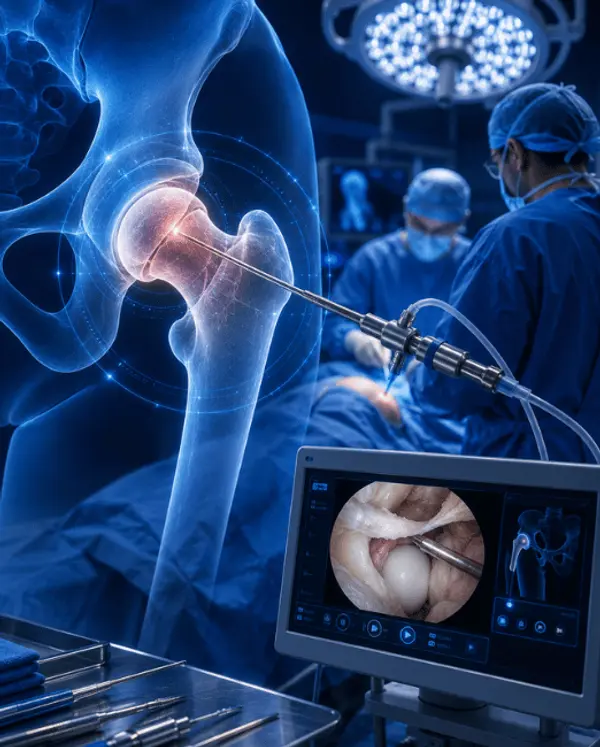
Kalça Artroskopisi
En az 3 gün
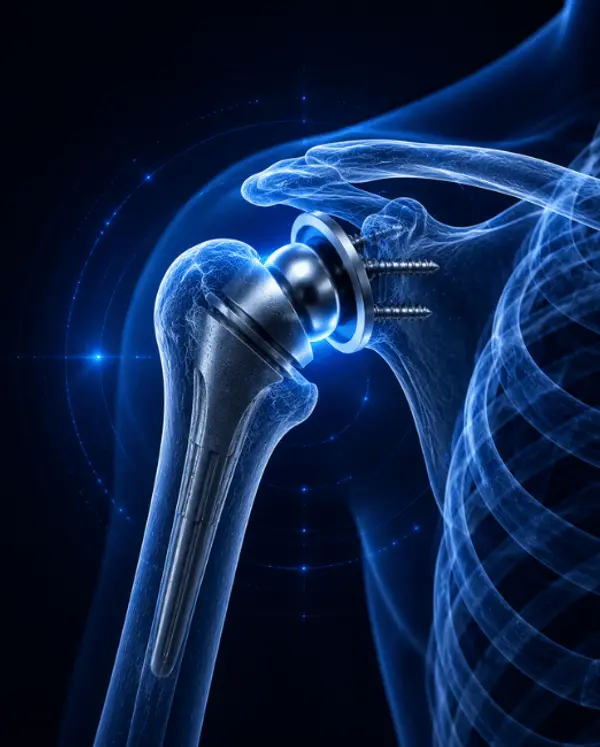
Omuz Rekonstrüksiyon Cerrahisi
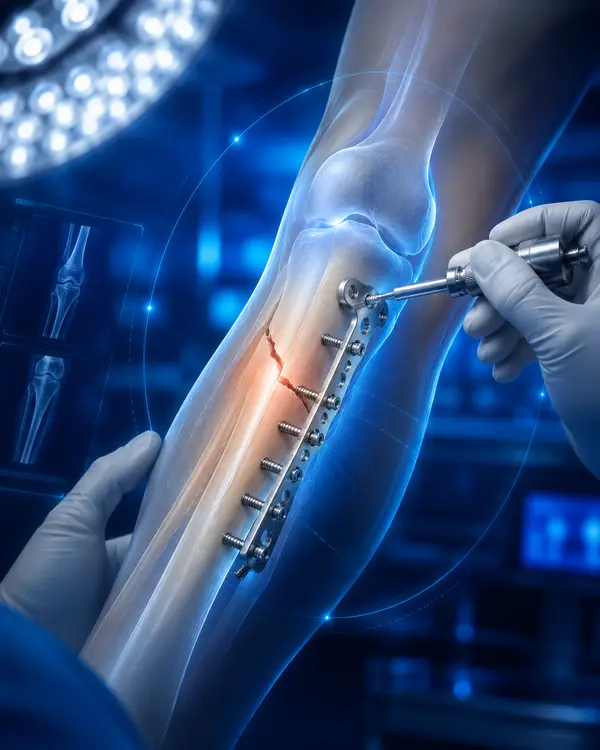
Kırık Tespit Cerrahisi
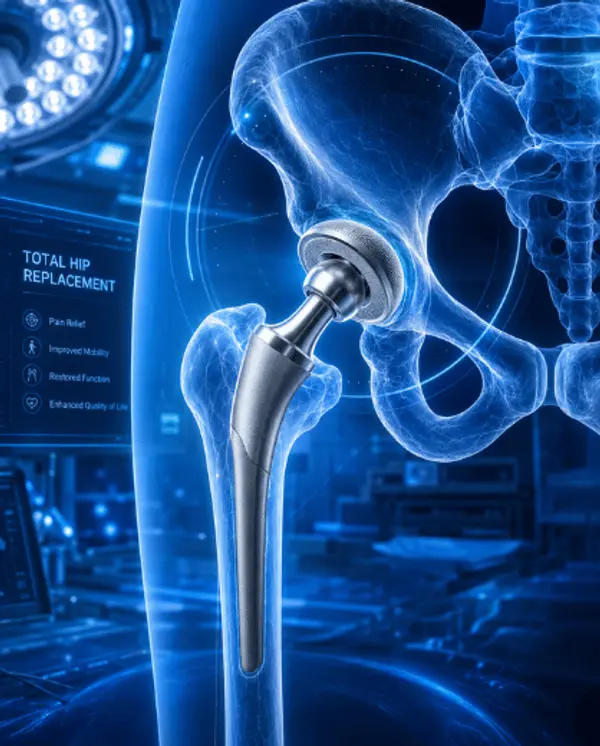
Total Kalça Protezi
Yalnızca belirtilen fiyatlar — uçuş ve konaklama ayrıca hesaplanır. Nihai maliyet ücretsiz teklifinizde onaylanır. 2026-07-20 tarihli kurlar.
Sunulan diğer hizmetler
Bu hizmetler bu sağlık kuruluşunda mevcuttur; fiyatlar talep üzerine bildirilir.