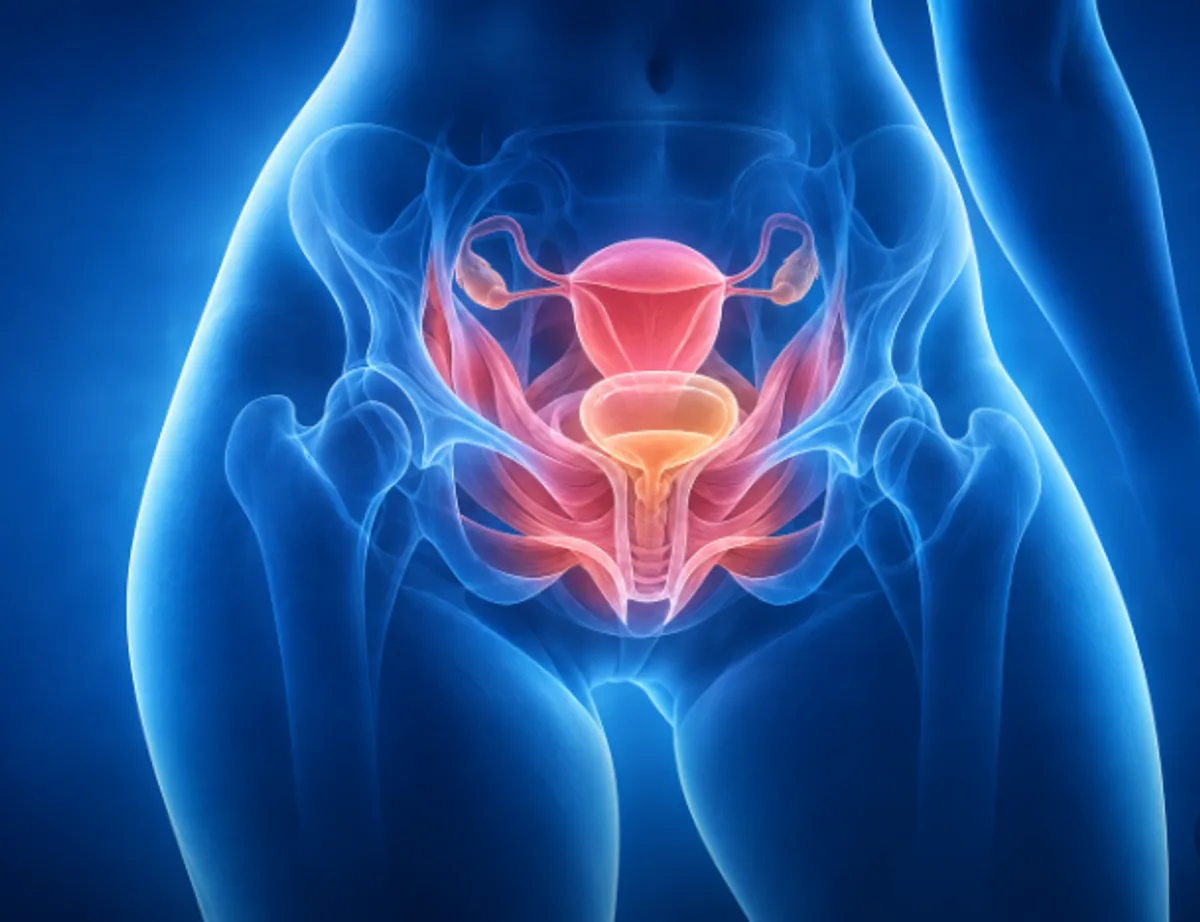
Vaginal & Perineal Repair
Vaginal repair surgery is a group of reconstructive procedures used to repair weakened, stretched, or damaged vaginal and pelvic floor tissues.
Краткая сводка
Vaginal & Perineal Repair предлагают 2 проверенных клиник в 1 направлении сети Macrocare. Цены начинаются от 1 800 $, без перелёта и проживания.
Vaginal repair surgery is a group of reconstructive procedures used to repair weakened, stretched, or damaged vaginal and pelvic floor tissues.
It may be recommended for women experiencing pelvic organ prolapse, vaginal wall weakness, bladder or rectal prolapse into the vagina, childbirth-related tissue damage, or weakness of the perineum.
Unlike procedures performed purely for cosmetic purposes, vaginal repair surgery is primarily intended to restore normal pelvic anatomy, improve support of the pelvic organs, and relieve functional symptoms affecting urination, bowel movements, pelvic comfort, and daily activities.
The exact procedure depends on which part of the pelvic floor is affected.
Treatment may include:
Anterior vaginal repair
Posterior vaginal repair
Combined anterior and posterior repair
Perineal repair
Pelvic floor reconstruction
Vaginal vault prolapse repair
Uterine prolapse repair
In some cases, more than one procedure may be performed during the same operation.
What Is Vaginal Repair Surgery?
The bladder, uterus, vagina, rectum and other pelvic structures are supported by a complex system of muscles, fascia, connective tissue and ligaments known collectively as the pelvic floor.
When these supporting structures become stretched, weakened or damaged, one or more pelvic organs may descend from their normal position.
This condition is known as pelvic organ prolapse.
Vaginal repair surgery aims to reconstruct and strengthen these weakened tissues so that the pelvic organs are better supported.
The surgery may be performed through the vagina or, depending on the condition, through laparoscopic, robotic or abdominal approaches.
What Conditions Can Vaginal Repair Surgery Treat?
Vaginal and pelvic floor repair may be recommended for several different conditions.
Cystocele – Anterior Vaginal Wall Prolapse
A cystocele occurs when the tissue supporting the bladder weakens and the bladder begins to bulge into the front wall of the vagina.
This condition is also called:
Anterior vaginal wall prolapse
Bladder prolapse
Anterior compartment prolapse
Symptoms may include:
Pressure or heaviness in the vagina
Feeling or seeing a vaginal bulge
Difficulty emptying the bladder completely
Frequent urination
Urinary urgency
Urinary leakage
Discomfort during physical activity
Symptoms becoming worse after prolonged standing
When surgery is required, the procedure is usually known as Anterior Vaginal Repair or Anterior Colporrhaphy.
Rectocele – Posterior Vaginal Wall Prolapse
A rectocele occurs when the tissue separating the rectum and vagina becomes weak, allowing the rectum to bulge into the back wall of the vagina.
It may cause:
Vaginal pressure
A bulge in the posterior vaginal wall
Constipation
Difficulty passing stool
A sensation of incomplete bowel emptying
Needing to press on the vaginal wall or perineum during bowel movements
Pelvic discomfort
Discomfort during intercourse
Surgical repair is usually called Posterior Vaginal Repair or Posterior Colporrhaphy.
Pelvic Organ Prolapse
Pelvic organ prolapse occurs when one or more organs inside the pelvis descend because their supporting tissues have become weakened.
It may involve:
The bladder
Rectum
Uterus
Small bowel
Upper vagina after hysterectomy
It is possible for more than one type of prolapse to occur at the same time.
For example, a patient may have both a cystocele and rectocele.
Treatment depends on which structures are affected and how severe the symptoms are.
Uterine Prolapse
Uterine prolapse occurs when the uterus descends into the vaginal canal because the supporting muscles and ligaments have weakened.
Symptoms may include:
Pelvic heaviness
Vaginal pressure
Feeling that something is descending
Visible tissue at the vaginal opening
Difficulty urinating
Difficulty passing stool
Discomfort while walking or exercising
Treatment may involve pelvic floor repair, uterine suspension surgery or, in selected cases, hysterectomy.
The appropriate procedure depends on factors including age, symptoms, anatomy and future pregnancy plans.
Vaginal Vault Prolapse
Vaginal vault prolapse can occur after hysterectomy.
The upper part of the vagina loses its normal support and begins to descend.
Surgical options can include procedures designed to suspend the upper vagina and restore its position.
These may include:
Sacrospinous fixation
Uterosacral ligament suspension
Sacrocolpopexy
The procedure may be performed vaginally, laparoscopically, robotically or through abdominal surgery depending on the individual case.
Childbirth-Related Vaginal and Perineal Damage
Pregnancy and vaginal delivery can place significant pressure on the pelvic floor.
Some women develop weakness or tissue injury following childbirth, particularly after:
Multiple vaginal deliveries
Difficult or prolonged labor
Delivery of a large baby
Forceps-assisted delivery
Vacuum-assisted delivery
Episiotomy
Severe perineal tears
Repeated childbirth-related trauma
Damage may affect the muscles surrounding the vagina and perineum as well as the deeper pelvic floor.
Symptoms may include:
Feeling of weakness around the vaginal opening
Pelvic pressure
Perineal discomfort
Scar-related discomfort
Reduced pelvic support
Difficult or painful intercourse
Functional problems related to bowel or bladder control
When appropriate, surgical reconstruction may include Perineoplasty or Perineorrhaphy.
What Is the Perineum?
The perineum is the area between the vaginal opening and the anus.
It contains muscles and tissues that contribute to pelvic floor support.
Childbirth, episiotomy or significant perineal tears can sometimes damage or weaken these structures.
When symptoms persist and conservative treatment is insufficient, surgical reconstruction may be considered.
What Symptoms May Indicate a Vaginal or Pelvic Floor Problem?
Pelvic floor disorders can present differently from one patient to another.
Some women may have anatomical prolapse but few symptoms, while others may experience significant functional problems.
Common symptoms include:
Vaginal and Pelvic Symptoms
Feeling of pelvic heaviness
Vaginal pressure
Dragging sensation in the pelvis
Feeling that something is coming down
Vaginal bulge
Visible tissue protruding from the vagina
Pelvic discomfort
Lower back discomfort
Symptoms becoming worse toward the end of the day
Difficulty with prolonged standing
Difficulty exercising
Discomfort during sexual intercourse
Urinary Symptoms
Pelvic organ prolapse may affect bladder function.
Possible symptoms include:
Urinary leakage
Difficulty starting urination
Difficulty emptying the bladder completely
Frequent urination
Urinary urgency
Weak urinary stream
Feeling of incomplete bladder emptying
Some women may also have stress urinary incontinence, particularly during:
Coughing
Sneezing
Running
Exercising
Lifting
However, urinary symptoms can have several possible causes and should be properly assessed before treatment.
Bowel Symptoms
Posterior vaginal wall prolapse and other pelvic floor disorders may affect bowel function.
Symptoms can include:
Constipation
Straining
Difficulty completing bowel movements
Feeling that stool remains trapped
Incomplete bowel emptying
Needing to press around the vagina or perineum to help pass stool
What Causes Vaginal and Pelvic Floor Weakness?
Several factors can contribute to pelvic floor weakening.
Pregnancy and Vaginal Childbirth
Pregnancy and childbirth are among the most important risk factors.
During pregnancy, increasing pressure is placed on the pelvic floor.
Vaginal delivery can additionally stretch or injure muscles, nerves and connective tissue.
Aging
Pelvic muscles and connective tissues may gradually lose strength with age.
Menopause
Hormonal changes associated with menopause may affect the strength and quality of vaginal and pelvic tissues.
Chronic Constipation
Repeated straining during bowel movements creates increased abdominal pressure and may contribute to pelvic floor weakening.
Chronic Cough
Persistent coughing can repeatedly increase pressure on pelvic organs.
This may occur in conditions such as:
Chronic respiratory disease
Asthma
Smoking-related cough
Obesity
Higher body weight increases pressure on the pelvic floor and may increase the risk of pelvic organ prolapse.
Heavy Lifting
Frequent heavy lifting can increase intra-abdominal pressure and place additional stress on weakened pelvic support structures.
Previous Pelvic Surgery
Certain pelvic operations can affect the normal support structures of the pelvis.
For example, vaginal vault prolapse can sometimes develop following hysterectomy.
Connective Tissue Weakness
Some individuals naturally have weaker connective tissue, which may increase susceptibility to pelvic organ prolapse.
How Is Pelvic Organ Prolapse Diagnosed?
Diagnosis usually begins with a detailed medical history and physical examination.
The specialist may ask about:
Vaginal pressure
Urinary symptoms
Bowel symptoms
Previous pregnancies
Previous deliveries
Previous pelvic surgery
Sexual symptoms
Menstrual and menopausal history
Pelvic Examination
A pelvic examination allows the specialist to evaluate:
Vaginal walls
Pelvic floor strength
Bladder support
Rectal support
Uterine position
Vaginal vault support
Degree of prolapse
The patient may be asked to cough or strain during the examination so that the prolapse can be properly assessed.
Pelvic Organ Prolapse Stages
Pelvic organ prolapse can be graded according to severity.
Specialists may use standardized systems such as the Pelvic Organ Prolapse Quantification system – POP-Q.
The degree of prolapse helps guide treatment decisions.
Importantly, the anatomical stage alone does not determine whether surgery is necessary.
Treatment usually depends heavily on how much the symptoms affect the patient's quality of life.
Additional Tests
Additional investigations are not required for every patient.
Depending on symptoms, the specialist may recommend:
Urine testing
Bladder ultrasound
Post-void residual urine measurement
Urodynamic testing
Pelvic ultrasound
Pelvic MRI
Additional bowel investigations
Complex pelvic floor conditions may require assessment by more than one specialty.
Treatment of Vaginal and Pelvic Floor Problems
Not every patient with pelvic organ prolapse requires surgery.
Treatment depends on:
Type of prolapse
Severity
Symptoms
Age
General health
Previous surgery
Urinary function
Bowel function
Sexual activity
Future pregnancy plans
Patient preference
Treatment may be conservative or surgical.
Non-Surgical Treatment
Pelvic Floor Physiotherapy
Pelvic floor muscle training may improve pelvic support and symptoms.
A specialist pelvic floor physiotherapist can help patients identify and correctly activate the pelvic floor muscles.
Treatment may include:
Pelvic floor exercises
Kegel exercises
Biofeedback
Bladder training
Functional rehabilitation
Pelvic floor physiotherapy may be especially helpful for mild or moderate symptoms.
Vaginal Pessary
A vaginal pessary is a removable support device placed inside the vagina.
Its purpose is to support pelvic organs that have descended.
Pessaries come in different shapes and sizes.
They may be appropriate for women who:
Want to avoid surgery
Want to delay surgery
Have medical conditions that increase surgical risk
Prefer conservative treatment
Correct fitting and follow-up are important.
Lifestyle Changes
Lifestyle measures may help reduce pressure on the pelvic floor.
These can include:
Treating constipation
Reducing excessive straining
Maintaining a healthy weight
Treating chronic cough
Stopping smoking
Avoiding excessive heavy lifting
Appropriate pelvic floor exercises
When Is Vaginal Repair Surgery Recommended?
Surgery may be considered when:
Pelvic organ prolapse causes significant symptoms
Symptoms interfere with daily activities
The patient experiences significant bladder or bowel problems
Conservative treatments have not provided sufficient relief
The prolapse is advanced
The vaginal bulge causes significant discomfort
The condition is affecting the patient's quality of life
Surgery is not automatically necessary simply because prolapse is present.
The decision should be individualized.
Women considering future pregnancy may sometimes be advised to postpone reconstructive surgery until childbearing is complete because pregnancy and delivery can place new stress on the repair.
Types of Vaginal Repair Surgery
Anterior Vaginal Repair
Anterior Vaginal Repair, also known as Anterior Colporrhaphy, is commonly performed to treat cystocele or anterior vaginal wall prolapse.
The procedure is usually performed through the vagina.
During surgery, the surgeon may:
Make an incision in the vaginal wall
Identify the weakened supporting tissues
Reposition the bladder
Strengthen the supporting tissue
Repair the vaginal wall
Remove excessive vaginal tissue when appropriate
The goal is to restore better support beneath the bladder.
Cystocele Repair
Cystocele repair is generally performed when bladder prolapse causes significant symptoms.
These may include:
Vaginal bulging
Difficulty emptying the bladder
Urinary symptoms
Pelvic pressure
The repair is usually based on restoring support to the anterior vaginal wall.
Some patients may also require evaluation for urinary incontinence.
Posterior Vaginal Repair
Posterior Vaginal Repair, also known as Posterior Colporrhaphy, is used to treat posterior vaginal wall prolapse or rectocele.
The surgeon strengthens the tissues between the vagina and rectum.
The aim is to:
Reduce the vaginal bulge
Restore posterior vaginal support
Improve pelvic floor anatomy
Reduce bowel-related symptoms associated with the prolapse
Rectocele Repair
Rectocele surgery may be considered when posterior vaginal wall prolapse causes significant bowel or pelvic symptoms.
Patients should be carefully assessed because constipation and difficulty passing stool can have causes unrelated to rectocele.
Combined Anterior and Posterior Vaginal Repair
Some women have weakness involving both the anterior and posterior vaginal walls.
In these cases, both areas may be repaired during the same operation.
This may be referred to as Anterior and Posterior Colporrhaphy.
Additional pelvic support procedures may also be necessary if uterine or vaginal vault prolapse is present.
Perineoplasty and Perineorrhaphy
Perineoplasty or Perineorrhaphy involves reconstruction of damaged or weakened perineal tissues.
It may be considered following:
Childbirth trauma
Significant perineal tears
Episiotomy-related problems
Weakness of the perineal body
Abnormal scar formation
Depending on the condition, the surgeon may:
Remove problematic scar tissue
Repair separated tissue
Reconstruct damaged muscles
Restore perineal support
The objective is functional reconstruction rather than simply changing appearance.
Uterine Prolapse Surgery
When uterine prolapse is present, several surgical strategies may be considered.
These may include:
Uterine suspension procedures
Native tissue repair
Sacrospinous fixation
Sacrohysteropexy
Hysterectomy combined with pelvic floor repair in selected cases
The uterus does not always need to be removed.
The decision depends on the patient's condition, age, anatomy, symptoms and preferences.
Vaginal Vault Prolapse Surgery
Patients who have previously undergone hysterectomy can sometimes develop prolapse of the upper vagina.
Treatment options may include:
Sacrospinous Fixation
The upper vagina is attached to a strong ligament in the pelvis using sutures.
Uterosacral Ligament Suspension
The vaginal apex is supported using the patient's own pelvic ligaments.
Sacrocolpopexy
Sacrocolpopexy is usually performed laparoscopically, robotically or through an abdominal approach.
The vagina is suspended toward the sacrum to restore anatomical support.
The surgeon should discuss the advantages, limitations and potential risks of each technique with the patient.
Minimally Invasive and Robotic Pelvic Floor Surgery
Certain pelvic reconstruction procedures can be performed using:
Laparoscopic surgery
Robotic-assisted surgery
These approaches allow the surgeon to operate through smaller abdominal incisions.
Potential advantages in appropriately selected patients may include:
Smaller incisions
Reduced postoperative discomfort
Shorter hospital stay
Earlier return to normal activities
However, not every patient requires or is suitable for robotic or laparoscopic surgery.
The best approach depends on the diagnosis and planned reconstruction.
Is Vaginal Repair Surgery the Same as Vaginoplasty?
Not necessarily.
The terms are sometimes used interchangeably outside specialist medical practice, but they can refer to different procedures.
Vaginal repair surgery generally refers to reconstructive treatment for a functional or structural medical condition such as:
Pelvic organ prolapse
Cystocele
Rectocele
Vaginal wall weakness
Perineal injury
Pelvic floor damage
The term vaginoplasty may be used in different contexts and can sometimes refer to procedures involving vaginal narrowing or reconstruction.
Patients should therefore be evaluated according to their diagnosis rather than relying on a procedure name alone.
Is Vaginal Repair Surgery the Same as Vaginal Rejuvenation?
No.
Vaginal rejuvenation is a broad, non-specific term frequently used in cosmetic and commercial settings.
It can refer to several different surgical and non-surgical treatments.
By contrast, vaginal repair surgery is primarily reconstructive and is used to treat identifiable structural or functional problems.
Examples include:
Cystocele
Rectocele
Pelvic organ prolapse
Perineal damage
Vaginal wall weakness
For this reason, women experiencing symptoms should undergo proper gynecological or urogynecological assessment before selecting any treatment.
Who Performs Vaginal Repair Surgery?
Depending on the condition, treatment may involve:
Gynecologist
Urogynecologist
Female pelvic medicine and reconstructive surgeon
Pelvic floor surgeon
Urologist
Colorectal surgeon
Patients with complex pelvic floor disorders may benefit from multidisciplinary evaluation.
Preparing for Vaginal Repair Surgery
Preoperative preparation varies according to the operation.
The medical team may request:
Blood tests
Urine tests
Pelvic examination
Imaging
ECG
Anesthesia evaluation
Review of medications
Assessment of bladder function
Patients should inform their medical team about:
Blood-thinning medication
Chronic diseases
Previous pelvic surgery
Allergies
Previous anesthesia problems
Future pregnancy plans
What Happens During Vaginal Repair Surgery?
The exact steps depend on the procedure.
Vaginal repair surgery may be performed using:
General anesthesia
Spinal anesthesia
Other anesthesia techniques depending on the operation
Many vaginal repairs are performed through the vaginal canal without an external abdominal incision.
Complex pelvic reconstruction may require laparoscopic, robotic or abdominal surgery.
The surgeon repairs the damaged support structures and restores the affected pelvic organs toward their normal anatomical position.
Recovery After Vaginal Repair Surgery
Recovery varies according to:
Type of surgery
Extent of repair
Surgical approach
Patient health
Whether additional procedures were performed
Temporary symptoms can include:
Vaginal soreness
Pelvic discomfort
Mild swelling
Light vaginal bleeding
Vaginal discharge
Temporary difficulty urinating
Patients should receive individualized postoperative instructions.
Activity After Surgery
During early recovery, patients may be advised to avoid:
Heavy lifting
Vigorous exercise
Straining
High-impact activity
Return to normal activity should be gradual.
Sexual intercourse is generally avoided until adequate tissue healing has occurred and the treating surgeon confirms that it is safe.
For many pelvic floor repairs, this may mean approximately 6–8 weeks, although the exact timing varies depending on the operation and individual recovery.
Risks and Possible Complications
All surgery carries potential risks.
Possible complications of vaginal and pelvic floor repair include:
Bleeding
Infection
Blood clots
Anesthesia complications
Urinary tract infection
Temporary difficulty passing urine
Injury to nearby organs
Bladder injury
Bowel or rectal injury
Pelvic pain
Pain during intercourse
Scar formation
Persistent bladder symptoms
Persistent bowel symptoms
Development of new urinary symptoms
Recurrence of prolapse
The specific risks depend on the procedure performed and the patient's overall health.
Can Pelvic Organ Prolapse Return After Surgery?
Yes.
Pelvic floor surgery can significantly improve symptoms, but no surgical procedure can guarantee that prolapse will never return.
Pelvic tissues continue to experience pressure over time.
Factors that may contribute to recurrence include:
Chronic constipation
Persistent coughing
Obesity
Heavy physical activity
Weak connective tissue
Future pregnancy and childbirth
Long-term pelvic floor care remains important even after successful surgery.
Benefits of Vaginal Repair Surgery
For appropriately selected patients, surgery may improve:
Vaginal bulging
Pelvic pressure
Pelvic organ support
Bladder function
Bowel function
Physical comfort
Ability to perform daily activities
Quality of life
The exact outcome depends on the patient's diagnosis and the type of operation performed.
When Should You See a Specialist?
Medical assessment should be considered if you experience:
A vaginal bulge
Tissue protruding from the vagina
Persistent pelvic heaviness
Pelvic pressure
Difficulty emptying your bladder
Urinary leakage
Recurrent bladder symptoms
Difficulty passing stool
Incomplete bowel emptying
Persistent symptoms after childbirth
Problems following a significant perineal tear
Symptoms interfering with work or exercise
Pain or functional difficulty affecting daily life
Vaginal Repair Surgery and Medical Tourism
Patients seeking vaginal repair or complex pelvic floor reconstruction abroad should have their medical condition reviewed before travel.
Important information may include:
Medical history
Previous operations
Previous deliveries
Pelvic examination findings
Imaging if available
Urinary symptoms
Bowel symptoms
Previous treatment
This allows the receiving specialist to determine which procedure is most appropriate and whether additional evaluation is needed.
Vaginal Repair Surgery with Macrocare
Macrocare helps patients access experienced gynecology, urogynecology and pelvic floor reconstruction specialists through its international medical network.
Depending on your condition, Macrocare can assist with:
Medical case review
Specialist selection
Hospital selection
Second medical opinion
Treatment planning
Estimated treatment cost
Hospital admission coordination
International patient services
Travel-related medical coordination
Your treatment plan is based on your diagnosis rather than the name of a procedure alone.
A specialist may recommend conservative treatment, pelvic floor physiotherapy, vaginal pessary treatment or surgery depending on your condition.
Frequently Asked Questions About Vaginal Repair Surgery
What is vaginal repair surgery?
Vaginal repair surgery is reconstructive surgery used to repair weakened or damaged vaginal and pelvic floor tissues. It is commonly performed for conditions such as cystocele, rectocele, pelvic organ prolapse and certain childbirth-related injuries.
Is vaginal repair surgery cosmetic?
Not necessarily.
Pelvic floor and vaginal repair surgery is often performed for medical and functional reasons, including prolapse, bladder symptoms, bowel symptoms and childbirth-related tissue damage.
What is anterior vaginal repair?
Anterior vaginal repair, or anterior colporrhaphy, strengthens the front wall of the vagina and is commonly performed to treat bladder prolapse or cystocele.
What is posterior vaginal repair?
Posterior vaginal repair, or posterior colporrhaphy, strengthens the back wall of the vagina and is commonly performed for rectocele.
What is cystocele repair?
Cystocele repair restores support beneath the bladder when the bladder has bulged into the anterior vaginal wall.
What is rectocele repair?
Rectocele repair strengthens tissues between the rectum and vagina when the rectum bulges into the posterior vaginal wall.
Can anterior and posterior vaginal repair be performed together?
Yes.
If both the front and back vaginal walls are affected, the surgeon may perform anterior and posterior repair during the same operation.
Can vaginal repair surgery treat urinary leakage?
Pelvic floor repair may improve some urinary symptoms, but urinary leakage requires separate assessment.
In some cases, an additional procedure specifically designed to treat urinary incontinence may be required.
Do all women with pelvic organ prolapse need surgery?
No.
Many patients can be managed with pelvic floor physiotherapy, lifestyle measures, pessary treatment or observation.
Surgery is generally considered when symptoms are significant or conservative treatment is insufficient.
How long does recovery take after vaginal repair surgery?
Recovery depends on the procedure.
Many patients need several weeks before returning fully to normal activities.
Heavy lifting and sexual intercourse are usually restricted during early healing.
Can pelvic organ prolapse return after surgery?
Yes.
Although surgery may significantly improve symptoms, pelvic organ prolapse can recur later.
Maintaining a healthy weight, avoiding constipation and protecting the pelvic floor may help reduce ongoing stress on the repaired tissues.
Can I become pregnant after pelvic floor repair surgery?
Pregnancy may still be possible depending on the procedure, but future pregnancy and childbirth may place significant pressure on repaired pelvic tissues.
Women planning additional pregnancies should discuss this with their specialist before surgery.
Which doctor treats pelvic organ prolapse?
Pelvic organ prolapse is commonly treated by a gynecologist or urogynecologist.
More complex cases may involve specialists in female pelvic medicine and reconstructive surgery, urology or colorectal surgery.
Get a Personalized Treatment Plan
If you have been diagnosed with pelvic organ prolapse, cystocele, rectocele, vaginal wall weakness or childbirth-related pelvic floor damage, Macrocare can help you obtain a specialist review and personalized treatment plan.
Share your medical reports and symptoms with our team to receive guidance on:
Suitable specialist
Recommended treatment
Surgical options
Hospital selection
Expected hospital stay
Estimated treatment cost
Recovery and travel planning
Contact Macrocare to start your medical case review.
Часто задаваемые вопросы
Vaginal & Perineal Repair — от 1 800 $ в сети Macrocare, доступно в городах: Каир. Точная цена зависит от клиники, методики и оценки — запросите бесплатный расчёт.
Vaginal & Perineal Repair предлагают 2 проверенных поставщиков сети Macrocare в городах: Каир. В каждой записи указаны клиника, город и реальная начальная цена.
Запланируйте минимум 2 дней на процедуру и первичное восстановление. Точный график клиника подтвердит после медицинской оценки.
Отправьте бесплатный запрос на расчёт — координатор Macrocare сравнит проверенных поставщиков для Vaginal & Perineal Repair, подтвердит цены и организует приёмы, поездку и наблюдение. Координация бесплатна для пациентов.
Vaginal & Perineal Repair относится к категории Фертильность и репродуктивное здоровье. Откройте её, чтобы сравнить смежные варианты, проверенных поставщиков и реальные начальные цены.


Ещё в категории «Фертильность и репродуктивное здоровье»
Сравните смежные варианты с проверенными поставщиками и реальными начальными ценами.

Экстракорпоральное оплодотворение (ЭКО)
13 проверенных провайдеров

Лечение мужского бесплодия
9 проверенных провайдеров
Минимум 1 дн.

Заморозка яйцеклеток
9 проверенных провайдеров

Преимплантационное генетическое тестирование (ПГТ)
8 проверенных провайдеров

Intracytoplasmic Sperm Injection (ICSI)
8 проверенных провайдеров
Минимум 14 дн.
Перенос эмбрионов
7 проверенных провайдеров
Только указанные цены — перелёт и проживание рассчитываются отдельно. Итоговая стоимость подтверждается в бесплатном предложении. Курсы на 2026-07-20.