Before DBS, patients undergo a detailed evaluation to determine whether they are likely to benefit from the procedure. Assessment may include:
Neurological examination
Detailed review of symptoms and medications
Brain MRI or CT
Movement assessment
Medication-response evaluation
Neuropsychological or cognitive assessment when appropriate
Other specialized tests depending on the condition
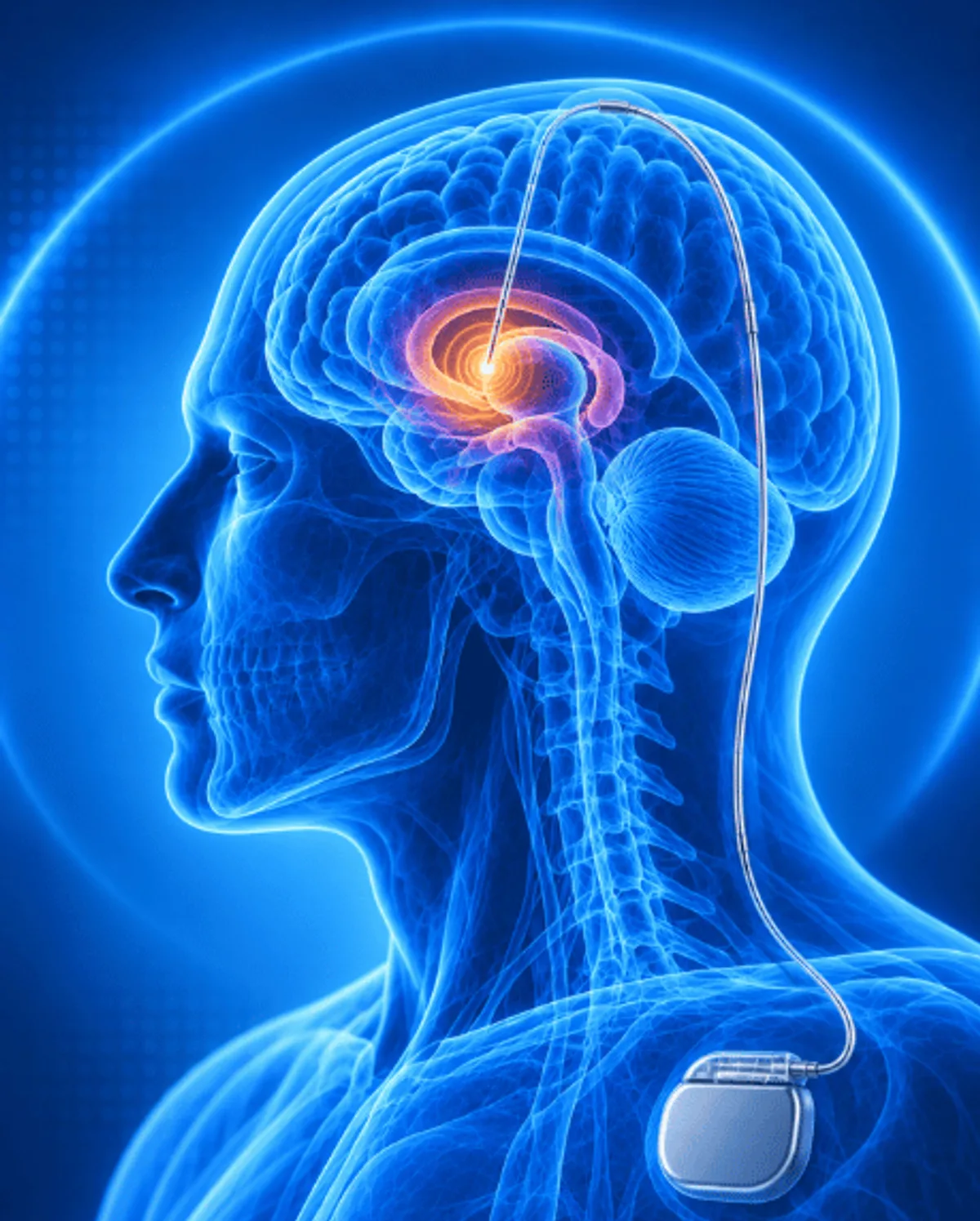
During DBS surgery, electrodes are precisely placed into the selected brain target. The electrodes are connected to an implanted pulse generator, which delivers controlled electrical stimulation.
After the procedure, the device is programmed and adjusted during follow-up visits. Medication may still be required, although some patients may be able to reduce certain medications depending on their condition and response.
Benefits of Deep Brain Stimulation
For appropriately selected patients, DBS may help:
Reduce tremor
Improve movement control
Reduce rigidity or involuntary movements
Improve certain motor symptoms
Support greater independence in daily activities
Improve quality of life for some patients
Allow adjustment of stimulation settings over time
The degree of improvement varies from patient to patient and depends on the diagnosis, symptoms, brain target, disease stage, and response to stimulation.
Recovery After Deep Brain Stimulation
Recovery usually occurs in stages. Patients may initially experience temporary discomfort, swelling, or fatigue following surgery.
The stimulation system is typically activated and programmed after the surgical procedure, followed by regular adjustments based on the patient's symptoms and response.
Follow-up may involve the neurosurgeon, neurologist, and specialized DBS team. Rehabilitation and medication adjustments may also be recommended when appropriate.
Because DBS is an ongoing treatment, long-term follow-up is important to monitor stimulation settings, symptoms, medications, and the implanted device.
Is Deep Brain Stimulation Suitable for Everyone?
DBS is not suitable for every patient with a movement or neurological disorder. Suitability depends on factors such as:
The exact neurological diagnosis
Type and severity of symptoms
Response to medication
Disease duration and progression
Overall physical health
Cognitive and psychological assessment when relevant
Brain imaging findings
Ability to attend regular programming and follow-up appointments
A specialized multidisciplinary team, typically including a neurologist, functional neurosurgeon, neuropsychologist, and other specialists when needed, should evaluate the patient before deciding whether Deep Brain Stimulation is appropriate.