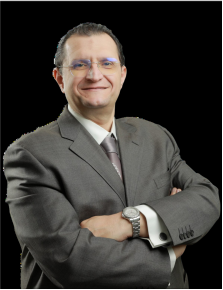
Prof. Dr. Ashraf Moharram
Ортопедические операции
Professor of Hand, Upper Limb and Microsurgery – Faculty of Medicine, Kasr Al-Ainy, Cairo University
Sheikh Zayed City - Гиза
Sphinx International Airport
примерно в 12 km
Prof. Dr. Ashraf Nihad Moharram – Professor of Hand, Upper Limb and Microsurgery
Prof. Dr. Ashraf Nihad Moharram is a Professor of Orthopedic Surgery at the Faculty of Medicine, Cairo University, with a highly specialized practice in Hand Surgery, Upper Limb Surgery, Microsurgery, tendon reconstruction, peripheral nerve surgery, wrist disorders, brachial plexus injuries, and complex functional reconstruction of the upper limb.
His academic and research activity is closely associated with the Hand, Upper Limb and Microsurgery Unit – Department of Orthopedic Surgery, Faculty of Medicine, Cairo University, reflecting a strong focus on complex hand, wrist, nerve, tendon, and reconstructive upper-limb surgery.
Prof. Dr. Ashraf Moharram holds MD and FRCSEd qualifications and has held leadership roles within the Egyptian Society for Surgery of the Hand and Microsurgery – ESSHM, including serving as a past president and current board member.
His published academic work includes advanced topics such as flexor tendon reconstruction, TFCC tears and distal radioulnar joint instability, radial head fractures, tendon transfer for restoration of shoulder function, peripheral nerve injuries, and brachial plexus reconstruction.
Through Macrocare, patients can submit X-rays, MRI scans, CT studies, nerve conduction and EMG reports, previous surgical records, and videos of current hand or upper-limb movement for case organization and appointment coordination with Prof. Dr. Ashraf Nihad Moharram.
Prof. Dr. Ashraf Nihad Moharram’s Areas of Expertise
His areas of expertise include:
Hand Surgery.
Upper Limb Surgery.
Microsurgery.
Flexor Tendon Injuries.
Extensor Tendon Injuries.
Tendon Repair.
Tendon Reconstruction.
Two-Stage Flexor Tendon Reconstruction.
Tendon Transfer Surgery.
Wrist Ligament Injuries.
TFCC Tears.
Distal Radioulnar Joint Instability.
Wrist Arthroscopy.
Hand and Wrist Fractures.
Forearm Fractures.
Radial Head Fractures.
Peripheral Nerve Injuries.
Nerve Repair.
Nerve Reconstruction.
Brachial Plexus Injuries.
Functional Upper-Limb Reconstruction.
Post-Traumatic Reconstruction.
Thumb Ligament Injuries.
Elbow and Upper-Limb Trauma.
Hand Surgery with Prof. Dr. Ashraf Nihad Moharram
The hand is one of the most anatomically complex parts of the body.
Within a small area, it contains:
Bones.
Joints.
Tendons.
Nerves.
Blood vessels.
Ligaments.
Small intrinsic muscles.
Because of this complexity, hand injuries often require a surgeon who understands the interaction between movement, sensation, joint stability, tendon gliding, and fine motor function.
Hand Tendon Injuries
Tendons transmit force from the muscles to the fingers and hand.
Tendon injuries may result from:
Lacerations.
Accidents.
Occupational injuries.
Sports injuries.
Glass injuries.
Fractures.
Complications of previous surgery.
Flexor Tendon Injuries
Flexor Tendons are responsible for bending the fingers.
When they are cut or severely damaged, patients may experience:
Inability to bend one or more fingers.
Weak grip.
Pain.
Loss of normal finger motion.
Repair requires precision because tendon adhesions, rupture, or poor healing can directly affect hand function.
Extensor Tendon Injuries
Extensor Tendons are responsible for straightening the fingers.
Injury may cause:
Drooping of a finger.
Inability to extend a joint.
Abnormal finger posture.
Reduced hand function.
Treatment depends on the level and severity of the tendon injury.
Tendon Reconstruction
Some tendon injuries cannot be repaired directly because of:
Delayed presentation.
Segmental tendon loss.
Severe scarring.
Previous surgery.
Adhesions.
Previous infection.
These patients may require Tendon Reconstruction using tendon grafts or staged surgical procedures.
Two-Stage Flexor Tendon Reconstruction
Two-Stage Flexor Tendon Reconstruction is used in selected complex flexor tendon injuries when direct repair is not feasible.
Prof. Dr. Ashraf Moharram has presented and participated academically in this advanced reconstructive field, including scientific activity focused on staged flexor tendon reconstruction.
Tendon Transfer Surgery
Tendon Transfer involves redirecting a functioning tendon to restore a movement that has been lost because of:
Nerve injury.
Muscle paralysis.
Brachial plexus injury.
Loss of a specific upper-limb function.
The objective is functional restoration rather than simple anatomical repair.
Restoring Shoulder Movement After Deltoid Paralysis
Prof. Dr. Ashraf Moharram participated in published work involving Latissimus Dorsi Tendon Transfer to restore shoulder abduction in patients with Deltoid Paralysis, including cases related to axillary nerve or brachial plexus injury.
Wrist Surgery
The wrist contains a complex arrangement of bones, ligaments, tendons, and stabilizing structures.
Conditions requiring specialized wrist evaluation may include:
Chronic wrist pain.
Ligament injuries.
Wrist instability.
Wrist fractures.
TFCC injuries.
Sports injuries.
Pain after falling onto the hand.
TFCC Tears
The Triangular Fibrocartilage Complex – TFCC is an important stabilizing structure on the ulnar side of the wrist.
TFCC injury may cause:
Ulnar-sided wrist pain.
Pain with forearm rotation.
Weak grip.
Clicking.
A sensation of wrist instability.
TFCC Repair
Prof. Dr. Ashraf Moharram participated in published research on Arthroscopic-Assisted Foveal Reattachment of TFCC Tears in patients with Distal Radioulnar Joint – DRUJ instability, comparing different repair techniques.
Distal Radioulnar Joint Instability
The Distal Radioulnar Joint – DRUJ is essential for rotation of the forearm.
Instability may cause:
Pain.
Clicking.
Weak forearm rotation.
Difficulty carrying objects.
Wrist instability.
It may occur with TFCC injury or following previous fractures.
Wrist Arthroscopy
Wrist Arthroscopy uses a small camera to visualize the inside of the wrist joint.
It may be used to:
Assess ligament injuries.
Evaluate TFCC tears.
Treat selected intra-articular problems.
Repair specific structures through small incisions.
Thumb Ligament Injuries
The thumb is essential for grip, pinch, and fine hand function.
Ligament injury may occur after:
Falls.
Sports injuries.
Forceful thumb deviation.
One of the commonly recognized injuries is:
Ulnar Collateral Ligament – UCL Injury
Some cases may require surgical repair to restore thumb stability and grip strength.
Hand and Wrist Fractures
Fractures may involve:
Fingers.
Metacarpals.
Wrist bones.
Distal radius.
Treatment depends on:
Fracture location.
Displacement.
Joint involvement.
Stability.
Patient age.
Functional demands.
Radial Head Fractures
The Radial Head is an important component of the elbow joint.
Fractures commonly occur after falling on an outstretched hand.
Symptoms may include:
Elbow pain.
Difficulty bending or straightening the elbow.
Difficulty rotating the forearm.
Swelling.
Prof. Dr. Ashraf Moharram participated in published clinical research comparing fixation techniques for displaced radial head fractures within the Hand, Upper Limb and Microsurgery Unit at Cairo University.
Peripheral Nerve Injuries
Peripheral nerve injuries may result in:
Loss of sensation.
Muscle weakness.
Partial paralysis.
Neuropathic pain.
Loss of specific hand or upper-limb functions.
Treatment depends on the nerve involved, severity of injury, and time since injury.
Nerve Repair and Reconstruction
In suitable patients, reconstructive options may include:
Direct Nerve Repair.
Nerve Grafting.
Nerve Reconstruction.
Tendon Transfer.
Functional reconstruction of the upper limb.
The best option depends on the level of nerve injury and the condition of the target muscles.
Brachial Plexus Injuries
The Brachial Plexus is the network of nerves responsible for movement and sensation in the upper limb.
Injury may occur due to:
High-energy trauma.
Motorcycle accidents.
Severe traction injuries.
Penetrating trauma.
Birth-related injury in selected cases.
The injury may affect the shoulder, elbow, wrist, or hand.
Brachial Plexus Reconstruction
Prof. Dr. Ashraf Moharram has participated in research involving Brachial Plexus Avulsion, nerve reconstruction, and functional restoration of the upper limb, including tendon transfer procedures for shoulder paralysis.
How Are Nerve Injuries Evaluated?
Assessment may include:
Clinical examination.
Muscle power testing.
Sensory examination.
Nerve Conduction Studies.
EMG.
MRI.
Specialized imaging of nerves or the brachial plexus in selected cases.
Microsurgery
Microsurgery uses magnification and fine surgical instruments to operate on very small anatomical structures.
It is especially relevant for:
Peripheral nerves.
Small blood vessels.
Delicate soft tissues.
Microsurgical techniques may be used in:
Nerve repair.
Nerve reconstruction.
Tissue transfer.
Complex upper-limb reconstruction.
Upper-Limb Reconstruction
Complex upper-limb injuries may involve more than one tissue type.
Reconstruction may need to address:
Bone.
Tendon.
Nerve.
Soft tissue.
Joint structures.
The objective is to restore as much movement, sensation, stability, and function as possible.
Complex Hand and Upper-Limb Trauma
Severe injuries may involve several structures at the same time, for example:
Fracture plus tendon laceration.
Nerve injury plus vascular injury.
Soft-tissue loss.
Complex joint injury.
These cases require a coordinated reconstructive strategy rather than treating each structure in isolation.
Hand Stiffness After Injury
Stiffness may develop because of:
Prolonged immobilization.
Tendon adhesions.
Intra-articular fractures.
Soft-tissue injury.
Scar formation.
Previous surgery.
Treatment may include:
Hand Therapy.
Splinting.
Tendon release in selected cases.
Joint release.
Reconstructive surgery according to the cause.
Tendon Adhesions
After tendon injury or surgery, Tendon Adhesions may restrict normal tendon gliding.
A patient may have good passive motion but limited active movement.
Selected patients may require Tenolysis following careful assessment.
Rehabilitation After Hand Surgery
Rehabilitation is a fundamental part of hand surgery.
It may include:
Hand Therapy.
Range-of-motion exercises.
Splinting.
Swelling control.
Scar Management.
Gradual strengthening.
The rehabilitation protocol depends on the operation performed and the stage of tissue healing.
Why Timing Matters in Tendon and Nerve Injuries
Some injuries benefit from early evaluation because delay may lead to:
Muscle wasting.
Tissue fibrosis.
Adhesions.
Joint stiffness.
More complex reconstruction.
However, even older injuries may still be evaluated for reconstructive options such as tendon transfer, nerve reconstruction, or functional salvage procedures.
Evaluation Before Hand or Upper-Limb Surgery
Assessment may include:
Clinical examination.
X-ray.
CT.
MRI.
Ultrasound in selected cases.
NCS/EMG.
Review of previous operations.
Prof. Dr. Ashraf Moharram’s Academic and Professional Experience
Prof. Dr. Ashraf Nihad Moharram is:
Professor of Orthopedic Surgery – Cairo University.
Academically associated with Hand, Upper Limb and Microsurgery at Cairo University.
Holder of MD, FRCSEd.
Board Member of the Egyptian Society for Surgery of the Hand and Microsurgery – ESSHM.
A Past President of the Egyptian Society for Surgery of the Hand and Microsurgery.
Previously presented academically as a Board Member of the Egyptian Orthopaedic Association in a Cairo University scientific program.
Author and co-author of published research in hand, wrist, upper-limb and microsurgical reconstruction.
Why Do Patients Consult Prof. Dr. Ashraf Nihad Moharram?
Patients may seek an evaluation with Prof. Dr. Ashraf Moharram for:
Hand Surgery – Tendon Injuries – Flexor Tendon Reconstruction – Peripheral Nerve Injury – Brachial Plexus Injury – Tendon Transfer – Wrist Injury – TFCC Tear – DRUJ Instability – Wrist Arthroscopy – Upper-Limb Fractures – Microsurgery – Functional Reconstruction of the Hand and Upper Limb.
Book an Appointment with Prof. Dr. Ashraf Moharram Through Macrocare
If you are searching for:
Prof. Dr. Ashraf Moharram
Ashraf Nihad Moharram
Ashraf Moharram Hand Surgeon
Hand Surgeon Egypt
Upper Limb Surgeon Egypt
Microsurgeon Egypt
Tendon Surgeon Egypt
Peripheral Nerve Surgeon Egypt
Brachial Plexus Surgeon Egypt
TFCC Surgeon Egypt
Wrist Surgeon Egypt
Upper Limb Reconstruction Egypt
you can submit the medical file through Macrocare for case organization and appointment coordination with Prof. Dr. Ashraf Nihad Moharram.
What Should Patients Send for a Hand Tendon Injury?
It is useful to provide:
Description of the injury.
Date of injury.
Photographs of the wound if recent and appropriate.
Previous operative report if surgery was performed.
X-rays.
Ultrasound or MRI if available.
Description or video of current finger movement.
Previous rehabilitation details.
What Should Patients Send for a Nerve Injury?
Useful information includes:
Nerve Conduction Study.
EMG.
Date of injury.
Mechanism of injury.
Previous surgical reports.
MRI if performed.
Photos or video of current movement.
Areas of sensory loss.
What Should Patients Send for a Brachial Plexus Injury?
It is preferable to provide:
Exact date of injury.
EMG/NCS.
MRI Brachial Plexus if performed.
MRI Cervical Spine when available.
Previous operative reports.
Description or video of shoulder, elbow, wrist, and hand movement.
Duration of the injury.
What Should Patients Send for a TFCC or Wrist Injury?
Useful documents include:
MRI Wrist.
X-rays.
Date and mechanism of injury.
Location of pain.
Presence of clicking or instability.
Previous surgery.
Current range of motion.
What Should Patients Send for an Upper-Limb Fracture?
It is useful to provide:
X-rays.
CT if performed.
Date of injury.
Previous fixation or surgery.
Operative report.
Recent imaging.
Current range of motion.
Frequently Asked Questions About Prof. Dr. Ashraf Nihad Moharram
What Is Prof. Dr. Ashraf Moharram’s Specialty?
Prof. Dr. Ashraf Nihad Moharram is a Professor of Orthopedic Surgery with specialized expertise in Hand Surgery, Upper Limb Surgery, Microsurgery, tendon reconstruction, and peripheral nerve reconstruction.
Is Prof. Dr. Ashraf Moharram Specialized in Hand Surgery?
Yes. His academic and research activity is directly associated with the Hand, Upper Limb and Microsurgery Unit at Cairo University.
Does He Treat Hand Tendon Injuries?
Yes. Tendon repair and reconstruction are among his key areas of academic expertise, including Two-Stage Flexor Tendon Reconstruction.
Does He Treat Peripheral Nerve Injuries?
Yes. His microsurgical and reconstructive work includes peripheral nerve and functional upper-limb reconstruction.
Does He Treat Brachial Plexus Injuries?
Yes. His published academic work includes Brachial Plexus injury and reconstruction, as well as functional restoration after complex nerve injury.
Does He Treat TFCC Injuries?
Yes. He participated in published research involving arthroscopic-assisted repair of TFCC Tears associated with DRUJ instability.
Does He Perform Wrist Arthroscopy?
His published research includes arthroscopic-assisted wrist procedures for TFCC reconstruction.
Does He Treat Radial Head Fractures?
Yes. He participated in published clinical research on surgical fixation of displaced radial head fractures.
Does He Perform Tendon Transfer Surgery?
Yes. His published work includes Tendon Transfer for restoration of upper-limb movement following muscle and nerve paralysis.
Is Microsurgery Part of His Specialty?
Yes. His academic work is directly associated with Hand and Microsurgery, and he has held leadership roles within the Egyptian Society for Surgery of the Hand and Microsurgery.
Can Patients Request a Second Opinion After Previous Hand Surgery?
Yes. Previous surgical reports, imaging, current movement videos, and nerve studies can be reviewed to assess the current condition and possible reconstructive options.
Can Old Hand or Nerve Injuries Still Be Evaluated?
Yes. Older injuries may still be assessed for options such as tendon reconstruction, nerve reconstruction, tendon transfer, joint release, or other functional reconstructive procedures depending on the condition of the nerves, muscles, tendons, and joints.
Can International Patients Be Evaluated Before Traveling to Egypt?
Yes. Medical records and imaging can be submitted through Macrocare before travel for case organization and consultation coordination.
How Can I Book with Prof. Dr. Ashraf Moharram?
Patients can submit X-rays, MRI, CT, NCS/EMG, previous operative reports, and a description or video of current hand or upper-limb movement through Macrocare, which can coordinate the appropriate consultation with Prof. Dr. Ashraf Nihad Moharram.
Лечение у Prof. Dr. Ashraf Moharram
Процедуры этого поставщика с реальными начальными ценами.
Поверхностное эндопротезирование сустава (резурфейсинг)
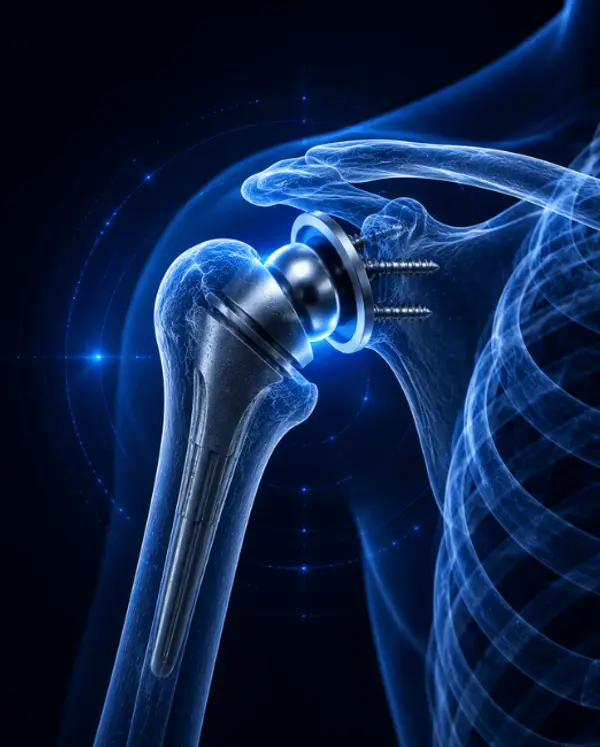
Реконструктивная операция на плечевом суставе
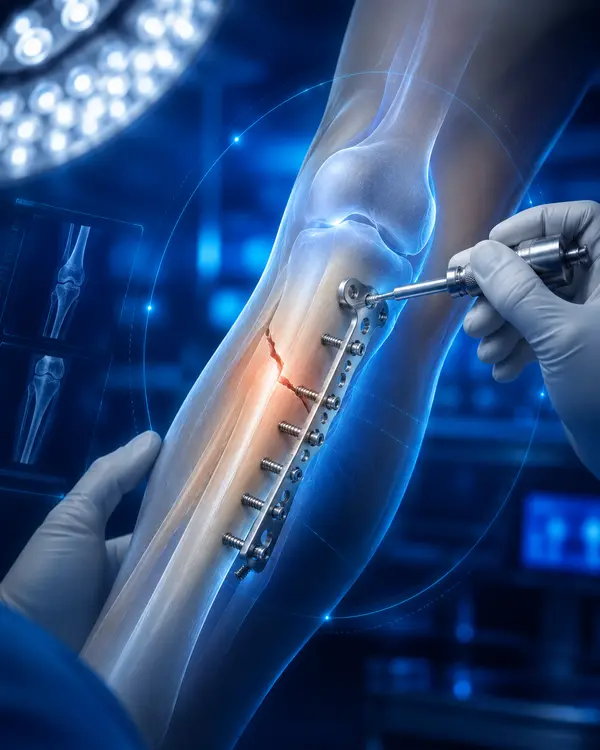
Хирургическая фиксация перелома
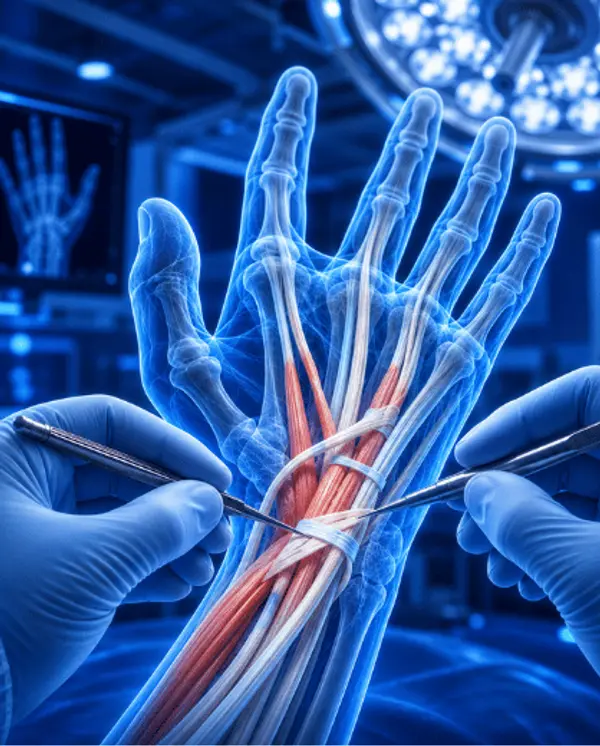
Операция по транспозиции сухожилия
Только указанные цены — перелёт и проживание рассчитываются отдельно. Итоговая стоимость подтверждается в бесплатном предложении. Курсы на 2026-07-20.