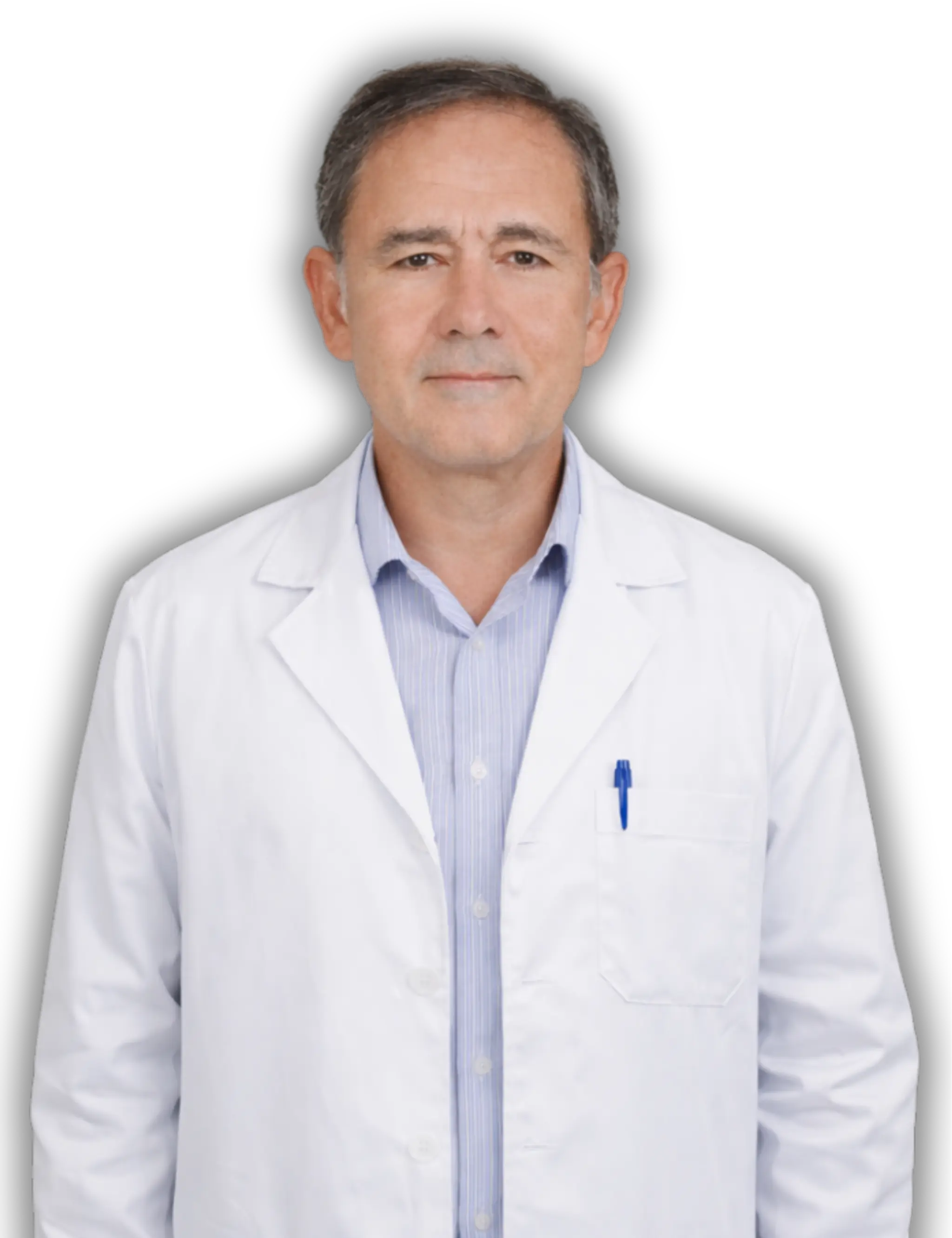
Prof. Dr. Ahmed Gaafar
Кардиоторакальная хирургия
Professor of Cardiothoracic Surgery – Faculty of Medicine, Cairo University Consultant of Open-Heart and Advanced Cardiothoracic Surgery
Down town - Каир
Cairo International Airport
примерно в 23 km
Grand Egyptian Museum
примерно в 18 km
Dr. Ahmed Gaafar – Professor of Cardiothoracic and Open-Heart Surgery
Dr. Ahmed Gaafar is a Professor of Cardiothoracic Surgery at Cairo University and a Consultant specializing in open-heart surgery, coronary artery bypass surgery, heart valve repair and replacement, aortic surgery, and thoracic surgery.
Dr. Ahmed Gaafar has extensive experience in evaluating and treating complex cardiac and thoracic conditions that require surgical intervention, with particular attention to accurate diagnosis, timing of surgery, and selection of the most appropriate surgical approach.
His expertise includes Coronary Artery Bypass Grafting, CABG, heart valve surgery, mitral valve repair, aortic surgery, selected congenital heart surgery, and lung and thoracic procedures.
Through Macrocare, patients can submit their medical reports, imaging, echocardiography, and coronary angiography for case review and appointment coordination with Dr. Ahmed Gaafar.
Dr. Ahmed Gaafar’s Specialties
The expertise of Dr. Ahmed Gaafar in cardiothoracic surgery includes:
- Open-heart surgery.
- Coronary artery bypass surgery.
- Coronary Artery Bypass Grafting, CABG.
- Coronary revascularization surgery.
- Heart valve repair.
- Heart valve replacement.
- Mitral valve repair.
- Mitral valve replacement.
- Aortic valve surgery.
- Aortic valve replacement.
- Tricuspid valve surgery.
- Aortic surgery.
- Surgical treatment of aortic aneurysms.
- Selected congenital heart surgery.
- Redo cardiac surgery in suitable cases.
- Lung surgery.
- Thoracic surgery.
- Lung and chest tumor surgery.
- Pleural surgery.
- Mediastinal surgery.
- Evaluation of complex cardiac and thoracic surgical cases.
Coronary Artery Bypass Surgery with Dr. Ahmed Gaafar
Coronary Artery Bypass Grafting, CABG, is one of the major open-heart procedures used to treat selected patients with severe or complex coronary artery disease.
The coronary arteries supply oxygen-rich blood to the heart muscle. Severe narrowing or blockage can reduce blood flow and lead to angina, reduced heart function, or myocardial infarction.
The expertise of Dr. Ahmed Gaafar includes surgical coronary revascularization for patients who are appropriate candidates for bypass surgery.
When Is CABG Surgery Considered?
A patient may require surgical evaluation when there is:
- Severe narrowing of multiple coronary arteries.
- Complex coronary disease that is less suitable for stenting.
- Significant left main coronary artery disease.
- Multivessel coronary artery disease.
- Persistent angina despite medical therapy.
- Reduced heart function related to ischemic heart disease.
- Certain patterns of coronary disease in patients with diabetes.
- Failure or limited suitability of previous catheter-based treatment.
The decision is based on the coronary angiogram, symptoms, heart function, overall medical condition, and the expected benefits of surgery compared with other treatment options.
What Is Coronary Artery Bypass Grafting?
During CABG surgery, new pathways are created to allow blood to bypass narrowed or blocked coronary arteries.
Blood vessels from the patient’s own body may be used as bypass grafts.
Common grafts include:
- Internal mammary artery.
- Radial artery.
- Saphenous vein from the leg.
The number and type of grafts are selected according to the coronary anatomy and the patient’s individual condition.
When Does a Patient Need Open-Heart Surgery for Coronary Artery Disease?
Not every patient with coronary artery narrowing requires bypass surgery.
Treatment may involve:
- Medical therapy.
- Coronary angioplasty and stenting.
- CABG surgery.
The choice depends on:
- Number of affected vessels.
- Location of the blockages.
- Complexity of coronary disease.
- Heart muscle function.
- Patient age.
- Presence of diabetes or other medical conditions.
- Coronary angiography findings.
- Suitability for catheter-based intervention.
Dr. Ahmed Gaafar reviews the complete clinical and angiographic picture before determining whether surgery is appropriate.
Symptoms of Coronary Artery Disease
Possible symptoms include:
- Chest pain or pressure.
- Shortness of breath.
- Pain extending to the arm, shoulder, jaw, or back.
- Reduced exercise tolerance.
- Unusual fatigue.
- Symptoms triggered by walking or climbing stairs.
Some patients, particularly those with diabetes, may have significant coronary disease with less typical symptoms.
Heart Valve Surgery with Dr. Ahmed Gaafar
Dr. Ahmed Gaafar specializes in heart valve surgery for patients with severe valve narrowing or leakage that affects cardiac function.
His valve surgery experience includes:
- Mitral valve repair.
- Mitral valve replacement.
- Aortic valve repair or replacement.
- Tricuspid valve surgery.
- Combined valve and coronary bypass surgery when required.
Mitral Valve Repair
In selected patients with mitral regurgitation, the valve can be repaired rather than replaced.
Mitral valve repair may involve:
- Repairing the valve leaflets.
- Supporting the valve with an annuloplasty ring.
- Repairing or reconstructing supporting structures.
- Correcting the mechanism causing valve leakage.
The scientific work of Dr. Ahmed Gaafar includes research related to surgical treatment of ischemic mitral regurgitation.
Mitral Valve Replacement
When the mitral valve is too damaged to be repaired effectively, Mitral Valve Replacement may be recommended.
The choice of prosthetic valve depends on factors such as:
- Patient age.
- Overall medical condition.
- Need for long-term anticoagulation.
- Lifestyle considerations.
- Other cardiac conditions.
Aortic Valve Surgery
A patient may require aortic valve surgery because of:
- Severe aortic stenosis.
- Severe aortic regurgitation.
- Structural deterioration of the valve.
- Selected congenital abnormalities of the aortic valve.
Treatment may involve repair or replacement depending on the valve pathology and overall cardiac condition.
Mechanical vs. Tissue Heart Valves
When a heart valve needs replacement, different types of prosthetic valves may be considered.
The main categories include:
- Mechanical valves.
- Biological or tissue valves.
The choice depends on age, medical condition, expected durability, need for anticoagulation, and individual patient circumstances.
Symptoms of Heart Valve Disease
Symptoms may include:
- Shortness of breath.
- Fatigue during activity.
- Swelling of the legs.
- Palpitations.
- Chest discomfort.
- Dizziness or fainting.
- Reduced exercise tolerance.
The severity of symptoms depends on the affected valve and the degree of narrowing or regurgitation.
When Does Heart Valve Disease Need Surgery?
The timing of surgery is based on more than symptoms alone.
The evaluation may include:
- Severity of valve narrowing or leakage.
- Patient symptoms.
- Size of the heart chambers.
- Heart muscle function.
- Pulmonary artery pressure.
- Echocardiography findings.
- Presence of additional cardiac disease.
Appropriate timing is important to reduce the risk of irreversible cardiac damage.
Aortic Surgery with Dr. Ahmed Gaafar
The expertise of Dr. Ahmed Gaafar includes the evaluation and surgical treatment of selected aortic diseases.
These may include:
- Aortic aneurysm.
- Aortic root disease.
- Selected aortic dissection cases.
- Combined aortic valve and ascending aorta disease.
Aortic Aneurysm
An aortic aneurysm is an abnormal enlargement of part of the aorta caused by weakening of the vessel wall.
The need for surgery depends on:
- Diameter of the aneurysm.
- Location.
- Rate of growth.
- Presence of symptoms.
- Aortic valve anatomy.
- Family history.
- Certain inherited aortic disorders.
Not every aneurysm requires immediate surgery, but appropriate surveillance is important.
Aortic Aneurysm Surgery
When an aneurysm reaches the threshold for intervention, the affected section of the aorta may be replaced with a surgical graft.
In selected patients, surgery may also involve the aortic root and aortic valve during the same procedure.
The exact surgical plan depends on the anatomy and extent of the aortic disease.
Aortic Dissection
Aortic dissection is a serious condition in which a tear develops in the inner layer of the aortic wall.
It may present with:
- Sudden severe chest pain.
- Severe back pain.
- Collapse or neurological symptoms in some cases.
Certain types of aortic dissection require emergency cardiac surgery.
Congenital Heart Surgery
Cardiothoracic surgery also includes the treatment of selected congenital heart defects in children and adults.
These may include:
- Septal defects.
- Selected congenital valve abnormalities.
- Abnormalities of the major blood vessels.
- Conditions affecting blood flow through the heart.
The timing and type of surgery depend on the specific defect and its effect on cardiac function and circulation.
Surgery for Heart Septal Defects
Common septal defects include:
- Atrial Septal Defect, ASD.
- Ventricular Septal Defect, VSD.
Some small defects may require only observation, while other defects may require catheter-based closure or surgery depending on their size, location, and effect on the heart.
Redo Open-Heart Surgery
Some patients who previously underwent open-heart surgery may later require another operation because of:
- New heart valve disease.
- Degeneration of a previous prosthetic valve.
- Problems with previous bypass grafts.
- New aortic disease.
- Complications related to previous cardiac surgery.
Redo cardiac surgery requires careful planning because previous surgery can alter the anatomy and increase procedural complexity.
Thoracic Surgery with Dr. Ahmed Gaafar
In addition to cardiac surgery, the expertise of Dr. Ahmed Gaafar includes thoracic surgery.
This may involve selected diseases of the:
- Lungs.
- Pleura.
- Mediastinum.
- Chest wall.
- Thoracic tumors.
Lung Tumor Surgery
Surgery may be an important part of treatment for selected patients with lung cancer or other lung tumors when the disease is surgically resectable.
The decision depends on:
- Tumor type.
- Tumor size.
- Cancer stage.
- Presence or absence of spread.
- Pulmonary function.
- General fitness for surgery.
Types of Lung Surgery
Thoracic procedures may include:
- Wedge resection.
- Segmentectomy.
- Lobectomy.
- Pneumonectomy in selected cases.
- Resection of selected chest tumors.
The extent of surgery is selected according to the disease, tumor location, and remaining lung function.
Mediastinal Tumors
Mediastinal tumors are masses located in the central area of the chest between the lungs.
They may originate from:
- Thymus.
- Lymph nodes.
- Nerves.
- Other thoracic tissues.
Treatment depends on the type, size, location, and pathology of the mass.
Pleural Disease and Pleural Effusion
Selected diseases of the pleura, the membrane surrounding the lungs, may require surgical or thoracoscopic intervention for diagnosis or treatment.
The appropriate procedure depends on the cause of pleural fluid accumulation or the underlying pleural disease.
Evaluation Before Open-Heart Surgery
Before open-heart surgery, patients usually require comprehensive assessment.
This may include:
- Coronary angiography.
- Echocardiography.
- ECG.
- Kidney and liver function tests.
- Complete blood count.
- Coagulation tests.
- Chest imaging.
- Pulmonary function tests when required.
- Assessment of diabetes, hypertension, and other chronic conditions.
- Medication review.
The exact preoperative investigations depend on the type of surgery and the patient’s health.
Recovery After Open-Heart Surgery
Recovery varies from patient to patient and depends on:
- Type of surgery.
- Patient age.
- Heart function.
- Associated medical conditions.
- Presence or absence of complications.
- Participation in postoperative rehabilitation.
Recovery generally includes medical follow-up, medications, gradual mobilization, wound care, and cardiac rehabilitation when appropriate.
Dr. Ahmed Gaafar’s Treatment Approach
Dr. Ahmed Gaafar evaluates each patient comprehensively before recommending surgery.
The approach may include:
- Reviewing coronary angiography and imaging.
- Evaluating heart muscle function.
- Assessing surgical benefits and risks.
- Determining the appropriate timing of intervention.
- Selecting the most suitable surgical technique.
- Coordinating with cardiology and other specialties when required.
- Structured postoperative follow-up.
Dr. Ahmed Gaafar’s Academic and Clinical Experience
Dr. Ahmed Gaafar is a Professor of Cardiothoracic Surgery at the Faculty of Medicine, Cairo University.
His clinical and academic experience includes open-heart surgery, coronary bypass surgery, heart valve surgery, aortic surgery, and thoracic surgery.
He has also participated in scientific research related to cardiac surgery, including coronary revascularization and surgical treatment of ischemic mitral regurgitation.
Why Do Patients Consult Dr. Ahmed Gaafar?
Patients may seek an evaluation with Dr. Ahmed Gaafar for specialized management of:
Open-heart surgery – coronary bypass surgery – CABG – coronary artery bypass grafting – heart valve replacement – mitral valve repair – mitral valve replacement – aortic valve replacement – aortic aneurysm surgery – aortic surgery – congenital heart surgery – lung tumor surgery – thoracic surgery.
Book an Appointment with Dr. Ahmed Gaafar Through Macrocare
If you are searching for:
Dr. Ahmed Gaafar cardiac surgeon
Dr. Ahmed Gaafar open-heart surgeon
Dr. Ahmed Gaafar CABG surgeon
Dr. Ahmed Gaafar heart valve surgeon
Dr. Ahmed Gaafar thoracic surgeon
Open-heart surgeon in Egypt
CABG surgeon in Egypt
Heart valve surgeon in Cairo
or you need a specialist opinion regarding open-heart surgery, coronary bypass surgery, heart valve repair or replacement, aortic aneurysm surgery, or lung and thoracic surgery, you can submit the case to Macrocare.
For an initial case review, patients may provide:
- Medical reports.
- Coronary angiography, if available.
- Recent echocardiography.
- ECG.
- Cardiac CT or MRI, if performed.
- Aortic CT imaging when relevant.
- Chest imaging.
- Previous operative reports.
- Relevant laboratory results.
- Current medication list.
The Macrocare team can help organize the medical file and coordinate the appropriate consultation or appointment with Dr. Ahmed Gaafar.
Frequently Asked Questions About Dr. Ahmed Gaafar
What Is Dr. Ahmed Gaafar’s Specialty?
Dr. Ahmed Gaafar is a Professor and Consultant of Cardiothoracic Surgery specializing in open-heart surgery, coronary bypass surgery, heart valve surgery, aortic surgery, and thoracic surgery.
Does Dr. Ahmed Gaafar Perform CABG Surgery?
Yes. The expertise of Dr. Ahmed Gaafar includes Coronary Artery Bypass Grafting, CABG, for suitable patients with significant or complex coronary artery disease.
When Does a Patient Need CABG Surgery?
CABG may be recommended for selected patients with severe multivessel coronary disease, left main coronary disease, complex blockages, or coronary anatomy that is less suitable for catheter-based treatment.
Does Dr. Ahmed Gaafar Perform Heart Valve Surgery?
Yes. His expertise includes heart valve repair and replacement, including mitral and aortic valve surgery.
Can a Heart Valve Be Repaired Instead of Replaced?
Some heart valves, particularly selected cases of mitral regurgitation, can be repaired. Other cases require valve replacement. The decision depends on valve anatomy and the underlying disease.
Does Dr. Ahmed Gaafar Treat Aortic Aneurysms?
Yes. Cardiothoracic surgery includes the evaluation and surgical treatment of selected aortic aneurysms that meet criteria for intervention.
Does Dr. Ahmed Gaafar Perform Complex Open-Heart Surgery?
His practice includes open-heart surgery and complex cardiac conditions that require advanced surgical assessment and planning.
Does Dr. Ahmed Gaafar Perform Lung and Thoracic Surgery?
Yes. His cardiothoracic practice includes selected lung, pleural, mediastinal, and thoracic surgical conditions.
Does Every Coronary Artery Blockage Require Open-Heart Surgery?
No. Coronary artery disease may be treated with medications, coronary stents, or bypass surgery. The best option depends on the number, location, and complexity of blockages and the patient’s overall condition.
How Can I Book an Appointment with Dr. Ahmed Gaafar?
You can contact Macrocare and submit the patient’s medical reports, coronary angiography, echocardiography, and available imaging. The Macrocare team can help organize the medical file and coordinate an appropriate consultation or appointment with Dr. Ahmed Gaafar.
Лечение у Prof. Dr. Ahmed Gaafar
Процедуры этого поставщика с реальными начальными ценами.
Замена клапана лёгочной артерии

Операция по устранению грыжи
Восстановление митрального клапана
Устранение аневризмы аорты
Хирургия врождённых пороков сердца
Только указанные цены — перелёт и проживание рассчитываются отдельно. Итоговая стоимость подтверждается в бесплатном предложении. Курсы на 2026-07-20.