
Arkan Plaza
примерно в 3 km
Egyptian Museum
примерно в 10 km
Sphinx International Airport
примерно в 10 km
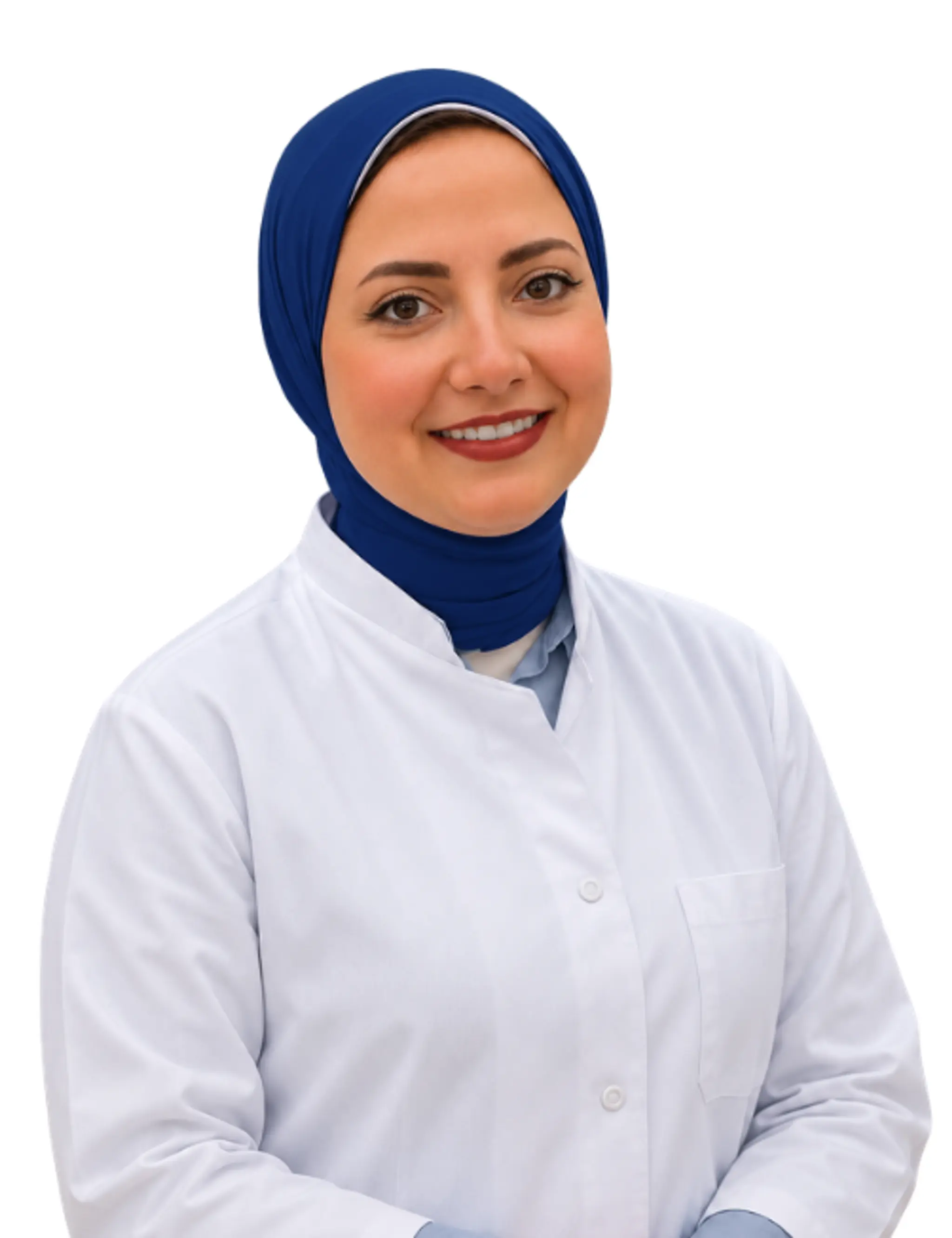
Dr. Salma Mamdouh ElReedy – Consultant Clinical Oncologist
Dr. Salma Mamdouh ElReedy is a Consultant Clinical Oncologist with experience in the management of multiple solid tumors in both men and women, with a particularly strong area of expertise in Breast Oncology.
Her clinical practice includes the use of modern cancer treatment strategies such as chemotherapy, targeted therapy, immunotherapy, hormonal therapy, neoadjuvant treatment, adjuvant treatment, management of advanced and metastatic cancer, treatment response assessment, and second-opinion oncology review.
Dr. Salma combines clinical oncology practice with specialized training in breast cancer and contemporary systemic cancer treatment, allowing her to approach cancer care according to the tumor type, stage, biological characteristics, molecular profile, previous treatments, and overall condition of each patient.
She works as an Oncology Consultant at Baheya Specialized Hospital of Breast Cancer and serves as Oncology Unit Manager at MUST University Hospital.
Her qualifications and professional affiliations include:
MD of Clinical Oncology.
Breast Cancer Diploma – Northwestern University.
Specialized training in Breast Cancer Management at Institut Jules Bordet, Belgium.
Member of the American Society of Clinical Oncology – ASCO.
Member of the European Society for Medical Oncology – ESMO.
Board Member of the Egyptian Young Oncologists Coalition – EYOC.
Through Macrocare, patients can submit pathology reports, imaging, laboratory results, previous treatment records, and proposed treatment plans for case organization and consultation coordination with Dr. Salma Mamdouh ElReedy.
Dr. Salma Mamdouh ElReedy’s Main Areas of Expertise
Her clinical oncology experience includes:
Clinical Oncology.
Solid Tumor Oncology.
Cancer diagnosis and staging.
Chemotherapy.
Targeted Therapy.
Immunotherapy.
Hormonal Therapy.
Neoadjuvant Therapy.
Adjuvant Therapy.
Advanced Cancer Treatment.
Metastatic Cancer.
Recurrent Cancer.
Treatment response assessment.
Modification of treatment lines.
Second Opinion in Oncology.
Pathology and treatment-plan review.
Management of treatment-related side effects.
Supportive Cancer Care.
Cancer Survivorship and Follow-Up.
Breast Oncology.
Early Breast Cancer.
Locally Advanced Breast Cancer.
Metastatic Breast Cancer.
HER2-Positive Breast Cancer.
Hormone-Receptor Positive Breast Cancer.
Triple-Negative Breast Cancer.
Clinical Oncology with Dr. Salma Mamdouh ElReedy
Modern cancer treatment is not based only on the location of the primary tumor.
Two patients with the same type of cancer may require very different treatment plans depending on:
Histological type.
Tumor grade.
Cancer stage.
Site of disease.
Presence or absence of metastases.
Tumor biology.
Molecular markers.
Actionable mutations.
Patient age.
Performance status.
Chronic medical conditions.
Previous treatments.
Treatment response.
For this reason, oncology management is increasingly personalized according to the biology of the cancer and the characteristics of the individual patient.
Solid Tumors
Clinical Oncology involves the management of a broad range of solid tumors.
Depending on the diagnosis and stage, treatment may involve:
Systemic therapy alone.
Treatment before surgery.
Treatment after surgery.
Combined chemotherapy and radiotherapy.
Targeted therapy.
Immunotherapy.
Hormonal therapy.
Long-term treatment for metastatic disease.
Supportive and symptom-directed treatment.
Chemotherapy
Chemotherapy remains an important treatment option in many types of cancer.
It may be used:
As a primary treatment.
Before surgery.
After surgery.
Together with radiotherapy in selected cancers.
In advanced cancer.
In metastatic disease.
When cancer recurs.
As a later line of therapy after disease progression.
Not every patient with cancer requires chemotherapy.
How Is Chemotherapy Selected?
The treatment regimen depends on:
Cancer type.
Stage.
Treatment goal.
Patient performance status.
Kidney function.
Liver function.
Blood counts.
Previous therapies.
Coexisting medical conditions.
Tumor biology.
Targeted Therapy
Targeted Therapy is designed to interfere with specific molecular or biological pathways involved in cancer growth.
Patients may require testing such as:
Immunohistochemistry.
Molecular Testing.
Mutation Analysis.
Biomarker Testing.
Receptor Testing.
These results may help identify whether a specific targeted treatment is suitable.
Immunotherapy
Immunotherapy has become an important part of treatment for several cancers.
It works by helping the immune system recognize and attack cancer cells.
However, immunotherapy is not appropriate for every patient.
Its use depends on factors such as:
Cancer type.
Disease stage.
Biomarkers.
Previous treatment.
General health.
Autoimmune conditions.
Treatment goals.
Hormonal Therapy in Oncology
Some cancers depend on hormones for growth.
Hormonal Therapy may therefore be an important part of treatment in selected cancers, particularly:
Certain types of breast cancer.
Prostate cancer.
Other hormone-sensitive malignancies when appropriate.
Neoadjuvant Therapy
Neoadjuvant Therapy refers to treatment given before surgery.
Its goals may include:
Reducing tumor size.
Improving resectability.
Making surgery less extensive.
Increasing the possibility of organ-preserving treatment.
Treating microscopic systemic disease early.
Assessing how the tumor responds to therapy.
Neoadjuvant treatment may include:
Chemotherapy.
Targeted Therapy.
Immunotherapy.
Hormonal Therapy in selected cases.
Adjuvant Therapy
Adjuvant Therapy is given after surgery to reduce the risk of cancer recurrence.
It may include:
Chemotherapy.
Radiotherapy.
Hormonal Therapy.
Targeted Therapy.
Immunotherapy.
The decision depends on the estimated risk of recurrence and the biological features of the tumor.
Advanced and Metastatic Cancer
Metastatic Cancer means that cancer cells have spread from the primary tumor to another organ or site.
Treatment depends on:
Primary cancer type.
Sites of metastasis.
Extent of disease.
Tumor biomarkers.
Symptoms.
Previous treatments.
Overall patient condition.
Can Metastatic Cancer Be Treated?
Yes.
Metastatic cancer often has multiple treatment options, although the goals of therapy may differ from those in early-stage disease.
Treatment may aim to:
Control the cancer.
Reduce tumor burden.
Slow disease progression.
Improve symptoms.
Maintain quality of life.
Prolong disease control.
The expected benefit depends on the specific cancer type and its biological characteristics.
Treatment Lines in Advanced Cancer
Cancer treatment may progress from:
First-Line Therapy
to:
Second-Line Therapy
and later lines when necessary.
The decision to change treatment may depend on:
Response.
Duration of disease control.
Disease progression.
Side effects.
New biomarker results.
Newly available targeted options.
Recurrent Cancer
Cancer Recurrence may occur:
At the original tumor site.
In nearby tissues or lymph nodes.
At distant organs.
When cancer returns, the patient usually requires a new evaluation rather than automatically repeating the previous treatment.
Repeat Biopsy in Recurrent or Progressive Cancer
In selected cases, Repeat Biopsy may be useful when cancer returns or progresses.
Tumor biology may change over time or under the pressure of previous therapy.
A repeat biopsy may allow reassessment of:
Histology.
Receptor status.
Molecular markers.
Actionable mutations.
Predictive biomarkers.
Molecular Testing in Cancer Treatment
Molecular Oncology is becoming increasingly important in modern cancer care.
Testing may evaluate:
Genetic mutations.
Actionable alterations.
Receptor status.
Molecular biomarkers.
Predictive biomarkers.
These findings may identify targeted or immune-based treatment options in selected cancers.
The Importance of Pathology in Oncology
The Pathology Report is central to cancer diagnosis and treatment planning.
It may include:
Histological Type.
Tumor Grade.
Tumor Size.
Surgical Margins.
Lymph Node Status.
Immunohistochemistry.
Receptor Status.
Biomarkers.
A treatment plan should be based on a clear pathological diagnosis whenever possible.
Cancer Staging
Cancer Staging determines the extent of disease and helps guide treatment.
Investigations may include:
CT Scan.
MRI.
PET/CT.
Bone Scan.
Ultrasound.
Endoscopy in selected tumors.
Laboratory testing.
Additional imaging according to the cancer type.
Breast Oncology – A Major Area of Special Expertise
While Dr. Salma Mamdouh ElReedy practices broader Clinical Oncology, Breast Oncology represents one of her strongest areas of specialized expertise.
This experience is supported by:
Her work as an Oncology Consultant at Baheya Specialized Hospital of Breast Cancer.
A Breast Cancer Diploma from Northwestern University.
Specialized training in Breast Cancer Management at Institut Jules Bordet, Belgium.
Breast Cancer Is Not a Single Disease
Breast cancer includes multiple biological subtypes.
These may include:
Hormone Receptor Positive Breast Cancer.
HER2-Positive Breast Cancer.
Triple-Negative Breast Cancer.
Early Breast Cancer.
Locally Advanced Breast Cancer.
Metastatic Breast Cancer.
Each type may require a different treatment strategy.
ER and PR in Breast Cancer
Breast tumors may express:
Estrogen Receptor – ER.
Progesterone Receptor – PR.
When these receptors are present, Hormonal Therapy may become an important part of treatment.
HER2-Positive Breast Cancer
HER2-Positive Breast Cancer is characterized by increased HER2 expression or amplification.
This allows the use of HER2-directed targeted therapies.
These treatments may be used:
Before surgery.
After surgery.
In metastatic disease.
depending on the stage and clinical situation.
Triple-Negative Breast Cancer
Triple-Negative Breast Cancer – TNBC lacks:
ER.
PR.
HER2.
Treatment may include:
Chemotherapy.
Immunotherapy in selected cases.
Surgery.
Radiotherapy.
Additional systemic therapies depending on stage and response.
Neoadjuvant Treatment for Breast Cancer
Neoadjuvant Therapy may be recommended in situations such as:
Large tumors.
Lymph node involvement.
HER2-Positive Breast Cancer.
Triple-Negative Breast Cancer.
Locally Advanced Breast Cancer.
Treatment After Breast Cancer Surgery
Adjuvant Treatment is determined according to:
Surgical pathology.
Tumor size.
Lymph node involvement.
ER.
PR.
HER2.
Ki-67.
Previous treatment response.
Other recurrence-risk factors.
Metastatic Breast Cancer
Breast cancer may spread to:
Bone.
Liver.
Lung.
Brain.
Other organs.
Modern systemic treatments can provide multiple treatment lines depending on tumor biology and previous therapies.
Oncology Care for Men
Dr. Salma Mamdouh ElReedy’s oncology practice is not limited to women or breast cancer.
She evaluates and treats male and female cancer patients according to the type of cancer, stage, pathology, biomarkers, and treatment goals.
Male patients may require:
Chemotherapy.
Immunotherapy.
Targeted Therapy.
Hormonal Therapy.
Combined-modality treatment.
depending on their diagnosis.
Cancer Treatment in Older Adults
Age alone does not determine whether a patient can receive cancer treatment.
Assessment may include:
Functional status.
Cardiac condition.
Kidney function.
Liver function.
Current medications.
Ability to tolerate treatment.
Treatment goals.
Quality-of-life priorities.
The treatment plan can then be adapted to the individual patient rather than based on age alone.
Evaluation Before Starting Cancer Treatment
Assessment may include:
CBC.
Kidney Function.
Liver Function.
Electrolytes.
Imaging.
ECG when indicated.
Echocardiography for selected treatments.
Performance Status.
Medication review.
Nutritional assessment.
Monitoring During Cancer Treatment
Patients may be monitored for:
Treatment response.
Blood counts.
Kidney and liver function.
Weight.
Pain.
Appetite.
Nausea.
Neuropathy.
Infection.
Other treatment-related toxicities.
Evaluating Treatment Response
Response may be assessed using:
CT.
MRI.
PET/CT.
Tumor markers when appropriate.
Clinical examination.
Pathological response following neoadjuvant treatment.
Results are compared with previous studies to determine whether the disease is responding, stable, or progressing.
What If the Cancer Does Not Respond?
Lack of response does not automatically mean that there are no further options.
Management may include:
Changing the treatment regimen.
Moving to another line of therapy.
Molecular testing.
Targeted treatment assessment.
Immunotherapy assessment.
Addition of radiotherapy.
Surgical evaluation in selected situations.
Second Opinion in Cancer Treatment
A Second Opinion may be useful when:
Cancer has recently been diagnosed.
More than one treatment option is available.
A complex treatment plan has been proposed.
Medical opinions differ.
Disease is advanced.
Cancer has recurred.
The tumor is not responding.
A new line of treatment is being considered.
Molecular or genetic results require interpretation.
Reviewing a Cancer Treatment Plan
A treatment review may include:
Diagnosis.
Pathology.
Cancer Stage.
Biomarkers.
Imaging.
Proposed treatment.
Drug names.
Treatment cycles.
Timing of surgery.
Role of radiotherapy.
Alternative options.
Multidisciplinary Cancer Care
Many cancers are best managed through a Multidisciplinary Team – MDT.
The team may include:
Clinical Oncologist.
Surgical Oncologist.
Radiation Oncologist.
Radiologist.
Pathologist.
Organ-Specific Surgeon.
Interventional Radiologist.
Genetic Specialist.
Supportive and Palliative Care Team.
This approach helps coordinate the sequence and timing of treatment.
Supportive Care During Cancer Treatment
Cancer care involves more than treating the tumor itself.
Patients may need management of:
Pain.
Anemia.
Fatigue.
Loss of appetite.
Weight loss.
Nausea.
Diarrhea or constipation.
Infections.
Peripheral neuropathy.
Sleep problems.
Treatment-related anxiety.
Quality of Life During Cancer Treatment
The goal of cancer treatment is to achieve the best possible balance between:
Cancer control.
Treatment effectiveness.
Side-effect reduction.
Maintaining daily activity.
Preserving quality of life.
Follow-Up After Cancer Treatment
After treatment, follow-up depends on the cancer type and previous therapy.
It may include:
Clinical examination.
Imaging.
Laboratory tests.
Monitoring for recurrence.
Monitoring long-term treatment effects.
Lifestyle optimization.
Survivorship Care.
Dr. Salma Mamdouh ElReedy’s Professional and Academic Experience
Dr. Salma Mamdouh ElReedy is:
Consultant Clinical Oncologist.
Oncology Consultant at Baheya Specialized Hospital of Breast Cancer.
Oncology Unit Manager at MUST University Hospital.
Holder of an MD in Clinical Oncology.
Holder of a Breast Cancer Diploma – Northwestern University.
Participant in a Breast Cancer Management Preceptorship – Institut Jules Bordet, Belgium.
Member of the American Society of Clinical Oncology – ASCO.
Member of the European Society for Medical Oncology – ESMO.
Board Member of the Egyptian Young Oncologists Coalition – EYOC.
Why Do Patients Consult Dr. Salma Mamdouh ElReedy?
Patients may seek an evaluation with Dr. Salma Mamdouh ElReedy for:
Clinical Oncology – Cancer Treatment – Chemotherapy – Immunotherapy – Targeted Therapy – Advanced Cancer – Metastatic Cancer – Recurrent Cancer – Second Opinion – Treatment Plan Review – Breast Oncology – HER2-Positive Breast Cancer – Triple-Negative Breast Cancer.
Book an Appointment with Dr. Salma Mamdouh ElReedy Through Macrocare
If you are searching for:
Dr. Salma Mamdouh ElReedy
Salma ElReedy Oncologist
Oncologist in Egypt
Clinical Oncologist Egypt
Cancer Doctor Egypt
Cancer Treatment Egypt
Chemotherapy Doctor Egypt
Immunotherapy Egypt
Targeted Therapy Egypt
Metastatic Cancer Specialist Egypt
Advanced Cancer Treatment Egypt
Second Opinion Cancer Egypt
Breast Oncologist Egypt
you can submit the medical file through Macrocare for case organization and consultation coordination with Dr. Salma Mamdouh ElReedy.
What Should Patients Send for an Oncology Evaluation?
It is preferable to provide:
Pathology Report.
Biopsy Report.
Immunohistochemistry.
CT or MRI.
PET/CT if performed.
Previous surgical reports.
Cancer stage if already established.
Molecular or Genetic Testing if available.
Previous chemotherapy records.
Previous targeted or immunotherapy treatment.
Previous radiotherapy reports.
Recent CBC.
Kidney and liver function.
Current medication list.
What Should Be Sent for a Cancer Second Opinion?
Useful documents include:
Complete diagnosis.
Pathology report.
Original imaging and reports.
Proposed treatment plan.
Details of all previous treatments.
Number and dates of treatment cycles.
Latest treatment-response assessment.
Biomarker results.
Molecular testing if available.
Frequently Asked Questions About Dr. Salma Mamdouh ElReedy
What Is Dr. Salma Mamdouh ElReedy’s Specialty?
Dr. Salma Mamdouh ElReedy is a Consultant Clinical Oncologist treating multiple solid tumors in men and women, with a particularly strong area of expertise in Breast Oncology.
Does Dr. Salma Mamdouh ElReedy Treat Cancers Other Than Breast Cancer?
Yes. Her primary specialty is Clinical Oncology, and her practice is not limited to breast cancer.
Does Dr. Salma Mamdouh ElReedy Treat Male Cancer Patients?
Yes. Her oncology practice includes both men and women according to the type and stage of cancer.
Is Dr. Salma Mamdouh ElReedy Specialized in Breast Cancer?
Yes. Breast Oncology is one of her major areas of specialized expertise alongside her broader Clinical Oncology practice.
Does She Provide Chemotherapy?
Yes. Chemotherapy is part of the management of many cancers when clinically indicated.
Does She Use Immunotherapy?
Yes. Immunotherapy may be used for cancers that meet the appropriate clinical and biomarker indications.
Does She Use Targeted Therapy?
Yes. Targeted Therapy may be selected according to cancer type, molecular profile, and relevant biomarkers.
Does She Treat Metastatic Cancer?
Yes. Her practice includes assessment and management of advanced and metastatic cancer, including selection of appropriate treatment lines.
Can Patients Request a Second Opinion?
Yes. Pathology, imaging, biomarker results, and current or proposed treatment plans can be reviewed as part of a second-opinion assessment.
Can She Review a Case After First-Line Treatment Has Failed?
Yes. The case can be reassessed to determine available second-line or subsequent treatment options, depending on the cancer type and previous therapy.
Does Every Cancer Patient Need Chemotherapy?
No. Depending on the cancer, patients may be treated with surgery, radiotherapy, immunotherapy, targeted therapy, hormonal therapy, chemotherapy, or a combination of these approaches.
Can International Patients Be Evaluated Before Traveling to Egypt?
Yes. Medical records can be submitted through Macrocare for case organization and consultation coordination before travel.
How Can I Book with Dr. Salma Mamdouh ElReedy?
Patients can send pathology, imaging, laboratory results, previous treatment details, and the proposed treatment plan to Macrocare, which can coordinate the appropriate consultation with Dr. Salma Mamdouh ElReedy.
Процедуры
Лечение у Dr. Salma Mamdouh El-Reedy
Процедуры этого поставщика с реальными начальными ценами.

Капельница для укрепления иммунитета
Минимум 1 дн.

Химиотерапия

Иммунотерапия
Минимум 1 дн.
Гормональная терапия
Минимум 1 дн.
Лучевая терапия
Минимум 1 дн.
Только указанные цены — перелёт и проживание рассчитываются отдельно. Итоговая стоимость подтверждается в бесплатном предложении. Курсы на 2026-07-20.