
Dr. Mohamed Ismail Kotb
Ортопедические операции
Orthopedic, Joint, Pediatric Orthopedic and Limb Reconstruction Consultant
Nasr City - Каир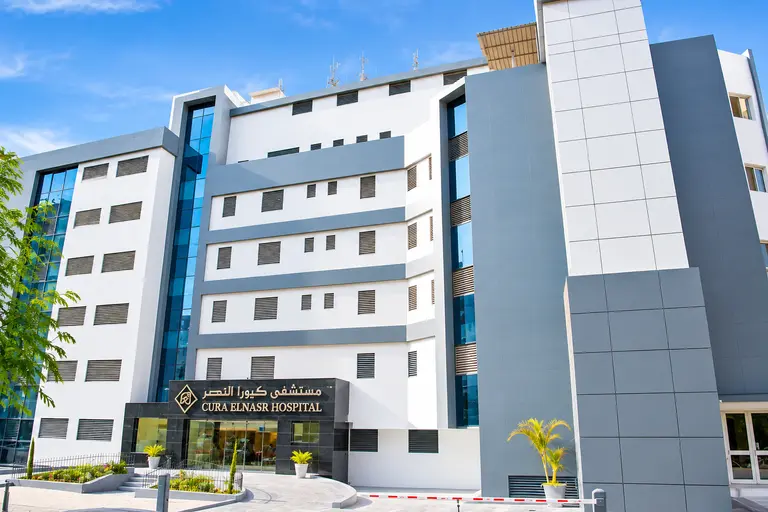
Cairo International Airport
примерно в 20 km
Grand Egyptian Museum
примерно в 20 km
Dr. Mohamed Ismail Kotb is a Consultant in Orthopedic and Joint Surgery, with specialized interests in Pediatric Orthopedics, Bone Deformity Correction, and Limb Reconstruction. His areas of focus include the assessment and management of orthopedic conditions affecting children and adults, particularly congenital and acquired deformities that may affect limb alignment, length, movement, and physical function.
Bone deformities and limb reconstruction conditions require careful assessment of the underlying cause, severity, and effect on the joints, walking pattern, and skeletal development. Depending on the patient's age and condition, treatment may involve observation, conservative management, or surgical procedures to correct bone alignment and address limb-length differences.
Orthopedic assessment also covers knee and hip problems, ligament and cartilage injuries, childhood walking abnormalities, and selected bone and joint conditions that may affect mobility.
Through Macrocare, patients can submit their medical reports and imaging for case organization and consultation coordination with Dr. Mohamed Ismail Kotb, helping them understand the available assessment and treatment options.
Dr. Mohamed Ismail Kotb’s Specialties
His orthopedic and pediatric orthopedic areas of interest include:
Pediatric Orthopedic Surgery.
Congenital and acquired bone deformities.
Limb Reconstruction.
Limb Length Discrepancy.
Bow Legs and Knock Knees.
Rotational Bone Deformities.
Angular Deformities.
Childhood gait abnormalities.
Toe Walking.
Joint Surgery.
Knee Osteoarthritis.
Hip Joint Conditions.
Ligament and Cartilage Injuries.
Meniscal Tears.
Anterior Cruciate Ligament (ACL) Injuries.
Fractures and Bone Healing Complications.
Selected Bone and Joint Infections.
Pediatric Orthopedic Surgery
Pediatric orthopedic surgery focuses on musculoskeletal conditions affecting infants, children, and adolescents. Because children's bones and joints are still developing, orthopedic problems may affect normal growth and require age-specific assessment.
A child may need an orthopedic evaluation for:
Noticeable bowing of the legs.
Differences in leg length.
Delayed or abnormal walking patterns.
Persistent toe walking.
Congenital foot or limb deformities.
Recurrent limb or joint pain.
Restricted joint movement.
Changes in leg alignment during growth.
Assessment may include the child's age and medical history, physical examination, gait analysis, measurement of limb alignment, and X-rays when needed.
Not every difference in leg shape or walking pattern requires surgery. Some changes are part of normal development, while others may need monitoring or specialist treatment.
Bone Deformity Correction
Bone deformities are changes in the normal shape, alignment, or rotation of bones. They may be congenital, develop during childhood, or occur following fractures, injuries, or certain medical conditions.
Common deformities include:
Bow legs (Genu Varum).
Knock knees (Genu Valgum).
Rotational deformities.
Angular deformities.
Deformities following previous fractures.
Bone alignment problems that affect joint loading.
Some deformities may cause pain, difficulty walking, or uneven pressure on the knee and hip joints.
Assessment may involve physical examination, measurement of bone angles and alignment, and Standing Long-Leg X-rays to identify the location and degree of the deformity.
Treatment depends on the patient's age, the severity and cause of the deformity, and its effect on function. Options may include observation, conservative treatment, or corrective osteotomy in suitable cases.
Limb Reconstruction
Limb reconstruction is a specialized area of orthopedic surgery focused on correcting deformities, restoring limb length and alignment, and improving function.
Patients may require limb reconstruction assessment for:
Shortening of one limb compared with the other.
Angular or rotational deformities.
Deformities following previous injuries or fractures.
Selected cases of nonunion.
Malunion following fractures.
Bone defects resulting from trauma or previous infections.
Evaluation begins with measuring limb length and alignment, reviewing imaging, and examining the joints, muscles, and nerves. The patient's walking ability and functional limitations are also considered.
Treatment options may include surgical correction of bone alignment, limb lengthening in selected cases, and the use of external or internal fixation systems depending on the condition.
Limb lengthening is not suitable for every patient. The decision depends on the degree of limb-length difference, the underlying cause, the condition of surrounding tissues, and the expected functional benefit.
Limb Lengthening and Limb Length Discrepancy
Limb length discrepancy occurs when one leg or arm is shorter than the other. Depending on the difference, it may affect walking, pelvic alignment, posture, and joint loading.
Possible causes include congenital conditions, previous fractures, growth disturbances, and other bone disorders.
Symptoms may include:
Limping or an uneven walking pattern.
Pelvic tilt while standing.
A noticeable difference in leg length.
Back or joint discomfort in some cases.
Difficulty with certain physical activities.
Assessment aims to determine the actual limb-length difference and distinguish true bone shortening from apparent shortening caused by pelvic or joint positioning.
Treatment may include shoe lifts, observation, or surgical limb lengthening in selected cases.
Limb lengthening requires detailed planning and long-term monitoring. Bone healing, muscle flexibility, joint movement, and nerve function must be assessed throughout treatment.
Bow Legs and Knock Knees
Bow legs and knock knees are alignment variations that may occur during childhood growth. Some are temporary developmental changes, while others may require assessment to identify an underlying problem.
The two common patterns are:
Bow Legs (Genu Varum): The knees remain apart when the feet are brought together.
Knock Knees (Genu Valgum): The knees angle inward when standing with the feet close together.
Assessment considers the child's age, degree of deformity, whether both legs are affected equally, and how the alignment changes over time.
X-rays may be requested to measure bone alignment and investigate possible causes. Treatment may range from observation to corrective procedures, depending on the patient's age and the severity and cause of the deformity.
Childhood Gait Abnormalities and Toe Walking
Toe walking is a walking pattern in which a child walks on the toes or forefoot without consistently placing the heels on the ground.
It may occur during early walking development. However, persistent toe walking or toe walking associated with other symptoms should be assessed to identify the underlying cause.
Important assessment points include:
The child's age when walking began.
Whether toe walking affects one foot or both.
Whether the child can place the heels on the ground when asked.
Muscle tightness or shortening in the calf muscles or Achilles tendon.
Any associated neurological or developmental symptoms.
Treatment depends on the cause and severity. Options may include observation, stretching exercises, physical therapy, supportive devices, or other interventions in selected cases.
Knee Joint Conditions
The knee is one of the most frequently affected joints in orthopedic practice. Knee pain may result from osteoarthritis, ligament injuries, cartilage damage, inflammation, or problems with lower-limb alignment.
Possible symptoms include:
Knee pain during walking or climbing stairs.
Joint swelling.
Difficulty bending or straightening the knee.
A feeling of instability.
Painful clicking or locking.
Restricted movement or difficulty bearing weight.
Diagnosis may involve physical examination, X-rays, and Magnetic Resonance Imaging (MRI), depending on the suspected cause.
Treatment options vary and may include medication, physical therapy, activity modification, injections in selected cases, or surgery when clinically indicated.
Knee Osteoarthritis
Knee osteoarthritis is a degenerative condition involving gradual damage to the cartilage covering the joint surfaces. It may cause pain, stiffness, and difficulty with movement.
Common symptoms include:
Pain when walking or standing for long periods.
Stiffness after waking up or sitting.
Occasional knee swelling.
Difficulty climbing or descending stairs.
Reduced ability to bend or straighten the knee.
Assessment usually involves clinical examination and X-rays to evaluate the degree of joint changes.
Treatment options may include:
Activity modification.
Weight management when appropriate.
Physical therapy and muscle strengthening.
Suitable pain-relief medication.
Selected intra-articular injections.
Joint surgery or replacement in appropriate advanced cases.
Not every patient with knee osteoarthritis needs joint replacement. The decision depends on pain severity, functional limitations, joint damage, and response to non-surgical treatment.
Meniscal Tears
The menisci are cartilage structures inside the knee that help distribute weight, absorb shock, and support joint stability.
A meniscal tear may occur following a sports injury or sudden twisting movement. Degenerative tears may also develop gradually with age.
Possible symptoms include:
Pain along the side of the knee.
Swelling after an injury.
Difficulty fully bending the knee.
Locking or catching sensations.
Pain when twisting or changing direction.
MRI may be used to assess the tear and surrounding structures.
Not every meniscal tear requires surgery. Some cases improve with conservative treatment and rehabilitation, while selected cases may require surgical assessment depending on the tear's type, location, and symptoms.
Anterior Cruciate Ligament (ACL) Injuries
The anterior cruciate ligament is one of the main ligaments responsible for knee stability. It may tear during sports or sudden changes in direction.
Possible symptoms include:
A popping sensation at the time of injury.
Knee swelling.
Pain and difficulty bearing weight.
A feeling that the knee is unstable.
Difficulty returning to sports activities.
Diagnosis involves clinical examination and may include MRI to assess the ligament and identify associated meniscal or other ligament injuries.
Not every ACL tear requires surgery. Treatment depends on the degree of instability, activity level, associated injuries, and the patient's functional needs. Options may include rehabilitation or surgical ligament reconstruction in appropriate cases.
Hip Joint Conditions
Hip joint disorders may cause pain in the groin, thigh, or buttock, and sometimes pain that is felt around the knee. Therefore, the location of pain does not always indicate its source.
Possible symptoms include:
Groin or hip pain.
Pain extending into the thigh or knee.
Difficulty walking or climbing stairs.
Joint stiffness.
Restricted hip movement.
Difficulty sitting or putting on shoes.
Assessment involves physical examination and evaluation of hip movement. X-rays or MRI may be requested depending on the suspected condition.
Treatment depends on the diagnosis and may include conservative management, physical therapy, or surgery in selected cases.
Bone and Joint Infections
Bone and joint infections may develop when bacteria reach the bone or joint through the bloodstream, following an injury, or after surgery.
Possible symptoms include:
Localized bone or joint pain.
Swelling, redness, and warmth.
Difficulty moving the affected joint.
Fever or general illness.
Refusal to walk or bear weight in an affected child.
Investigations may include inflammatory markers such as CRP and ESR, a complete blood count, imaging, and sometimes joint or tissue sampling to identify the causative organism.
Bone and joint infections, particularly in children, require prompt medical assessment. Treatment may involve antibiotics and, in selected cases, surgical drainage or debridement.
Dr. Mohamed Ismail Kotb’s Treatment Approach
The assessment of orthopedic, joint, pediatric orthopedic, and limb reconstruction conditions focuses on identifying the cause of the problem and understanding its effect on growth, mobility, and limb function.
The evaluation may include:
Reviewing the patient's medical history and symptom progression.
Examining the limbs, joints, and walking pattern.
Measuring limb length and bone alignment when indicated.
Reviewing previous X-rays, MRI scans, and medical reports.
Assessing the effect of deformities on joint loading and movement.
Determining whether observation, conservative treatment, or surgery is appropriate.
Selecting treatment according to the patient's age, deformity severity, and functional needs.
Monitoring recovery, bone healing, and rehabilitation when required.
Dr. Mohamed Ismail Kotb’s Experience
According to the professional information provided, Dr. Mohamed Ismail Kotb is:
Consultant in Orthopedic and Joint Surgery.
Specialized in Pediatric Orthopedics.
Focused on Bone Deformity Correction.
Specialized in Limb Reconstruction.
Why Do Patients Consult Dr. Mohamed Ismail Kotb?
Patients may seek an orthopedic consultation with Dr. Mohamed Ismail Kotb for assessment of conditions involving bones, joints, childhood development, and limb alignment, including:
Pediatric Orthopedic Surgery in Egypt.
Congenital and acquired bone deformities.
Limb Reconstruction.
Limb Lengthening and Limb Length Discrepancy.
Bow Legs and Knock Knees Correction.
Toe Walking in Children.
Childhood Gait Abnormalities.
Knee Osteoarthritis and Joint Pain.
Meniscal Tears.
Anterior Cruciate Ligament Injuries.
Hip Joint Conditions.
Bone and Joint Infection Assessment.
Book a Consultation with Dr. Mohamed Ismail Kotb Through Macrocare
If you are looking for Dr. Mohamed Ismail Kotb for orthopedic, pediatric orthopedic, joint, or limb reconstruction assessment, Macrocare can help organize your medical records and coordinate a case review and consultation.
Macrocare can assist with:
Organizing medical reports and imaging into a structured medical file.
Coordinating the submission of medical records for case review.
Arranging a consultation or appointment.
Coordinating hospital arrangements when required.
Helping obtain a preliminary cost estimate before travel when information is available.
Coordinating related healthcare services during treatment.
Supporting international patients with healthcare arrangements when needed.
Recommended Medical Documents to Submit
For pediatric orthopedic conditions and deformities:
Child's age and weight.
Description of the condition and when it first appeared.
Photos or videos showing the child's walking pattern, when relevant.
Previous X-rays.
Standing alignment X-rays, if available.
Previous surgical or treatment reports.
Physical therapy reports, if applicable.
For limb reconstruction and limb length discrepancy:
Standing Long-Leg X-rays, if available.
Limb-length measurements.
CT scans when required to assess rotational deformities.
Previous fracture or injury reports.
Previous surgical reports.
Description of how the condition affects walking and movement.
For knee and joint conditions:
Joint X-rays.
Knee MRI when ligament or cartilage injury is suspected.
Previous examination and treatment reports.
List of medications and injections used.
Previous surgical reports, if applicable.
For bone and joint infections:
Complete Blood Count (CBC).
CRP and ESR results.
Culture or biopsy results, if available.
X-rays and MRI scans.
Previous hospital or surgical reports.
List of antibiotics previously used.
Frequently Asked Questions About Dr. Mohamed Ismail Kotb
What is Dr. Mohamed Ismail Kotb’s specialty?
Dr. Mohamed Ismail Kotb is a Consultant in Orthopedic and Joint Surgery, with specialized interests in Pediatric Orthopedics, Bone Deformity Correction, and Limb Reconstruction.
Does Dr. Mohamed Ismail Kotb specialize in pediatric orthopedic surgery?
Pediatric Orthopedics is one of his stated specialty areas. It includes the assessment of childhood bone and joint conditions, growth-related deformities, and walking abnormalities.
When should a child see a pediatric orthopedic specialist?
An orthopedic assessment may be needed if a child has noticeable bow legs, knock knees, unequal leg lengths, delayed or abnormal walking, persistent toe walking, or visible deformities of the feet or limbs.
Do bow legs in children always require surgery?
No. Some degrees of bowing are part of normal development and may improve with age. Other cases may require monitoring or treatment. The decision depends on the child's age, the degree and cause of the deformity, and how it changes over time.
What causes toe walking in children?
Toe walking may be related to early walking habits, tight calf muscles, or shortening of the Achilles tendon. In some children, it may be associated with neurological or developmental conditions. Persistent toe walking should be assessed to identify its cause.
What is limb reconstruction?
Limb reconstruction is a specialized orthopedic field focused on correcting bone deformities, restoring limb length and alignment, and improving function. It may involve angular or rotational correction and limb lengthening in selected cases.
Can limb lengthening correct a short leg?
Yes. Limb lengthening may be considered in selected patients after assessing the length difference, underlying cause, bone condition, and surrounding tissues. The procedure requires careful planning, monitoring, and rehabilitation.
Can bow legs affect the knee joint?
Some angular deformities can cause uneven loading across the knee joint, potentially contributing to pain or joint changes over time. Clinical examination and imaging help determine the extent of the effect.
Does every patient with knee osteoarthritis need knee replacement?
No. Many patients can be managed with non-surgical treatment, including activity modification, muscle strengthening, weight management when appropriate, and medication. Joint replacement may be considered in advanced cases when pain and functional limitations remain significant despite appropriate treatment.
Does a meniscal tear always require surgery?
No. Treatment depends on the tear's type, location, severity, symptoms, and the patient's activity level. Some tears improve with rehabilitation, while others may require surgical assessment.
Does every ACL injury require surgery?
No. The decision depends on knee instability, activity level, associated injuries, and the patient's functional requirements. Rehabilitation may be suitable for some patients, while surgical reconstruction may be considered in others.
Can hip problems cause knee pain?
Yes. Some hip conditions can cause pain that extends into the thigh or knee. Assessment of both joints may be necessary to identify the actual source of pain.
Which scans are needed to assess bone deformities?
The required imaging depends on the deformity. It may include standard X-rays, Standing Long-Leg X-rays to measure limb alignment, and sometimes CT scans to assess rotational deformities.
When are bone and joint infections considered urgent?
Severe pain accompanied by swelling, redness, warmth, or fever requires prompt medical assessment. A child who refuses to walk or bear weight on an affected limb should also be assessed urgently.
How can I book a consultation with Dr. Mohamed Ismail Kotb?
You can contact Macrocare and submit the patient's medical information, reports, and available imaging. Macrocare can help organize the medical file and coordinate a case review and consultation with Dr. Mohamed Ismail Kotb.