Conditions that may be treated with operative hysteroscopy can cause symptoms such as:
Heavy or irregular menstrual bleeding
Bleeding between menstrual periods
Pelvic pain or cramping in some cases
Difficulty becoming pregnant
Recurrent pregnancy loss in selected cases
Difficulty conceiving due to an intrauterine abnormality
Symptoms associated with uterine fibroids or endometrial polyps
These conditions may result from changes in the endometrial lining, fibroids, intrauterine adhesions, structural abnormalities, or other factors requiring medical evaluation.
Diagnosis & Treatment
Before operative hysteroscopy, the physician performs a comprehensive assessment, which may include:
Medical and gynecological history
Physical examination
Uterine ultrasound
Transvaginal ultrasound when indicated
Diagnostic hysteroscopy in selected cases
Blood tests when appropriate
Pregnancy testing when required
Fertility assessment when infertility is a concern
During the procedure:
The patient is prepared and given the appropriate type of anesthesia.
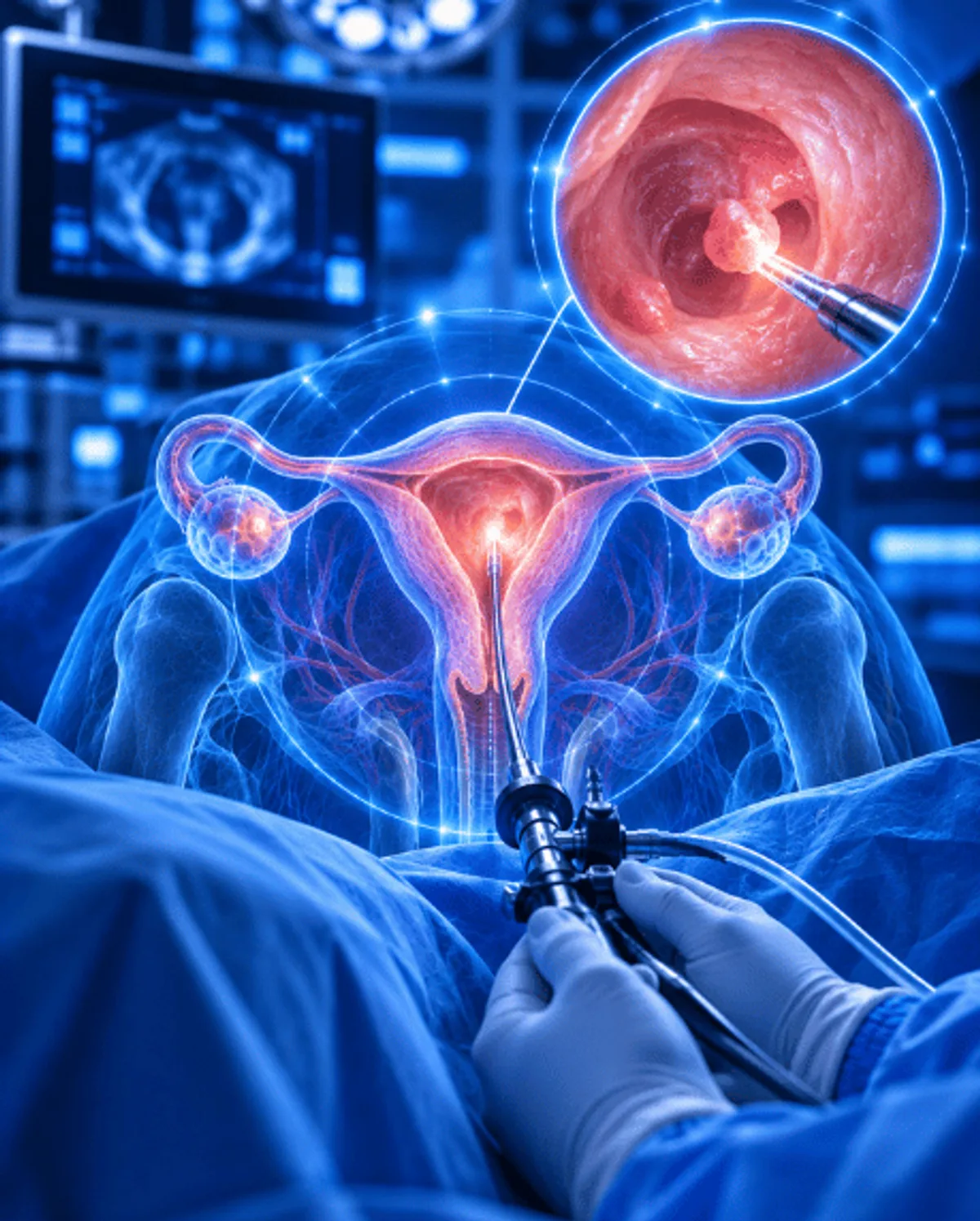
A thin hysteroscope is inserted through the vagina and cervix into the uterine cavity.
A sterile fluid may be introduced to expand the uterine cavity and improve visualization.
The physician examines the uterine lining and identifies the abnormality.
Small surgical instruments are passed through the hysteroscope to treat the condition, such as removing polyps, selected fibroids, or adhesions.
Removed tissue may be sent to a laboratory for microscopic examination.
The procedure is completed and the patient is monitored during the initial recovery period.
Benefits of Operative Hysteroscopy
Operative hysteroscopy may offer several benefits, including:
Treating certain uterine cavity abnormalities through natural openings without abdominal surgery
Removing endometrial polyps
Treating selected submucosal fibroids
Treating intrauterine adhesions when appropriate
Allowing tissue samples to be obtained for laboratory examination
Typically requiring a shorter recovery period than some open surgical procedures
Addressing certain causes of abnormal uterine bleeding or infertility
Results vary depending on the type, size, and location of the condition and the patient's overall health.
Recovery After Operative Hysteroscopy
Recovery is generally shorter than that of many abdominal surgical procedures, although the recovery period varies according to the type and extent of treatment performed.
Temporary effects may include:
Mild to moderate cramping
Light vaginal bleeding or discharge
Fatigue following anesthesia
Mild pelvic discomfort
Many patients can return to light daily activities within a short period, while the timing of returning to exercise and other activities depends on the procedure and the physician's recommendations.
Patients should follow all postoperative instructions regarding activity, medications, hygiene, and follow-up care.
Is Operative Hysteroscopy Suitable for Everyone?
Operative hysteroscopy is not appropriate for every uterine condition. Suitability depends on factors such as:
Type of uterine abnormality
Size and location of a fibroid or polyp
Presence of intrauterine adhesions or structural abnormalities
Symptoms
Overall health
Medical and gynecological history
Pregnancy status or possibility of pregnancy
Treatment goals, particularly when infertility is involved
A qualified gynecologist or reproductive specialist can determine whether operative hysteroscopy is appropriate and recommend the most suitable treatment approach.