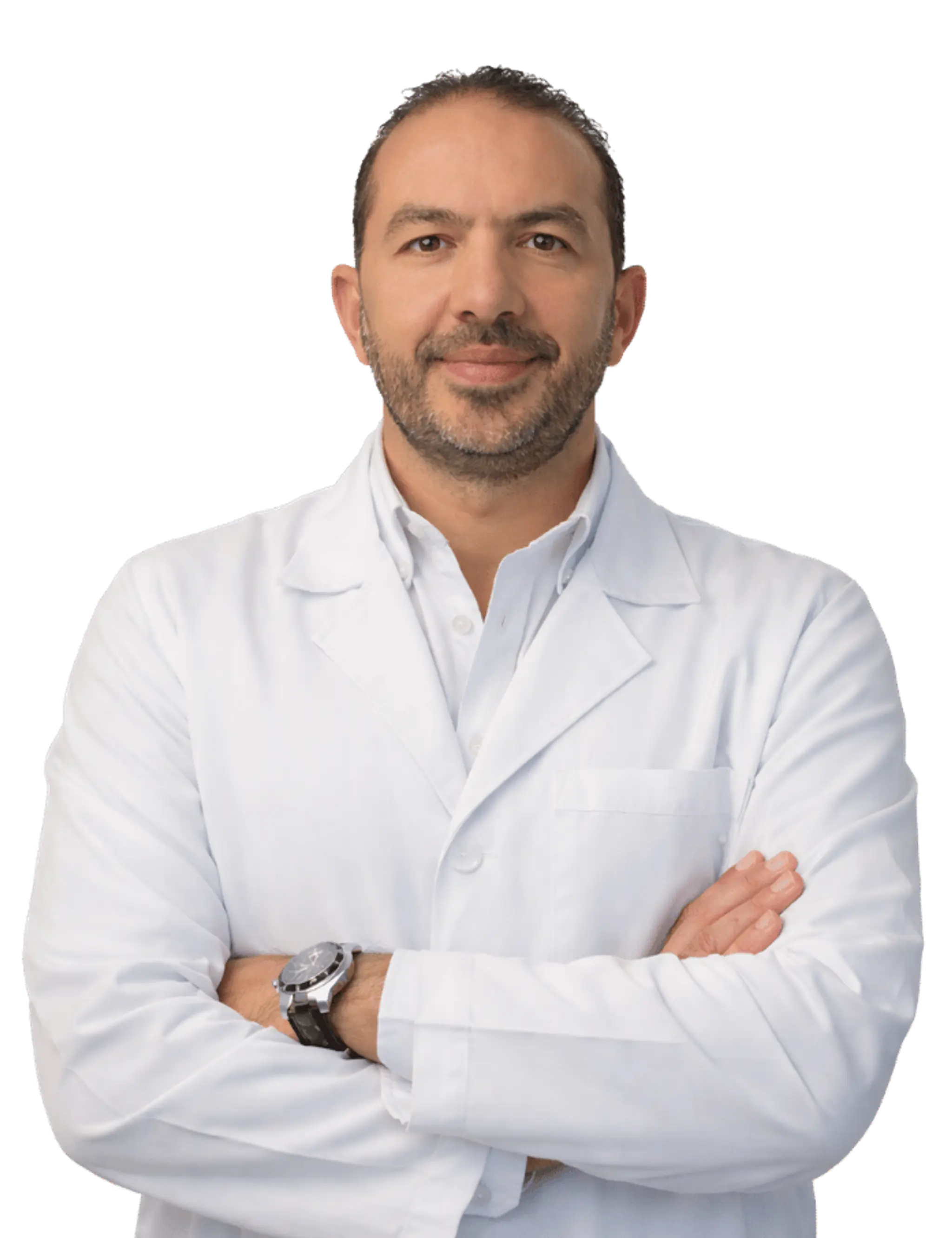
Dr. Yasser Sadeq
Kardiologia
Associate Prof. Dr. Yasser Sadeq is a leading cardiology consultant and interventional cardiologist in Egypt and the Middle East.
Maadi - Kair
Cairo International Airport
około 20 km stąd
Grand Egyptian Museum
około 40 km stąd
Dr. Yasser Sadek – Interventional Cardiologist and Complex Coronary Intervention Specialist
Dr. Yasser Sadek is a Professor and Consultant of Cardiology and Interventional Cardiology, specializing in complex coronary interventions, Chronic Total Occlusion PCI, CTO, coronary artery stenting, and Transcatheter Aortic Valve Implantation, TAVI.
Dr. Yasser Sadek has advanced experience in managing complex and high-risk cardiac cases, particularly patients with chronic total coronary occlusions, multivessel coronary artery disease, difficult coronary anatomy, and cases requiring advanced interventional techniques.
His expertise includes CTO PCI, Complex PCI, coronary angioplasty and stenting, revascularization after previously unsuccessful PCI attempts, and TAVI for severe aortic stenosis in appropriately selected patients.
Through Macrocare, patients can submit their medical reports, coronary angiography, and cardiac investigations for case review and appointment coordination with Dr. Yasser Sadek.
Dr. Yasser Sadek’s Specialties
The expertise of Dr. Yasser Sadek in interventional cardiology includes:
- Diagnostic coronary angiography.
- Coronary angioplasty.
- Coronary artery stent placement.
- Chronic Total Occlusion PCI, CTO PCI.
- Complex PCI.
- Treatment of difficult coronary artery blockages.
- Multivessel coronary intervention.
- Bifurcation PCI.
- High-risk coronary intervention.
- PCI after previously unsuccessful attempts.
- Advanced techniques for crossing chronic coronary occlusions.
- IVUS-guided PCI in selected cases.
- TAVI.
- Transcatheter aortic valve implantation.
- Evaluation of severe aortic stenosis.
- Complex coronary artery disease management.
- Angina treatment related to coronary artery disease.
- Evaluation before coronary bypass surgery when appropriate.
Chronic Total Occlusion Treatment with Dr. Yasser Sadek
Chronic Total Occlusion, CTO, is one of the most technically challenging conditions in interventional cardiology.
A CTO is a coronary artery that has been completely blocked for an extended period. This makes crossing and reopening the artery considerably more difficult than routine coronary angioplasty.
CTO PCI is one of the key areas of expertise of Dr. Yasser Sadek, who participates in specialized international educational and clinical programs related to advanced chronic total occlusion intervention.
What Is a Chronic Total Occlusion?
A Chronic Total Occlusion is a long-standing complete blockage of a coronary artery.
The blockage may contain:
- Cholesterol plaque.
- Calcium deposits.
- Fibrotic tissue.
- Older, hardened occlusive material.
Collateral blood vessels may sometimes develop and partially supply blood to the area beyond the blocked artery.
Symptoms of a Chronic Total Coronary Occlusion
Patients may experience:
- Chest pain or pressure.
- Shortness of breath during exertion.
- Reduced walking capacity.
- Early fatigue.
- Limited ability to perform daily activities.
- Recurrent angina.
- Reduced exercise tolerance.
Some patients may have few symptoms despite a significant chronic coronary occlusion.
How Is CTO Diagnosed?
Assessment may include:
- ECG.
- Echocardiography.
- Ischemia testing.
- CT coronary angiography in selected cases.
- Coronary angiography.
- Assessment of left ventricular function.
Coronary angiography provides detailed information about the location, length, anatomy, and complexity of the occlusion.
CTO PCI with Dr. Yasser Sadek
Treating CTO by PCI requires specialized techniques that differ from standard coronary angioplasty.
Depending on the anatomy, strategies may include:
- Antegrade wire escalation.
- Microcatheter use.
- Advanced guidewire techniques.
- Antegrade dissection and re-entry in selected cases.
- Retrograde techniques.
- Use of collateral channels.
- Intravascular imaging when appropriate.
Dr. Yasser Sadek evaluates the coronary anatomy and previous angiographic studies to determine the most suitable CTO strategy.
Antegrade CTO Techniques
In an antegrade approach, the operator attempts to cross the occlusion in the same direction as normal coronary blood flow.
Different guidewires and microcatheters may be used to identify and enter the true vessel lumen beyond the blockage.
Retrograde CTO Techniques
In selected complex cases, a retrograde approach may be used.
This technique accesses the distal part of the blocked artery through collateral vessels before crossing the occlusion from the opposite direction.
Retrograde CTO PCI is an advanced interventional technique requiring specific expertise, equipment, and careful patient selection.
PCI After a Previous Failed CTO Attempt
A previously unsuccessful CTO procedure does not necessarily mean the artery cannot be treated.
A repeat attempt may be considered after reviewing:
- Why the previous procedure failed.
- Length of the occlusion.
- Degree of calcification.
- Proximal and distal cap anatomy.
- Presence of suitable collateral vessels.
- Previous guidewire path.
- Available equipment and advanced techniques.
Dr. Yasser Sadek evaluates previous angiography directly because the images often provide more useful information than the written report alone.
Can a 100% Blocked Coronary Artery Be Opened Without Open-Heart Surgery?
In selected patients, a chronically occluded coronary artery can be reopened using CTO PCI rather than coronary bypass surgery.
However, PCI is not the best option for every patient.
The decision depends on:
- Number of diseased coronary vessels.
- Coronary anatomy.
- Complexity of the CTO.
- Heart muscle function.
- Previous PCI or CABG.
- Associated medical conditions.
- Likely clinical benefit from revascularization.
- Procedural risk.
Treatment may involve medical therapy, PCI, CABG, or a combination depending on the individual patient.
Complex PCI with Dr. Yasser Sadek
Complex PCI refers to coronary intervention in patients with anatomically or clinically challenging coronary artery disease.
Examples may include:
- Chronic Total Occlusions.
- Severe calcification.
- Complex bifurcation lesions.
- Long coronary lesions.
- Multivessel disease.
- Left main disease in selected patients.
- Previous CABG.
- Previously failed PCI.
- High-risk coronary anatomy.
Dr. Yasser Sadek is involved in specialized international programs focused on CTO and Complex PCI.
Coronary Angioplasty and Stent Placement
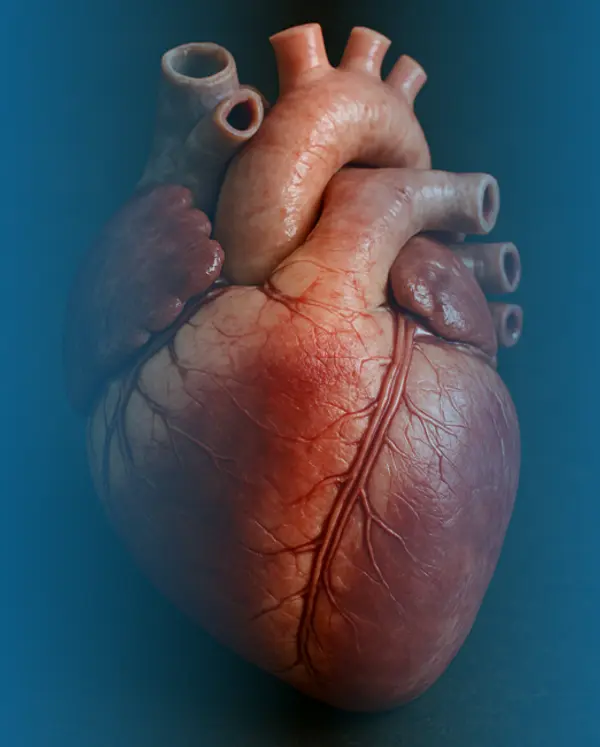
Coronary angioplasty and stenting are used to restore blood flow through narrowed coronary arteries.
During PCI, a balloon is advanced to the narrowed segment and inflated. A coronary stent is commonly placed to help keep the artery open.
Modern procedures frequently use drug-eluting stents designed to reduce the risk of tissue regrowth inside the stent.
Drug-Eluting Coronary Stents
A Drug-Eluting Stent, DES, releases medication gradually to reduce excessive tissue growth inside the treated artery.
Stent selection depends on:
- Vessel diameter.
- Lesion length.
- Coronary anatomy.
- Presence of bifurcation disease.
- Calcification.
- Previous stents.
- Bleeding risk and antiplatelet considerations.
IVUS-Guided Coronary Intervention
Intravascular Ultrasound, IVUS, provides imaging from inside the coronary artery.
It may help with:
- Measuring vessel size.
- Assessing plaque and calcification.
- Selecting appropriate stent dimensions.
- Optimizing stent expansion.
- Evaluating complex coronary anatomy.
- Investigating problems related to previous stents.
IVUS can be particularly useful in selected Complex PCI procedures.
Coronary Artery Disease with Dr. Yasser Sadek
Dr. Yasser Sadek evaluates and treats patients with Coronary Artery Disease, ranging from diagnostic assessment to advanced complex coronary intervention.
Treatment may include:
- Medical therapy.
- Control of cardiovascular risk factors.
- Diagnostic coronary angiography.
- Balloon angioplasty.
- Coronary stent placement.
- Complex PCI.
- CTO PCI.
- Referral for CABG when surgery is expected to provide greater benefit.
Symptoms of Coronary Artery Disease
Possible symptoms include:
- Chest pain or pressure.
- Shortness of breath.
- Pain radiating to the arm, shoulder, back, or jaw.
- Fatigue during physical activity.
- Reduced walking capacity.
- Symptoms when climbing stairs.
- Atypical symptoms in some patients with diabetes.
Sudden or severe chest pain requires urgent medical assessment to exclude acute coronary syndrome.
Multivessel Coronary Artery Disease
When several coronary arteries are significantly narrowed, the patient has Multivessel Coronary Artery Disease.
Treatment may include:
- Medical therapy.
- PCI in one procedure.
- Staged PCI over more than one session.
- CABG surgery.
The best treatment is determined according to coronary anatomy, diabetes status, ventricular function, procedural risk, and expected long-term benefit.
Bifurcation PCI
A bifurcation lesion occurs where a coronary artery divides into two branches.
These lesions may require specialized stenting techniques to preserve blood flow to both the main vessel and the side branch.
The treatment strategy depends on:
- Size of both vessels.
- Angle of the bifurcation.
- Extent of disease in the side branch.
- Lesion complexity.
PCI After Previous CABG Surgery
Patients who have previously undergone Coronary Artery Bypass Grafting, CABG, may later develop disease in native coronary arteries or bypass grafts.
These cases can be technically complex.
The expertise of Dr. Yasser Sadek includes assessment of selected patients with previous cardiac surgery who may require complex coronary intervention.
TAVI with Dr. Yasser Sadek
Transcatheter Aortic Valve Implantation, TAVI, is an advanced minimally invasive treatment for selected patients with severe aortic stenosis.
The expertise of Dr. Yasser Sadek includes transcatheter structural heart intervention and TAVI.
What Is TAVI?
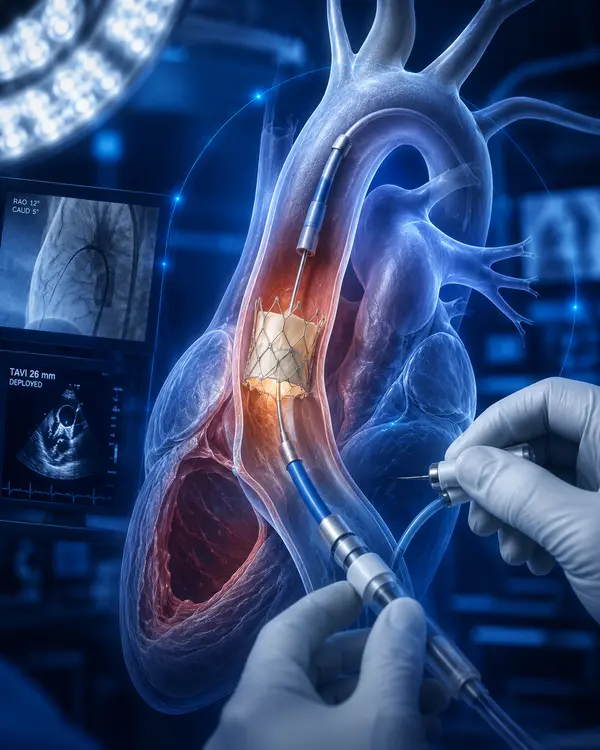
TAVI replaces a diseased aortic valve using a bioprosthetic valve delivered through a catheter rather than conventional open-heart surgery.
In many patients, access is obtained through the femoral artery.
The replacement valve is advanced to the heart and deployed inside the diseased native aortic valve.
Who May Be a Candidate for TAVI?
TAVI is primarily used for patients with severe aortic stenosis when intervention is indicated.
Suitability depends on:
- Patient age.
- Severity of aortic stenosis.
- Symptoms.
- Aortic valve anatomy.
- Size of the aortic annulus.
- Peripheral vascular anatomy.
- Surgical risk.
- Associated medical conditions.
- Life expectancy.
- Heart Team assessment.
TAVI is no longer restricted only to patients considered too high-risk for surgery, but patient selection remains individualized.
Symptoms of Severe Aortic Stenosis
Possible symptoms include:
- Shortness of breath.
- Chest pain.
- Reduced exercise tolerance.
- Fatigue.
- Dizziness.
- Fainting.
- Heart failure symptoms in advanced cases.
Severe aortic stenosis may also exist before obvious symptoms develop, so regular echocardiographic follow-up is important.
TAVI or Surgical Aortic Valve Replacement?
The choice between TAVI and Surgical Aortic Valve Replacement, SAVR, depends on multiple factors.
These include:
- Age.
- Surgical risk.
- Expected longevity.
- Valve anatomy.
- Need for other cardiac surgery.
- Coronary artery disease.
- Vascular access.
- Valve durability considerations.
- Patient preference after discussion of the options.
The decision is commonly made through a multidisciplinary Heart Team.
Evaluation Before TAVI
Pre-TAVI assessment may include:
- Echocardiography.
- CT TAVI planning.
- Coronary artery assessment.
- ECG.
- Kidney function tests.
- Blood tests.
- Evaluation of femoral and peripheral arteries.
- General medical assessment.
CT imaging is used to measure the aortic annulus and surrounding anatomy and to help select the appropriate valve size.
Coronary Intervention and TAVI
Some patients with severe aortic stenosis also have significant coronary artery disease.
The Heart Team may need to decide whether coronary intervention should be performed:
- Before TAVI.
- During the same treatment period.
- After TAVI.
- Or not at all if the lesion does not require intervention.
The strategy depends on the severity and location of the coronary disease and the patient’s overall clinical condition.
High-Risk Coronary Intervention
Some coronary procedures are considered higher risk because of factors such as:
- Severely reduced heart function.
- Extensive multivessel disease.
- Chronic total occlusions.
- Previous CABG.
- Advanced age.
- Multiple chronic diseases.
- Complex left main or bifurcation anatomy.
- Limited remaining blood supply to the heart.
These cases require careful procedural planning and assessment of whether PCI, surgery, or medical therapy offers the best balance of benefit and risk.
Is PCI Always Better Than Open-Heart Surgery?
No.
The goal is not to avoid surgery at all costs.
Some patients benefit more from PCI, while others have anatomy or clinical conditions for which CABG surgery offers better long-term outcomes.
The decision should be based on coronary anatomy, cardiac function, patient risk, and evidence-based recommendations.
Dr. Yasser Sadek’s International Experience
Dr. Yasser Sadek participates in international scientific and educational activities focused on CTO PCI and Complex Coronary Intervention.
His professional activity includes:
- Complex coronary case discussions.
- CTO training programs.
- Live case participation.
- Advanced interventional cardiology meetings.
- International cardiovascular education.
His profile also reflects participation in educational activities related to complex PCI, CTO intervention, and structural heart procedures.
Dr. Yasser Sadek’s Professional Memberships
The professional affiliations of Dr. Yasser Sadek include:
- Fellow of the Society for Cardiovascular Angiography and Interventions, FSCAI.
- Fellow of the European Society of Cardiology, FESC.
- Board-level involvement with the Egyptian Society of Cardiology.
These affiliations reflect his academic and professional involvement in contemporary interventional cardiology.
Dr. Yasser Sadek’s Academic Role
In addition to clinical work, Dr. Yasser Sadek is involved in cardiology education and professional training.
His academic activity includes:
- Teaching physicians and trainees.
- Reviewing complex coronary cases.
- Participation in live interventional cases.
- CTO education.
- Scientific conferences and workshops.
- Advanced interventional cardiology training.
Why Do Patients Consult Dr. Yasser Sadek?
Patients may seek an evaluation with Dr. Yasser Sadek for specialized management of:
Interventional cardiology – coronary angiography – coronary stenting – Chronic Total Occlusion – CTO PCI – Complex PCI – 100% blocked coronary artery – multivessel coronary disease – bifurcation PCI – repeat PCI after a failed attempt – high-risk PCI – TAVI – severe aortic stenosis – transcatheter aortic valve implantation.
Book an Appointment with Dr. Yasser Sadek Through Macrocare
If you are searching for:
Dr. Yasser Sadek interventional cardiologist
Dr. Yasser Sadek CTO specialist
Dr. Yasser Sadek Complex PCI
Dr. Yasser Sadek TAVI
Dr. Yasser Sadek coronary stent
CTO specialist in Egypt
Complex PCI specialist in Egypt
TAVI specialist in Egypt
or you need a specialist opinion regarding a 100% blocked coronary artery, chronic total occlusion, previous failed angioplasty, complex multivessel coronary disease, severe aortic stenosis, or TAVI, you can submit your case to Macrocare.
For an initial case review, patients should preferably provide:
- Medical reports.
- Coronary angiography report.
- Original coronary angiography images or CD.
- Recent echocardiography.
- ECG.
- CT coronary angiography if performed.
- Reports from previous PCI attempts.
- Previous CABG reports, if applicable.
- CT TAVI planning if already performed.
- Kidney function tests.
- Current medication list.
For CTO and Complex PCI, the actual coronary angiography images or CD are particularly important because the written report alone may not provide enough information to evaluate the anatomy and technical options.
The Macrocare team can help organize the medical file and coordinate the appropriate consultation or appointment with Dr. Yasser Sadek.
Frequently Asked Questions About Dr. Yasser Sadek
What Is Dr. Yasser Sadek’s Specialty?
Dr. Yasser Sadek is a Professor and Consultant of Cardiology and Interventional Cardiology specializing in Complex PCI, CTO PCI, coronary artery stenting, high-risk coronary intervention, and TAVI.
Is Dr. Yasser Sadek a CTO Specialist?
Yes. Chronic Total Occlusion PCI and advanced complex coronary intervention are among the principal areas of expertise of Dr. Yasser Sadek.
Can a 100% Blocked Coronary Artery Be Opened with a Catheter?
In selected patients, yes. Advanced CTO PCI techniques can reopen some completely blocked coronary arteries. Suitability depends on the anatomy, length, calcification, collateral vessels, heart function, and the expected clinical benefit.
Can CTO PCI Be Repeated After a Previous Failed Attempt?
Yes. Some previously unsuccessful CTO cases can be reassessed and treated again. The original angiography should be reviewed to understand why the previous attempt failed and whether a different strategy may be appropriate.
Does Dr. Yasser Sadek Perform TAVI?
Yes. The expertise of Dr. Yasser Sadek includes Transcatheter Aortic Valve Implantation, TAVI, for appropriately selected patients with severe aortic stenosis.
What Is TAVI?
TAVI is a minimally invasive procedure in which a new aortic valve is delivered through a catheter and implanted inside the diseased native valve without conventional open-heart valve replacement surgery.
Is TAVI Suitable for Every Patient with Aortic Stenosis?
No. Suitability depends on the severity of stenosis, symptoms, age, anatomy, surgical risk, vascular access, associated coronary disease, and multidisciplinary Heart Team assessment.
Does Dr. Yasser Sadek Treat Multivessel Coronary Artery Disease?
Yes. His expertise includes Complex PCI and evaluation of patients with multivessel coronary disease, with treatment selected according to whether PCI, CABG, or medical therapy provides the best expected outcome.
Can Coronary Stenting Replace Open-Heart Surgery?
In some patients, yes. In others, CABG is a better treatment. The objective is to choose the most appropriate revascularization strategy rather than avoiding surgery in every case.
What Should I Send for a CTO Case Review?
The most useful documents include the original coronary angiography images or CD, the written angiography report, recent echocardiography, ECG, previous PCI reports, and any previous bypass surgery documentation.
How Can I Book an Appointment with Dr. Yasser Sadek?
You can contact Macrocare and submit the patient’s medical reports, coronary angiography images, and available cardiac investigations. The Macrocare team can help organize the medical file and coordinate an appropriate consultation or appointment with Dr. Yasser Sadek.
Zabiegi u Dr. Yasser Sadeq
Procedury oferowane przez tego usługodawcę, z rzeczywistymi cenami od.

Koronarografia
Min. 1 dni
Angioplastyka i założenie stentu
Naprawa tętniaka aorty

Angioplastyka balonowa

Chronic Total Occlusion (CTO)
Min. 3 dni
Przezcewnikowa implantacja zastawki aortalnej (TAVI/TAVR)
Tylko podane ceny — przelot i zakwaterowanie wyceniane osobno. Ostateczny koszt potwierdzany w bezpłatnej wycenie. Kursy z 2026-07-20.