
Dr. Yasser Barakat
Chirurgia naczyniowa
Vascular Surgery, Endovascular Intervention & Diabetic Foot Specialist
Nasr City - Kair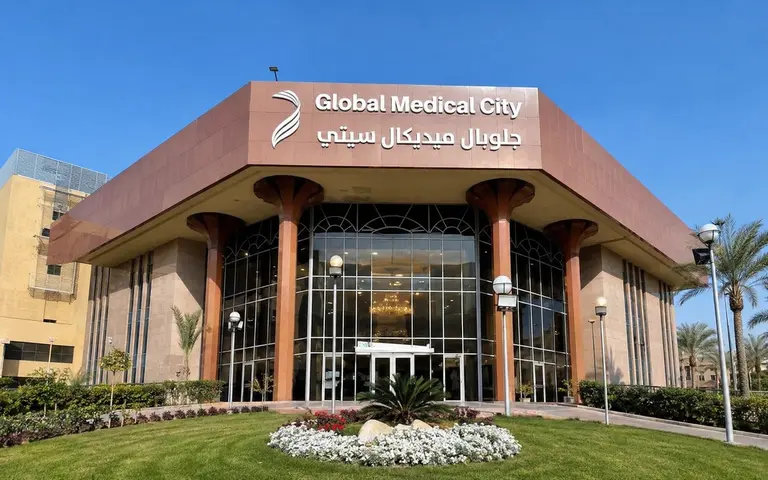
Cairo International Airport
około 35 km stąd
Grand Egyptian Museum
około 40 km stąd
Dr. Yasser Barakat is a Consultant and Lecturer of Vascular Surgery, Endovascular Intervention, and Diabetic Foot at Ain Shams University. His clinical practice focuses on the diagnosis and treatment of arterial and venous diseases, peripheral vascular disorders, diabetic foot conditions, and minimally invasive vascular procedures.
His areas of practice include the management of varicose veins using laser and injection techniques when appropriate, treatment of deep vein thrombosis and deep venous disorders, and endovascular treatment of arterial stenosis and occlusion in selected cases.
Dr. Yasser Barakat also provides evaluation and treatment options for aortic aneurysms and other arterial aneurysms, carotid artery disease, dialysis vascular access, Port-a-Cath placement, vascular malformations, and diabetic foot conditions. Patients can submit their medical records through Macrocare for case review and coordination of consultation and treatment in Egypt.
Specialties of Dr. Yasser Barakat
Vascular Surgery
Endovascular Intervention
Varicose Veins Treatment
Deep Vein Thrombosis (DVT)
Deep Venous Disease
Peripheral Arterial Disease
Arterial Stenosis and Occlusion
Diabetic Foot
Aortic Aneurysm
Arterial Aneurysms
Carotid Artery Disease
Hemodialysis Vascular Access
Dialysis Catheter Placement
Port-a-Cath Placement
Vascular Malformations
Vascular Tumors
Doppler and Duplex Ultrasound Assessment
Varicose Veins Treatment with Dr. Yasser Barakat
Varicose veins are enlarged and twisted superficial veins, most commonly affecting the legs. They may cause leg heaviness, pain, swelling, itching, or skin changes in more advanced cases.
Treatment depends on the severity of the condition, venous reflux, symptoms, and the anatomy of the affected veins. Options may include conservative management, injection treatment such as Sclerotherapy, or endovenous techniques such as Endovenous Laser Therapy (EVLT) when clinically appropriate.
Varicose Veins Treatment Without Open Surgery
Some patients with varicose veins may be suitable for minimally invasive treatment using endovenous laser therapy or injections rather than traditional open surgery.
A Duplex Ultrasound examination can help assess venous blood flow, identify venous reflux, and determine which veins may require treatment. The appropriate technique is selected according to the individual patient's evaluation.
Deep Vein Thrombosis and Deep Venous Disease
Deep Vein Thrombosis (DVT) occurs when a blood clot develops within a deep vein, commonly in the leg. Symptoms may include swelling, pain, warmth, or changes in skin color.
Diagnosis may involve clinical assessment and Duplex Ultrasound. Treatment depends on the location and extent of the clot and the patient's overall condition. Anticoagulant medication is commonly used, while catheter-based interventions may be considered in selected cases.
Endovascular Treatment for Arterial Blockage and Stenosis
Peripheral arterial narrowing or blockage can reduce blood flow to the legs and may cause pain during walking, coldness of the limb, reduced pulses, or wounds that are slow to heal.
Endovascular Treatment can be used in selected patients to restore blood flow through techniques such as balloon angioplasty and stent placement. The choice of treatment depends on the location, length, and severity of the blockage and the patient's vascular anatomy.
Not every arterial blockage requires an endovascular procedure. Treatment is determined after appropriate clinical and imaging assessment.
Diabetic Foot Treatment
Diabetic Foot problems may result from a combination of nerve damage, poor circulation, infection, and wounds that are difficult to heal.
Assessment may include examination of the wound, skin, sensation, and blood circulation, together with Doppler or other vascular imaging when required.
When reduced arterial blood flow contributes to poor wound healing, restoring circulation may become an important part of the overall treatment plan. Management is determined according to the underlying cause and severity of the condition.
Hemodialysis Vascular Access
Patients receiving hemodialysis require reliable vascular access. Depending on the patient's condition, this may include an Arteriovenous Fistula (AV Fistula) or a dialysis catheter.
Vascular access requires regular monitoring, particularly when there are signs of reduced blood flow, difficulty with dialysis access, swelling, or other changes affecting the access site.
Port-a-Cath Placement for Chemotherapy
A Port-a-Cath is an implanted venous access device placed beneath the skin and connected to a catheter leading to a large vein.
It can facilitate repeated intravenous treatments, including chemotherapy for selected cancer patients. Suitability for Port-a-Cath placement depends on the patient's condition and treatment plan.
Aortic Aneurysm Treatment with Covered Stents
An Aortic Aneurysm is an abnormal enlargement of part of the aorta. Depending on its size, location, growth rate, anatomy, and associated symptoms, an aneurysm may require surveillance or intervention.
For selected patients, Endovascular Aneurysm Repair (EVAR) can be used to place a covered stent graft inside the aorta, helping exclude the aneurysm from direct blood flow and pressure.
Whether EVAR is appropriate depends on the aneurysm anatomy, vascular access, and the patient's overall medical condition.
Carotid Artery Disease and Endovascular Treatment
The Carotid Arteries are major blood vessels supplying the brain. Significant carotid artery narrowing can increase the risk of stroke in certain patients.
Evaluation may include clinical assessment, Carotid Doppler Ultrasound, and additional vascular imaging such as CT Angiography (CTA) when required.
In selected cases, Carotid Artery Stenting may be considered. The appropriate approach depends on the degree of stenosis, symptoms, anatomy, and the patient's overall risk profile.
Vascular Malformations Treatment
Vascular Malformations are abnormal developments of blood vessels and can vary considerably in type, location, size, and clinical presentation.
Depending on the type and anatomy of the malformation, treatment options may include injection-based therapy or other vascular interventions. A detailed assessment is required before determining the appropriate treatment approach.
Doppler and Ultrasound Diagnosis for Vascular Diseases
Doppler Ultrasound and Duplex Ultrasound are important diagnostic tools for evaluating blood flow through arteries and veins.
They can help assess varicose veins, deep vein thrombosis, arterial stenosis, and peripheral circulation. Additional imaging such as CTA or MRA may be recommended when more detailed vascular assessment is required.
Treatment Approach of Dr. Yasser Barakat
Dr. Yasser Barakat's vascular assessment focuses on identifying the underlying vascular problem, its location, and its impact on blood circulation.
Evaluation may include clinical examination, Doppler ultrasound, Duplex scanning, and additional vascular imaging when appropriate. Treatment is individualized and may include medical management and follow-up, endovascular intervention, or open vascular surgery when necessary.
When clinically appropriate, minimally invasive endovascular techniques may be considered as an alternative to open surgery.
Experience and Qualifications of Dr. Yasser Barakat
Dr. Yasser Barakat is a Consultant and Lecturer of Vascular Surgery, Diabetic Foot, and Endovascular Intervention at Ain Shams University.
He holds a PhD in Vascular Surgery from Ain Shams University and a Master's Degree in General Surgery from Ain Shams University. He is also a member of the Egyptian Society of Vascular Sciences.
Why Patients Consult Dr. Yasser Barakat
Patients may seek consultation with Dr. Yasser Barakat for the evaluation and management of:
Varicose veins and minimally invasive treatment options
Deep vein thrombosis and deep venous disorders
Peripheral arterial disease
Arterial stenosis and occlusion
Endovascular arterial procedures
Diabetic foot and vascular complications
Aortic aneurysms and arterial aneurysms
Carotid artery stenosis
Hemodialysis vascular access
Dialysis catheters
Port-a-Cath placement
Selected vascular malformations
Booking an Appointment with Dr. Yasser Barakat Through Macrocare
Patients searching for Dr. Yasser Barakat Vascular Surgeon, Dr. Yasser Barakat for varicose veins, diabetic foot treatment in Egypt, or endovascular treatment in Egypt can submit their medical case to Macrocare for medical file organization and consultation coordination.
Macrocare can assist with:
Organizing medical reports and imaging.
Coordinating medical case review.
Arranging a consultation with Dr. Yasser Barakat.
Coordinating the hospital when required.
Assisting with treatment cost estimates before travel when available.
Supporting international patients with their treatment journey in Egypt when needed.
Procedures and surgeries can be coordinated at hospitals in Cairo according to the available medical arrangements and insurance or hospital agreements.
Medical Documents for Vascular Case Review
Patients are encouraged to provide the available medical records, particularly:
Current medical report and symptoms.
Arterial or venous Doppler / Duplex Ultrasound.
CT Angiography (CTA), if available.
MR Angiography (MRA), when available.
Previous angiography or surgical reports.
Current medication list, particularly anticoagulants.
Diabetes and kidney function tests when relevant.
Clear photographs of wounds in diabetic foot cases, when appropriate.
Does Dr. Yasser Barakat Treat Varicose Veins Without Open Surgery?
Some varicose vein cases can be treated using minimally invasive techniques such as endovenous laser therapy or injections. The appropriate option depends on the findings of the clinical and Duplex Ultrasound assessment.
Is Laser Treatment Suitable for All Varicose Veins?
No. The suitability of Endovenous Laser Therapy depends on the anatomy of the veins, venous reflux, vein characteristics, symptoms, and the patient's overall condition.
Does Dr. Yasser Barakat Treat Deep Vein Thrombosis?
Dr. Yasser Barakat specializes in vascular surgery and the management of venous disorders. Patients with suspected or confirmed DVT can be assessed to determine the appropriate treatment based on the location and extent of the thrombosis and individual risk factors.
Can Arterial Blockage Be Treated Without Open Surgery?
Some arterial stenoses and blockages can be treated through Endovascular Intervention, including balloon angioplasty and stent placement. Other cases may require open surgery or alternative management depending on the vascular anatomy and severity of disease.
When Should a Diabetic Foot Patient See a Vascular Specialist?
A diabetic patient with a non-healing wound, cold foot, skin color changes, weak pulses, or signs of reduced blood circulation may require vascular assessment to determine whether arterial disease is contributing to the problem.
What Imaging Is Used to Diagnose Arterial Blockage?
Assessment may begin with clinical examination and Doppler ultrasound. Depending on the case, CT Angiography (CTA) or MR Angiography (MRA) may be required to provide more detailed information about the location and severity of arterial disease.
Can an Aortic Aneurysm Be Treated with a Catheter-Based Procedure?
In selected patients, Endovascular Aneurysm Repair (EVAR) can be used to treat an aortic aneurysm with a covered stent graft. Suitability depends on the aneurysm's size, location, shape, vascular anatomy, and the patient's medical condition.
When Does Carotid Artery Stenosis Require Intervention?
The decision depends on the degree of stenosis, neurological symptoms, previous stroke or transient ischemic attack, vascular anatomy, and overall patient risk. Some patients may be managed with medical treatment and surveillance, while selected cases may require carotid intervention.
Can a Port-a-Cath Be Used for Chemotherapy?
Yes. A Port-a-Cath can provide long-term venous access for repeated intravenous treatments, including chemotherapy in appropriate patients, according to the oncology treatment plan.
What Documents Are Needed for a Diabetic Foot Case Review?
Patients should provide available medical reports, Doppler results, laboratory tests, vascular imaging, previous surgery or intervention reports, and clear photographs of the foot or wound when available.
How Can I Book a Consultation with Dr. Yasser Barakat from Outside Egypt?
International patients can submit their medical records through Macrocare for case organization and review, followed by coordination of the consultation and appointment with Dr. Yasser Barakat. Hospital and treatment arrangements can also be coordinated when required.
Procedury
Zabiegi u Dr. Yasser Barakat
Procedury oferowane przez tego usługodawcę, z rzeczywistymi cenami od.

Tylko podane ceny — przelot i zakwaterowanie wyceniane osobno. Ostateczny koszt potwierdzany w bezpłatnej wycenie. Kursy z 2026-07-20.