
Dr. Mesbah El-Didamony
Operacje ortopedyczne
Orthopedic, Joint and Spine Surgery Consultant
New Cairo - Kair
Cairo International Airport
około 20 km stąd
Sphinx International Airport
około 30 km stąd
Dr. Mesbah El-Didamony is a Consultant in Orthopedic Surgery, Joint Surgery, and Spine Surgery. His specialty covers the assessment and management of musculoskeletal conditions affecting bones, joints, the spine, and mobility.
Patients seeking orthopedic care may experience knee pain, joint stiffness, back pain, neck pain, slipped discs, fractures, or difficulty walking and performing everyday activities. Proper evaluation helps identify the underlying cause and determine whether conservative treatment, rehabilitation, or surgical intervention may be appropriate.
The treatment approach depends on the patient's symptoms, clinical examination, imaging findings, overall health, and the severity of the condition. Through Macrocare, patients can submit their medical reports and imaging for case organization and assistance with arranging a consultation.
Dr. Mesbah El-Didamony's Specialties
His stated specialty covers several areas of orthopedic and spine care, including:
Knee pain and knee joint disorders.
Knee osteoarthritis.
Hip osteoarthritis.
Joint replacement assessment.
Back pain and lower back disorders.
Neck pain and cervical spine conditions.
Lumbar and cervical disc herniation.
Spinal canal stenosis.
Bone fractures and orthopedic injuries.
Ligament and tendon injuries.
Joint and bone deformities.
Knee Osteoarthritis Treatment
Knee osteoarthritis is a degenerative condition involving the gradual deterioration of the cartilage that cushions the knee joint. It can cause pain, stiffness, swelling, and difficulty walking or climbing stairs.
Treatment depends on the severity of cartilage damage and its effect on daily activities. Options may include:
Activity modification and weight management when appropriate.
Physical therapy and muscle-strengthening exercises.
Medication for pain and inflammation when medically suitable.
Selected intra-articular injections.
Knee replacement surgery for advanced cases that do not respond adequately to conservative treatment.
Not every patient with knee osteoarthritis needs surgery. The decision should follow a clinical assessment and review of imaging.
Knee Pain Diagnosis and Treatment
Knee pain can result from osteoarthritis, meniscus injuries, ligament tears, inflammation, fractures, or other joint conditions.
Evaluation may include a physical examination to assess joint movement, stability, swelling, and areas of tenderness. X-rays may be used to assess bone and joint changes, while MRI may be recommended when soft-tissue injuries are suspected.
Treatment varies according to the cause and may involve medication, physical therapy, activity modification, or surgery in selected cases.
Knee Replacement Surgery
Knee replacement surgery may be considered for patients with advanced knee arthritis, persistent pain, and significant limitations in mobility despite appropriate non-surgical treatment.
During the procedure, damaged joint surfaces are replaced with artificial components designed to improve joint function and reduce pain.
Suitability depends on the extent of joint damage, general health, mobility limitations, and the patient's response to previous treatments.
Hip Osteoarthritis and Hip Replacement
Hip osteoarthritis can cause pain around the hip, groin, or upper thigh. Patients may experience stiffness and difficulty walking, climbing stairs, or putting on shoes.
Initial treatment may include medication, physical therapy, and lifestyle adjustments. Hip replacement may be considered in advanced cases when pain and restricted movement significantly affect quality of life.
Lumbar and Cervical Disc Herniation
A herniated disc occurs when part of an intervertebral disc protrudes and may compress nearby nerves. Depending on its location, it can cause lower back pain, neck pain, or pain radiating into the leg or arm.
Other symptoms may include tingling, numbness, or muscle weakness.
Diagnosis usually involves a clinical examination and may require MRI to identify the affected disc and assess nerve compression.
Treatment options may include:
Medication for pain management.
Physical therapy and rehabilitation.
Modification of activities that aggravate symptoms.
Selected non-surgical interventions.
Disc surgery in cases where symptoms persist despite appropriate treatment or significant nerve compression is present.
Many patients with disc herniation improve without surgery. Treatment decisions depend on symptoms, examination findings, and imaging results.
Spinal Canal Stenosis
Spinal canal stenosis refers to narrowing of the space surrounding the spinal cord or nerve roots. It can occur in the cervical or lumbar spine.
Symptoms may include back or neck pain, leg pain, numbness, weakness, and difficulty walking for extended periods.
Treatment depends on the location and severity of the narrowing. Conservative management may be appropriate in some cases, while surgery to relieve pressure on the nerves may be considered when symptoms are severe or progressive.
Neck Pain and Cervical Spine Disorders
Neck pain may be associated with muscle strain, degenerative changes in the cervical vertebrae, disc herniation, or nerve compression.
Symptoms requiring medical assessment include persistent pain, tingling in the arms or hands, reduced sensation, and muscle weakness.
Diagnosis may involve a physical examination and imaging studies such as X-rays or MRI, depending on the suspected condition.
Bone Fractures and Orthopedic Injuries
Fractures may occur following falls, road traffic accidents, sports injuries, or other trauma.
Treatment depends on the location and type of fracture, the degree of displacement, and whether the bone remains stable.
Options may include:
Splinting or casting.
Immobilization and follow-up imaging.
Surgical fixation using plates, screws, or other appropriate devices when required.
Rehabilitation to help restore movement and function.
Ligament and Tendon Injuries
Ligament and tendon injuries can affect joint stability, strength, and movement. Their severity varies from mild stretching to partial or complete tears.
Treatment may include rest, support or immobilization, medication when appropriate, and physical therapy. Surgery may be considered for selected injuries depending on the affected structure and functional impairment.
Dr. Mesbah El-Didamony's Treatment Approach
The evaluation of orthopedic, joint, and spine conditions generally involves:
Reviewing the patient's symptoms and medical history.
Performing a clinical examination.
Assessing mobility, joint stability, and neurological symptoms when relevant.
Reviewing available X-rays, MRI scans, and CT scans.
Identifying the underlying condition and its severity.
Considering conservative and surgical treatment options.
Selecting an approach according to the patient's individual needs.
Planning rehabilitation and follow-up when appropriate.
Dr. Mesbah El-Didamony's Professional Experience
Dr. Mesbah El-Didamony is identified as a Consultant in Orthopedic Surgery, Joint Surgery, and Spine Surgery.
Further details about his academic qualifications, professional memberships, training, and hospital affiliations have not been provided and should be confirmed before publication.
Why Do Patients Consult Dr. Mesbah El-Didamony?
Patients may seek an orthopedic consultation for assessment of:
Knee pain and knee osteoarthritis.
Hip joint pain and advanced hip arthritis.
Knee or hip replacement evaluation.
Lower back pain and slipped discs.
Cervical disc herniation and neck pain.
Spinal canal stenosis.
Bone fractures and orthopedic trauma.
Ligament and tendon injuries.
Reduced mobility and difficulty walking.
Book an Appointment with Dr. Mesbah El-Didamony Through Macrocare
Patients looking for an orthopedic consultant in Egypt, a knee specialist, or an assessment for spine and joint conditions can contact Macrocare to organize their medical records and coordinate a consultation with Dr. Mesbah El-Didamony.
Macrocare can assist with:
Organizing medical reports and imaging.
Coordinating medical case reviews.
Arranging consultations and appointments.
Coordinating hospital services when needed.
Providing available cost estimates before treatment.
Medical documents to prepare:
Depending on the condition, patients are encouraged to submit:
Recent X-rays of the affected joint or bone.
MRI scans of the spine or joints, if available.
CT scans for complex fractures or bone injuries.
Previous surgery reports.
Physical therapy and previous treatment records.
A list of current medications and relevant medical conditions.
Does Knee Osteoarthritis Always Require Knee Replacement?
No. Many patients can initially be treated with non-surgical options such as physical therapy, medication, activity modification, and selected injections. Knee replacement may be considered when arthritis is advanced and symptoms significantly affect daily activities.
When Does a Herniated Disc Require Surgery?
Not every herniated disc requires surgery. Surgical treatment may be considered when symptoms persist despite appropriate treatment, or when significant nerve compression causes neurological problems. The decision depends on clinical examination and imaging findings.
Can a Herniated Disc Be Treated Without Surgery?
Yes. Many cases improve with conservative treatment, which may include medication, physical therapy, and activity modification. The appropriate approach depends on the severity of symptoms and the degree of nerve involvement.
What Tests Are Needed to Diagnose Knee Osteoarthritis?
X-rays are commonly used to assess joint space and bone changes. MRI may be requested when the doctor needs to evaluate cartilage, menisci, ligaments, or other soft tissues.
What Are the Symptoms of Spinal Canal Stenosis?
Symptoms may include back or neck pain, leg pain, numbness, weakness, and difficulty walking for long periods. The symptoms vary according to the location and severity of the narrowing.
When Does a Bone Fracture Need Surgery?
Some fractures can be treated with casting or immobilization. Surgery may be needed when a fracture is displaced, unstable, involves a joint, or requires internal fixation to restore alignment and stability.
When Should I Consult an Orthopedic Surgeon for Knee Pain?
You should seek medical assessment if knee pain persists, limits walking, causes swelling or instability, or follows an injury. Sudden severe pain, inability to bear weight, or significant deformity after trauma requires prompt medical evaluation.
How Can I Book a Consultation with Dr. Mesbah El-Didamony?
You can contact Macrocare and submit your available medical reports and imaging. The team can help organize your case and coordinate the consultation process.
Zabiegi u Dr. Mesbah El-Didamony
Procedury oferowane przez tego usługodawcę, z rzeczywistymi cenami od.
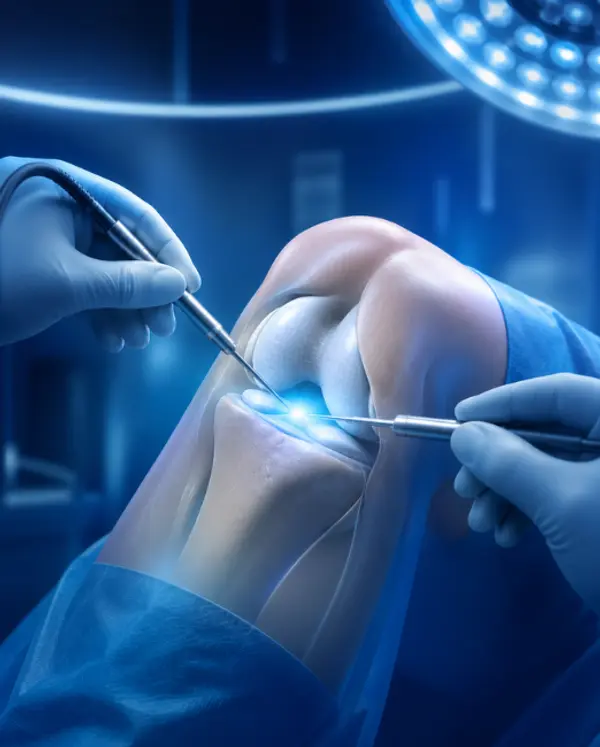
Operacja rekonstrukcji powierzchni stawu
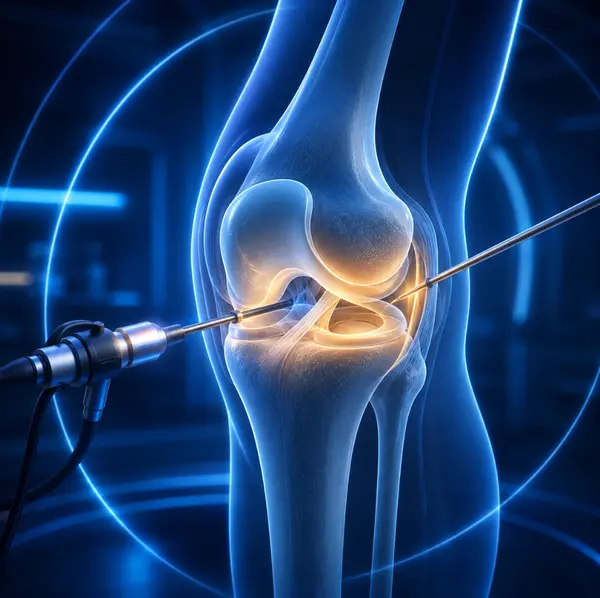
Artroskopia kolana
Min. 1 dni
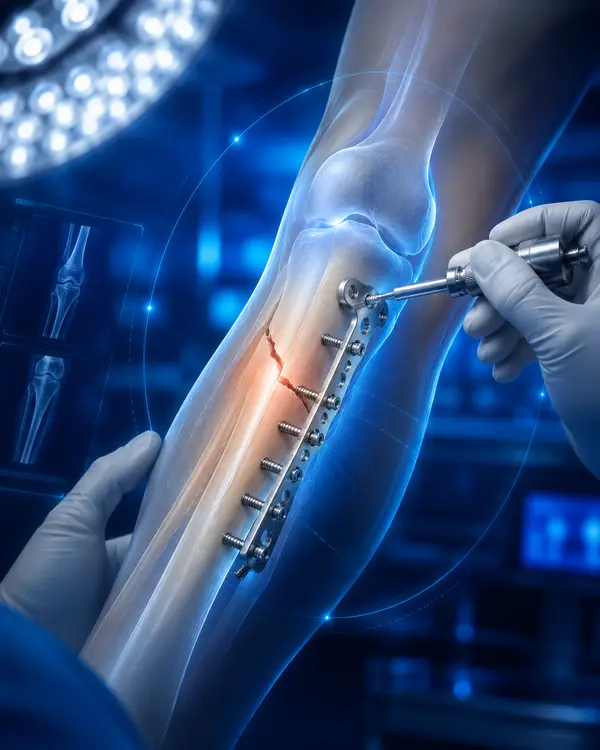
Operacja zespolenia złamań
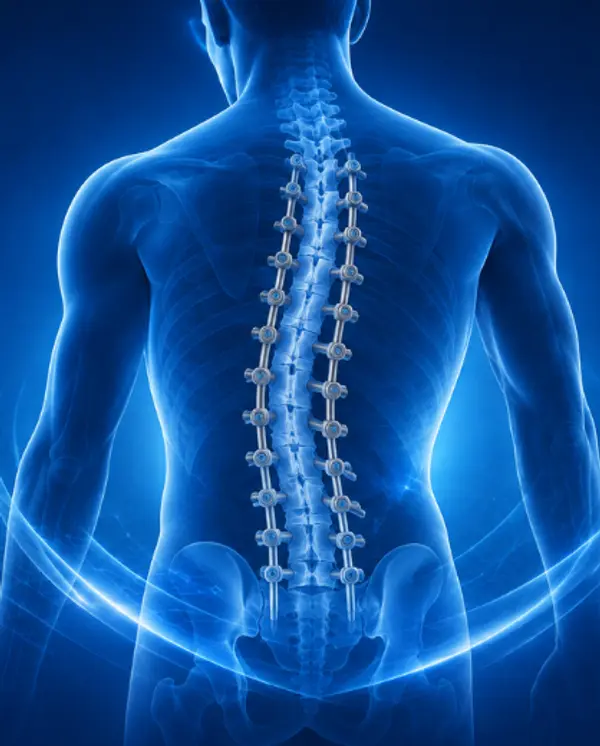
Scoliosis Correction Surgery
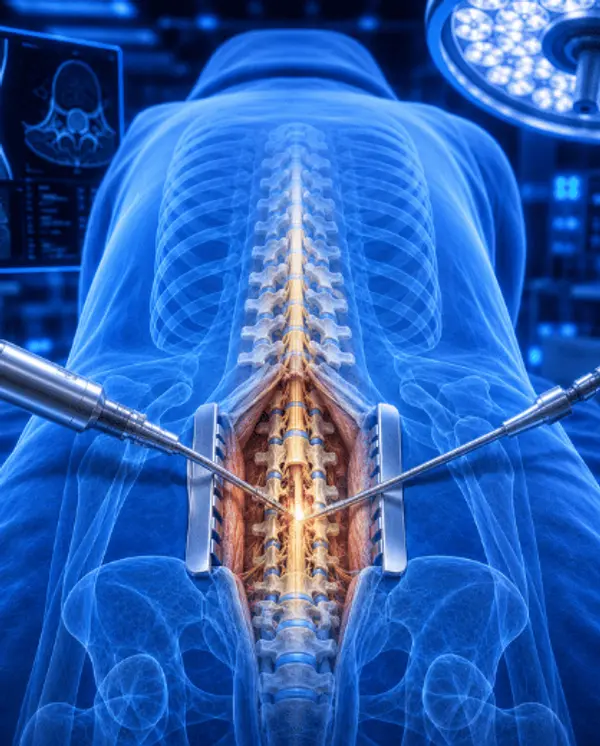
Spinal Decompression Surgery
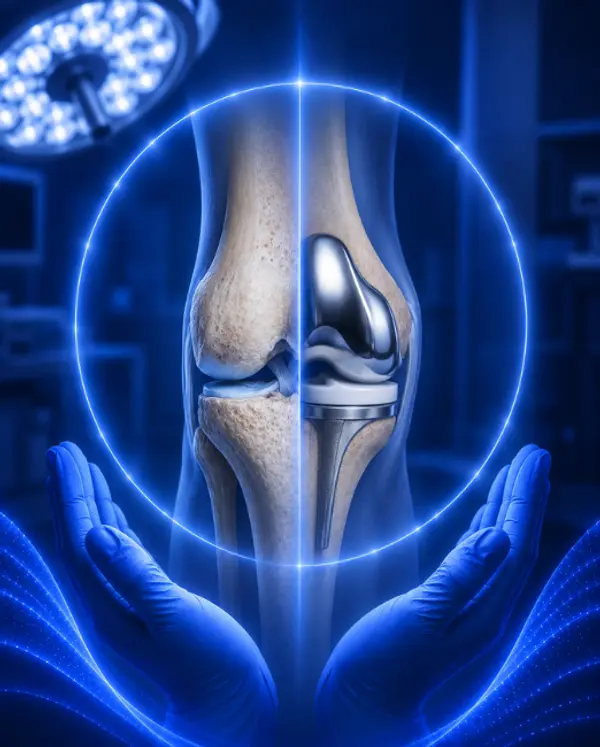
Całkowita wymiana stawu kolanowego
Tylko podane ceny — przelot i zakwaterowanie wyceniane osobno. Ostateczny koszt potwierdzany w bezpłatnej wycenie. Kursy z 2026-07-20.
