
Dr. Ahmed Amin
Onkologia
Consultant in Clinical Oncology and Radiation Oncology, and serves as Head of the Radiation Oncology Department at Baheya Hospitals
New Cairo - KairCairo International Airport
około 20 km stąd
Dr. Ahmed Amin is a Consultant in Clinical Oncology and Radiation Oncology, and serves as Head of the Radiation Oncology Department at Baheya Hospitals for Breast Cancer Treatment. He has experience in developing and managing integrated cancer treatment plans using chemotherapy, immunotherapy, hormonal therapy, and radiation therapy according to the type of cancer, stage of disease, biological characteristics of the tumor, and the individual needs of each patient.
His role is not limited to radiation therapy. Dr. Ahmed Amin evaluates cancer patients comprehensively, beginning with pathology review, imaging assessment, and cancer staging, then determining the appropriate role of systemic therapy, hormonal therapy, immunotherapy, radiotherapy, surgery, or combined treatment.
He has particular expertise in Radiation Oncology, including radiotherapy planning, three-dimensional radiation therapy, and modern techniques designed to accurately direct radiation toward the target area while reducing unnecessary exposure to surrounding healthy tissues as much as possible.
Through Macrocare, patients can submit pathology reports, imaging studies, previous treatment records, laboratory results, and operative reports for medical file organization and appointment coordination with Dr. Ahmed Amin, including international patients traveling to Egypt for cancer treatment.
Dr. Ahmed Amin’s Areas of Expertise
His areas of expertise include:
Clinical Oncology.
Radiation Oncology.
Cancer Treatment.
Chemotherapy.
Immunotherapy.
Hormonal Therapy.
Radiation Therapy.
Advanced Cancer Treatment.
Metastatic Cancer Treatment.
Cancer Treatment Planning.
Cancer Treatment Second Opinion.
Neoadjuvant Therapy.
Adjuvant Therapy.
Chemoradiotherapy.
Cancer Response Assessment.
Recurrent Cancer Treatment.
Radiotherapy Planning.
Three-Dimensional Radiotherapy.
Image-Guided and Targeted Radiation Techniques.
Evaluation of Radiotherapy Before or After Surgery.
Integration of Systemic and Radiation Therapy.
Multidisciplinary Cancer Care.
Cancer Treatment with Dr. Ahmed Amin
Modern cancer treatment does not usually depend on a single treatment modality.
A patient may require a combination of:
Surgery + Chemotherapy + Immunotherapy + Hormonal Therapy + Radiation Therapy
The sequence varies significantly depending on the cancer type and stage.
Treatment planning may depend on:
Tumor type.
Pathology.
Cancer Stage.
Tumor Grade.
Tumor size.
Tumor location.
Lymph node involvement.
Presence of metastatic disease.
Tumor biology.
Biomarkers.
Previous treatment.
General health and performance status.
Accurate Cancer Diagnosis Before Treatment
Before starting treatment, confirming the diagnosis and understanding the biological characteristics of the tumor are essential.
Assessment may include review of:
Pathology Report.
Biopsy.
Immunohistochemistry.
CT Scan.
MRI.
PET/CT.
Tumor Markers in selected cases.
Biomarkers.
Previous Surgical Reports.
In some cases, reviewing pathology or restaging the disease can significantly change the recommended treatment strategy.
Cancer Staging
Cancer Staging determines how far the disease has spread and helps guide the treatment plan.
Staging investigations may include:
CT.
MRI.
PET/CT.
Bone Scan.
Ultrasound.
Endoscopy.
Additional investigations depending on the tumor type.
The appropriate treatment cannot be selected based only on the name of the cancer. The disease stage, tumor biology, and overall condition of the patient must also be considered.
Chemotherapy
Chemotherapy remains an important treatment for many types of cancer.
It may be used:
Before surgery.
After surgery.
Together with radiotherapy.
For advanced cancer.
For metastatic cancer.
When cancer returns.
To control disease that cannot be treated surgically.
How Is a Chemotherapy Protocol Selected?
There is no single chemotherapy regimen suitable for every patient.
Treatment selection depends on:
Cancer type.
Stage.
Pathology.
Patient age.
Performance Status.
Previous treatment.
Liver Function.
Kidney Function.
Complete Blood Count.
Associated medical conditions.
Chemotherapy Before Surgery
Neoadjuvant Chemotherapy refers to chemotherapy given before surgery in selected cancers.
Its goals may include:
Reducing tumor size.
Improving the possibility of surgical removal.
Increasing the chance of organ-preserving surgery.
Treating microscopic disease early.
Assessing tumor response to treatment.
Chemotherapy After Surgery
Adjuvant Chemotherapy may be used after surgery to reduce the risk of cancer recurrence.
The decision may depend on:
Stage.
Tumor Size.
Lymph Node Status.
Tumor Grade.
Pathology.
Additional risk factors.
Immunotherapy
Immunotherapy has become an important treatment option for selected types of cancer.
It works by helping the immune system recognize and attack cancer cells more effectively.
Immunotherapy may be used:
Alone.
With chemotherapy.
After previous treatment.
As part of treatment for selected advanced or metastatic cancers.
Who May Benefit from Immunotherapy?
Not every cancer patient requires immunotherapy.
The decision depends on factors such as:
Cancer type.
Disease stage.
Biomarkers.
Tumor biology.
Previous treatment.
Overall patient condition.
In some cancers, additional testing may be required before deciding whether immunotherapy is appropriate.
Monitoring During Immunotherapy
Some immunotherapy drugs can cause immune-related side effects involving different organs.
Monitoring may include:
Liver Function.
Kidney Function.
Thyroid Function.
Respiratory symptoms.
Gastrointestinal symptoms.
Skin changes.
General clinical condition.
Follow-up depends on the specific treatment and the individual patient.
Hormonal Therapy
Hormonal Therapy is used in cancers that depend on hormones for growth.
Common examples include selected cases of:
Breast Cancer.
Prostate Cancer.
Hormonal therapy may be used alone or as part of a broader treatment plan.
Hormonal Therapy for Breast Cancer
In breast cancer, treatment decisions may depend on:
ER.
PR.
HER2.
Cancer Stage.
Patient characteristics.
Hormonal Therapy may be used after surgery or in advanced disease when the tumor is hormone-sensitive.
Hormonal Therapy for Prostate Cancer
Hormonal Therapy, including Androgen Deprivation Therapy, may be used in selected prostate cancer cases.
It may be used:
With Radiation Therapy.
In selected advanced cases.
As part of a long-term treatment strategy.
Radiation Therapy
Radiation Therapy is one of Dr. Ahmed Amin’s major areas of expertise.
Radiotherapy can be used in many different types of cancer, not only breast cancer.
It may be used:
As the primary treatment.
After surgery.
Before surgery.
Together with chemotherapy.
To treat selected metastatic sites.
To relieve symptoms caused by cancer.
Three-Dimensional Radiation Therapy
3D Radiotherapy uses imaging data to define the target area and plan radiation dose distribution in three dimensions.
This may help physicians:
Define the target.
Assess its relationship to surrounding organs.
Plan radiation dose.
Direct treatment toward the intended area.
Reduce unnecessary radiation exposure to surrounding tissues as much as possible.
Targeted Radiation Therapy
Modern radiotherapy relies on accurate treatment planning and precise targeting.
The treatment technique may be selected according to:
Tumor location.
Tumor size.
Shape of the target area.
Proximity to sensitive organs.
Treatment objective.
Radiation Treatment Planning
Before starting radiotherapy, a Radiotherapy Treatment Plan is developed.
Planning may include:
Reviewing the diagnosis.
Reviewing imaging studies.
Defining the treatment target.
Identifying surrounding sensitive organs.
Determining the radiation dose.
Determining the number of sessions.
Designing dose distribution.
Chemotherapy and Radiation Therapy Together
Concurrent Chemoradiotherapy means using chemotherapy and radiotherapy during the same treatment period.
It may be used in selected cases of:
Head and Neck Cancer.
Cervical Cancer.
Lung Cancer.
Rectal Cancer.
Esophageal Cancer.
Breast Cancer Treatment with Dr. Ahmed Amin
Breast Cancer is an important area of Dr. Ahmed Amin’s experience, particularly through his role as Head of the Radiation Oncology Department at Baheya Hospitals for Breast Cancer Treatment.
However, breast cancer treatment is not based on radiation therapy alone.
Assessment may include:
Cancer Stage.
Tumor Size.
Lymph Node Status.
ER.
PR.
HER2.
Pathology.
Previous surgery.
Presence or absence of metastatic disease.
Treatment may include:
Surgery.
Chemotherapy.
Hormonal Therapy.
Immunotherapy in selected cases.
Radiation Therapy.
Radiation Therapy for Breast Cancer
Radiotherapy may be considered:
After Breast-Conserving Surgery.
After mastectomy in selected patients.
When lymph nodes are involved.
In selected recurrent cases.
For treatment of certain metastatic sites.
The target areas and radiation dose are determined according to the individual details of each case.
Lung Cancer Treatment
Treatment options for lung cancer may include:
Chemotherapy.
Immunotherapy.
Radiation Therapy.
Surgery.
Combined Treatment.
Treatment selection depends on the type of lung cancer, stage of disease, tumor characteristics, and overall condition of the patient.
Head and Neck Cancer Treatment
Head and neck cancers often require careful treatment planning because tumors may be located close to important and sensitive structures.
Treatment may include:
Surgery.
Radiation Therapy.
Chemotherapy.
Chemoradiotherapy.
The appropriate sequence depends on the tumor site, pathology, and stage.
Prostate Cancer Treatment
Treatment options may include:
Hormonal Therapy.
Radiation Therapy.
Surgery.
Systemic Therapy in advanced disease.
In selected patients, Hormonal Therapy and Radiation Therapy may be combined.
Rectal Cancer Treatment
Some patients with rectal cancer may require treatment before surgery.
Treatment may include:
Chemotherapy.
Radiation Therapy.
Chemoradiotherapy.
Surgery.
The plan depends on stage, imaging findings, and tumor location.
Esophageal Cancer Treatment
Treatment may include:
Chemotherapy.
Radiation Therapy.
Chemoradiotherapy.
Surgery.
The treatment strategy depends on disease stage, tumor location, and the patient's medical condition.
Pancreatic Cancer Treatment
Pancreatic cancer requires careful assessment of whether the tumor can be surgically removed.
Treatment may include:
Chemotherapy.
Surgery.
Radiation Therapy in selected cases.
Combined Treatment.
Gynecologic Cancer Treatment
Systemic therapy and radiotherapy may be used in selected gynecologic cancers, including:
Cervical Cancer.
Selected uterine cancers.
Other gynecologic malignancies depending on the diagnosis.
The treatment sequence depends on cancer type and stage.
Advanced and Metastatic Cancer Treatment
A diagnosis of Metastatic Cancer does not automatically mean that there are no treatment options.
Treatment may include:
Chemotherapy.
Immunotherapy.
Hormonal Therapy.
Radiation Therapy.
Combination Therapy.
The goals may include:
Reducing tumor size.
Controlling disease progression.
Relieving symptoms.
Preserving organ function.
Improving quality of life.
Extending the duration of disease control.
Radiation Therapy for Metastases
Radiotherapy may be used for selected metastatic lesions, including:
Bone Metastases.
Painful metastatic lesions.
Tumors causing compression of surrounding organs or nerves.
The aim may be pain relief, symptom control, or local control of a specific metastatic site.
Recurrent Cancer Treatment
Cancer may return after treatment.
Recurrence may be:
Local Recurrence.
Regional Recurrence.
Metastatic Recurrence.
A recurrent cancer should usually be reassessed rather than automatically repeating the previous treatment.
Changing the Cancer Treatment Plan
Treatment may need to be changed if:
The tumor does not respond.
The disease progresses.
Significant side effects develop.
New biological information becomes available.
The patient's medical condition changes.
Treatment may progress from:
First-Line Therapy
to:
Second-Line Therapy
and then to later lines of therapy when appropriate.
Cancer Treatment Response Assessment
Response may be evaluated using:
CT.
MRI.
PET/CT.
Clinical Examination.
Tumor Markers in selected cases.
The goal is to determine whether the disease is:
Responding.
Stable.
Progressing.
Cancer Second Opinion
A Cancer Second Opinion may be useful when:
Cancer has recently been diagnosed.
More than one treatment option is available.
Different doctors recommend different approaches.
Before starting chemotherapy.
Before immunotherapy.
Before radiation therapy.
Before changing treatment lines.
The cancer is metastatic.
The cancer has returned.
Previous treatment has not worked as expected.
Cancer Treatment Plan Review
A second opinion may include review of:
Pathology.
Cancer Stage.
CT / MRI / PET-CT.
Surgical Reports.
Chemotherapy Protocol.
Immunotherapy.
Hormonal Therapy.
Radiation Treatment Plan.
Biomarkers.
Current Disease Status.
The aim is to determine whether the current treatment plan matches the diagnosis, stage, and biological characteristics of the tumor.
Follow-Up During Cancer Treatment
Monitoring may include:
CBC.
Kidney Function.
Liver Function.
Weight.
Side effects.
Temperature.
Signs of infection.
Response Assessment.
Overall clinical condition.
Supportive Care During Cancer Treatment
Comprehensive oncology care is not limited to treating the tumor.
Patients may also require:
Pain Management.
Nausea and Vomiting Control.
Management of Anemia.
Nutritional Support.
Management of Low Blood Counts.
Infection Monitoring.
Management of Neurological Symptoms.
Bone Health Support.
Dr. Ahmed Amin’s Treatment Approach
Dr. Ahmed Amin follows a comprehensive cancer treatment approach rather than focusing on one treatment modality in isolation.
The treatment process may include:
Reviewing the diagnosis.
Reviewing Pathology.
Determining Cancer Stage.
Reviewing imaging studies.
Evaluating Biomarkers.
Determining the need for Chemotherapy.
Assessing suitability for Immunotherapy.
Determining the role of Hormonal Therapy.
Determining the role of Radiation Therapy.
Coordinating treatment timing with surgery.
Monitoring Treatment Response.
Modifying treatment when necessary.
The treatment strategy is individualized according to the characteristics of each patient and each cancer.
Dr. Ahmed Amin’s Experience
Dr. Ahmed Amin is:
Consultant in Clinical Oncology and Radiation Oncology.
Head of the Radiation Oncology Department at Baheya Hospitals for Breast Cancer Treatment.
Experienced in Chemotherapy.
Experienced in Immunotherapy.
Experienced in Hormonal Therapy.
Highly experienced in Radiation Oncology.
Experienced in Radiation Treatment Planning.
Focused on integrated cancer treatment strategies.
Involved in treatment planning before and after surgery.
Experienced in managing multiple cancer types, not only breast cancer.
Why Do Patients Consult Dr. Ahmed Amin?
Patients may seek an evaluation with Dr. Ahmed Amin for:
Cancer Treatment – Chemotherapy – Immunotherapy – Hormonal Therapy – Radiation Therapy – Breast Cancer – Lung Cancer – Prostate Cancer – Head and Neck Cancer – Gastrointestinal Cancer – Advanced Cancer – Metastatic Cancer – Recurrent Cancer – Cancer Second Opinion – Cancer Treatment Plan Review.
Book an Appointment with Dr. Ahmed Amin Through Macrocare
If you are searching for:
Dr. Ahmed Amin Oncologist
Ahmed Amin Cancer Doctor
Clinical Oncologist Egypt
Cancer Doctor Egypt
Chemotherapy Doctor Egypt
Immunotherapy Specialist Egypt
Hormonal Therapy Cancer Doctor Egypt
Radiation Oncologist Egypt
Cancer Treatment Egypt
Cancer Second Opinion Egypt
you can submit the medical file through Macrocare for case organization and appointment coordination with Dr. Ahmed Amin.
What Should Patients Send for Cancer Evaluation?
It is useful to provide:
Pathology Report.
Biopsy.
Immunohistochemistry.
CT.
MRI.
PET/CT if performed.
Previous Surgical Reports.
Previous Chemotherapy Details.
Previous Immunotherapy Details.
Current or Previous Hormonal Therapy.
Previous Radiation Therapy Report if available.
CBC.
Kidney Function.
Liver Function.
Current Medication List.
What Should Patients Send for a Cancer Second Opinion?
Useful information includes:
Complete diagnosis.
Pathology.
Cancer Stage.
Latest imaging.
Original imaging files when available.
Proposed treatment plan.
Previous treatment.
Latest Response Assessment.
Biomarker results.
Previous Radiation Treatment Plan if applicable.
Is Dr. Ahmed Amin Only a Radiation Oncologist?
No. Dr. Ahmed Amin is a Consultant in Clinical Oncology and Radiation Oncology. His cancer treatment experience includes chemotherapy, immunotherapy, hormonal therapy, and radiation therapy.
Does Dr. Ahmed Amin Provide Chemotherapy?
Yes. He can evaluate the need for Chemotherapy and determine its role within the overall cancer treatment plan according to the tumor type and stage.
Does He Provide Immunotherapy?
Yes. The suitability of Immunotherapy can be assessed according to the cancer type, stage, tumor biology, and other clinical factors.
Does He Provide Hormonal Therapy?
Yes. Hormonal Therapy may be used in hormone-sensitive cancers, including selected breast and prostate cancers.
Does Dr. Ahmed Amin Treat Breast Cancer?
Yes. Breast cancer is an important part of his oncology experience, and he serves as Head of the Radiation Oncology Department at Baheya Hospitals for Breast Cancer Treatment.
Does He Treat Cancers Other Than Breast Cancer?
Yes. His oncology practice includes multiple tumor types, including lung, head and neck, prostate, gastrointestinal, gynecologic, advanced, and metastatic cancers.
Can Chemotherapy and Radiation Therapy Be Used Together?
Yes. Chemoradiotherapy may be used in selected cancer types according to the diagnosis and stage.
Can Immunotherapy and Chemotherapy Be Combined?
In selected cancers, Immunotherapy and Chemotherapy may be used together depending on tumor biology and the clinical condition of the patient.
Is Hormonal Therapy an Alternative to Chemotherapy?
Not necessarily. The role of each treatment depends on the type and biology of the cancer. Some patients may need hormonal therapy alone, while others may require additional treatment.
Is Radiation Therapy Suitable for Every Cancer Patient?
No. Radiation therapy is useful in many cancers but is not required for every patient. Its role depends on the tumor type, stage, location, and the other treatments involved.
Can Radiation Therapy Be Used After Surgery?
Yes. In selected cancers, radiotherapy may be used after surgery to reduce the risk of local recurrence.
Can Radiation Therapy Be Used Before Surgery?
Yes. In selected cancers, radiotherapy or chemoradiotherapy may be used before surgery.
Does Dr. Ahmed Amin Treat Metastatic Cancer?
Patients with Advanced or Metastatic Cancer can be evaluated for systemic treatment, radiation therapy, or combined treatment according to their condition.
Can Patients Request a Cancer Second Opinion?
Yes. Pathology, imaging, previous treatment, and the proposed treatment plan can be reviewed to provide a second opinion.
Can a Patient Be Reassessed After Treatment Failure?
Yes. The disease status, previous treatment, and current response can be reassessed to determine possible next treatment options.
Can International Patients Be Evaluated Before Traveling to Egypt?
Yes. Patients can submit their medical file through Macrocare before traveling to Egypt for case organization and consultation coordination.
How Can I Book with Dr. Ahmed Amin?
Patients can submit pathology reports, imaging studies, surgical reports, chemotherapy, immunotherapy or hormonal therapy history, and previous radiation treatment records to Macrocare, which can coordinate the appropriate appointment with Dr. Ahmed Amin.
Procedury
Zabiegi u Dr. Ahmed Amin
Procedury oferowane przez tego usługodawcę, z rzeczywistymi cenami od.
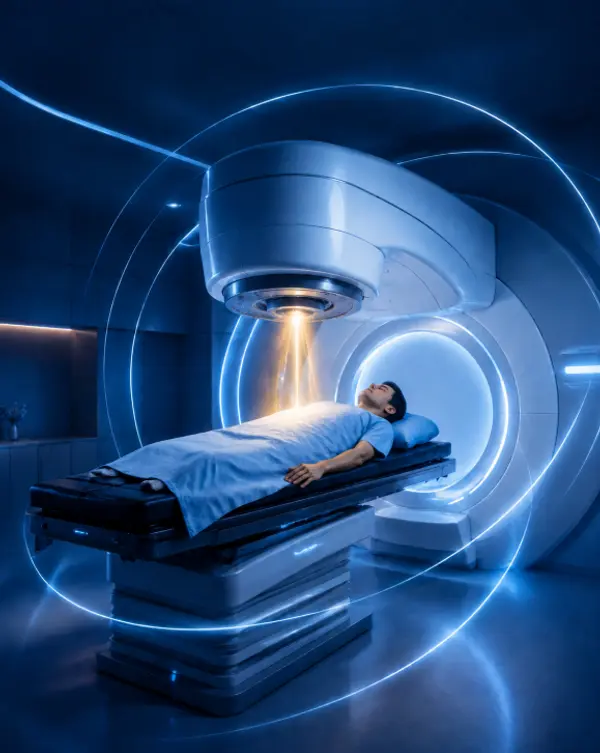
Radioterapia
Min. 1 dni
Terapia hormonalna
Min. 1 dni
Tylko podane ceny — przelot i zakwaterowanie wyceniane osobno. Ostateczny koszt potwierdzany w bezpłatnej wycenie. Kursy z 2026-07-20.