
Panoramica
Anadolu Medical Center Hospital in Turkey provides a broad range of medical, diagnostic, surgical, and supportive healthcare services across multiple specialties. Its medical structure includes dedicated departments for oncology, cardiovascular care, neurology and neurosurgery, gastroenterology, general surgery, urology, orthopaedics, pediatrics, gynecology and obstetrics, pulmonology, nephrology, endocrinology, psychiatry, rehabilitation, and other specialized fields.
The hospital's Oncology Center provides multidisciplinary cancer care, bringing together oncology diagnosis, surgical oncology, medical oncology, radiation oncology, hematologic oncology, pediatric hematology and oncology, and oncocardiology. Supporting specialties include pathology, radiology, nuclear medicine, general surgery, thoracic surgery, gynecologic oncology, uro-oncology, orthopedic oncology, neuro-oncology, ENT oncology, digestive system surgery, pain management, palliative medicine, psycho-oncology, and nutrition.
Anadolu Medical Center also provides access to advanced diagnostic and treatment technologies, including PET-CT, MR Linac, CyberKnife M6, Varian Edge, Radixact, robotic surgery, hybrid operating rooms, intraoperative radiotherapy, advanced breast imaging, endobronchial ultrasound, and MRI-guided prostate biopsy techniques.
Through Macrocare, international patients can submit their medical records, imaging, pathology reports, and previous treatment information for case review and coordination. Macrocare can also assist with arranging medical consultations, appointments, hospital coordination, and treatment journey support when required.
Oncology Center at Anadolu Medical Center
The Oncology Center at Anadolu Medical Center follows a multidisciplinary approach to cancer diagnosis and treatment.
Cancer care may involve several medical specialties depending on the type, location, stage, and characteristics of the tumor. The patient's general health, previous treatments, pathology findings, imaging results, and treatment goals are also considered when developing a medical plan.
The Oncology Center includes:
Oncology diagnosis
Surgical oncology
Medical oncology
Radiation oncology
Hematologic oncology
Pediatric hematology and oncology
Oncocardiology
Uro-oncology
Gynecologic oncology
Breast cancer care
Neuro-oncology
Orthopedic oncology
Thoracic oncology
Gastrointestinal oncology
Head and neck oncology
Bone marrow transplantation
Pediatric bone marrow transplantation
Psycho-oncology
Palliative medicine
Pain management
Nutrition and dietetics
Cancer Diagnosis and Medical Evaluation
Cancer diagnosis usually begins with a clinical assessment followed by the investigations needed to confirm the diagnosis and determine the extent of disease.
Depending on the suspected cancer, the diagnostic process may include:
Blood tests
Imaging studies
Computed tomography
Magnetic resonance imaging
PET-CT
Ultrasound
Mammography
Endoscopic examinations
Tissue biopsy
Pathology analysis
Additional specialized testing when clinically indicated
Not every patient requires all of these investigations. The appropriate tests depend on the suspected diagnosis, previous findings, symptoms, and clinical assessment.
Surgical Oncology
Surgical oncology focuses on the role of surgery in the diagnosis and treatment of cancer.
Surgery may be considered to remove a tumor, remove part or all of an affected organ, obtain tissue for diagnosis, treat complications, or manage localized disease when surgery is considered appropriate.
The decision to operate depends on factors such as:
Tumor type
Tumor location
Tumor size
Disease stage
Spread to surrounding structures or distant organs
The patient's general health
Previous or planned systemic and radiation treatments
For some cancers, surgery may be combined with medical treatment or radiation therapy as part of a multidisciplinary treatment plan.
Medical Oncology
Medical oncology focuses on the use of systemic medical treatments for cancer.
Depending on the cancer type and its characteristics, treatment may include chemotherapy and other systemic therapies selected according to the patient's diagnosis and treatment plan.
Medical treatment may be used before surgery, after surgery, as the primary treatment for certain cancers, or together with radiation therapy when appropriate.
The treatment regimen is individualized according to the patient's medical condition, pathology findings, disease stage, previous treatments, and treatment objectives.
Radiation Oncology
Radiation oncology uses radiation therapy to treat different types of cancer.
Radiation therapy may be recommended:
Before surgery
After surgery
Together with systemic treatment in selected cases
As a primary treatment for certain tumors
To help control symptoms caused by cancer in selected situations
The radiation dose, treatment technique, and number of sessions depend on the tumor, its location, the treatment objective, and the patient's individual treatment plan.
Advanced Radiation Therapy
Anadolu Medical Center lists several advanced radiation treatment technologies, including MR Linac, CyberKnife M6, Varian Edge, Radixact, and intraoperative radiotherapy.
These technologies may allow radiation to be delivered with different approaches depending on the location and characteristics of the tumor.
The appropriate technology is selected according to the patient's diagnosis, tumor location, treatment objective, and radiation planning requirements.
MR Linac
MR Linac combines magnetic resonance imaging with radiation therapy.
The integration of imaging and radiation treatment can be useful in selected cases where real-time or repeated imaging during treatment planning and delivery is clinically valuable.
Its suitability depends on the tumor type, location, movement, surrounding organs, and overall treatment plan.
CyberKnife M6
CyberKnife M6 is a radiation treatment system that can be used for selected tumors and lesions.
It delivers highly focused radiation to the treatment target while allowing the treatment team to consider the surrounding healthy tissues during treatment planning.
CyberKnife is not automatically an alternative to surgery for every tumor. The choice between surgery, radiation treatment, or other therapies depends on the diagnosis and individual clinical assessment.
Varian Edge
Varian Edge is an advanced radiation therapy system designed for highly targeted radiation treatment.
It may be considered for selected tumors where precise radiation delivery is clinically appropriate.
Treatment planning depends on the size and location of the tumor, its relationship to nearby organs, and the overall radiation treatment strategy.
Radixact
Radixact is a radiation therapy system belonging to the TomoTherapy family.
It may be used in selected treatment plans that require controlled and precisely planned radiation delivery.
The radiation oncology team determines whether this approach is appropriate for the individual patient.
Intraoperative Radiotherapy
Intraoperative radiotherapy delivers radiation during surgery in selected cases.
This approach may be considered for certain tumors and surgical situations where delivering radiation directly during the operation forms part of the treatment strategy.
Its use depends on the tumor type, location, surgical plan, and overall treatment approach.
Hematologic Oncology
Hematologic oncology focuses on cancers and malignant disorders affecting the blood, bone marrow, and lymphatic system.
The field may include the management of conditions such as leukemia, lymphoma, plasma cell disorders, and other hematologic malignancies.
Evaluation may involve blood tests, bone marrow examination, imaging, pathology, and specialized laboratory testing depending on the suspected disease.
Bone Marrow Transplantation
Anadolu Medical Center includes a Bone Marrow Transplant Center for patients who may require hematopoietic stem cell transplantation.
Stem cell transplantation can be considered for selected blood disorders and cancers.
The decision depends on the diagnosis, disease stage, response to previous treatment, overall health, donor considerations when applicable, and whether transplantation is medically appropriate.
Patients generally undergo a detailed evaluation before transplantation to assess their overall condition and suitability for the treatment process.
Pediatric Bone Marrow Transplantation
The hospital also provides pediatric bone marrow and stem cell transplantation services.
Children being evaluated for transplantation require specialized assessment that takes into account age, diagnosis, disease status, response to previous treatment, general health, and the suitability of transplantation.
Pediatric Oncology
Pediatric hematology and oncology services focus on cancers and blood disorders affecting children.
Cancer treatment in children requires specialized planning because age, growth, development, nutritional status, and long-term health considerations can influence treatment decisions.
Depending on the diagnosis, treatment may include surgery, systemic therapy, radiation therapy, stem cell transplantation, or a combination of approaches.
Oncocardiology
Oncocardiology combines cardiovascular care with cancer treatment.
Cardiac evaluation may be important for selected cancer patients before, during, or after treatment, particularly when the planned therapy requires cardiovascular monitoring.
The type and frequency of cardiac assessment depend on the patient's cardiovascular history, cancer treatment, and individual risk factors.
Breast Cancer Care
Anadolu Medical Center includes a Breast Center supported by imaging, surgical, medical oncology, and radiation oncology services.
Breast cancer evaluation may involve clinical examination, breast imaging, biopsy, and pathology analysis.
Treatment depends on the type and stage of breast cancer and may involve surgery, systemic treatment, radiation therapy, or a combination of treatments.
Mammography and Advanced Breast Imaging
Mammography is an important imaging method used to evaluate breast tissue and identify abnormalities that may require further investigation.
The hospital also lists 4D mammography among its diagnostic technologies.
The appropriate breast imaging method depends on the patient's age, symptoms, medical history, previous imaging, and clinical assessment.
Uro-Oncology
Uro-oncology focuses on cancers affecting the urinary system and selected male reproductive organs.
The field may include cancers of the:
Prostate
Kidney
Bladder
Testis
Other parts of the urinary and male reproductive systems
Depending on the suspected condition, evaluation may include laboratory tests, imaging, endoscopic procedures, biopsy, and pathology.
Prostate Cancer and MRI-Guided Fusion Biopsy
Anadolu Medical Center lists MRI-TRUS fusion biopsy among its technologies for prostate evaluation.
This approach combines magnetic resonance imaging with ultrasound guidance to target suspicious areas identified on prostate imaging.
It may be considered when imaging or other clinical findings indicate the need for targeted tissue sampling.
Not every patient with suspected prostate disease requires fusion biopsy; the decision depends on the clinical assessment and available test results.
Gynecologic Oncology
Gynecologic oncology focuses on cancers affecting the female reproductive system.
The hospital includes gynecologic surgical oncology services alongside gynecology and obstetrics.
Conditions may include selected cancers of the:
Ovary
Uterus
Cervix
Endometrium
Other gynecologic organs
Treatment may involve surgery, systemic therapy, radiation therapy, or a combination depending on the cancer type and stage.
Gastrointestinal Oncology
Gastrointestinal cancer care may involve collaboration between medical oncology, surgical oncology, general surgery, gastroenterology, radiology, pathology, and radiation oncology.
The field may include cancers affecting the:
Stomach
Colon
Rectum
Liver
Pancreas
Biliary system
Other parts of the digestive system
Treatment depends on tumor location, pathology, stage, resectability, and the patient's overall health.
Digestive System Surgery
Some gastrointestinal tumors require surgical treatment.
The decision to perform surgery depends on imaging findings, pathology, disease stage, tumor location, resectability, and the patient's general medical condition.
Depending on the cancer, surgery may be preceded or followed by systemic therapy or radiation therapy.
Neuro-Oncology
Neuro-oncology involves the evaluation and treatment of tumors affecting the brain and nervous system.
Patients may be evaluated by neurology, neurosurgery, radiation oncology, medical oncology, radiology, and pathology.
Diagnostic assessment may include magnetic resonance imaging, computed tomography, and tissue biopsy in selected cases.
Treatment depends on the tumor type, location, size, biological characteristics, and relationship to surrounding brain structures.
Orthopedic Oncology
Orthopedic oncology focuses on tumors affecting bones and related soft tissues.
These tumors may originate in the bone or represent cancer that has spread from another organ.
Evaluation may include specialized imaging, biopsy, pathology review, and multidisciplinary assessment involving orthopaedic surgery, oncology, radiology, and pathology.
Thoracic Oncology and Lung Cancer
Thoracic surgery, pulmonology, medical oncology, radiology, and nuclear medicine may all contribute to the evaluation of patients with lung and thoracic tumors.
Assessment may include chest imaging, computed tomography, PET-CT when appropriate, and tissue sampling.
Treatment depends on the type and stage of the tumor, its location, and whether it can be surgically removed.
Endobronchial Ultrasound
Endobronchial ultrasound is a specialized diagnostic procedure used to examine certain areas of the airways and lymph nodes within the chest.
It can also be used to obtain tissue samples from selected areas that may be difficult to reach using conventional methods.
The procedure is considered according to the imaging findings and the clinical question that needs to be answered.
Head and Neck Oncology
The ENT Oncology Department supports the evaluation and treatment of tumors affecting the head and neck.
Depending on the location, this may include tumors involving the nose, sinuses, oral cavity, throat, and other structures of the head and neck.
Treatment may involve surgery, radiation therapy, systemic treatment, or a combination of these approaches.
Sialendoscopy
Sialendoscopy is an endoscopic technique used to visualize the ducts of the salivary glands.
It can be used in selected cases to investigate and manage certain salivary gland duct disorders.
The appropriate approach depends on the patient's symptoms, imaging findings, and clinical diagnosis.
Nuclear Medicine
Nuclear medicine uses small amounts of radioactive substances for selected diagnostic and therapeutic purposes.
It has an important role in the evaluation of certain cancers because some nuclear medicine examinations provide functional information that complements anatomical imaging.
The appropriate nuclear medicine study depends on the diagnosis and the clinical question.
PET-CT
PET-CT combines metabolic imaging with computed tomography.
In selected cancer cases, it can help evaluate tumor activity, identify areas of disease, assess possible spread, or monitor treatment response.
PET-CT is not required for every cancer patient. Its use depends on the cancer type, stage, clinical question, and other available investigations.
Radiology
The Radiology Department provides diagnostic imaging services that support the diagnosis and follow-up of a wide range of medical conditions.
Depending on the clinical need, imaging may include:
X-ray
Computed tomography
Magnetic resonance imaging
Ultrasound
Mammography
Specialized imaging procedures
The appropriate examination is selected according to symptoms, suspected diagnosis, and previous medical findings.
Pathology
Pathology plays a central role in the diagnosis of many cancers.
When a biopsy or surgical specimen is obtained, pathology analysis helps determine the nature and characteristics of the tissue.
Additional pathology testing may be required in selected cases to establish the diagnosis more precisely and support treatment planning.
Clinical Laboratory and Biochemistry
The hospital includes clinical laboratory, biochemistry, and microbiology services.
Laboratory testing can support diagnosis, evaluate general health, monitor organ function, assess patients before procedures, and monitor certain treatments.
The required tests vary according to the patient's condition and medical needs.
Robotic Surgery
Anadolu Medical Center lists robotic surgery using the da Vinci surgical system among its medical technologies.
Robotic surgery allows the surgeon to control specialized surgical instruments through a robotic platform and may be considered for selected procedures.
The availability of robotic surgery does not mean that it is appropriate for every operation. The choice depends on the procedure, patient condition, surgical assessment, and treatment goals.
Hybrid Operating Room
A hybrid operating room combines a surgical environment with advanced medical imaging capabilities.
It may be useful for selected procedures where imaging during the intervention is clinically valuable.
The need for a hybrid operating room depends on the type of procedure and the patient's medical requirements.
Anesthesiology and Reanimation
The Anesthesiology and Reanimation Department supports patients undergoing surgical and interventional procedures.
The team may participate in preoperative assessment, anesthesia planning, monitoring during the procedure, and postoperative care.
The anesthesia approach depends on the type of procedure and the patient's medical condition.
Intensive Care
The hospital provides intensive care services for patients who require continuous monitoring or advanced medical support.
A cardiovascular surgery intensive care unit is also included within the hospital's services.
Emergency Medicine
The Emergency Medicine Department provides assessment and initial management for patients requiring urgent medical or surgical care.
The investigations and treatment provided depend on the severity and nature of the emergency.
Cardiology
The Cardiology Department evaluates and manages cardiovascular conditions.
Depending on the patient's symptoms and medical history, assessment may include electrocardiography, echocardiography, laboratory tests, and other cardiovascular investigations.
Cardiovascular Surgery
Cardiovascular surgery focuses on selected conditions involving the heart and blood vessels that may require surgical intervention.
The decision to perform surgery depends on the diagnosis, severity of disease, imaging findings, general health, and availability of other treatment options.
Gastroenterology
Gastroenterology covers disorders of the digestive system, including the esophagus, stomach, intestines, liver, pancreas, gallbladder, and biliary system.
Patients may require laboratory testing, endoscopy, ultrasound, computed tomography, magnetic resonance imaging, or other investigations depending on their symptoms.
Nephrology
Nephrology focuses on kidney diseases and disorders affecting kidney function, fluid balance, electrolytes, and certain forms of hypertension.
Assessment may include blood and urine testing, imaging, and specialized kidney investigations when needed.
Neurology
Neurology evaluates disorders affecting the brain, spinal cord, peripheral nerves, and other parts of the nervous system.
Patients may be assessed for conditions such as headaches, seizures, movement disorders, peripheral nerve disorders, and other neurological problems.
Neurosurgery
Neurosurgery focuses on conditions requiring surgical evaluation of the brain, spine, spinal cord, or peripheral nerves.
Surgical treatment depends on the diagnosis, imaging findings, neurological symptoms, and overall patient assessment.
Pulmonology
Pulmonology focuses on diseases of the lungs and respiratory system.
The department may evaluate breathing problems, chronic respiratory diseases, infections, and other pulmonary conditions.
Depending on the suspected diagnosis, evaluation may include pulmonary function testing, imaging, bronchoscopy, or other investigations.
Endocrinology and Metabolic Diseases
Endocrinology deals with disorders affecting hormones and endocrine glands.
The field may include thyroid disorders, diabetes, metabolic conditions, and other hormonal disorders.
Assessment may involve hormone testing, imaging, and specialized endocrine investigations.
General Surgery
General Surgery covers a broad range of surgical conditions, including selected diseases of the abdomen, digestive system, gallbladder, hernias, and other surgical problems.
The need for surgery is determined after clinical evaluation and the appropriate diagnostic investigations.
Obesity Surgery
The hospital includes an Obesity Surgery Department for patients who may be considered for surgical treatment of severe obesity.
Bariatric surgery may be considered after assessment of body weight, associated medical conditions, previous treatment attempts, and the patient's overall health.
The choice of procedure depends on the patient's individual medical assessment.
Pediatrics
The Pediatric Department provides medical care for children and is supported by several pediatric subspecialties.
These include pediatric cardiology, pediatric cardiovascular surgery, pediatric nephrology, pediatric neurology, pediatric endocrinology, pediatric infectious diseases, pediatric oncology, and pediatric surgery.
Pediatric Surgery
Pediatric surgery focuses on surgical conditions affecting infants, children, and adolescents.
The appropriate procedure depends on the child's age, diagnosis, anatomy, general health, and complexity of the condition.
Pediatric Cardiology and Cardiovascular Surgery
Pediatric cardiology evaluates heart conditions in children, including selected congenital and acquired heart disorders.
Some children may require observation and medical treatment, while others may require an interventional or surgical procedure depending on the diagnosis.
Pediatric Nephrology
Pediatric nephrology focuses on kidney and urinary disorders in children, including selected kidney function problems, blood pressure disorders, fluid and electrolyte abnormalities, and other pediatric renal conditions.
Pediatric Neurology
Pediatric neurology evaluates neurological disorders affecting children.
Assessment considers the child's age, development, symptoms, neurological examination, and appropriate diagnostic testing.
Pediatric Endocrinology
Pediatric endocrinology focuses on hormonal and metabolic disorders in children, including selected thyroid disorders, growth problems, diabetes, and other endocrine conditions.
Gynecology and Obstetrics
The Gynecology and Obstetrics Department provides care for women's health, pregnancy, and gynecological conditions.
The hospital also includes specialized services for gynecologic oncology and high-risk pregnancy.
Perinatology and High-Risk Pregnancy
Perinatology focuses on pregnancies that require specialized monitoring because of maternal, fetal, or pregnancy-related risk factors.
Assessment may include detailed maternal and fetal monitoring and specialized imaging depending on the pregnancy.
In Vitro Fertilization
The hospital includes an In Vitro Fertilization Department that evaluates and treats selected causes of infertility.
Treatment planning depends on the age of the couple, fertility history, laboratory findings, reproductive health, and the identified cause of infertility.
Urogynecology and Pelvic Floor Surgery
Urogynecology focuses on selected conditions affecting the female pelvic floor and urinary system.
Patients may be evaluated for urinary incontinence, pelvic floor disorders, and other related conditions.
Treatment may include conservative management, rehabilitation, medication, or surgery depending on the diagnosis.
Dermatology
The Dermatology Department evaluates and treats conditions affecting the skin, hair, and nails.
Treatment depends on the underlying diagnosis and severity of the condition.
Ophthalmology
The Ophthalmology Department provides evaluation and treatment for eye diseases and vision-related conditions.
Some patients may require medical treatment, monitoring, or surgery depending on the eye condition.
Ear, Nose and Throat
The ENT Department provides diagnosis and treatment for conditions affecting the ear, nose, sinuses, throat, and related structures.
The hospital also provides specialized ENT oncology services for selected head and neck tumors.
Plastic and Reconstructive Surgery
Plastic and reconstructive surgery may be used to restore or reconstruct tissues following selected injuries, surgeries, or medical conditions.
Reconstructive procedures are planned according to the affected area, patient's condition, and treatment requirements.
Psychiatry and Psychology
The hospital includes Psychiatry and Psychology Departments for assessment and management of mental health conditions.
Psychological and psychiatric support can also be important for patients dealing with major medical diagnoses, including cancer.
Physical Medicine and Rehabilitation
Physical medicine and rehabilitation focuses on restoring movement, function, independence, and quality of life after selected medical conditions, injuries, surgeries, neurological disorders, and musculoskeletal problems.
Rehabilitation programs are adapted to the patient's functional needs.
Pain Management
The Pain Management Department evaluates and treats different types of acute and chronic pain.
Patients with cancer, chronic diseases, or postoperative pain may require specialized pain assessment when pain affects daily function or quality of life.
Palliative Medicine
Palliative medicine focuses on symptom management and quality of life for patients with serious or chronic illnesses.
It may address pain, nausea, sleep problems, nutritional issues, fatigue, and other symptoms.
Palliative care can sometimes be provided alongside active treatment rather than only at the end of treatment.
Nutrition and Diet
The Nutrition and Diet Department supports patients who require nutritional assessment or dietary planning.
Nutritional support may be particularly relevant for oncology patients, patients undergoing obesity surgery, and patients experiencing weight loss, appetite changes, or nutritional difficulties.
Check-Up Services
The hospital includes a Check-Up Center for preventive and comprehensive health assessments.
The appropriate check-up program depends on factors such as age, medical history, risk factors, lifestyle, and previous health findings.
Person-Centered Care
Anadolu Medical Center describes its approach as person-centered care, with attention to patient safety, comfort, and support throughout diagnosis and treatment.
The hospital provides eight operating rooms equipped for different medical and surgical specialties and offers two patient room options according to the available hospital information.
International Patient Services
The hospital has an International Services Department that assists patients and companions coming from outside Turkey during the planning and implementation of their medical visits.
International patients may require coordination of medical records, consultations, appointments, hospital services, and other aspects of their treatment journey.
The exact services required depend on the patient's diagnosis, treatment plan, length of stay, and individual circumstances.
Medical Second Opinion
Anadolu Medical Center provides a medical second opinion service for reviewing medical test results, diagnosis, and treatment options.
A second opinion may be particularly useful when a patient has a complex diagnosis, several possible treatment approaches, or is considering major surgery or another significant intervention.
For an effective case review, patients should provide the available medical reports, pathology results, imaging reports, original imaging files when possible, and previous treatment information.
Medical Documents for Oncology Case Review
International oncology patients preparing their case for review may provide the available documents relevant to their diagnosis, such as:
Pathology report
Biopsy report
Pathology slides and blocks when available
Computed tomography reports and images
Magnetic resonance imaging reports and images
PET-CT reports and images
Mammography and breast imaging
Endoscopy reports
Previous surgical reports
Previous treatment summaries
Current and previous cancer medications
Chemotherapy records
Radiation therapy records and treatment plans when available
Recent laboratory results
Bone marrow transplant records when relevant
Not every patient needs all of these documents. The required information depends on the cancer type, stage, previous treatment, and purpose of the medical review.
Booking a Consultation at Anadolu Medical Center Through Macrocare
Patients searching for cancer treatment in Turkey, oncology care, advanced radiation therapy, bone marrow transplantation, cancer surgery, or a medical second opinion can submit their medical information through Macrocare for case coordination.
Macrocare can assist with:
Organizing the medical file.
Reviewing the available case information.
Coordinating a medical second opinion when requested.
Arranging a consultation or appointment.
Coordinating hospital-related services when needed.
Requesting an estimated treatment cost when the necessary information is available.
Supporting international patients with their treatment journey.
Patients are encouraged to provide recent medical reports, pathology results, imaging reports and original images, previous surgical records, and details of previous treatment whenever available.
Why Patients May Search for Anadolu Medical Center
Patients may search for Anadolu Medical Center in relation to a range of medical needs, including:
Cancer treatment in Turkey
Oncology treatment in Turkey
Breast cancer treatment
Lung cancer treatment
Colon and rectal cancer treatment
Stomach cancer treatment
Pancreatic cancer treatment
Liver cancer treatment
Prostate cancer treatment
Kidney cancer treatment
Bladder cancer treatment
Brain tumor treatment
Bone tumor treatment
Gynecologic cancer treatment
Pediatric cancer treatment
Blood cancer treatment
Bone marrow transplantation
Radiation therapy
CyberKnife treatment
MR Linac treatment
PET-CT
Robotic surgery
Oncology surgery
Medical second opinion in Turkey
International cancer treatment coordination
Frequently Asked Questions About Anadolu Medical Center
Does Anadolu Medical Center provide cancer treatment?
Yes. The hospital has an Oncology Center supported by medical oncology, surgical oncology, radiation oncology, hematologic oncology, pediatric oncology, and multiple diagnostic and supportive specialties.
What oncology specialties are available at Anadolu Medical Center?
The oncology services include cancer diagnosis, surgical oncology, medical oncology, radiation oncology, hematologic oncology, pediatric hematology and oncology, oncocardiology, uro-oncology, gynecologic oncology, neuro-oncology, orthopedic oncology, thoracic oncology, and gastrointestinal cancer care.
Can I request a medical second opinion from Anadolu Medical Center?
Yes. The hospital provides a medical second opinion service for reviewing medical records, test results, diagnosis, and available treatment options.
Can I send my medical records before traveling to Turkey?
Medical records can be submitted for review and coordination before travel. This can help organize the medical consultation and clarify the information needed for the next stage of treatment.
Does Anadolu Medical Center provide radiation therapy?
Yes. The hospital lists several radiation therapy technologies, including CyberKnife M6, Varian Edge, Radixact, MR Linac, and intraoperative radiotherapy.
Does Anadolu Medical Center offer CyberKnife?
CyberKnife M6 is listed among the hospital's radiation therapy technologies. Its suitability depends on the tumor type, location, size, and overall treatment plan.
Does Anadolu Medical Center have MR Linac?
Yes. MR Linac is listed among the hospital's advanced radiation treatment technologies.
Does Anadolu Medical Center treat breast cancer?
The hospital has a Breast Center supported by breast imaging, surgical services, medical oncology, and radiation oncology. Treatment depends on the type and stage of breast cancer.
Does Anadolu Medical Center treat lung cancer?
The hospital has pulmonology, thoracic surgery, medical oncology, radiology, and nuclear medicine services that may participate in the evaluation and treatment of lung cancer according to the patient's condition.
Does Anadolu Medical Center treat brain tumors?
Neurology, neurosurgery, oncology, radiation oncology, radiology, and pathology services may contribute to the evaluation and treatment of brain and nervous system tumors.
Does Anadolu Medical Center provide bone marrow transplantation?
Yes. The hospital includes a Bone Marrow Transplant Center and pediatric bone marrow and stem cell transplantation services.
Does Anadolu Medical Center provide pediatric cancer treatment?
Yes. Pediatric hematology and oncology services are available, together with pediatric oncology and pediatric bone marrow transplantation services.
Does Anadolu Medical Center offer robotic surgery?
The hospital lists robotic surgery using the da Vinci surgical system among its medical technologies. Whether robotic surgery is appropriate depends on the specific operation and patient's medical condition.
What is PET-CT used for in cancer care?
PET-CT combines functional and anatomical imaging and can be used in selected cancer cases to evaluate tumor activity, assess possible spread, or monitor treatment response.
Does every cancer patient need a PET-CT?
No. The need for PET-CT depends on the cancer type, stage, clinical question, and other available test results.
Can cancer be treated without surgery?
Some cancers can be treated without surgery, depending on the tumor type, stage, location, and patient's condition. Treatment may involve systemic therapy, radiation therapy, or other approaches. Other cancers may require surgery as part of treatment.
Why is pathology important in cancer treatment?
Pathology helps identify the nature and characteristics of a tumor. Pathology findings are often an important part of determining the diagnosis and selecting an appropriate treatment strategy.
What documents are needed for an oncology second opinion?
Patients should provide the pathology and biopsy reports, available imaging reports and original images, previous surgical reports, previous treatment records, current medications, and recent laboratory results relevant to the case.
Should I send the original imaging files?
Whenever possible, patients should provide the original imaging files in addition to written radiology reports. Reviewing the images themselves can be important for a comprehensive medical assessment.
Can Macrocare help arrange treatment at Anadolu Medical Center?
Macrocare can assist with organizing the medical file, coordinating case review and consultation, arranging appointments, and supporting international patients with treatment coordination.
Can I request an estimated treatment cost before traveling?
An estimated cost may be requested when sufficient medical information and a proposed treatment plan are available. The final cost can vary depending on the actual procedures, treatment duration, hospital services, and individual patient needs.
Does Anadolu Medical Center have services for international patients?
Yes. The hospital has an International Services Department that provides guidance to patients and companions coming from abroad during the planning and implementation of their medical visits.
Can I request a second opinion before deciding on surgery?
Yes. A medical second opinion can be requested to review the diagnosis and proposed treatment plan, including a recommendation for surgery, based on the available medical records and investigations.

Trattamenti presso Anadolu Medical Center Hospital
Le procedure offerte da questa struttura, con prezzi di partenza reali.

Intensive Care Unit (ICU)
Min 1 giorni

Terapia ormonale
Min 1 giorni

Terapia mirata
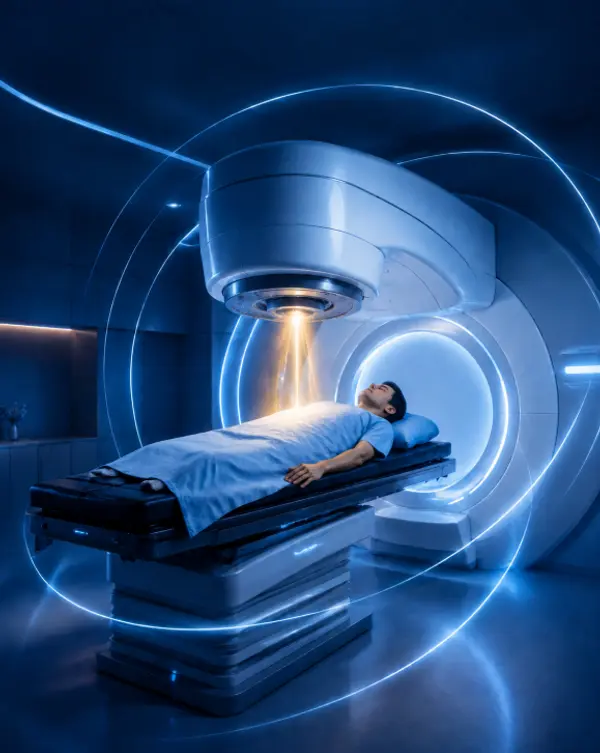
Radioterapia
Min 1 giorni

Oncologia di Precisione
Min 1 giorni

Immunoterapia
Min 1 giorni
Solo prezzi indicati — voli e soggiorno sono stimati separatamente. Costo finale confermato nel preventivo gratuito. Tassi al 2026-07-20.