
Prof. Dr. Amr Mounir
Chirurgie oncologique
Surgical Oncology, Advanced Laparoscopic and Robotic Surgery Consultant
New Cairo - Le Caire
Prof. Dr. Amr Mounir is a Lecturer of Surgical Oncology at the National Cancer Institute, Cairo University, and a Consultant in Surgical Oncology, Advanced Laparoscopic Surgery, and Robotic Surgery. His specialty focuses on the surgical assessment and management of cancer, evaluating whether surgery is appropriate, and selecting the most suitable surgical approach according to the tumor type, location, stage, and patient's overall health.
Surgical oncology plays an important role in the treatment of many cancers. Surgery may be the primary treatment in selected cases or part of a comprehensive treatment plan combining surgery with chemotherapy, radiation therapy, or other cancer treatments. The decision depends on biopsy findings, imaging studies, and the extent of the disease.
His areas of specialization also include advanced laparoscopic surgery and robotic surgery. These techniques may allow selected operations to be performed through small incisions using specialized instruments, depending on the patient's condition and the nature of the procedure.
Patients seeking a consultation with Prof. Dr. Amr Mounir can contact Macrocare Healthcare Services to organize their medical records, coordinate a case review, and arrange a medical consultation or appointment.
Specialties of Prof. Dr. Amr Mounir
His areas of specialization include:
Surgical Oncology.
Surgical assessment of cancer cases.
Laparoscopic cancer surgery.
Advanced laparoscopic surgery.
Robotic surgery.
Assessment of surgical tumor removal.
Review of surgical treatment plans as part of a multidisciplinary team.
Surgical second opinions for cancer patients.
The appropriate surgical technique is determined after reviewing the diagnosis, cancer stage, imaging studies, and the patient's overall medical condition.
Surgical Oncology
Surgical oncology is a surgical specialty focused on the removal of cancerous tumors and the assessment of whether a tumor can be safely removed while considering surrounding tissues and organs.
Surgery may be recommended in selected cases to:
Remove the primary tumor.
Achieve appropriate surgical margins.
Assess or remove affected lymph nodes when necessary.
Reduce tumor size as part of a comprehensive treatment plan in selected cases.
Manage certain complications related to cancer.
A cancer diagnosis does not automatically mean that surgery is required. Some tumors may be more appropriately managed with medical or radiation therapy, while other cases require a combination of treatment approaches.
When Does a Cancer Patient Need Surgery?
The decision to perform cancer surgery depends on several factors, including:
Cancer type and histopathology findings.
Tumor size and location.
Cancer stage and extent of spread.
Whether the tumor can be surgically removed.
The patient's overall health.
Response to previous treatment or the need for treatment before surgery.
In some cases, the medical team may recommend chemotherapy or radiation therapy before surgery. Other patients may undergo surgery first, followed by additional treatment when indicated.
Laparoscopic Cancer Surgery
Laparoscopic cancer surgery is a minimally invasive surgical approach that uses a camera and specialized instruments inserted through small incisions instead of a traditional large surgical incision.
In suitable cases, potential advantages may include:
Smaller surgical incisions.
Less incision-related pain in some patients.
Shorter hospital stays for certain procedures.
Earlier return to daily activities in selected cases.
However, laparoscopic surgery is not suitable for every tumor or every patient. Its use depends on tumor size, location, extent of disease, and whether the procedure can achieve the required surgical objective safely.
Advanced Laparoscopic Surgery
Advanced laparoscopic surgery involves specialized surgical techniques and instruments, particularly in complex procedures involving abdominal organs and tissues.
The suitability of laparoscopic surgery may depend on:
The nature of the disease or tumor.
Tumor location and relationship to surrounding organs.
Previous abdominal operations or adhesions.
The extent of tumor spread.
Whether the technique can achieve the required surgical outcome safely.
In some cases, open surgery may be more appropriate than laparoscopy.
Robotic Surgery
Robotic surgery is an advanced surgical technique in which the surgeon controls specialized instruments through a robotic surgical system.
The robot does not operate independently. The surgeon remains responsible for controlling the instruments and performing the surgical steps.
In selected procedures, robotic surgery may offer:
Magnified three-dimensional visualization.
Precise instrument movement.
Greater flexibility when accessing certain anatomically narrow areas.
The possibility of performing some operations through small incisions.
Robotic surgery is not automatically the best option for every patient. The choice depends on the procedure, tumor characteristics, disease stage, patient's health, and available surgical facilities.
Open Surgery vs. Laparoscopic Surgery vs. Robotic Surgery
These surgical approaches differ in how the surgeon accesses the affected area and uses surgical instruments.
Open Surgery: The surgeon accesses the tumor or affected organ through a surgical incision. This approach may be necessary in complex cases or when minimally invasive techniques are unsuitable.
Laparoscopic Surgery: A camera and specialized instruments are inserted through small incisions, allowing the surgeon to perform the operation while viewing the surgical field on a screen.
Robotic Surgery: The surgeon controls specialized instruments through a robotic system, with magnified visualization and flexible instrument movement.
The most appropriate technique cannot be determined by incision size alone. The primary objective is to achieve the required surgical outcome while maintaining patient safety.
Evaluation Before Cancer Surgery
Before deciding on tumor removal, patients require a comprehensive assessment to establish the diagnosis and determine whether surgery is appropriate.
The evaluation may include:
Review of medical history and symptoms.
Biopsy and histopathology reports.
CT scans.
MRI scans.
PET/CT imaging when indicated.
Blood tests and organ function assessment.
Evaluation of disease extent.
Review of previous treatments, if applicable.
Depending on the cancer type, a multidisciplinary team may be involved, including surgical oncologists, medical oncologists, radiation oncologists, and diagnostic radiologists.
Surgical Second Opinion for Cancer Patients
A surgical second opinion may be helpful before tumor removal, particularly when the proposed operation is complex, involves removing part of an organ, or when several surgical approaches are available.
A case review may include:
Reviewing the diagnosis and biopsy results.
Assessing imaging studies and disease extent.
Evaluating the possibility of surgical tumor removal.
Discussing open, laparoscopic, or robotic surgery when appropriate.
Reviewing the need for treatment before or after surgery.
Discussing the potential benefits and risks of available options.
A second opinion can help patients better understand their options but does not replace a direct clinical examination.
Treatment Approach of Prof. Dr. Amr Mounir
Surgical planning in cancer care requires an accurate understanding of the tumor and the objectives of surgery, followed by selecting the most appropriate surgical technique.
The assessment may involve:
Reviewing medical reports and imaging studies.
Confirming the diagnosis through biopsy findings.
Determining the cancer stage and extent of disease.
Assessing the possibility of surgical removal.
Discussing open, laparoscopic, and robotic approaches when suitable.
Considering preservation of organ function whenever possible.
Evaluating the need for chemotherapy or radiation therapy before or after surgery.
Coordinating with other medical specialties when necessary.
Planning postoperative follow-up according to the patient's medical needs.
Professional Experience of Prof. Dr. Amr Mounir
According to the professional information provided:
Lecturer of Surgical Oncology at the National Cancer Institute, Cairo University.
Consultant in Surgical Oncology.
Consultant in Advanced Laparoscopic Surgery.
Consultant in Robotic Surgery.
Why Do Patients Consult Prof. Dr. Amr Mounir?
Patients may seek a consultation with Prof. Dr. Amr Mounir for concerns related to:
Surgical oncology in Egypt.
Cancer surgery consultation.
Assessment of tumor removal.
Laparoscopic cancer surgery.
Advanced laparoscopic procedures.
Robotic cancer surgery.
Differences between open, laparoscopic, and robotic surgery.
Evaluation of complex surgical cases.
Review of proposed cancer surgery.
Surgical second opinions before tumor removal.
Book an Appointment with Prof. Dr. Amr Mounir Through Macrocare
If you are looking for Prof. Dr. Amr Mounir, a Surgical Oncology Consultant specializing in advanced laparoscopic and robotic surgery in Egypt, or need a surgical assessment for a cancer diagnosis, Macrocare Healthcare Services can help organize your medical records and coordinate a case review or consultation.
Through Macrocare, patients can receive assistance with:
Organizing medical reports and investigation results.
Coordinating the submission of medical records for case review.
Arranging a medical consultation or appointment.
Coordinating hospital-related services when required.
Clarifying which medical documents should be submitted.
Providing coordination support throughout the healthcare process.
Medical Documents Required for Surgical Oncology Case Review
To support a comprehensive assessment, patients are encouraged to provide the available medical documents, including:
Biopsy and histopathology reports.
CT scan reports and images.
MRI reports and images.
PET/CT reports and images, if performed.
Previous endoscopy reports, if available.
Previous surgical reports.
Recent laboratory test results.
Previous chemotherapy or radiation therapy records.
A medical summary including the patient's history and current medications.
Important: Whenever possible, patients should submit the original imaging files in addition to written radiology reports to allow a more complete review.
Frequently Asked Questions About Prof. Dr. Amr Mounir and Surgical Oncology
Who Is Prof. Dr. Amr Mounir?
Prof. Dr. Amr Mounir is a Lecturer of Surgical Oncology at the National Cancer Institute, Cairo University, and a Consultant in Surgical Oncology, Advanced Laparoscopic Surgery, and Robotic Surgery.
What Is the Specialty of Prof. Dr. Amr Mounir?
His specialties include Surgical Oncology, Advanced Laparoscopic Surgery, and Robotic Surgery.
What Is the Difference Between Surgical Oncology and Medical Oncology?
Surgical oncology focuses on evaluating and surgically removing tumors when indicated. Medical oncology focuses on cancer treatments such as chemotherapy, immunotherapy, targeted therapy, and hormonal therapy. Many cancer patients require coordinated care from both specialties.
Can Cancer Tumors Be Removed Using Laparoscopic Surgery?
Some tumors can be removed laparoscopically in suitable cases. The decision depends on the tumor type, size, location, extent of disease, and whether safe and adequate surgical removal is possible.
Is Robotic Surgery Better Than Laparoscopic Surgery?
Neither technique is universally better for every patient. Laparoscopic, robotic, and open surgery each have specific applications, advantages, and limitations. The appropriate approach depends on the procedure, surgical team, and patient's condition.
Is Robotic Surgery Performed Without a Surgeon?
No. The surgeon controls the robotic system and surgical instruments throughout the procedure. The robot does not make independent decisions or perform surgery on its own.
When Does a Cancer Patient Need Tumor Removal Surgery?
The decision depends on the cancer type, stage, location, extent of disease, and whether surgery can achieve the required treatment objective. Surgery may be the primary treatment or part of a combined treatment plan.
Does a Patient Need Chemotherapy Before Cancer Surgery?
Some patients may require chemotherapy before surgery to reduce tumor size or improve treatment outcomes. Other patients may undergo surgery first. The decision depends on the cancer type and stage.
What Imaging Tests Are Needed Before Cancer Surgery?
The required tests vary by case and may include CT scans, MRI, PET/CT, biopsy reports, and laboratory investigations.
Can I Get a Surgical Second Opinion Before Tumor Removal?
Yes. The diagnosis, imaging studies, and proposed surgical plan can be reviewed to provide an additional assessment and discuss available treatment options before making a surgical decision.
How Can I Book an Appointment with Prof. Dr. Amr Mounir?
You can contact Macrocare Healthcare Services and submit your available medical reports and imaging studies. The Macrocare team can help organize your medical file and coordinate a case review or consultation.
Interventions
Traitements avec Prof. Dr. Amr Mounir
Les interventions proposées par ce prestataire, avec de vrais prix de départ.
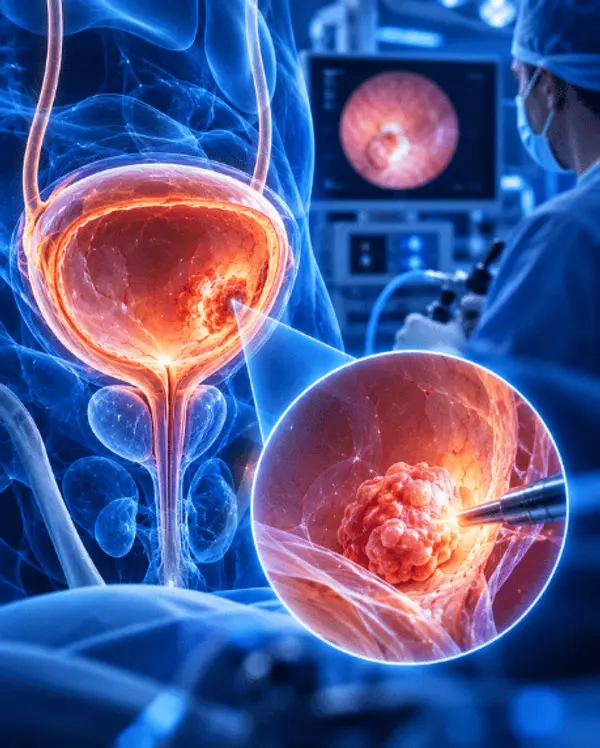
Bladder Cancer Surgery

Chirurgie du cancer du poumon
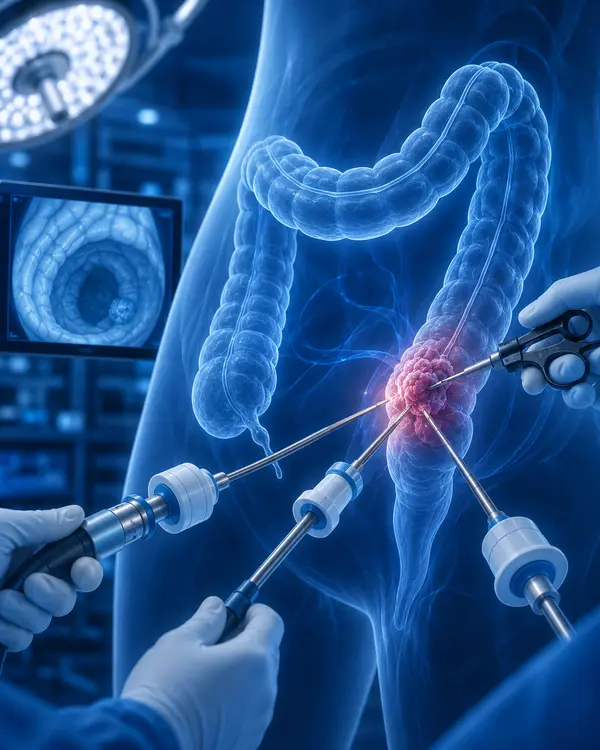
Chirurgie du cancer du côlon
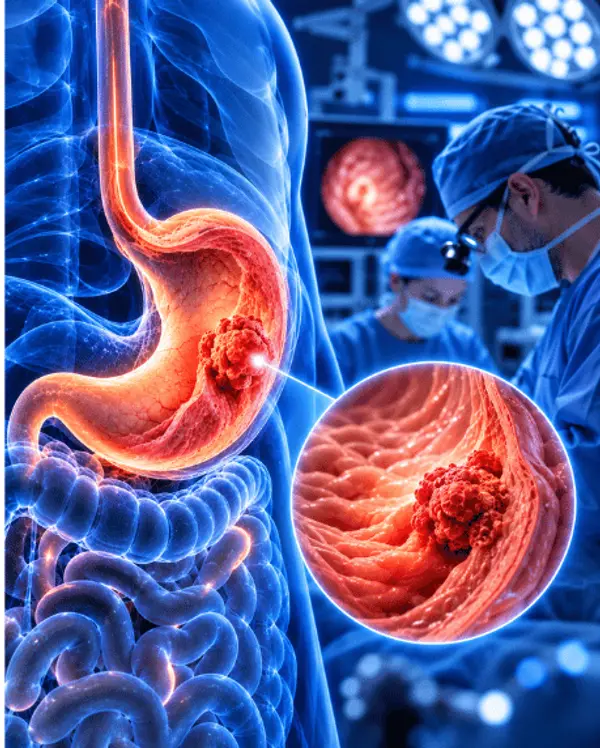
Stomach (Gastric) Cancer Surgery
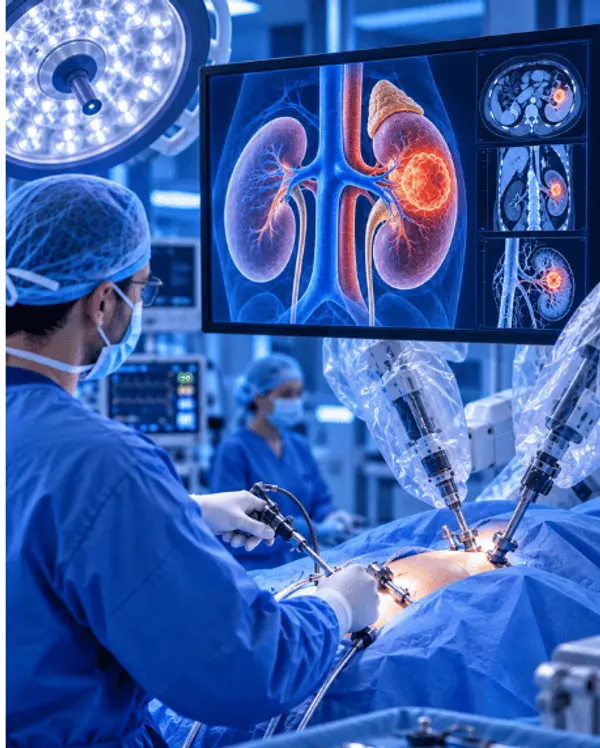
Kidney Cancer Surgery
Prix indiqués uniquement — vols et hébergement estimés séparément. Coût final confirmé dans votre devis gratuit. Taux au 2026-07-20.
Autres services proposés
Ces services sont disponibles chez ce prestataire ; les prix sont communiqués sur demande.
