
Dr. Yasser El-Debeiky
Chirurgie oncologique
Surgical Oncology and Laparoscopic Surgery Consultant
Nasr City - Le Caire
Cairo International Airport
à environ 35 km
Grand Egyptian Museum
à environ 40 km
Dr. Yasser El-Debeiky is a Surgical Oncology and Laparoscopic Surgery Consultant and Lecturer at the National Cancer Institute, Cairo University. He evaluates patients with cancer and surgical conditions and helps determine whether surgery may be appropriate as part of the overall treatment plan.
His areas of expertise include gastrointestinal cancer surgery, laparoscopic colorectal cancer surgery, pancreatic and biliary tract tumors, esophageal and gastric cancers, endocrine tumors, breast cancer surgery, and general surgery.
Dr. Yasser El-Debeiky earned his PhD in Surgical Oncology from Cairo University in 2018 and completed a Fellowship in Gastrointestinal Oncology and Laparoscopic Surgery at the University of Bordeaux, France, in 2019.
Patients can send their medical records, pathology reports, imaging, and previous treatment details to Macrocare for case review, consultation coordination, appointment scheduling, and support with the medical journey in Egypt.
Dr. Yasser El-Debeiky’s Specialties
Surgical Oncology.
Laparoscopic Cancer Surgery.
Gastrointestinal Cancer Surgery.
Colorectal Cancer Surgery.
Laparoscopic Colorectal Surgery.
Pancreatic and Biliary Tract Cancer Surgery.
Esophageal and Gastric Cancer Surgery.
Duodenal Tumor Surgery.
Endocrine Tumor Surgery.
Breast Cancer Surgery.
General Surgery.
Surgical evaluation of cancer cases requiring multidisciplinary treatment.
Colorectal Cancer Surgery
Colorectal cancer surgery involves the surgical management of cancers affecting the colon and rectum. The treatment plan depends on the tumor location, stage, size, extent of disease, and the patient's overall condition.
In selected cases, laparoscopic surgery may be considered for removal of the affected part of the colon or rectum. The surgical approach is determined after reviewing imaging, colonoscopy findings, pathology reports, and other relevant investigations.
Not every colorectal cancer patient requires the same type of surgery. Treatment may involve surgery, systemic therapy, radiation therapy, or a combination depending on the individual case.
Laparoscopic Colorectal Surgery
Laparoscopic colorectal surgery (Laparoscopic Colorectal Cancer Surgery) uses small abdominal incisions and specialized instruments to perform selected colorectal procedures.
Whether laparoscopic surgery is appropriate depends on factors such as tumor location, disease stage, previous operations, general health, and the technical requirements of the procedure.
A detailed evaluation is required before determining the appropriate surgical technique.
Pancreatic and Biliary Tract Tumor Surgery
Pancreatic tumors (Pancreatic Cancer) and biliary tract tumors require detailed assessment to determine the tumor type, location, extent, and whether surgical removal may be appropriate.
For selected tumors involving the head of the pancreas or nearby structures, a Whipple Procedure (Pancreaticoduodenectomy) may be considered when the disease is technically resectable and the patient is an appropriate surgical candidate.
Treatment decisions should be based on imaging, pathology, staging, and multidisciplinary evaluation when appropriate.
Whipple Procedure
The Whipple Procedure, also known as Pancreaticoduodenectomy, is a major operation used to treat selected tumors involving the head of the pancreas and certain nearby structures.
The procedure may involve removal of part of the pancreas, duodenum, bile duct, gallbladder, and other tissues depending on the disease.
A Whipple Procedure is not appropriate for every pancreatic tumor. The decision depends on tumor location, staging, vascular involvement, resectability, and the patient's overall medical condition.
Esophageal Cancer Surgery
Esophageal cancer (Esophageal Tumors) requires assessment of the tumor location, stage, and extent of disease before deciding on treatment.
Surgery may be considered in selected patients as part of a multidisciplinary treatment plan. Depending on the stage and characteristics of the tumor, treatment may also involve systemic therapy or radiation therapy.
Gastric and Duodenal Tumor Surgery
Gastric cancer (Stomach Cancer) and duodenal tumors require accurate diagnosis and staging before treatment decisions are made.
Surgical treatment may be considered when the tumor is potentially resectable and the patient is medically suitable for surgery. The extent of surgery depends on tumor location, size, stage, and surrounding tissue involvement.
Breast Cancer Surgery
Breast cancer surgery involves the surgical treatment of malignant breast tumors when surgery is indicated.
Depending on the tumor characteristics, treatment may involve breast-conserving surgery (Lumpectomy) or mastectomy. The appropriate approach depends on tumor size and location, disease stage, breast anatomy, pathology, and other clinical factors.
Surgery may be combined with systemic treatment, radiation therapy, or other treatments as part of an individualized breast cancer treatment plan.
Endocrine Tumor Surgery
Endocrine tumor surgery involves the surgical evaluation and management of selected tumors affecting endocrine glands.
The decision to operate depends on the type of tumor, imaging findings, hormonal activity when relevant, pathology, disease extent, and the patient's overall condition.
A careful assessment is important to determine whether surgery is necessary and what type of procedure may be appropriate.
Surgical Oncology and Laparoscopic Surgery
Surgical Oncology focuses on the surgical treatment of cancer when an operation is considered an appropriate part of the patient's treatment plan.
Laparoscopic surgery uses small incisions and specialized instruments and may be used for selected gastrointestinal and other surgical procedures.
Not every cancer patient requires surgery. Treatment depends on the type and stage of cancer, tumor location, resectability, overall health, and the recommendations of the treating multidisciplinary team.
General Surgery
Dr. Yasser El-Debeiky also evaluates general surgical cases.
The appropriate treatment may involve surgery or non-surgical management depending on the diagnosis, symptoms, clinical examination, laboratory investigations, and imaging findings.
Dr. Yasser El-Debeiky’s Treatment Approach
The evaluation of a surgical oncology patient may include:
Reviewing the patient's medical history and symptoms.
Clinical examination.
Reviewing previous imaging and medical reports.
Reviewing biopsy and pathology reports.
Determining cancer type and stage.
Assessing whether the tumor may be surgically resectable.
Evaluating whether surgery is necessary.
Selecting the appropriate surgical approach when surgery is indicated.
Considering laparoscopic surgery in suitable cases.
Coordinating with medical oncology, radiation oncology, radiology, pathology, and other specialties when required.
Dr. Yasser El-Debeiky’s Experience and Qualifications
Lecturer and Consultant of Surgical Oncology and Laparoscopic Surgery at the National Cancer Institute, Cairo University.
PhD in Surgical Oncology, Cairo University, 2018.
Fellowship in Gastrointestinal Oncology and Laparoscopic Surgery, University of Bordeaux, France, 2019.
Clinical focus on gastrointestinal cancer surgery and laparoscopic oncology surgery.
Experience in the surgical evaluation of colorectal, pancreatic, biliary, esophageal, gastric, duodenal, endocrine, and breast tumors.
Why Patients Consult Dr. Yasser El-Debeiky
Patients may consult Dr. Yasser El-Debeiky for surgical evaluation and treatment planning for conditions including:
Surgical Oncology – Gastrointestinal Cancer Surgery – Colorectal Cancer Surgery – Laparoscopic Colorectal Surgery – Pancreatic Cancer Surgery – Biliary Tract Tumors – Whipple Procedure – Gastric Cancer Surgery – Esophageal Cancer Surgery – Breast Cancer Surgery – Endocrine Tumor Surgery – Laparoscopic Surgery – General Surgery.
A surgical oncology consultation can be particularly useful when a patient needs to understand whether a tumor may be surgically removed, what type of surgery may be considered, and whether additional treatment may be required before or after surgery.
Booking an Appointment with Dr. Yasser El-Debeiky Through Macrocare
Patients searching for Dr. Yasser El-Debeiky Surgical Oncologist, Dr. Yasser El-Debeiky Gastrointestinal Cancer Surgeon, or Dr. Yasser El-Debeiky in Egypt can send their medical case to Macrocare for medical file organization, case review coordination, and appointment scheduling.
Macrocare can assist with:
Organizing medical reports and imaging.
Coordinating medical case review.
Arranging consultation and appointment scheduling with Dr. Yasser El-Debeiky.
Coordinating hospital arrangements when required.
Providing preliminary cost estimates before travel when available.
Supporting international patients with their treatment journey in Egypt when needed.
Documents Required for Cancer Case Review
Patients are encouraged to provide the available medical records, including:
Biopsy and Pathology Reports.
CT, MRI, PET/CT, or other relevant imaging reports.
Original imaging files when available.
Endoscopy or colonoscopy reports for gastrointestinal tumors.
Laboratory and tumor marker results when available.
Previous surgery reports.
Previous chemotherapy or radiation therapy records.
Current medication list.
A medical summary describing the diagnosis, symptoms, and previous treatment.
For colorectal, gastric, or esophageal cancer cases, colonoscopy or endoscopy reports, pathology results, and original imaging can be particularly useful for surgical assessment.
Does Dr. Yasser El-Debeiky Treat Colorectal Cancer?
Dr. Yasser El-Debeiky's areas of practice include colorectal cancer surgery and laparoscopic colorectal surgery in appropriate cases. The recommended surgical approach depends on tumor location, cancer stage, imaging, pathology, and the patient's overall condition.
Does Dr. Yasser El-Debeiky Perform Pancreatic Cancer Surgery?
His stated areas of practice include pancreatic and biliary tract tumor surgery. The type of surgery, if indicated, depends on the tumor location, stage, resectability, vascular involvement, and the patient's overall medical condition.
What Is the Whipple Procedure?
The Whipple Procedure, or Pancreaticoduodenectomy, is a major surgical procedure used for selected tumors involving the head of the pancreas and nearby structures.
It may involve removal of part of the pancreas, duodenum, bile duct, gallbladder, and other tissues depending on the individual case.
The procedure is not suitable for every pancreatic cancer patient and requires detailed imaging, staging, and surgical assessment.
Can Colorectal Cancer Be Treated Without Surgery?
Some colorectal cancer cases may be managed with treatments other than surgery, depending on the cancer stage, location, biology, and overall treatment plan.
For other patients, surgery may be an important part of treatment. The appropriate approach can only be determined after complete evaluation and staging.
Can Colon Cancer Surgery Be Performed Laparoscopically?
Laparoscopic colorectal surgery may be an option for selected patients with colon or rectal cancer.
The decision depends on tumor characteristics, disease stage, previous abdominal surgery, the patient's health, and the technical requirements of the operation.
What Imaging Is Needed Before Cancer Surgery?
The required investigations vary according to the cancer type and location. They may include CT, MRI, PET/CT, endoscopy, or colonoscopy when clinically indicated.
The treating surgeon determines which investigations are needed after reviewing the diagnosis and available medical records.
What Documents Are Needed for a Cancer Second Opinion?
For a surgical oncology Second Opinion, patients should ideally provide the pathology or biopsy report, imaging reports and original images, endoscopy or colonoscopy reports, previous treatment records, and relevant laboratory results.
These documents help the surgical team understand the diagnosis, stage, previous treatment, and potential treatment options.
How Can I Book an Appointment with Dr. Yasser El-Debeiky?
Patients can send their medical records and imaging to Macrocare. The Macrocare team can help organize the medical file, coordinate case review, and arrange a consultation or appointment with Dr. Yasser El-Debeiky according to availability.
Interventions
Traitements avec Dr. Yasser El-Debeiky
Les interventions proposées par ce prestataire, avec de vrais prix de départ.

Chirurgie laparoscopique

Chirurgie du cancer du sein

Bladder Cancer Surgery
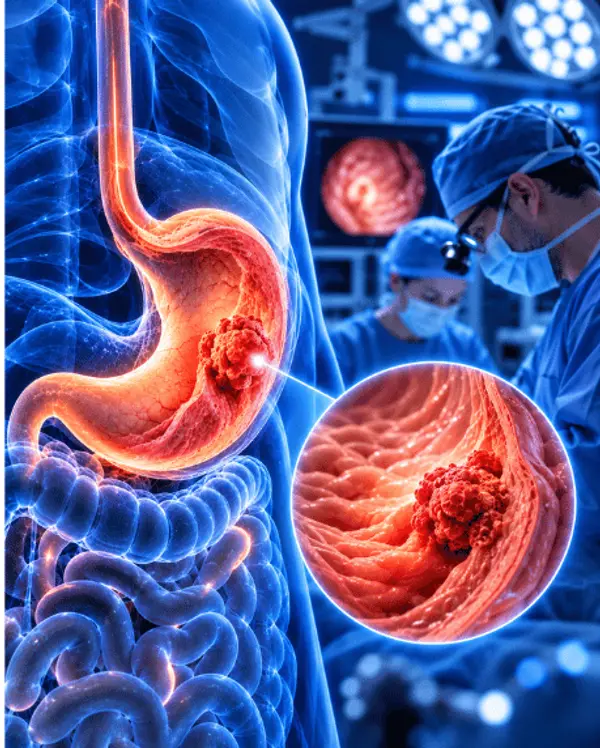
Stomach (Gastric) Cancer Surgery

Esophagectomy for esophageal cancer
Min 4 jours
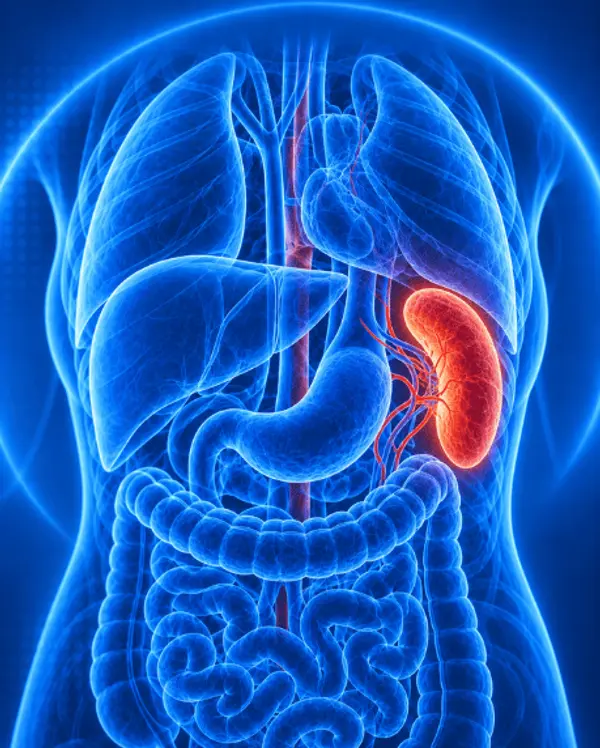
Splenectomy
Prix indiqués uniquement — vols et hébergement estimés séparément. Coût final confirmé dans votre devis gratuit. Taux au 2026-07-20.