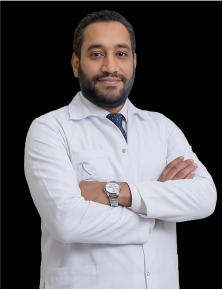
Dr. Mahmoud El Sheikh
Chirurgies urologiques
Consultant & Lecturer of Urology – Ain Shams University
New Cairo - Le Caire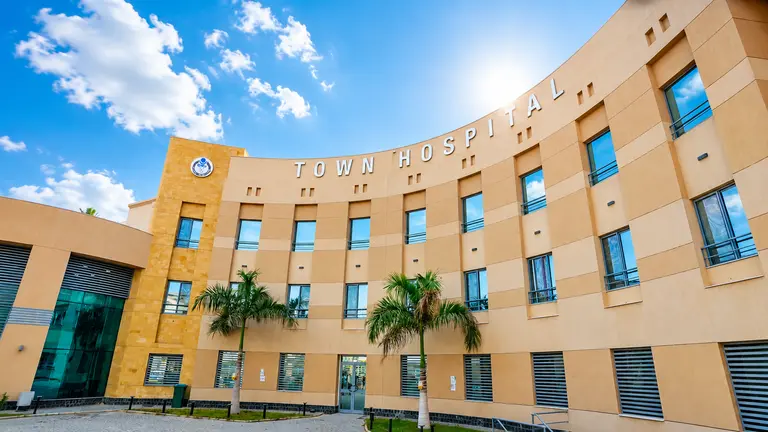
Grand Egyptian Museum
à environ 45 km
Cairo International Airport
à environ 27 km
Dr. Mahmoud El Sheikh – Consultant and Lecturer of Urology at Ain Shams University
Dr. Mahmoud El Sheikh is a Consultant and Lecturer of Urology at the Faculty of Medicine, Ain Shams University, specializing in the diagnosis and treatment of kidney, ureter, bladder, prostate, male reproductive, female urinary, and pediatric urological conditions.
Dr. Mahmoud El Sheikh has clinical and academic experience in urologic surgery, endourology, urinary stone treatment, benign prostate enlargement, urologic tumors, varicocele, male sexual and reproductive health, urinary incontinence, and reconstructive urology.
His approach is based on detailed clinical assessment, imaging, laboratory investigations, and endoscopic evaluation when needed, followed by selection of the most appropriate medical, endoscopic, laser, or surgical treatment.
Through Macrocare, patients can submit their medical reports and imaging for case review and appointment coordination with Dr. Mahmoud El Sheikh.
Dr. Mahmoud El Sheikh’s Specialties
The expertise of Dr. Mahmoud El Sheikh in urology and endourology includes:
- Urologic surgery and endourology.
- Kidney stone treatment.
- Ureteric stone treatment.
- Bladder stone treatment.
- Laser lithotripsy.
- Ureteroscopy.
- Cystoscopy.
- Benign prostatic hyperplasia treatment.
- Endoscopic prostate surgery.
- Prostate vaporization.
- Prostate enucleation in suitable cases.
- Kidney tumor treatment.
- Bladder tumor treatment.
- Prostate cancer evaluation.
- Testicular tumor evaluation.
- Urethral stricture treatment.
- Ureteric stricture treatment.
- Reconstructive urology.
- Varicocele treatment.
- Microsurgical varicocelectomy.
- Erectile dysfunction evaluation.
- Male infertility evaluation.
- Female urinary incontinence treatment.
- Pediatric nocturnal enuresis evaluation.
- Treatment of selected renal pelvis and urinary tract abnormalities.
Kidney Stone Treatment with Dr. Mahmoud El Sheikh
Kidney stones are among the most common urological conditions. Treatment depends on the size and location of the stone and its effect on urine flow and kidney function.
Dr. Mahmoud El Sheikh evaluates kidney stones using appropriate investigations and imaging to determine whether the patient requires observation, medical treatment, stone fragmentation, or endoscopic intervention.
Possible symptoms include:
- Severe flank or back pain.
- Renal colic.
- Pain radiating toward the lower abdomen or groin.
- Blood in the urine.
- Burning during urination.
- Frequent urination.
- Nausea or vomiting.
- Recurrent urinary tract infections.
When Does a Kidney Stone Need Intervention?
Not every kidney stone requires a procedure.
Intervention may be considered when the stone:
- Is large.
- Causes urinary obstruction.
- Affects kidney function.
- Causes severe or recurrent pain.
- Is associated with infection.
- Does not pass naturally.
- Causes repeated episodes of renal colic.
Dr. Mahmoud El Sheikh selects the appropriate treatment according to the size, location, and clinical impact of the stone.
Ureteric Stone Treatment
Ureteric stones may cause severe pain and obstruction of urine flow from the kidney to the bladder.
Treatment options may include:
- Medical treatment and observation.
- Stone fragmentation.
- Ureteroscopy.
- Laser lithotripsy.
- Endoscopic stone extraction.
- Ureteric stent placement when required.
Ureteroscopy with Dr. Mahmoud El Sheikh
Ureteroscopy is used to access stones and selected conditions inside the ureter without open surgery in many cases.
It may be used for:
- Ureteric stone removal.
- Laser stone fragmentation.
- Evaluation of ureteric obstruction.
- Evaluation of ureteric narrowing.
- Ureteric stent placement.
- Treatment of selected upper urinary tract conditions.
Laser Treatment for Kidney and Ureteric Stones
Laser lithotripsy can be used during endoscopic procedures to fragment selected urinary stones.
Laser energy breaks the stone into smaller pieces that can be removed or allowed to pass, depending on the type of procedure.
It may be used for:
- Ureteric stones.
- Selected kidney stones.
- Stones unlikely to pass naturally.
- Stones causing obstruction or recurrent symptoms.
Urologic Tumors with Dr. Mahmoud El Sheikh
The expertise of Dr. Mahmoud El Sheikh includes the evaluation and treatment of urologic tumors, including:
- Kidney tumors.
- Bladder tumors.
- Prostate tumors.
- Testicular tumors.
- Selected tumors involving the ureter or urinary tract.
Treatment depends on the type, location, stage, and biological behavior of the tumor, as well as the patient’s overall health.
Kidney Tumors
Kidney tumors may be discovered incidentally during imaging or may present with symptoms such as:
- Blood in the urine.
- Flank pain.
- Unexplained weight loss.
- Fatigue.
- Abdominal mass in some advanced cases.
Evaluation may include:
- Ultrasound.
- Contrast-enhanced CT.
- MRI in selected cases.
- Kidney function tests.
- Additional staging investigations when required.
Kidney Tumor Surgery
The surgical approach depends on the size and location of the tumor.
In selected patients, it may be possible to remove the tumor while preserving healthy kidney tissue. Other cases may require removal of a larger portion or the entire kidney.
Dr. Mahmoud El Sheikh develops the treatment plan after reviewing the imaging, kidney function, and individual tumor characteristics.
Bladder Tumors
Blood in the urine is one of the important symptoms that may occur with bladder tumors.
Possible symptoms include:
- Visible blood in the urine.
- Change in urine color.
- Frequent urination.
- Burning during urination.
- Symptoms that resemble urinary infection.
Painless blood in the urine should be medically evaluated to determine the cause.
Cystoscopy and Bladder Tumors
Cystoscopy allows direct examination of the bladder and urethra.
In selected bladder tumor cases, an endoscope can be used to:
- Visualize the tumor.
- Obtain a biopsy.
- Remove the tumor endoscopically.
- Send tissue for pathological examination.
The pathology result helps determine tumor type, grade, and subsequent treatment.
Prostate Cancer
Dr. Mahmoud El Sheikh evaluates patients with suspected prostate cancer.
Assessment may include:
- PSA testing.
- Clinical examination.
- Multiparametric prostate MRI, mpMRI.
- Prostate biopsy when indicated.
- Staging investigations after diagnosis.
An elevated PSA level alone does not confirm prostate cancer.
Benign Prostatic Hyperplasia with Dr. Mahmoud El Sheikh
Benign Prostatic Hyperplasia, BPH, is a common condition in men, particularly with increasing age.
An enlarged prostate can obstruct urinary flow and cause symptoms such as:
- Weak urine stream.
- Difficulty starting urination.
- Interrupted urine flow.
- Frequent urination.
- Nocturia.
- Feeling that the bladder has not emptied completely.
- Urinary urgency.
- Urinary retention in advanced cases.
Treatment of Benign Prostatic Hyperplasia
Not every patient with BPH requires surgery.
Treatment options may include:
- Observation.
- Medical treatment.
- Endoscopic prostate procedures.
- Prostate vaporization.
- Prostate enucleation in suitable cases.
- Other procedures depending on prostate size and symptoms.
Dr. Mahmoud El Sheikh determines the appropriate treatment based on prostate size, symptom severity, residual urine, and the effect of obstruction on the urinary tract.
Prostate Vaporization
Prostate vaporization is an endoscopic technique used to treat selected cases of benign prostate enlargement.
The enlarged tissue obstructing the urethra is treated endoscopically to improve urinary flow.
Suitability depends on prostate size, anatomy, associated medical conditions, and the overall clinical situation.
Prostate Enucleation
Prostate enucleation techniques may be used for selected patients with benign prostate enlargement.
During the procedure, obstructing adenomatous prostate tissue is separated and removed through an endoscopic approach.
The most suitable technique is selected according to prostate size, anatomy, clinical condition, and available technology.
Difficulty Urinating and Weak Urine Flow
Difficulty urinating may be caused by several conditions, including:
- Benign prostate enlargement.
- Urethral stricture.
- Weak bladder muscle.
- Urinary tract infection.
- Bladder stones.
- Neurological conditions.
- Certain medications.
The underlying cause should therefore be identified before treatment is selected.
Urethral Stricture
Urethral stricture is narrowing of the urethra that can reduce or obstruct urinary flow.
Possible symptoms include:
- Weak urine stream.
- Difficulty urinating.
- Straining during urination.
- Incomplete bladder emptying.
- Recurrent urinary infections.
- Urinary retention in some cases.
Dr. Mahmoud El Sheikh evaluates the location, length, and severity of the stricture before selecting treatment.
Urethral Stricture Treatment
Treatment options may include:
- Urethral dilation.
- Endoscopic treatment.
- Urethroplasty in selected cases.
- Observation in limited situations.
The choice depends on the site, length, cause of the stricture, and previous treatments.
Ureteric Stricture
Ureteric stricture can interfere with urine flow from the kidney to the bladder.
Significant obstruction may lead to:
- Flank pain.
- Hydronephrosis.
- Recurrent infections.
- Reduced kidney function in advanced cases.
Treatment depends on the cause, site, and length of the narrowing.
Reconstructive Urology
The expertise of Dr. Mahmoud El Sheikh includes selected conditions requiring reconstructive urology.
These may include:
- Urethral stricture.
- Ureteric stricture.
- Selected renal pelvis abnormalities.
- Urinary tract deformities.
- Reconstruction following previous injury or surgery.
Varicocele with Dr. Mahmoud El Sheikh
Varicocele is enlargement of the veins around the testicle and may be associated with discomfort or male infertility.
It may be discovered because of:
- Testicular pain or heaviness.
- Difference in testicular size.
- Delayed conception.
- Abnormal semen analysis.
Not every varicocele requires surgery.
Microsurgical Varicocelectomy
In appropriate cases, Microsurgical Varicocelectomy may be used to treat varicocele.
The surgical microscope helps identify veins and preserve important surrounding structures during the procedure.
The decision to operate depends on:
- Symptoms.
- Grade of varicocele.
- Semen analysis.
- Testicular function.
- Fertility goals.
Male Infertility
Dr. Mahmoud El Sheikh evaluates selected causes of male infertility.
Assessment may include:
- Medical history.
- Clinical examination.
- Semen analysis.
- Hormonal investigations when needed.
- Testicular ultrasound.
- Assessment for varicocele.
- Additional investigations according to the case.
Treatment is based on the identified underlying cause.
Erectile Dysfunction
Erectile dysfunction can have several causes, including:
- Diabetes.
- Vascular disease.
- Chronic medical conditions.
- Hormonal abnormalities.
- Certain medications.
- Psychological factors.
- Mixed causes.
Treatment begins by identifying the underlying cause and selecting the most appropriate management approach.
Female Urinary Incontinence
Dr. Mahmoud El Sheikh evaluates and treats selected cases of female urinary incontinence.
One common type is stress urinary incontinence, where urine leakage occurs during:
- Coughing.
- Sneezing.
- Laughing.
- Running.
- Lifting.
- Physical exertion.
Treatment of Female Urinary Incontinence
Treatment may include:
- Lifestyle modification.
- Pelvic floor exercises.
- Physiotherapy.
- Medication for selected types.
- Surgical or minimally invasive intervention when appropriate.
The type of urinary incontinence should be identified before treatment is selected.
Nocturnal Enuresis in Children
Nocturnal enuresis, or bedwetting, is common in children.
In many cases there is no serious underlying disease, but further evaluation may be required when there is:
- Daytime urinary incontinence.
- Recurrent urinary infection.
- Difficulty urinating.
- Severe constipation.
- Excessive thirst or urination.
- Recurrence after a prolonged dry period.
Treatment of Bedwetting in Children
Treatment may include:
- Behavioral modification.
- Scheduled urination.
- Adjustment of fluid intake.
- Treatment of constipation when present.
- Bladder training.
- Enuresis alarms in suitable cases.
- Medication when indicated.
The treatment plan depends on the child’s age, type of enuresis, and associated symptoms.
Blood in the Urine
Hematuria, or blood in the urine, should be evaluated to identify the cause.
Possible causes include:
- Kidney or ureteric stones.
- Urinary tract infection.
- Benign prostate enlargement.
- Kidney disease.
- Bladder tumors.
- Kidney or other urinary tract tumors.
- Trauma or other urological causes.
Dr. Mahmoud El Sheikh determines the appropriate investigations according to the patient’s age, symptoms, and risk factors.
Recurrent Urinary Tract Infections
Recurrent urinary tract infections may require investigation for an underlying problem such as:
- Urinary stones.
- Urinary obstruction.
- Benign prostate enlargement.
- Incomplete bladder emptying.
- Urinary tract abnormalities.
- Urethral stricture.
Treating the underlying cause is often an important part of reducing recurrence.
Dr. Mahmoud El Sheikh’s Treatment Approach
Dr. Mahmoud El Sheikh follows an individualized approach to urological diagnosis and treatment.
This includes:
- Accurate diagnosis before treatment.
- Careful review of imaging and laboratory investigations.
- Conservative treatment when appropriate.
- Endoscopic and minimally invasive techniques in suitable cases.
- Laser technology in selected urological procedures.
- Preservation of kidney and urinary tract function whenever possible.
- Individualized surgical planning.
Dr. Mahmoud El Sheikh’s Academic and Clinical Experience
Dr. Mahmoud El Sheikh is a Consultant and Lecturer of Urology at the Faculty of Medicine, Ain Shams University.
His clinical and academic experience includes urologic surgery, endourology, prostate disease, urinary stone disease, urologic tumors, male reproductive health, and reconstructive urology.
Why Do Patients Consult Dr. Mahmoud El Sheikh?
Patients may seek an evaluation with Dr. Mahmoud El Sheikh for specialized management of:
Urology – endourology – kidney stones – ureteric stones – laser lithotripsy – benign prostate enlargement – prostate laser surgery – prostate vaporization – prostate enucleation – kidney tumors – bladder tumors – prostate cancer – microsurgical varicocelectomy – erectile dysfunction – male infertility – urethral stricture – reconstructive urology – urinary incontinence – pediatric bedwetting.
Book an Appointment with Dr. Mahmoud El Sheikh Through Macrocare
If you are searching for:
Dr. Mahmoud El Sheikh urologist
Dr. Mahmoud El Sheikh kidney stone specialist
Dr. Mahmoud El Sheikh endourology
Dr. Mahmoud El Sheikh prostate specialist
Dr. Mahmoud El Sheikh varicocele surgeon
Kidney stone specialist in Egypt
Prostate laser surgeon in Egypt
Urologist at Ain Shams University
or you need a specialist opinion regarding kidney or ureteric stones, benign prostate enlargement, difficulty urinating, urinary tract tumors, varicocele, urethral stricture, urinary incontinence, or another urological condition, you can submit your case to Macrocare.
For an initial case review, patients may provide:
- Medical reports.
- Urinalysis.
- Urine culture when required.
- Kidney function tests.
- Available imaging.
- CT KUB for stone cases, if performed.
- PSA results for prostate evaluation, if available.
- Semen analysis for fertility cases, if performed.
- Previous operative reports.
- Pathology reports in tumor cases.
- Current medication list.
The Macrocare team can help organize the medical file and coordinate the appropriate consultation or appointment with Dr. Mahmoud El Sheikh.
Frequently Asked Questions About Dr. Mahmoud El Sheikh
What Is Dr. Mahmoud El Sheikh’s Specialty?
Dr. Mahmoud El Sheikh is a Consultant and Lecturer of Urology specializing in urologic surgery, endourology, kidney and ureteric stones, prostate conditions, urologic tumors, varicocele, and reconstructive urology.
Does Dr. Mahmoud El Sheikh Treat Kidney and Ureteric Stones?
Yes. The expertise of Dr. Mahmoud El Sheikh includes the diagnosis and treatment of kidney stones, ureteric stones, and urinary stone disease, including endoscopic and laser techniques in suitable cases.
Does Dr. Mahmoud El Sheikh Treat Benign Prostate Enlargement?
Yes. Dr. Mahmoud El Sheikh evaluates and treats benign prostatic hyperplasia using medical treatment or endoscopic procedures according to the patient’s condition.
Does Dr. Mahmoud El Sheikh Use Laser Techniques for Prostate Enlargement?
Selected cases of benign prostate enlargement can be treated using endoscopic techniques such as vaporization or enucleation, including laser-based procedures when clinically appropriate.
Does Dr. Mahmoud El Sheikh Treat Urologic Tumors?
Yes. His practice includes the evaluation and treatment of kidney, bladder, prostate, testicular, and other selected urinary tract tumors.
Does Dr. Mahmoud El Sheikh Treat Varicocele?
Yes. Dr. Mahmoud El Sheikh evaluates and treats varicocele, including patients with pain, abnormal semen analysis, or fertility concerns.
Does Dr. Mahmoud El Sheikh Perform Microsurgical Varicocele Surgery?
Microsurgical varicocelectomy is one of the surgical options used for selected varicocele cases after evaluation of symptoms, semen analysis, and fertility considerations.
Does Dr. Mahmoud El Sheikh Treat Urethral Stricture?
Yes. His expertise includes the evaluation and treatment of urethral stricture, using endoscopic or reconstructive techniques depending on the site, length, severity, and history of the condition.
Does Dr. Mahmoud El Sheikh Treat Female Urinary Incontinence?
Yes. His urological practice includes the evaluation and treatment of selected cases of female urinary incontinence, with treatment tailored according to the type and severity of the condition.
Does Dr. Mahmoud El Sheikh Treat Bedwetting in Children?
Yes. Dr. Mahmoud El Sheikh evaluates pediatric bedwetting and urinary symptoms to identify possible underlying causes and determine an appropriate management plan.
How Can I Book an Appointment with Dr. Mahmoud El Sheikh?
You can contact Macrocare and submit the patient’s medical reports, laboratory results, and imaging. The Macrocare team can help organize the medical file and coordinate an appropriate consultation or appointment with Dr. Mahmoud El Sheikh.
Interventions
Autres services proposés
Ces services sont disponibles chez ce prestataire ; les prix sont communiqués sur demande.