
Dr. Abdelrahman El Geizawy
Chirurgies orthopédiques
Consultant of Orthopedic Surgery - Specialist in Foot & Ankle Surgery, Adult Orthopedics & Orthopedic Reconstruction
New Cairo - Le Caire
Cairo International Airport
à environ 28 km
Grand Egyptian Museum
à environ 38 km
Dr. Abdelrahman El-Gezawy – Consultant Orthopedic Surgeon and Foot & Ankle Specialist
Dr. Abdelrahman El-Gezawy is a Consultant Orthopedic Surgeon with a special focus on Foot and Ankle Surgery, in addition to experience in adult orthopedics, orthopedic deformity correction, fractures, ligament injuries, tendon disorders, and sports-related musculoskeletal conditions.
His practice focuses on conditions that affect walking, ankle stability, foot alignment, weight distribution, chronic pain, and lower-limb function, with treatment plans tailored to each patient according to diagnosis, age, activity level, imaging findings, and functional needs.
He evaluates and treats conditions such as ankle ligament injuries, chronic ankle instability, foot and ankle fractures, flat foot, hallux valgus, ankle arthritis, Achilles tendon disorders, foot deformities, and sports injuries.
Through Macrocare, patients can submit X-rays, MRI or CT scans, previous operative reports, and medical records for case organization and appointment coordination with Dr. Abdelrahman El-Gezawy.
Dr. Abdelrahman El-Gezawy’s Areas of Expertise
His areas of expertise include:
Orthopedic Surgery.
Foot and Ankle Surgery.
Adult Orthopedics.
Orthopedic Deformity Correction.
Foot Fractures.
Ankle Fractures.
Ankle Ligament Injuries.
Chronic Ankle Instability.
Ankle Arthritis.
Foot Deformities.
Flat Foot.
Adult Acquired Flatfoot.
Hallux Valgus.
Bunions.
Achilles Tendon Disorders.
Achilles Tendon Rupture.
Foot and Ankle Tendinitis.
Sports Injuries.
Joint Injuries.
Ligament Injuries.
Tendon Injuries.
Complex Fractures.
Chronic Foot and Ankle Pain.
Foot and Ankle Surgery with Dr. Abdelrahman El-Gezawy
The foot and ankle form a complex mechanical system involving multiple bones, joints, ligaments, tendons, and muscles.
Problems in this region can directly affect:
Walking.
Standing.
Balance.
Running.
Sports participation.
Weight distribution.
Overall lower-limb mechanics.
For this reason, chronic pain or deformity should be evaluated according to the underlying cause rather than managed with pain medication alone.
Foot and Ankle Pain
Pain may result from:
Recent injury.
Previous fracture.
Ligament injury.
Tendon inflammation.
Arthritis.
Foot deformity.
Abnormal load distribution.
Sports overuse.
Biomechanical problems.
Treatment depends on identifying the true source of pain.
Ankle Ligament Injuries
Ankle Ligament Injuries are among the most common musculoskeletal injuries.
They often occur after sudden twisting of the ankle during:
Walking.
Running.
Sports.
Landing on an uneven surface.
Falls.
Symptoms may include:
Pain.
Swelling.
Bruising.
Difficulty bearing weight.
A feeling of instability.
Does Every Ankle Sprain Need Surgery?
No.
Many mild and moderate ankle sprains can be treated with:
Relative rest.
Bracing or immobilization when needed.
Medication.
Physiotherapy.
Muscle strengthening.
Balance training.
However, persistent chronic instability may require surgical evaluation.
Chronic Ankle Instability
Chronic Ankle Instability may develop after repeated ankle sprains or incomplete ligament healing.
Patients may feel that the ankle:
Gives way during walking.
Rolls repeatedly.
Feels unstable during sports.
Becomes painful after activity.
Persistent instability can eventually contribute to cartilage damage and joint degeneration.
Treatment of Chronic Ankle Instability
Management may include:
Physiotherapy.
Proprioception Training.
Muscle strengthening.
Ankle Bracing.
Activity modification.
Persistent cases that do not improve with conservative treatment may be evaluated for Ligament Repair or Reconstruction.
Ankle Fractures
Ankle Fractures range from simple stable injuries to complex fractures involving multiple parts of the joint.
Treatment depends on:
Fracture location.
Displacement.
Joint stability.
Associated ligament injury.
Patient age.
Activity level.
When Does an Ankle Fracture Need Surgery?
Surgical fixation may be considered when the fracture is:
Unstable.
Significantly displaced.
Intra-articular.
Associated with important ligament injury.
Multi-fragmentary.
The aim is to restore joint alignment and preserve ankle function as much as possible.
Foot Fractures
Foot fractures may involve:
Metatarsals.
Toes.
Midfoot.
Heel.
Stress Fractures.
Treatment varies significantly depending on the location and stability of the fracture.
Complex Foot Injuries
Some injuries affect several bones or joints and may alter:
Foot arch.
Weight distribution.
Walking pattern.
Long-term joint health.
Complex injuries therefore require careful imaging review and treatment planning.
Ankle Arthritis
Ankle Arthritis occurs when cartilage within the ankle joint becomes damaged.
Unlike knee arthritis, many cases of ankle arthritis are related to previous:
Fractures.
Major trauma.
Chronic instability.
Repeated injuries.
Symptoms of Ankle Arthritis
Symptoms may include:
Pain while walking.
Stiffness.
Swelling.
Difficulty climbing stairs.
Reduced range of motion.
Pain after prolonged standing.
Treatment of Ankle Arthritis
Treatment depends on the stage of arthritis.
Options may include:
Activity modification.
Weight reduction when appropriate.
Physiotherapy.
Orthotics.
Medication.
Injections in selected cases.
Surgical treatment for advanced arthritis or significant deformity.
Foot Deformities
Foot deformities may affect both appearance and function.
They can lead to:
Pain while walking.
Difficulty wearing shoes.
Excess pressure on certain areas.
Calluses.
Altered gait.
Hallux Valgus
Hallux Valgus, often called a Bunion, is a deformity in which the big toe shifts toward the other toes, often with a prominent bump on the inner side of the foot.
It may cause:
Pain.
Inflammation.
Shoe irritation.
Pressure on adjacent toes.
Progressive foot deformity.
When Does Hallux Valgus Need Surgery?
Surgery is not based on appearance alone.
It may be considered when the deformity causes:
Persistent pain.
Walking difficulty.
Shoe problems.
Progressive deformity.
Pressure on adjacent toes.
The surgical technique depends on the type and severity of the deformity.
Flat Foot
Flat Foot refers to reduction or collapse of the normal arch of the foot.
It may be painless or may cause:
Foot pain.
Ankle pain.
Fatigue with walking.
Heel malalignment.
Difficulty standing for long periods.
Adult Acquired Flatfoot
Adult Acquired Flatfoot can develop when supporting structures, particularly tendons, become weak or dysfunctional.
Assessment may include:
Flexibility of the deformity.
Heel position.
Tendon function.
Presence of arthritis.
Severity of the collapse.
Treatment of Flat Foot
Treatment may include:
Orthotics.
Shoe modification.
Physiotherapy.
Muscle strengthening.
Anti-inflammatory treatment.
Surgery in advanced or painful cases that do not respond to conservative treatment.
Achilles Tendon Disorders
The Achilles Tendon is one of the strongest tendons in the body and connects the calf muscles to the heel.
It may develop:
Tendinitis.
Tendinopathy.
Partial Tear.
Complete Rupture.
Achilles Tendinitis
Symptoms may include:
Pain behind the ankle.
Morning stiffness.
Pain during running.
Swelling around the tendon.
Difficulty with sports.
Treatment depends on the type and duration of the problem.
Achilles Tendon Rupture
Achilles Tendon Rupture may occur suddenly during sports or forceful movement.
Patients may experience:
A sudden snapping sensation.
Acute pain behind the lower leg.
Difficulty walking.
Inability to stand on tiptoe.
Early assessment is important to determine the most appropriate treatment.
Foot and Ankle Tendinitis
Different tendons around the foot and ankle may become inflamed or degenerate because of:
Overuse.
Foot deformity.
Sports injury.
Abnormal mechanical load.
Inappropriate footwear.
Treatment depends on the tendon involved and the underlying cause.
Sports Injuries of the Foot and Ankle
Common sports-related conditions include:
Ankle Sprains.
Tendon Injuries.
Stress Fractures.
Ligament Injuries.
Cartilage Injuries.
Recurrent Ankle Instability.
The goal is not only pain relief, but restoration of stability, strength, and safe return to activity.
Return to Sports After Injury
Return to sport depends on:
Injury healing.
Range of motion.
Muscle strength.
Joint stability.
Ability to perform sport-specific movements without pain.
Returning too early may increase the risk of re-injury.
Osteochondral Lesions of the Ankle
Osteochondral Lesions may develop after significant ankle sprains or trauma.
They can cause:
Deep joint pain.
Swelling.
Clicking.
Persistent symptoms despite ligament treatment.
MRI may be required to evaluate the cartilage and underlying bone.
Orthopedic Deformity Correction
In addition to Foot and Ankle Surgery, Dr. Abdelrahman El-Gezawy evaluates musculoskeletal deformities affecting:
Alignment.
Weight distribution.
Joint mechanics.
Gait.
Treatment depends on the cause, severity, and functional impact.
Adult Orthopedic Surgery
His practice also includes the assessment and treatment of:
Fractures.
Sports injuries.
Joint injuries.
Ligament injuries.
Tendon disorders.
Joint degeneration.
Complex orthopedic injuries in adults.
Complex Fractures
Some fractures require more detailed planning when they are:
Multi-fragmentary.
Intra-articular.
Associated with soft-tissue injury.
Poorly healed.
Malunited.
Persistent Pain After an Old Fracture
Pain may persist after fracture healing because of:
Malunion.
Post-Traumatic Arthritis.
Residual deformity.
Cartilage injury.
Joint stiffness.
Muscle weakness.
The underlying cause should be identified before considering further treatment.
Conservative Treatment vs Surgery
Not every orthopedic condition requires surgery.
Non-surgical options may include:
Physiotherapy.
Activity modification.
Orthotics.
Bracing.
Medication.
Weight reduction.
Shoe modification.
Injections in selected cases.
Surgery is considered when conservative treatment does not provide adequate improvement or when the nature of the injury requires operative treatment.
Imaging Used in Foot and Ankle Assessment
Investigations may include:
Weight-Bearing X-rays.
CT.
MRI.
Ultrasound.
The appropriate test depends on the suspected diagnosis.
Importance of Weight-Bearing X-rays
In many foot deformities, Weight-Bearing X-rays are particularly useful because they show alignment while the foot is carrying body weight.
This can provide more useful information than non-weight-bearing imaging alone.
MRI of the Foot and Ankle
MRI may help evaluate:
Ligaments.
Tendons.
Cartilage.
Occult bone injuries.
Osteochondral Lesions.
Causes of chronic pain.
CT of the Foot and Ankle
CT may be useful for:
Complex fractures.
Detailed joint assessment.
Preoperative planning.
Evaluation of fracture healing.
Diagnostic Approach of Dr. Abdelrahman El-Gezawy
Assessment may include:
Detailed medical history.
Pain location.
Mechanism of injury.
Clinical examination.
Gait assessment.
Joint range of motion.
Ligament stability.
Foot alignment under load.
Appropriate imaging.
A treatment plan is then designed according to the patient’s diagnosis, activity level, and functional goals.
Rehabilitation After Foot and Ankle Surgery
Rehabilitation is an important part of treatment.
It may include:
Swelling control.
Protection of the surgical repair.
Gradual Weight Bearing.
Range-of-Motion Exercises.
Strengthening.
Balance Training.
Gait Training.
The rehabilitation protocol depends on the procedure performed.
When Should a Patient See a Foot and Ankle Specialist?
Specialist assessment may be appropriate for:
Persistent foot pain.
Chronic ankle pain.
Recurrent ankle sprains.
Chronic instability.
Foot deformity.
Hallux Valgus.
Painful Flat Foot.
Achilles Tendon Injury.
Complex fracture.
Persistent pain after a previous fracture.
Ankle arthritis.
Sports injury that does not improve.
Dr. Abdelrahman El-Gezawy’s Treatment Approach
Dr. Abdelrahman El-Gezawy develops an individualized treatment plan based on:
Diagnosis.
Age.
Activity level.
Occupation.
Severity of pain.
Degree of deformity.
Imaging findings.
Patient expectations.
The aim is to achieve the best possible balance between pain reduction, restoration of movement, improved stability, and preservation of foot and ankle function.
Qualifications and Experience
Dr. Abdelrahman El-Gezawy is:
Consultant Orthopedic Surgeon.
Specialized in Foot and Ankle Surgery.
Experienced in orthopedic deformity correction.
Experienced in Adult Orthopedics.
Experienced in joint, ligament, and tendon injuries.
Experienced in fracture and sports injury management.
Focused on both surgical and non-surgical treatment planning according to patient needs.
Why Do Patients Consult Dr. Abdelrahman El-Gezawy?
Patients may seek an evaluation with Dr. Abdelrahman El-Gezawy for:
Foot and Ankle Surgery – Ankle Pain – Chronic Ankle Instability – Ligament Injuries – Foot and Ankle Fractures – Hallux Valgus – Flat Foot – Ankle Arthritis – Achilles Tendon Disorders – Sports Injuries – Foot Deformities – Adult Orthopedics.
Book an Appointment with Dr. Abdelrahman El-Gezawy Through Macrocare
If you are searching for:
Dr. Abdelrahman El-Gezawy
Abdelrahman El-Gezawy Orthopedic Surgeon
Foot and Ankle Surgeon Egypt
Foot Surgeon Egypt
Ankle Surgeon Egypt
Hallux Valgus Surgeon Egypt
Flat Foot Specialist Egypt
Ankle Ligament Surgeon Egypt
Ankle Arthritis Specialist Egypt
Achilles Tendon Surgeon Egypt
Foot and Ankle Fracture Surgeon Egypt
you can submit the case through Macrocare for medical file organization and appointment coordination with Dr. Abdelrahman El-Gezawy.
What Should Patients Send for a Foot or Ankle Evaluation?
It is useful to provide:
Description of symptoms.
Duration of the problem.
Location of pain.
Injury history if relevant.
X-rays.
MRI or CT if performed.
Previous operative reports.
Standing photographs in deformity cases.
Current medication list.
What Should Patients Send for Hallux Valgus Evaluation?
Useful information includes:
Standing photographs of the feet.
Weight-Bearing X-rays.
Duration of the deformity.
Severity of pain.
Difficulty wearing shoes.
Previous treatment.
What Should Patients Send for Flat Foot Evaluation?
It is useful to provide:
Front, side, and rear standing photographs.
Weight-Bearing X-rays if available.
Location of pain.
Duration of symptoms.
Previous orthotics or footwear modifications.
What Should Patients Send for Ankle Ligament Injury?
Useful information includes:
Date of injury.
Number of previous ankle sprains.
X-ray.
MRI if performed.
Presence of swelling or instability.
Previous physiotherapy.
What Should Patients Send for an Achilles Tendon Problem?
It is useful to provide:
Date of symptom onset or injury.
Ultrasound or MRI if available.
Sports activity level.
Whether the patient can stand on tiptoe.
Previous treatment.
Frequently Asked Questions About Dr. Abdelrahman El-Gezawy
What Is Dr. Abdelrahman El-Gezawy’s Specialty?
Dr. Abdelrahman El-Gezawy is a Consultant Orthopedic Surgeon with a special focus on Foot and Ankle Surgery, in addition to Adult Orthopedics and orthopedic deformity correction.
Does He Treat Ankle Ligament Injuries?
Yes. His practice includes assessment and treatment of ligament injuries and chronic ankle instability using conservative or surgical management depending on the case.
Does He Treat Hallux Valgus?
Yes. Hallux Valgus can be assessed to determine whether conservative treatment or surgical correction is appropriate.
Does He Treat Flat Foot?
Yes. Flat Foot can be evaluated according to the cause, severity, flexibility, and impact on walking.
Does He Treat Ankle Arthritis?
Yes. Treatment depends on arthritis severity, deformity, pain level, and functional limitation.
Does He Treat Achilles Tendon Injuries?
Yes. His Foot and Ankle practice includes Achilles tendinopathy, partial tears, and complete rupture assessment.
Does Every Ankle Fracture Need Surgery?
No. Some stable fractures can be treated without surgery, while unstable or displaced fractures may require fixation.
Does He Treat Sports Injuries?
Yes. His practice includes ligament, tendon, fracture, and sports-related Foot and Ankle injuries.
Can Patients Request a Second Opinion Before Foot or Ankle Surgery?
Yes. Imaging, medical reports, and the proposed surgical plan can be submitted through Macrocare for case review and appointment coordination.
Can He Evaluate a Patient After Previous Surgery?
Yes. Previous operative reports, imaging, and current symptoms can be reviewed to identify the reason for persistent pain or dysfunction.
Can International Patients Be Evaluated Before Traveling to Egypt?
Yes. Medical records and imaging can be submitted through Macrocare before travel for case organization and consultation coordination.
How Can I Book with Dr. Abdelrahman El-Gezawy?
Patients can submit X-rays, MRI or CT scans, medical reports, previous operative records, and a description of current symptoms to Macrocare, which can coordinate the appropriate appointment with Dr. Abdelrahman El-Gezawy.
Traitements avec Dr. Abdelrahman El Geizawy
Les interventions proposées par ce prestataire, avec de vrais prix de départ.
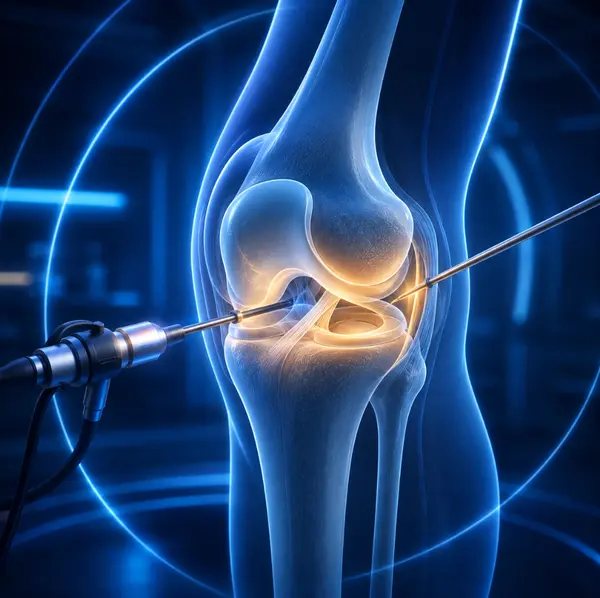
Chirurgie arthroscopique du genou
Min 1 jours
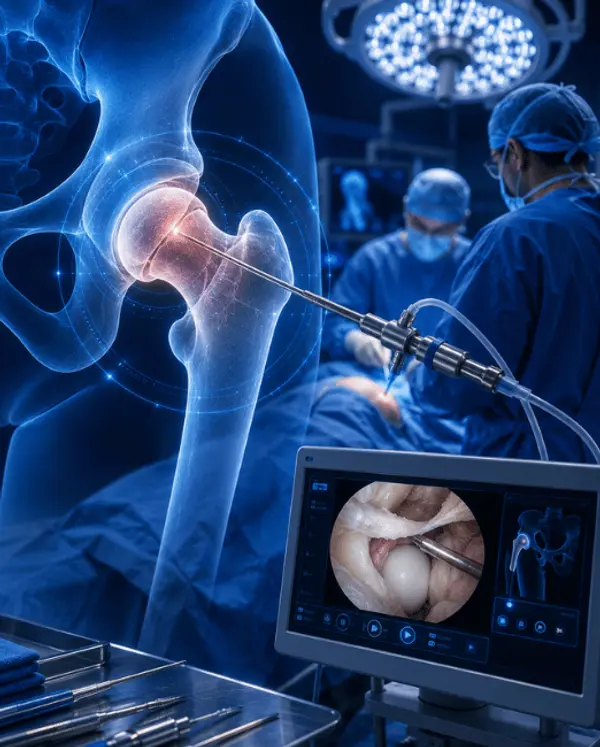
Arthroscopie de la hanche
Min 3 jours

Chirurgie de reconstruction du LCA
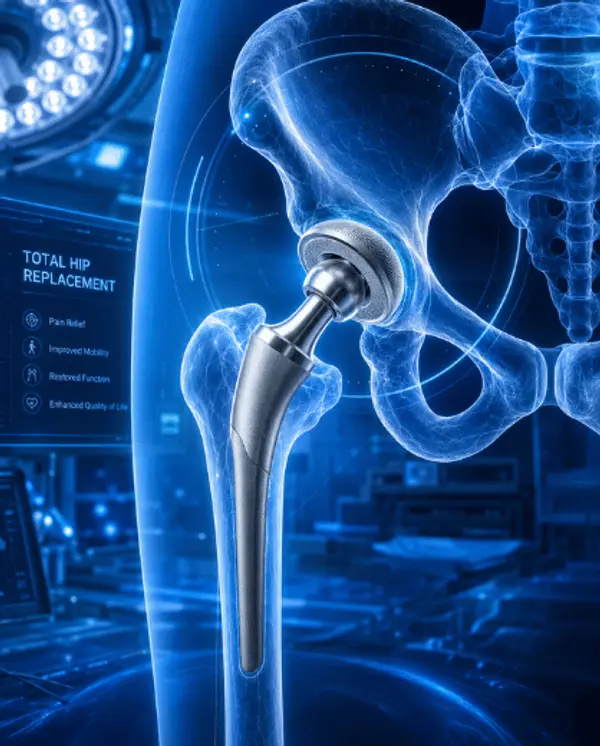
Prothèse totale de hanche

Chirurgie de transfert tendineux
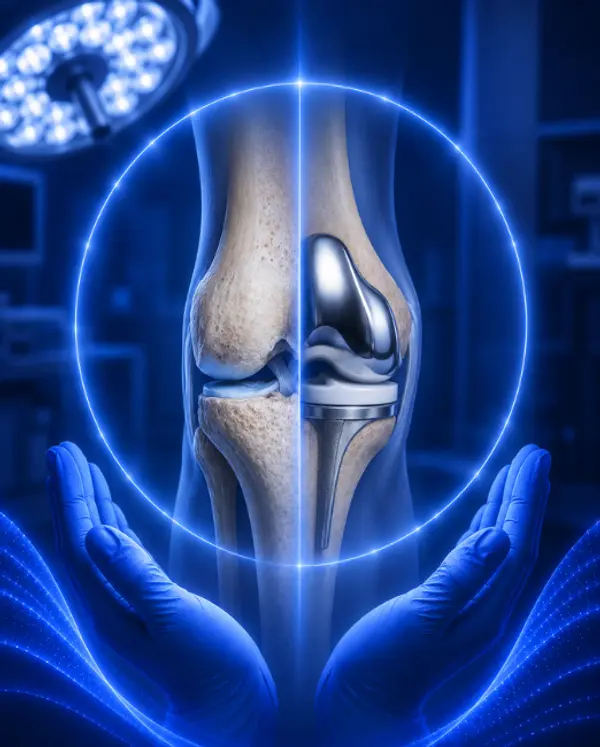
Prothèse totale du genou
Prix indiqués uniquement — vols et hébergement estimés séparément. Coût final confirmé dans votre devis gratuit. Taux au 2026-07-20.