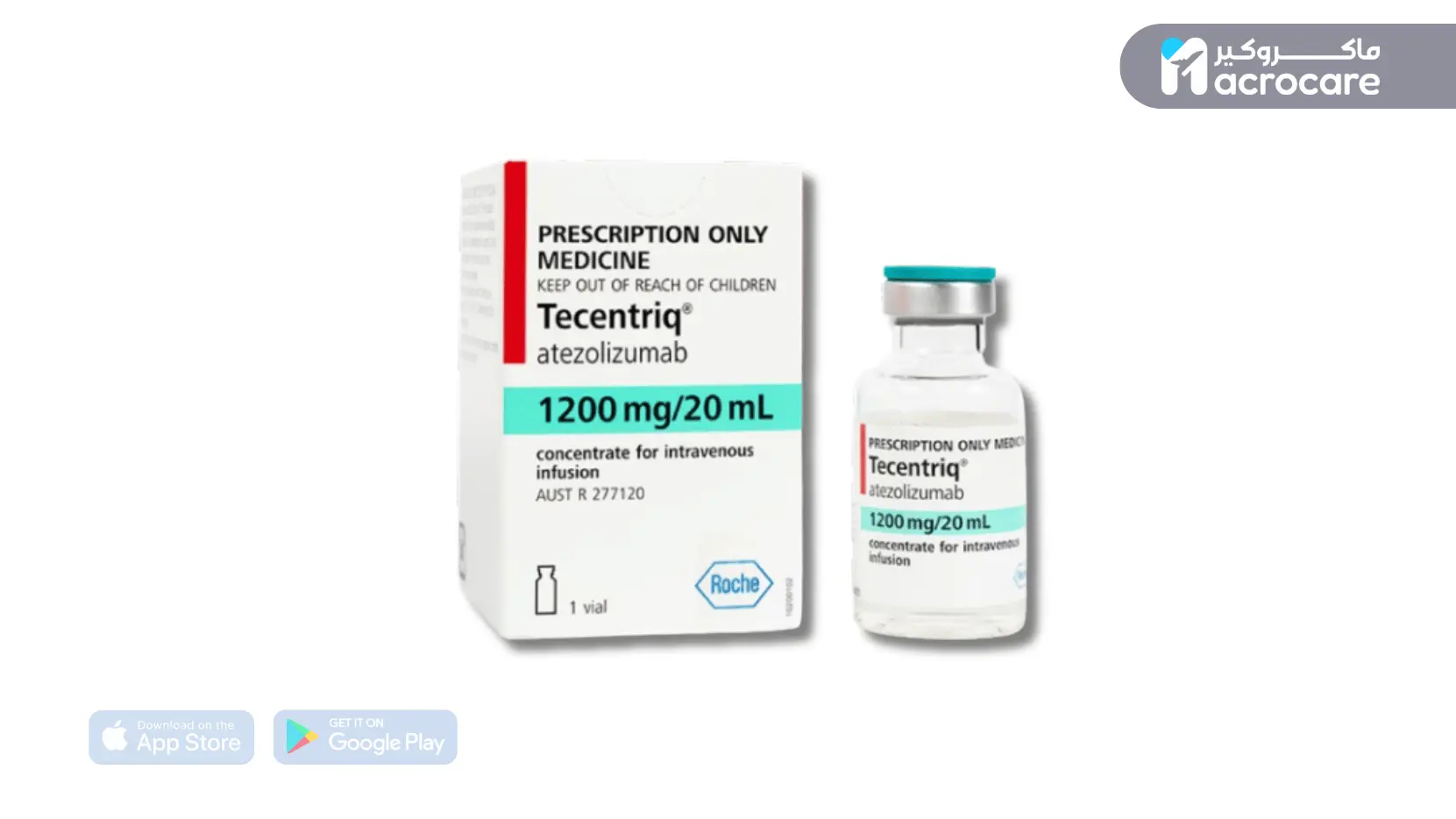
Venclexta (Venetoclax) is a targeted therapy used in the treatment of certain blood cancers. It works by promoting the natural death of cancer cells to help control disease progression.
What is Venclexta (Venetoclax)?
Venclexta belongs to a class of medications known as BCL-2 inhibitors.
Some blood cancers rely on the BCL-2 protein to survive and avoid natural cell death. Venclexta works by:
- Blocking the BCL-2 protein
- Triggering cancer cell death (apoptosis)
- Reducing abnormal cell populations
- Helping improve disease control
In simple terms:
It helps cancer cells undergo their natural death process.
Indications
Venclexta (Venetoclax) is used in:
- Chronic Lymphocytic Leukemia (CLL)
- Certain cases of Acute Myeloid Leukemia (AML)
- Other blood disorders according to treatment protocols
Dosage and Administration
- Dose varies according to the condition and treatment plan
- Taken orally
- Gradual dose escalation may be required in some cases
- Should be taken exactly as prescribed
- May be used alone or in combination with other therapies
Common Side Effects
May include:
- Low blood cell counts
- Nausea or diarrhea
- Fatigue
- Infections
- Muscle or joint pain
Rarely: Tumor Lysis Syndrome (TLS) may occur, especially during treatment initiation, requiring close monitoring.
Monitoring During Treatment
Patients on Venclexta (Venetoclax) require:
- Regular complete blood count (CBC) monitoring
- Kidney and liver function tests
- Monitoring for Tumor Lysis Syndrome
- Assessment of treatment response
Availability & How to Access Treatment
Venclexta (Venetoclax) is available through Macrocare’s approved partners.
You can now request and access the medication easily through us.
WhatsApp contact for medication requests:
Click here
Venclexta (Venetoclax) Venclexta (Venetoclax) 100 mg is a targeted therapy for blood cancers that works by inhibiting BCL-2 and promoting cancer cell death to improve disease control.
Medical Disclaimer:
This content is for educational purposes only and does not replace professional medical advice. Treatment decisions should always be made by a qualified physician.