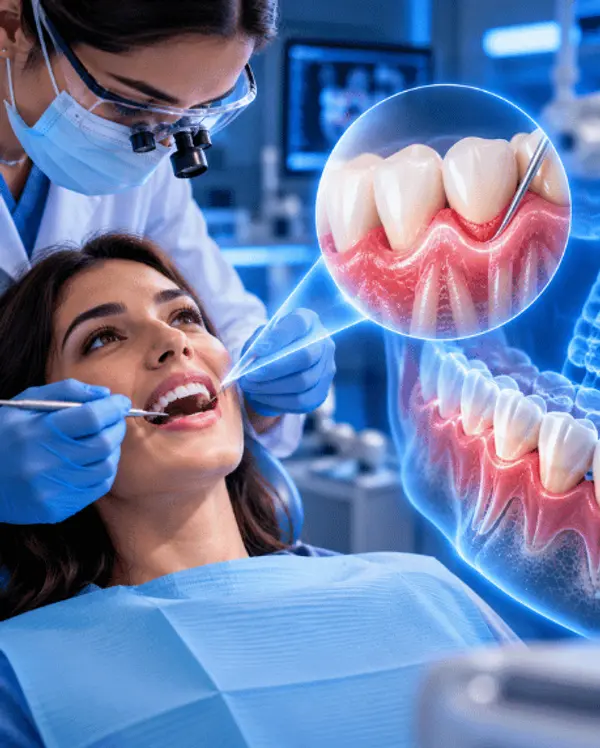
The dentist evaluates the affected tooth through:
Oral examination
Assessment of symptoms and dental history
Examination for visible decay or damage
Dental X-rays when needed
Evaluation of the bite and surrounding teeth
During a filling procedure:
The tooth is examined and local anesthesia may be administered.
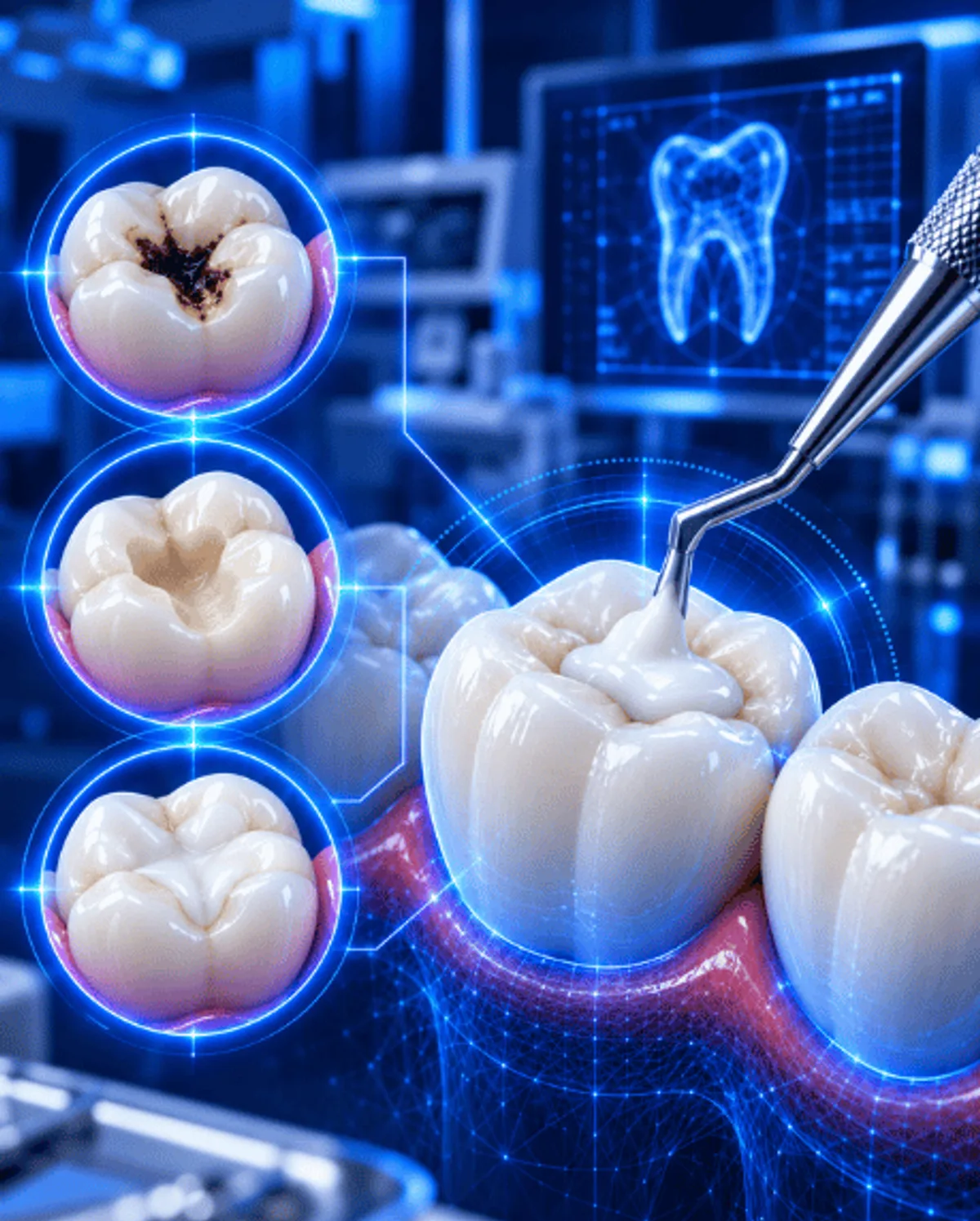
The dentist removes the decayed or damaged tooth structure.
The area is cleaned and prepared.
The selected filling material is placed and shaped.
The filling is adjusted to ensure a comfortable bite.
The restoration is polished when appropriate.
The procedure and materials used depend on the extent and location of the tooth damage.
Benefits of Dental Fillings
Dental fillings may help:
Remove and replace decayed tooth structure
Restore the tooth's shape and function
Improve chewing ability
Protect remaining healthy tooth structure
Reduce sensitivity caused by exposed or damaged areas
Prevent further progression of localized decay when treated appropriately
Restore the appearance of damaged teeth with tooth-colored materials
Early treatment can help preserve more of the natural tooth structure.
Recovery & Follow-Up
Dental fillings are usually performed as an outpatient treatment, and most patients can return to their normal activities afterward.
Temporary sensitivity or mild discomfort may occur after the procedure, particularly when deeper decay has been treated. Local anesthesia may cause temporary numbness of the lips, tongue, or cheek.
Patients should avoid chewing until normal sensation returns to reduce the risk of accidentally biting the cheek or tongue.
If sensitivity persists, pain increases, or the filling feels too high when biting, a follow-up dental examination may be required.
Is Dental Filling Treatment Suitable for Everyone?
Dental fillings are suitable for many cases of localized tooth decay or damage, but they are not appropriate for every damaged tooth.
The recommended treatment depends on:
Size and depth of the cavity
Amount of remaining healthy tooth structure
Location of the affected tooth
Presence of infection
Condition of the dental pulp or nerve
Previous restorations
Bite and chewing forces
Overall oral health
Deep decay affecting the dental pulp may require root canal treatment rather than a simple filling, while extensively damaged teeth may require a crown or another type of restoration.