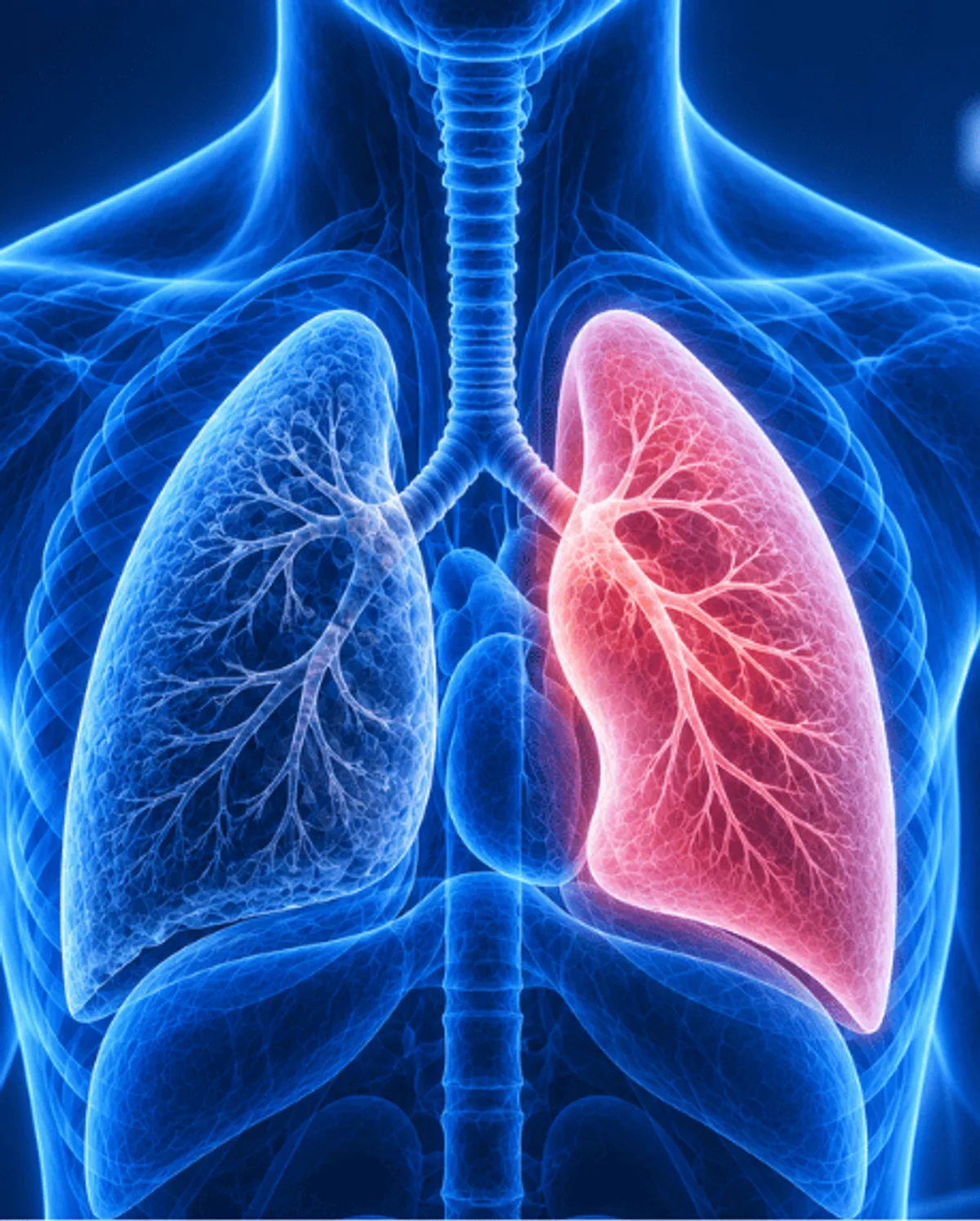
Before Lung Transplantation, the patient undergoes a comprehensive assessment at a specialized transplant center. Evaluation may include lung function tests, chest imaging, blood tests, heart assessment, infection screening, and other investigations to determine the severity of lung disease and overall suitability for transplantation.
When appropriate, the patient may be placed on a transplant waiting list according to the applicable medical and allocation criteria.
During the transplant procedure, the surgeon removes the diseased lung or lungs and connects the donor lung or lungs to the patient's airway and blood vessels. A single or bilateral lung transplant may be performed depending on the patient's condition.
After surgery, close monitoring is required. Patients take immunosuppressive medications to reduce the risk of rejection and receive regular follow-up to monitor lung function, infections, medication effects, and other potential complications.
Benefits of Lung Transplantation
For carefully selected patients, Lung Transplantation may:
Improve breathing and lung function
Increase the ability to perform daily activities
Reduce symptoms caused by advanced lung disease
Improve overall quality of life
Reduce dependence on supplemental oxygen in appropriate cases
Provide a treatment option when other therapies are no longer effective
Recovery After Lung Transplant
Recovery after a Lung Transplant is a long-term process. Patients typically require an initial period of close medical monitoring followed by regular outpatient follow-up and pulmonary rehabilitation.
Immunosuppressive medications must generally be taken lifelong, and patients need ongoing monitoring for rejection, infections, and other complications. Recovery and long-term outcomes vary depending on the underlying disease, transplant type, overall health, and response to treatment.
Is Lung Transplantation Suitable for Everyone?
Lung Transplantation is not suitable for every patient with severe lung disease. Eligibility depends on factors such as the severity and progression of the lung condition, overall health, other medical conditions, previous treatments, and the ability to safely undergo transplantation and long-term follow-up.
A specialized lung transplant team must perform a comprehensive evaluation before determining whether a patient is an appropriate candidate for transplantation.