
Prof. Dr. Ayman Mansour
Cirugías ortopédicas
Consultant in Orthopedic, Hand, and Upper Limb Surgery, and Microsurgery
New Cairo - El Cairo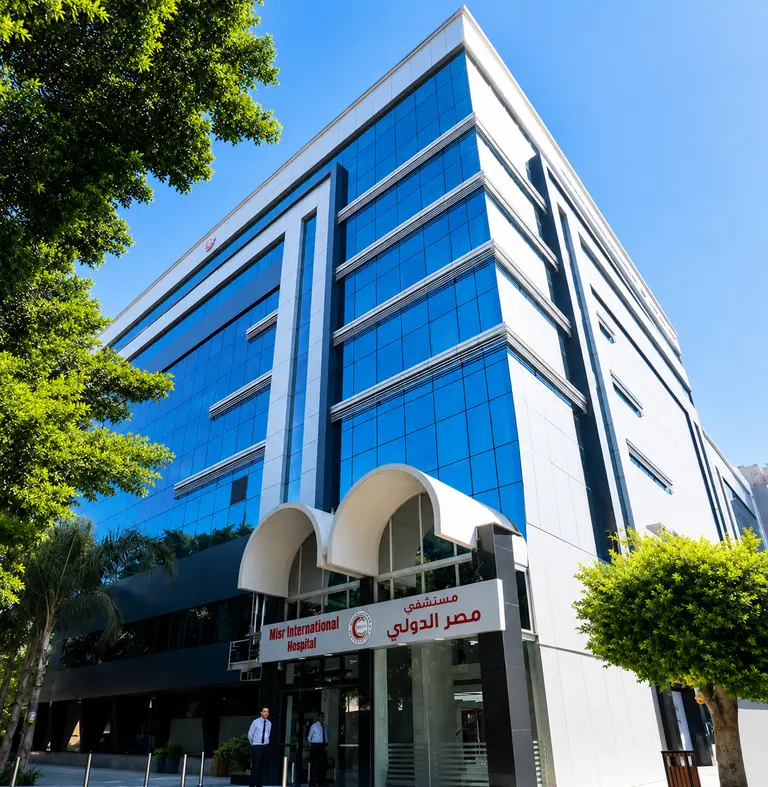
Cairo International Airport
a unos 15 km de distancia
Sphinx International Airport
a unos 15 km de distancia
Grand Egyptian Museum
a unos 15 km de distancia
Prof. Dr. Ayman Mansour is an Assistant Professor of Orthopedic Surgery at Kasr Al Ainy Faculty of Medicine, Cairo University, and a Consultant in Orthopedic Surgery, Hand and Upper Limb Surgery, and Microsurgery.
His areas of specialization include conditions affecting the bones, joints, muscles, tendons, nerves, and blood vessels of the upper limb, including the hand, wrist, forearm, elbow, and shoulder.
Hand and upper limb conditions require careful assessment because they can affect movement, sensation, grip strength, and the ability to perform everyday activities. These conditions may include fractures, tendon injuries, nerve compression, peripheral nerve injuries, and other musculoskeletal problems.
Microsurgical techniques may be used in selected cases that require precise treatment of small structures such as nerves and blood vessels. The appropriate treatment approach depends on the diagnosis, severity of the condition, and its impact on upper limb function.
Patients can submit their medical reports and imaging through Macrocare to help organize their medical records and coordinate a consultation with Prof. Dr. Ayman Mansour.
Specialties of Prof. Dr. Ayman Mansour
Prof. Dr. Ayman Mansour's areas of specialization include:
Orthopedic surgery
Hand surgery
Upper limb surgery
Wrist, forearm, elbow, and shoulder conditions
Microsurgery
Hand and upper limb injuries
Peripheral nerve conditions
Tendon, nerve, and blood vessel injuries
Hand and wrist fractures
Upper limb fractures
Joint and movement disorders affecting the upper limb
Hand Surgery
Hand surgery focuses on diagnosing and treating conditions affecting the bones, joints, tendons, ligaments, and nerves of the hand and wrist.
Symptoms that may require specialist assessment include hand pain, swelling, numbness, reduced grip strength, difficulty moving the fingers, stiffness, and deformities following injuries.
Diagnosis usually involves a clinical examination and may require X-rays, MRI, ultrasound, or nerve conduction studies depending on the suspected condition.
Treatment options vary and may include medication, splinting, physical therapy, injections, or surgery according to the diagnosis and its impact on hand function.
Carpal Tunnel Syndrome
Carpal Tunnel Syndrome occurs when the median nerve becomes compressed as it passes through a narrow passage in the wrist called the carpal tunnel.
Common symptoms include:
Numbness or tingling in the thumb, index, and middle fingers.
Pain in the hand or wrist, sometimes extending into the arm.
Symptoms that become more noticeable at night.
Reduced grip strength.
Difficulty holding objects in advanced cases.
Diagnosis is based on clinical assessment and may include nerve conduction studies and electromyography (EMG) to evaluate nerve function.
Treatment may include wrist splinting, activity modification, medication, or selected injections. Carpal tunnel release surgery may be considered when symptoms are persistent, severe, or associated with significant nerve dysfunction or weakness.
Hand and Upper Limb Nerve Injuries
Peripheral nerves may be injured by cuts, accidents, fractures, or prolonged compression.
Symptoms depend on the affected nerve and the location of the injury. They may include:
Reduced or lost sensation.
Numbness and tingling.
Muscle weakness.
Difficulty moving certain fingers.
Reduced grip strength.
Neuropathic pain or burning sensations.
Assessment may include a neurological examination, nerve conduction studies, EMG, ultrasound, or MRI when appropriate.
Treatment depends on the type, severity, and duration of the injury. Options may include observation and rehabilitation, nerve decompression, or surgical nerve repair in selected cases.
Hand Tendon Injuries
Tendons connect muscles to bones and allow the fingers and wrist to move. They may become cut or torn following injuries, wounds, or accidents.
Tendon injuries can cause difficulty bending or straightening a finger, reduced movement, pain, and swelling.
Diagnosis is based on clinical examination and may involve ultrasound or MRI when necessary.
Treatment depends on the affected tendon, the extent of the injury, and its location. Options may include splinting, rehabilitation, or surgical tendon repair when indicated. Rehabilitation after treatment is important for restoring movement and hand function.
Trigger Finger
Trigger Finger is a condition in which a finger tendon has difficulty gliding smoothly through its surrounding sheath.
Common symptoms include:
Pain at the base of the affected finger.
Clicking or popping during movement.
Catching or locking when bending or straightening the finger.
Difficulty fully extending the finger, particularly in the morning.
The finger remaining locked in a bent position in some cases.
Treatment may include activity modification, splinting, medication, or local injections. A surgical procedure to release the tendon may be considered when conservative treatment does not provide adequate improvement or symptoms significantly affect hand function.
Hand and Wrist Fractures
Hand and wrist fractures can occur following falls, sports injuries, workplace accidents, or direct trauma.
Symptoms may include pain, swelling, bruising, and difficulty moving the fingers or using the hand.
Assessment usually involves clinical examination and X-rays. CT scans may be required for certain complex fractures.
Some fractures can be managed with splinting or casting. Unstable fractures, displaced fractures, or injuries involving joint surfaces may require surgical fixation depending on the nature of the injury.
Upper Limb Injuries
Upper limb injuries can affect the shoulder, elbow, forearm, wrist, and hand. They may involve fractures, dislocations, ligament injuries, tendon injuries, or nerve damage.
Symptoms vary according to the affected area and may include pain, swelling, deformity, restricted movement, or reduced sensation.
Treatment depends on the type and severity of the injury and may range from immobilization and rehabilitation to surgery in selected cases.
Microsurgery for Hand and Nerve Conditions
Microsurgery uses an operating microscope and specialized instruments to treat small anatomical structures that require a high level of precision.
In selected cases, microsurgical techniques may be used for:
Peripheral nerve repair.
Small blood vessel repair.
Complex hand injury management.
Reconnection of injured anatomical structures.
Selected reconstructive procedures.
The decision to use microsurgery depends on the nature and location of the injury and the extent of damage to nerves, blood vessels, and surrounding tissues.
Treatment Approach of Prof. Dr. Ayman Mansour
The assessment of orthopedic, hand, and upper limb conditions begins with identifying the underlying problem and determining how it affects movement, sensation, and daily function.
The evaluation may include:
Reviewing the patient's medical history and injury details.
Performing a detailed clinical examination.
Assessing joint movement, muscle strength, and sensation.
Reviewing available imaging and diagnostic tests.
Evaluating possible nerve, tendon, or blood vessel involvement.
Considering non-surgical treatment when appropriate.
Determining whether surgery is necessary based on the individual condition.
Planning rehabilitation and follow-up to support functional recovery.
The treatment plan is individualized according to the diagnosis, severity of the condition, and the patient's functional needs.
Experience of Prof. Dr. Ayman Mansour
Prof. Dr. Ayman Mansour holds the following academic and professional positions:
Assistant Professor of Orthopedic Surgery, Kasr Al Ainy Faculty of Medicine, Cairo University.
Consultant in Orthopedic Surgery.
Consultant in Hand and Upper Limb Surgery.
Consultant in Microsurgery.
Why Do Patients Consult Prof. Dr. Ayman Mansour?
Patients may seek consultation with Prof. Dr. Ayman Mansour for conditions affecting the hand, wrist, and upper limb, or for specialist assessment of nerve injuries, tendon injuries, and fractures.
Key areas related to his specialty include:
Hand Surgery – Upper Limb Surgery – Microsurgery – Carpal Tunnel Syndrome – Hand Nerve Injuries – Tendon Injuries – Trigger Finger – Hand Fractures – Wrist Fractures – Elbow Injuries – Shoulder Injuries – Peripheral Nerve Surgery.
A specialist assessment can help determine the nature of the condition and whether conservative treatment or surgical intervention may be appropriate.
Booking a Consultation with Prof. Dr. Ayman Mansour Through Macrocare
Patients searching for Prof. Dr. Ayman Mansour Orthopedic Surgeon, Prof. Dr. Ayman Mansour Hand Surgeon, or a Hand Surgery Specialist in Egypt can submit their medical case through Macrocare.
Macrocare can assist with:
Organizing medical reports and imaging.
Coordinating case review.
Arranging a consultation or appointment.
Coordinating related healthcare services when required.
Supporting the practical arrangements needed to access healthcare services.
Medical Documents Required for Hand and Upper Limb Case Review
Patients are encouraged to provide relevant medical documents according to their condition, including:
X-rays of the hand, wrist, or upper limb.
MRI scans of the hand, wrist, or shoulder when available.
CT scans for complex fractures.
EMG and nerve conduction study reports for numbness or nerve weakness.
Previous surgical reports, if applicable.
Emergency or injury assessment reports.
Photographs of recent wounds or injuries when relevant.
Current medication and previous treatment details.
A brief summary of symptoms, when they started, and how they have progressed.
Does Prof. Dr. Ayman Mansour Treat Hand Conditions?
Prof. Dr. Ayman Mansour is a Consultant in Hand and Upper Limb Surgery. Patients can submit their medical reports for assessment of hand conditions and guidance regarding appropriate treatment options.
What Are the Symptoms of Carpal Tunnel Syndrome?
Common symptoms include numbness and tingling in the thumb, index, and middle fingers, sometimes accompanied by wrist pain and reduced grip strength. Diagnosis may require clinical examination and nerve conduction studies.
Does Carpal Tunnel Syndrome Always Require Surgery?
No. Some cases may improve with wrist splinting, activity modification, and other conservative treatments. Surgery may be considered when symptoms persist or when there is significant nerve dysfunction or weakness.
When Does a Hand Tendon Injury Require Surgery?
The decision depends on the affected tendon, the extent and location of the injury, and its effect on finger or hand movement. Some tendon injuries require surgical repair, while others may be managed with non-surgical treatment.
What Causes Numbness in the Fingers?
Finger numbness may result from nerve compression, such as Carpal Tunnel Syndrome, peripheral nerve injuries, or other medical conditions. The cause is assessed according to the distribution of numbness, clinical examination, and relevant diagnostic tests.
Can Hand and Wrist Fractures Be Treated Without Surgery?
Yes. Some stable fractures can be treated with splints or casts. Unstable or displaced fractures, particularly those involving joint surfaces, may require surgical assessment and fixation.
What Is the Difference Between Microsurgery and Conventional Surgery?
Microsurgery uses an operating microscope and specialized instruments to visualize and treat small structures such as nerves and blood vessels. It is used in selected procedures where precise handling of these tissues is necessary.
What Tests Are Needed Before a Hand Surgery Consultation?
The required investigations depend on the suspected condition. They may include X-rays, MRI, CT scans, or nerve conduction studies and EMG when nerve compression or weakness is suspected.
How Can I Book a Consultation with Prof. Dr. Ayman Mansour?
Patients can submit their available medical reports and imaging through Macrocare. The team can help organize the medical file and coordinate a consultation with Prof. Dr. Ayman Mansour according to appointment availability.
Procedimientos
Tratamientos con Prof. Dr. Ayman Mansour
Los procedimientos que ofrece este proveedor, con precios iniciales reales.
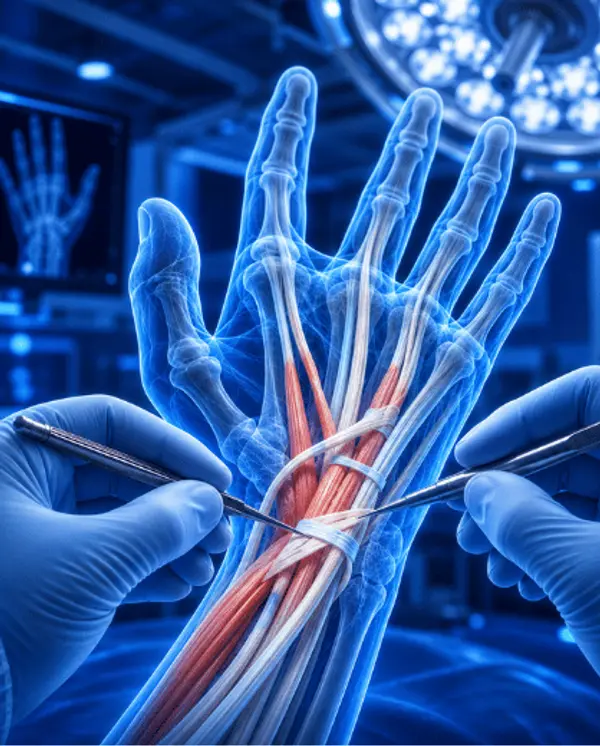
Cirugía de transferencia de tendones
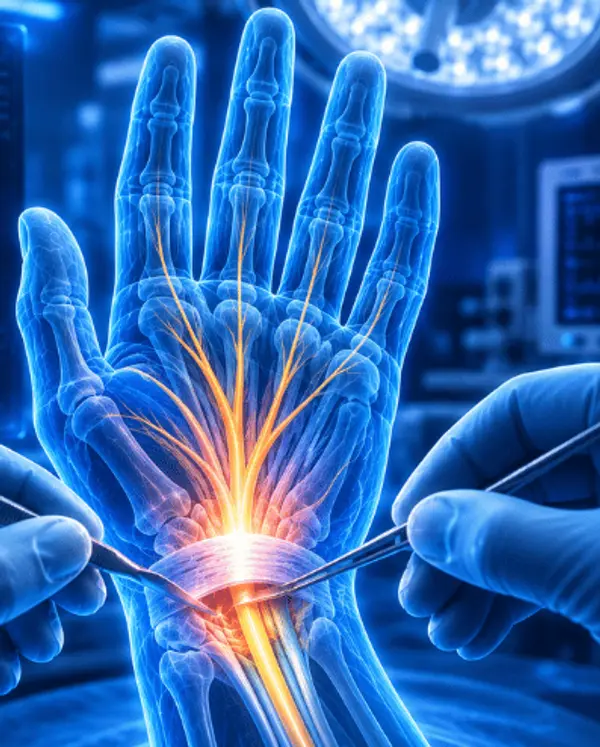
Carpal Tunnel Release
Solo precios indicados — vuelos y estancia se estiman por separado. Coste final confirmado en tu presupuesto gratuito. Tasas a 2026-07-20.
