
Elderly Care at Home
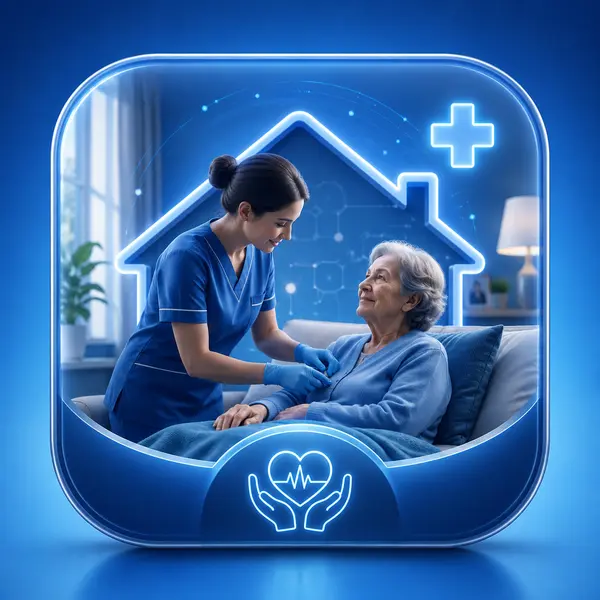
Personalized elderly care at home designed to help older adults remain safe, comfortable, and as independent as possible in their own homes. Macrocare coordinates medical care, nursing support, mobility assistance, medication management, rehabilitation, chronic disease monitoring, and daily care according to each patient’s health and functional needs.
Kurze Zusammenfassung
Elderly Care at Home wird von 6 geprüften Anbietern an 2 Standorten im Macrocare-Netzwerk angeboten. Die Preise beginnen bei 50 $; Flüge und Unterkunft sind nicht enthalten.
Comprehensive Elderly Care in the Comfort of Home
Elderly Care at Home provides personalized healthcare and daily support for older adults who need assistance to remain safely and comfortably in their own homes.
Aging can be associated with chronic diseases, reduced mobility, muscle weakness, balance problems, memory changes, multiple medications, and increased dependence on family members or caregivers. Some older adults may require temporary support after illness or hospitalization, while others need continuous long-term care.
Macrocare helps assess the patient’s medical condition, mobility, cognitive status, level of independence, medications, and daily care requirements to coordinate an appropriate home care plan.
Depending on the patient’s needs, the plan may involve doctors, nurses, physiotherapists, rehabilitation specialists, caregivers, laboratory services, and medical equipment.
Who May Need Elderly Care at Home?
Home care may be appropriate for older adults who:
Live with one or more chronic medical conditions.
Have difficulty walking or moving independently.
Require assistance with daily activities.
Have an increased risk of falls.
Need regular medication support.
Are recovering after surgery or hospitalization.
Have experienced significant weakness after illness.
Require regular nursing procedures.
Have memory or cognitive difficulties.
Require physiotherapy or rehabilitation.
Spend prolonged periods in bed or a chair.
Need ongoing medical monitoring.
Require short-term or long-term support at home.
The level of care can be adjusted according to changes in the patient’s health and independence.
Elderly Health Assessment at Home
An appropriate care plan starts with understanding what the older patient can manage independently and where support is required.
Depending on the patient, assessment may consider:
Existing medical conditions.
Current symptoms.
Medications.
Blood pressure and other vital signs.
Mobility and walking ability.
Muscle strength.
Balance and risk of falls.
Ability to transfer between bed and chair.
Ability to perform daily activities.
Nutrition and hydration.
Skin condition and pressure-ulcer risk.
Memory and cognitive changes.
Home environment and safety.
Current medical and nursing requirements.
The results can help determine which healthcare professionals and services are appropriate.
Chronic Disease Care for Elderly Patients
Many older adults live with multiple chronic conditions requiring regular follow-up.
These may include:
Hypertension.
Diabetes.
Heart disease.
Chronic respiratory diseases.
Neurological conditions.
Arthritis and musculoskeletal conditions.
Kidney disease.
Other chronic medical conditions.
Home healthcare can support monitoring and continuity of care while helping identify changes that may require physician assessment.
Medication Management and Support
Older patients may take several medications at different times during the day.
Depending on the level of care required, home support can help with:
Reviewing the current medication list.
Supporting medication schedules.
Medication administration by qualified healthcare professionals when required.
Monitoring the patient’s response to treatment.
Identifying potential problems requiring physician review.
Coordinating prescription changes with the treating doctor.
Medication doses should not be independently changed without appropriate medical direction.
Mobility and Fall Prevention
Falls are an important concern among older adults, particularly in patients with muscle weakness, balance problems, neurological conditions, or previous falls.
The home care plan may include:
Mobility assessment.
Strength and balance exercises.
Walking training.
Safe transfer training.
Physiotherapy.
Assessment of walking aids.
Home safety recommendations.
Identification of environmental fall hazards.
The objective is to help the patient maintain mobility while reducing avoidable risks.
Physiotherapy and Rehabilitation for Elderly Patients
Reduced physical activity, hospitalization, surgery, and chronic illness can lead to progressive weakness and loss of independence.
Home rehabilitation may focus on:
Improving muscle strength.
Maintaining joint mobility.
Improving balance.
Walking and gait training.
Increasing endurance.
Practicing transfers.
Fall prevention.
Supporting independence in daily activities.
Patients with more complex rehabilitation requirements may need assessment for specialized outpatient or inpatient rehabilitation.
Elderly Care After Hospital Discharge
The period immediately after hospital discharge can be challenging for older patients and their families.
Some patients return home with new medications, reduced mobility, wounds, catheters, oxygen requirements, or rehabilitation needs.
A post-hospital elderly care plan may include:
Doctor follow-up.
Home nursing.
Medication support.
Wound care.
Physiotherapy.
Laboratory tests.
Monitoring vital signs.
Medical equipment.
Nutritional support.
Coordination of specialist follow-up.
The care plan can be adjusted as the patient recovers.
Memory and Cognitive Support
Older adults experiencing memory loss or cognitive decline may require additional supervision and structured support at home.
Depending on the patient’s condition, care may focus on:
Maintaining a consistent daily routine.
Medication support.
Personal safety.
Nutrition and hydration.
Mobility and fall prevention.
Monitoring changes in behavior or function.
Supporting communication with family and treating physicians.
New or rapidly worsening confusion should receive medical assessment because it can sometimes be caused by an acute medical problem rather than chronic cognitive decline.
Pressure Ulcer Prevention and Skin Care
Older patients with reduced mobility may be at increased risk of developing pressure ulcers.
Preventive care may include:
Regular repositioning.
Skin monitoring.
Appropriate hygiene and skin care.
Pressure-relieving mattresses or cushions when indicated.
Maintaining mobility where possible.
Monitoring nutrition and hydration.
Early management of skin changes.
Patients who already have pressure ulcers may require a dedicated Wound Care at Home plan.
Nutrition and Hydration Monitoring
Poor appetite, difficulty eating, swallowing problems, illness, and certain medications can affect nutrition and hydration in older adults.
Home care can help monitor:
Food intake.
Fluid intake.
Changes in weight.
Difficulty chewing or swallowing.
Reduced appetite.
Signs that may indicate dehydration or nutritional problems.
Patients with significant nutritional or swallowing difficulties may require assessment by a physician, dietitian, or swallowing specialist.
Daily Living Support
Some elderly patients remain medically stable but require assistance to safely complete daily activities.
Depending on the care plan, support may include assistance with:
Personal hygiene.
Dressing.
Toileting.
Safe movement around the home.
Getting in and out of bed.
Eating and drinking.
Maintaining an appropriate daily routine.
The goal is to provide the level of support required while preserving the patient’s independence wherever possible.
Flexible Elderly Home Care Plans
Care requirements differ considerably between older adults.
Macrocare can coordinate different levels of support according to the patient’s needs:
Individual Home Visits
Doctor, nurse, physiotherapist, or another healthcare professional visits when required.
Scheduled Daily Care
Regular support for patients who need assistance or clinical monitoring each day.
Extended Care Shifts
Several hours of daily support for patients requiring closer supervision.
24-Hour Home Care
Continuous support for selected patients with significant care requirements, subject to assessment and service availability.
Short-Term Elderly Care
For recovery after illness, surgery, or hospitalization.
Long-Term Elderly Care
For patients requiring ongoing support because of chronic disease, frailty, reduced mobility, or dependence.
Medical Equipment for Elderly Care at Home
Some patients may require medical or mobility equipment to remain safely at home.
Depending on their needs, equipment may include:
Hospital beds.
Pressure-relieving mattresses.
Wheelchairs.
Walkers.
Patient lifts.
Oxygen equipment.
Suction machines.
Monitoring devices.
Other mobility or medical equipment.
Macrocare can help coordinate appropriate equipment as part of the patient’s home healthcare plan.
When Is Home Care Not Enough?
Home care may not be appropriate when a patient develops a condition requiring emergency treatment, continuous hospital-level monitoring, or medical interventions that cannot be safely provided at home.
Urgent medical assessment may be required for symptoms such as:
Severe breathing difficulty.
Chest pain.
Loss of consciousness.
New signs of stroke.
Severe bleeding.
Seizures.
Sudden severe confusion.
Significant deterioration in the patient’s condition.
Macrocare can help coordinate hospital assessment or admission when home care is no longer sufficient.
Coordinated Elderly Care with Macrocare
Elderly care is often most effective when multiple healthcare needs are coordinated together.
Depending on the patient’s condition, Macrocare can coordinate:
Doctor Home Visits.
Home Nursing.
Physiotherapy at Home.
Home Rehabilitation.
Wound Care at Home.
Laboratory Tests at Home.
Medication Administration.
Medical Equipment.
Post-Hospital Care.
Chronic Disease Monitoring.
Specialist Consultations.
Hospital Admission when required.
The care plan can evolve as the patient’s health, mobility, and level of independence change.
Häufig gestellte Fragen
Elderly Care at Home beginnt bei 50 $ im Macrocare-Netzwerk, verfügbar in Gizeh, Kairo. Der genaue Preis hängt vom Anbieter, der Technik und Ihrer Beurteilung ab — fordern Sie ein kostenloses Angebot an.
Elderly Care at Home wird von 6 verifizierten Anbietern im Macrocare-Netzwerk in Gizeh, Kairo angeboten. Jeder Eintrag zeigt Anbieter, Stadt und den echten Startpreis.
Planen Sie mindestens 1 Tage für Eingriff und erste Erholung ein. Den genauen Ablauf bestätigt Ihr Anbieter nach der medizinischen Beurteilung.
Senden Sie eine kostenlose Angebotsanfrage: Ein Macrocare-Koordinator vergleicht verifizierte Anbieter für Elderly Care at Home, bestätigt Preise und organisiert Termine, Reise und Nachsorge. Die Koordination ist für Patienten kostenlos.
Elderly Care at Home gehört zu Häusliche Pflegeleistungen. Durchsuchen Sie diese Kategorie, um verwandte Angebote, ihre verifizierten Anbieter und echten Startpreise zu vergleichen.
Ähnliche Vorschläge

Hala Care
Medizinische Versorgung zu Hause
Sheikh Zayed City - Gizeh

Eshfaa
Medizinische Versorgung zu Hause
New Cairo - Kairo

Al-Razy Group
Multidisziplinäres Krankenhaus
New Cairo - Kairo

NSA Labs
Dokki - Gizeh

Care Hub
Medizinische Versorgung zu Hause
New Cairo - Kairo

Macrocare Healthcare Services
Multidisziplinäres Krankenhaus
Cairo - Kairo
Mehr in Häusliche Pflegeleistungen
Vergleichen Sie verwandte Angebote mit verifizierten Anbietern und echten Startpreisen.

Arztbesuch
5 verifizierte Anbieter
Min. 1 Tage
Häusliche Pflege
4 verifizierte Anbieter
Min. 1 Tage

Wound Care at Home
4 verifizierte Anbieter
Min. 1 Tage

Physiotherapie
1 verifizierte Anbieter
Min. 1 Tage
Nur die angegebenen Preise — Flüge und Aufenthalt werden separat geschätzt. Endpreis wird in Ihrem kostenlosen Angebot bestätigt. Kurse vom 2026-07-20.