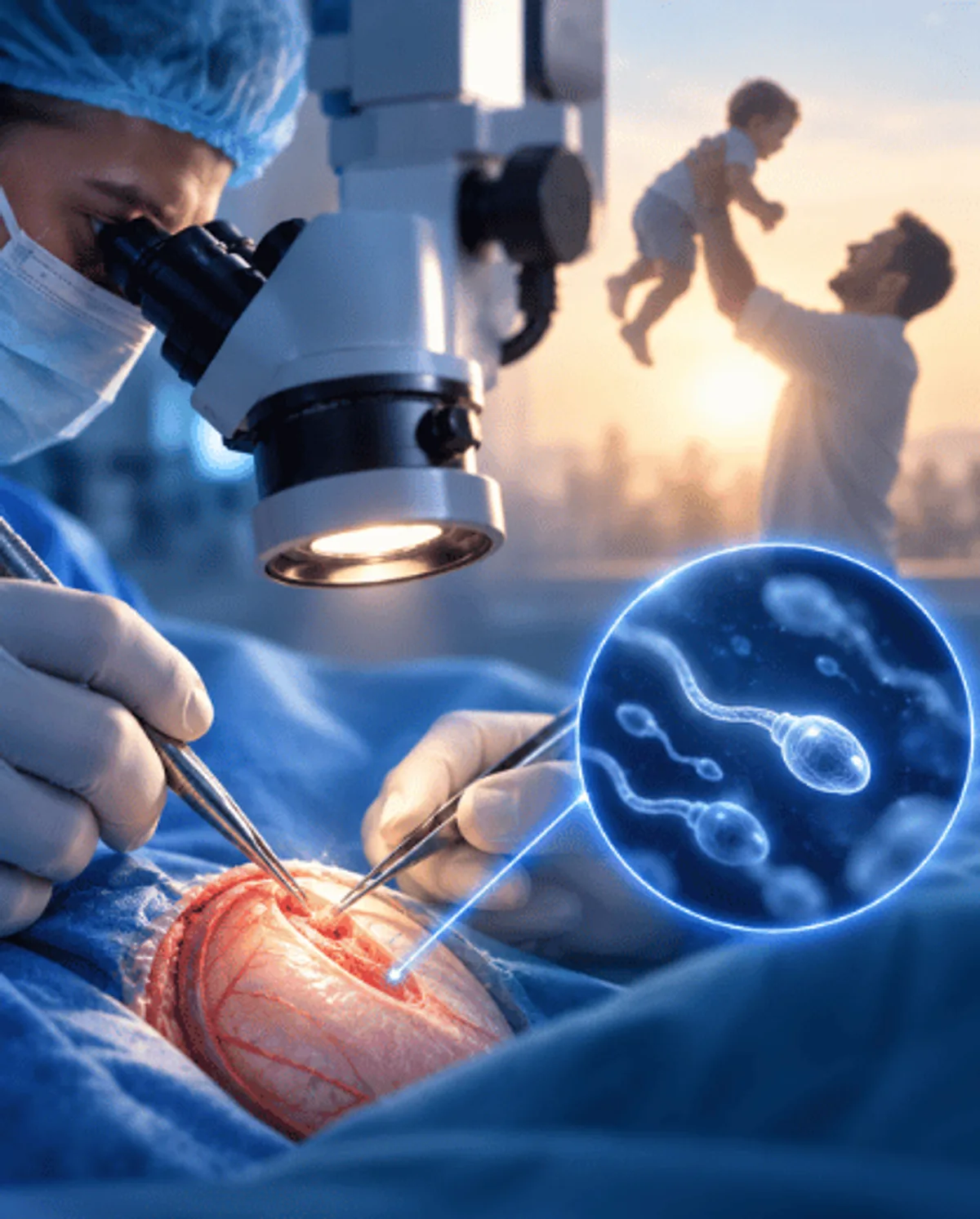
Micro-TESE (Microdissection Testicular Sperm Extraction)
Micro-TESE is a specialized microsurgical procedure used to retrieve sperm directly from the testicular tissue in men with non-obstructive azoospermia. Using an operating microscope, the surgeon identifies areas of the testicle that may contain sperm, which can potentially be used for assisted reproductive techniques such as ICSI.
Kurze Zusammenfassung
Micro-TESE (Microdissection Testicular Sperm Extraction) wird von 9 geprüften Anbietern an 2 Standorten im Macrocare-Netzwerk angeboten. Fordern Sie ein kostenloses Angebot an, um einen Preis für Ihren Fall zu erhalten.
Häufig gestellte Fragen
Verfügbar in
Ähnliche Vorschläge
Dr. Ahmed Abdelaziz Abdelghaffar
Geburtshilfe und Gynäkologie
Maadi - Kairo
Dr. Ahmed Tawfik
Urologische Chirurgie
New Cairo - Kairo
Prof. Dr. Ibrahim Fahmy
Geburtshilfe und Gynäkologie
Maadi - Kairo
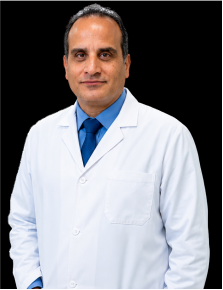
Prof. Dr. Walid Ghoneima
Urologische Chirurgie
New Cairo - Kairo

SHIFA Hospital - New Cairo
Multidisziplinäres Krankenhaus
New Cairo - Kairo

As-Salam International Hospital (New Cairo)
Multidisziplinäres Krankenhaus
New Cairo - Kairo

As-Salam International Hospital (Maadi)
Multidisziplinäres Krankenhaus
Maadi - Kairo

Dar Al Fouad Hospital (Nasr City)
Multidisziplinäres Krankenhaus
Nasr City - Kairo

Dar Al Fouad Hospital ( 6th October )
Multidisziplinäres Krankenhaus
6th of October - Gizeh
Mehr in Fruchtbarkeit und reproduktive Gesundheit
Vergleichen Sie verwandte Angebote mit verifizierten Anbietern und echten Startpreisen.
In-vitro-Fertilisation (IVF)
13 verifizierte Anbieter

Behandlung der männlichen Unfruchtbarkeit
9 verifizierte Anbieter
Min. 1 Tage
Einfrieren von Eizellen
9 verifizierte Anbieter
Präimplantationsgenetische Testung (PGT)
8 verifizierte Anbieter
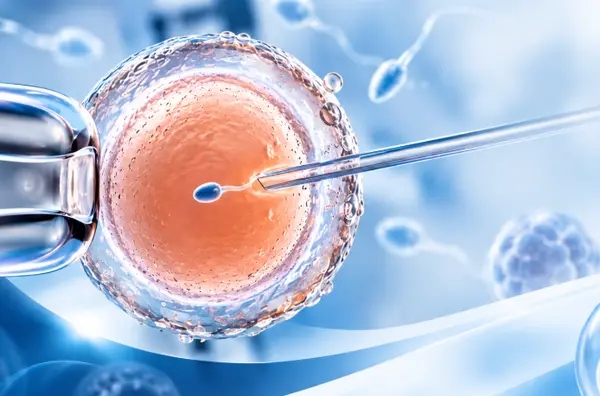
Intracytoplasmic Sperm Injection (ICSI)
8 verifizierte Anbieter
Min. 14 Tage
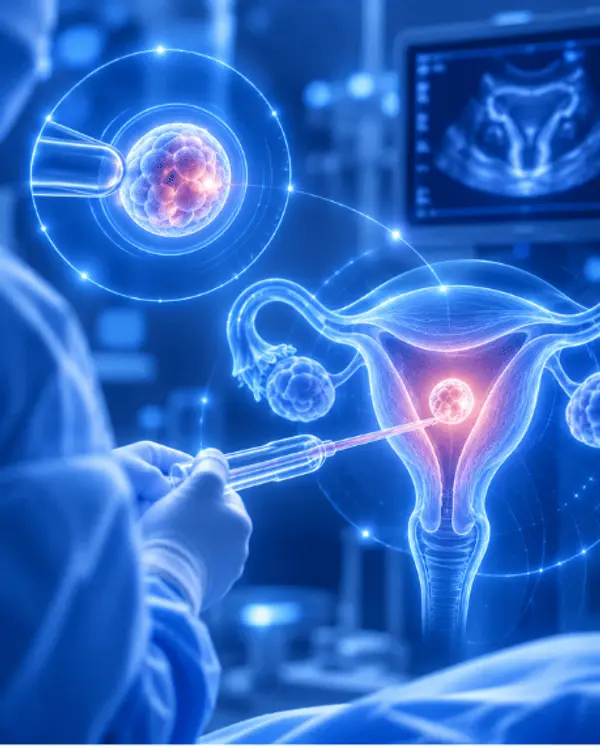
Embryotransfer
7 verifizierte Anbieter
Nur die angegebenen Preise — Flüge und Aufenthalt werden separat geschätzt. Endpreis wird in Ihrem kostenlosen Angebot bestätigt. Kurse vom 2026-07-20.
