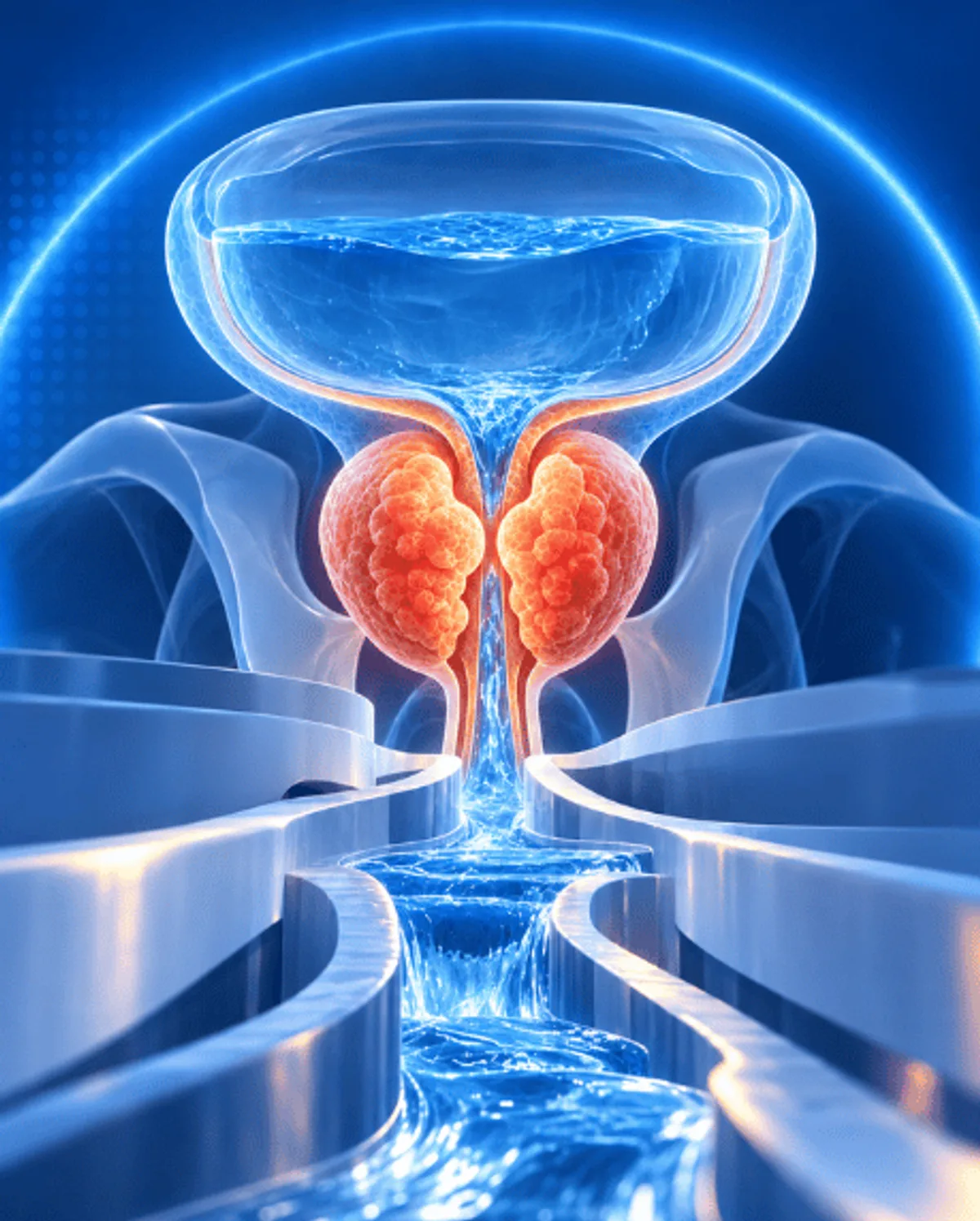
Diagnosis usually begins with a medical history and urological examination. Depending on the patient's symptoms, evaluation may include:
Urinalysis
Blood tests
Prostate-specific antigen (PSA) testing when appropriate
Digital rectal examination
Ultrasound of the prostate and urinary tract
Measurement of urine flow rate
Assessment of urine remaining in the bladder after urination
Cystoscopy in selected cases
Treatment options may include:
Lifestyle and monitoring:
For mild symptoms, doctors may recommend monitoring, reducing evening fluid intake, limiting caffeine and alcohol, and making other lifestyle adjustments.
Medications:
Alpha-blockers may help relax the prostate and bladder neck to improve urine flow. Other medications, such as 5-alpha-reductase inhibitors, may help reduce prostate size over time in selected patients.
Minimally invasive procedures:
Depending on prostate size and anatomy, options may include procedures such as UroLift, Rezūm water-vapor therapy, or other endoscopic techniques.
Surgical treatment:
For severe symptoms, significant obstruction, urinary retention, recurrent complications, or inadequate response to other treatments, procedures such as Transurethral Resection of the Prostate (TURP), laser prostate surgery, or other prostate enucleation techniques may be considered.
Benefits of BPH Treatment
Appropriate BPH treatment may help to:
Improve urinary flow
Reduce urinary frequency and urgency
Reduce nighttime urination
Improve bladder emptying
Relieve symptoms caused by prostate obstruction
Reduce the risk of complications associated with severe urinary obstruction
Improve daily comfort and quality of life
The degree of improvement depends on the treatment selected, prostate size, severity of obstruction, and individual response.
Recovery After BPH Treatment
Recovery varies significantly depending on the treatment used.
Patients taking medication may notice improvement gradually, while minimally invasive procedures may involve a shorter recovery period. Surgical procedures such as TURP or laser prostate surgery may require a period of urinary catheterization and temporary urinary symptoms during healing.
After treatment, patients are usually advised to maintain appropriate fluid intake, avoid strenuous activities for the recommended period, and attend follow-up appointments to assess urinary function.
Is BPH Treatment Suitable for Everyone?
There is no single BPH treatment that is suitable for every patient. The recommended approach depends on:
Severity of urinary symptoms
Prostate size and anatomy
Degree of urinary obstruction
Bladder function
Presence of urinary retention or recurrent infections
Previous treatments and their effectiveness
Overall health and other medical conditions
Patient preferences and treatment goals
A urologist should evaluate the patient and recommend the most appropriate treatment based on the individual's symptoms, prostate characteristics, and overall medical condition.