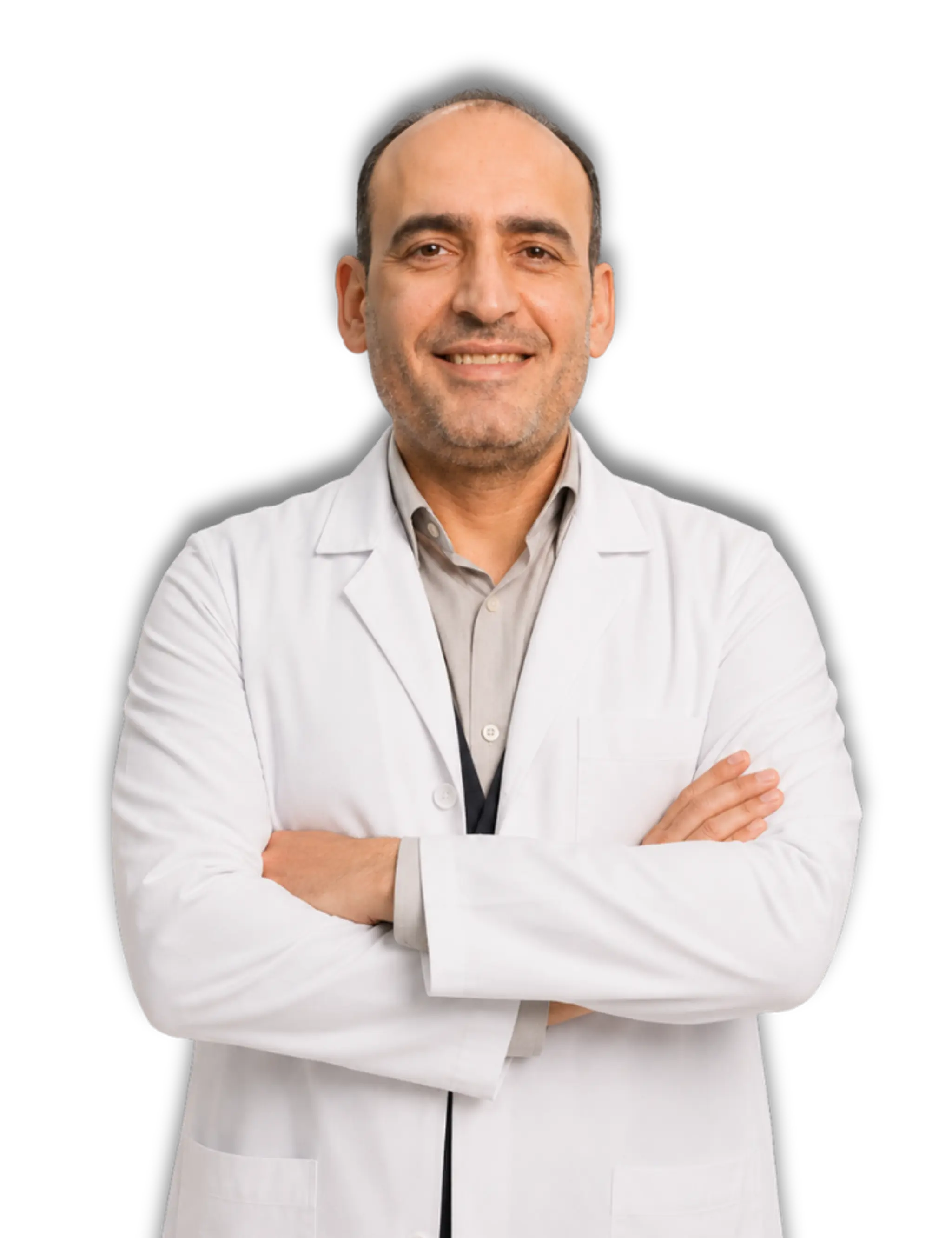
Dr. Osama Abdel Fattah
Plastische Chirurgie
Consultant of Plastic Surgery and Lecturer of Plastic Surgery, Microsurgery & Lymphedema Surgery
New Cairo - Kairo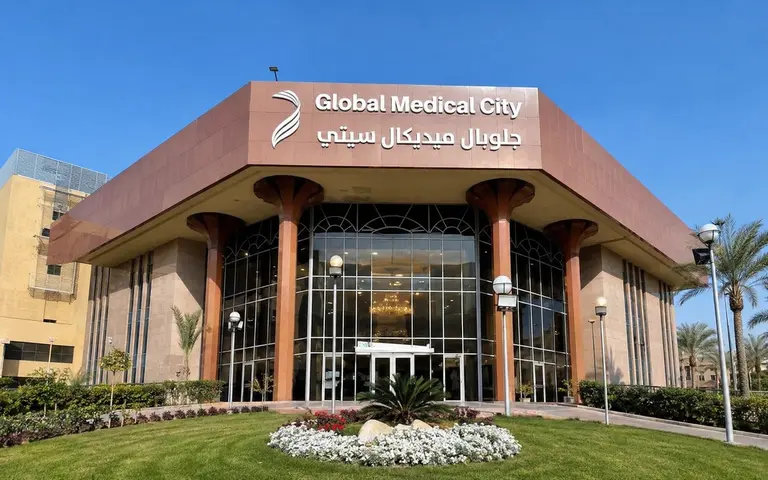
Cairo International Airport
ca. 27 km entfernt
Grand Egyptian Museum
ca. 47 km entfernt
Dr. Osama Abdel Fattah – Consultant Plastic, Reconstructive and Microsurgery Surgeon
Dr. Osama Abdel Fattah is a Consultant Plastic and Reconstructive Surgeon and Lecturer of Plastic Surgery and Microsurgery, with advanced expertise in body plastic surgery, body contouring, gynecomastia surgery, liposuction, abdominoplasty, breast surgery, post-weight-loss body contouring, reconstructive surgery, microsurgery, and lymphedema treatment.
His practice focuses on improving body shape, proportion, contour, and function, while also treating complex reconstructive conditions following trauma, burns, tumor resection, or major tissue loss.
Dr. Osama Abdel Fattah also has advanced expertise in Microsurgery, which involves working with small blood vessels, nerves, and tissues under magnification and plays an important role in advanced reconstruction, free flap surgery, and selected lymphedema procedures.
Through Macrocare, patients can submit photos, medical reports, previous operative records, and details of the condition for initial review and appointment coordination with Dr. Osama Abdel Fattah.
Dr. Osama Abdel Fattah’s Specialties
His areas of expertise include:
Body plastic surgery.
Body contouring.
Liposuction.
Abdominal contouring.
Waist contouring.
Gynecomastia surgery.
Male chest contouring.
Male breast gland excision.
Male chest liposuction.
Abdominoplasty.
Tummy tuck.
Mini tummy tuck.
Post-pregnancy abdominal contouring.
Mommy Makeover.
Breast augmentation.
Breast reduction.
Breast lift.
Breast asymmetry correction.
Breast reconstruction.
Arm lift.
Thigh lift.
Lower body lift.
Post-weight-loss surgery.
Post-bariatric body contouring.
Excess skin removal.
Reconstructive surgery.
Tissue reconstruction after cancer surgery.
Reconstruction after trauma or burns.
Microsurgery.
Free flap reconstruction.
Peripheral nerve repair in selected cases.
Lymphedema treatment.
Lymphatic microsurgery.
Body Contouring with Dr. Osama Abdel Fattah
Body Contouring includes a range of procedures designed to improve body shape by addressing:
Localized fat deposits.
Excess skin.
Body laxity.
Abdominal wall weakness.
Loss of contour after weight reduction.
Post-pregnancy body changes.
Disproportion between different body areas.
There is no single procedure suitable for every patient.
Some patients may need liposuction only, while others may require skin excision, muscle repair, or a combination of several procedures.
Liposuction
Liposuction is used to remove localized fat and improve body contour.
Common treatment areas include:
Abdomen.
Waist.
Flanks.
Back.
Male chest.
Arms.
Thighs.
Other selected body areas.
Liposuction is not a treatment for general obesity. Its main role is body reshaping and contour refinement.
Who Is a Good Candidate for Liposuction?
Liposuction may be appropriate for patients who:
Are near a stable body weight.
Have localized fat deposits.
Have relatively good skin elasticity.
Do not have severe excess skin.
Are medically fit for surgery.
When significant skin laxity is present, a skin-tightening or excisional procedure may be needed in addition to liposuction.
Abdominal and Waist Contouring
Abdominal contouring may focus on:
Abdomen.
Waist.
Flanks.
Lower back.
Treatment may include:
Liposuction.
Waist contouring.
Abdominoplasty.
Excess skin removal.
Abdominal muscle repair when indicated.
Gynecomastia Surgery with Dr. Osama Abdel Fattah
Gynecomastia is enlargement of the male breast caused by excess glandular tissue, fat, or a combination of both.
It is one of the most important areas within male body contouring and may affect:
One side of the chest.
Both sides.
Primarily glandular tissue.
Primarily fatty tissue.
A combination of gland and fat.
Severe cases associated with skin excess and sagging.
Causes of Gynecomastia
Gynecomastia may be associated with:
Hormonal changes.
Weight gain.
Certain medications.
Medical conditions.
Pubertal changes.
Use of anabolic hormones or steroids.
No clearly identifiable cause in some patients.
Proper assessment is important before surgery to identify the type of gynecomastia.
True Gynecomastia vs Chest Fat
Not every enlarged male chest is caused by glandular gynecomastia.
The condition may be:
True Gynecomastia: Enlargement mainly caused by glandular breast tissue.
Pseudogynecomastia: Enlargement mainly caused by excess fat.
Some patients have a combination of both.
The distinction directly affects surgical planning.
Gynecomastia Surgery
Gynecomastia Surgery may involve:
Liposuction.
Gland excision.
Combined liposuction and gland excision.
Excess skin removal in severe cases.
Male chest reshaping.
The surgical technique depends on:
Amount of glandular tissue.
Amount of fat.
Degree of skin excess.
Chest shape.
Nipple position.
Skin elasticity.
Male Chest Liposuction
When fat is the main cause of chest enlargement, Liposuction may be used to improve chest contour.
If firm glandular tissue is present beneath the nipple, gland excision may also be required.
Male Breast Gland Excision
In patients with significant glandular tissue, a limited incision may be used to remove the excess gland.
This can be combined with liposuction to create a smoother and more proportional male chest contour.
Severe Gynecomastia with Excess Skin
Advanced gynecomastia may include:
Large-volume enlargement.
Significant breast sagging.
Excess skin.
Low nipple position.
These cases may require:
Fat removal.
Gland excision.
Skin excision.
Nipple repositioning in selected cases.
More extensive chest contouring.
Unilateral Gynecomastia
Gynecomastia can be more prominent on one side.
Unilateral or asymmetric cases require careful evaluation to determine the cause and design a balanced surgical plan.
Can Gynecomastia Return After Surgery?
Surgery aims to remove excess tissue and improve chest contour.
Long-term results are also influenced by:
Weight stability.
Hormonal factors.
Medication use.
Anabolic steroid use.
Overall lifestyle.
Gynecomastia After Major Weight Loss
Men who lose significant weight may be left with:
Residual chest fat.
Excess skin.
Sagging.
Low nipple position.
These cases may require Male Chest Contouring rather than simple gynecomastia surgery alone.
Abdominoplasty
Abdominoplasty – Tummy Tuck is designed to treat excess abdominal skin and laxity.
It may be appropriate after:
Pregnancy.
Major weight loss.
Significant weight fluctuation.
Abdominal skin stretching.
Abdominal muscle separation.
What Happens During a Tummy Tuck?
Depending on the patient, surgery may include:
Removal of excess skin.
Removal of selected fat.
Abdominal wall tightening.
Repair of separated abdominal muscles.
Improvement of waist definition.
Combination with liposuction when appropriate.
Diastasis Recti Repair
Diastasis Recti refers to separation of the abdominal muscles, which can occur after pregnancy or major weight changes.
In appropriate patients, the muscles may be repaired during abdominoplasty.
Mini Tummy Tuck
Mini Abdominoplasty may be suitable for patients with limited lower abdominal skin excess.
It is not appropriate for every patient, particularly when laxity extends above the umbilicus.
Liposuction with Tummy Tuck
Liposuction + Abdominoplasty may be combined to improve:
Abdomen.
Waist.
Flanks.
Overall torso contour.
The extent of combined surgery depends on patient health and surgical planning.
Mommy Makeover
Mommy Makeover is a personalized combination of body procedures designed to address changes after pregnancy and childbirth.
It may include:
Abdominoplasty.
Liposuction.
Breast lift.
Breast augmentation.
Breast reduction.
Waist contouring.
There is no standard Mommy Makeover package; the surgical plan is individualized.
Breast Surgery with Dr. Osama Abdel Fattah
His breast surgery experience includes:
Breast Augmentation.
Breast Reduction.
Breast Lift.
Correction of Breast Asymmetry.
Breast Reconstruction.
Breast Augmentation
Breast Augmentation may be performed to:
Increase breast volume.
Improve body proportion.
Restore volume after pregnancy.
Restore volume after weight loss.
Improve asymmetry.
Options may include:
Breast implants.
Fat grafting in selected cases.
Combined techniques in appropriate patients.
Breast Reduction
Breast Reduction may be suitable for women experiencing:
Disproportionately large breasts.
Neck pain.
Shoulder pain.
Back pain.
Difficulty exercising.
Skin irritation beneath the breasts.
Surgery reduces breast volume while reshaping the breast.
Breast Lift
Breast Lift – Mastopexy is used to treat breast sagging.
This may occur after:
Pregnancy.
Breastfeeding.
Weight loss.
Aging.
Loss of skin elasticity.
Breast lift may be performed alone or combined with augmentation.
Correction of Breast Asymmetry
Breast asymmetry may involve differences in:
Size.
Shape.
Nipple position.
Degree of sagging.
A tailored plan may use different techniques on each side to improve symmetry.
Breast Reconstruction After Cancer Surgery
Breast Reconstruction is an important part of reconstructive plastic surgery.
Reconstruction may be considered after:
Mastectomy.
Large partial breast resection.
Previous breast cancer surgery.
Tissue loss following cancer treatment.
Breast Reconstruction Options
Options may include:
Breast implants.
Tissue expanders.
Local tissue flaps.
Free flaps.
Microsurgical breast reconstruction.
Fat grafting.
The appropriate method depends on previous surgery, radiation therapy, tissue availability, and overall health.
Arm Lift
Brachioplasty – Arm Lift removes excess skin from the upper arms.
It is commonly considered after:
Major weight loss.
Bariatric surgery.
Reduced skin elasticity.
Significant arm laxity.
Liposuction may be combined when indicated.
Thigh Lift
Thigh Lift is designed to improve excess skin and laxity of the thighs.
It may include:
Inner thigh tightening.
Skin removal.
Liposuction in selected cases.
Post-Weight-Loss Body Contouring
After major weight loss, excess skin may remain around:
Abdomen.
Chest.
Arms.
Thighs.
Back.
Multiple body regions.
These patients may need staged Post-Weight-Loss Body Contouring.
Post-Bariatric Plastic Surgery
After bariatric surgery and stabilization of body weight, patients can be assessed for:
Tummy Tuck.
Lower Body Lift.
Arm Lift.
Thigh Lift.
Breast Lift.
Male Chest Contouring.
Liposuction in selected areas.
Lower Body Lift
Lower Body Lift is a more extensive contouring procedure used for circumferential laxity after major weight loss.
It may address:
Abdomen.
Flanks.
Lower back.
Buttock region.
It requires careful medical assessment because it is more extensive than standard abdominoplasty.
Excess Skin Removal After Weight Loss
Excess skin after major weight reduction may cause:
Difficulty exercising.
Clothing problems.
Skin irritation.
Hygiene problems.
Reduced mobility.
Dissatisfaction with body contour.
Body contouring surgery can help improve both shape and function.
Reconstructive Surgery with Dr. Osama Abdel Fattah
In addition to cosmetic body surgery, Dr. Osama Abdel Fattah has expertise in Reconstructive Surgery.
Reconstruction aims to restore tissue coverage, body shape, and function after:
Trauma.
Burns.
Cancer surgery.
Major tissue loss.
Selected congenital defects.
Reconstruction After Cancer Surgery
Tumor removal can sometimes leave significant tissue defects.
Reconstructive options may include:
Skin grafts.
Local flaps.
Regional flaps.
Free tissue transfer.
Microsurgical reconstruction.
Reconstruction After Trauma
Severe trauma may damage:
Skin.
Muscle.
Soft tissue.
Blood vessels.
Nerves.
Reconstructive surgery aims to restore coverage and preserve function whenever possible.
Microsurgery
Microsurgery is a specialized surgical technique used to operate on small blood vessels, nerves, and tissues using magnification.
It is particularly important in advanced reconstructive surgery.
Free Flap Reconstruction
During Free Flap Surgery, tissue is transferred from one area of the body to another and its arteries and veins are reconnected using microsurgical techniques.
Free flaps may be used for:
Breast reconstruction.
Limb reconstruction.
Reconstruction after tumor removal.
Complex traumatic defects.
Large soft-tissue defects.
Microsurgical Nerve Repair
Microsurgical techniques may also be used in selected nerve injuries for:
Nerve repair.
Nerve grafting.
Precise reconstruction of damaged nerve structures.
Lymphedema with Dr. Osama Abdel Fattah
Lymphedema is chronic swelling caused by impaired drainage of lymphatic fluid.
It may affect:
An arm.
A leg.
Other body regions.
Causes of Lymphedema
Lymphedema may be:
Primary due to abnormalities of the lymphatic system.
Secondary after lymph node removal.
Associated with breast cancer treatment.
Associated with cancer surgery.
Related to radiotherapy.
Related to trauma or infection in selected cases.
Symptoms of Lymphedema
Symptoms may include:
Persistent swelling.
Limb heaviness.
Tightness.
Reduced movement.
Difference in limb size.
Recurrent infections.
Skin changes in advanced cases.
Lymphedema Treatment
Treatment depends on the cause and stage.
It may include:
Compression therapy.
Lymphatic drainage.
Conservative rehabilitation programs.
Microsurgical procedures in selected patients.
Lymphatic Microsurgery
Selected patients may benefit from Lymphatic Microsurgery, which aims to improve lymphatic drainage through microsurgical techniques.
Patient selection depends on:
Stage of lymphedema.
Lymphatic vessel function.
Previous surgery.
Degree of tissue change.
Dr. Osama Abdel Fattah’s Treatment Approach
His assessment may include:
Patient goals.
Current body shape.
Distribution of fat.
Amount of excess skin.
Skin quality.
Previous surgery.
Existing scars.
Current weight.
Weight stability.
Chronic medical conditions.
Smoking history.
Safety of combining procedures.
Dr. Osama Abdel Fattah’s Qualifications and Experience
Dr. Osama Abdel Fattah is:
Consultant Plastic Surgeon.
Lecturer of Plastic Surgery.
Lecturer of Microsurgery.
Specialized in lymphedema treatment.
Experienced in body contouring surgery.
Experienced in gynecomastia surgery.
Experienced in breast surgery.
Experienced in post-weight-loss plastic surgery.
Experienced in complex reconstruction.
Experienced in microsurgery.
Why Do Patients Consult Dr. Osama Abdel Fattah?
Patients may seek an evaluation with Dr. Osama Abdel Fattah for:
Gynecomastia surgery – male chest contouring – male breast gland removal – liposuction – body contouring – abdominal contouring – tummy tuck – Mommy Makeover – breast surgery – post-weight-loss surgery – arm lift – thigh lift – lower body lift – breast reconstruction – microsurgery – lymphedema treatment.
Book an Appointment with Dr. Osama Abdel Fattah Through Macrocare
If you are searching for:
Dr. Osama Abdel Fattah plastic surgeon
Dr. Osama Abdel Fattah gynecomastia
Dr. Osama Abdel Fattah body contouring
Gynecomastia surgeon in Egypt
Male breast reduction Egypt
Male breast gland removal Egypt
Male chest liposuction Egypt
Body contouring surgeon Egypt
Liposuction Egypt
Tummy tuck Egypt
Post-weight-loss plastic surgeon Egypt
Post-bariatric body contouring Egypt
Microsurgeon Egypt
Lymphedema surgeon Egypt
you can submit the case to Macrocare for review and appointment coordination with Dr. Osama Abdel Fattah.
What Should Patients Send for Gynecomastia Evaluation?
It is useful to provide:
Age.
Height and weight.
Duration of gynecomastia.
Clear front and side photographs of the chest.
Presence of pain or a lump.
Current medications.
History of hormone or anabolic steroid use.
Previous hormonal investigations if available.
Previous breast imaging if performed.
What Should Patients Send for Body Contouring Evaluation?
Patients should preferably provide:
Age.
Height and weight.
Photos of the area to be treated.
Previous and current weight.
Whether weight is stable.
History of bariatric or plastic surgery.
Chronic conditions.
Current medications.
What Should Patients Send After Major Weight Loss?
Important information includes:
Highest previous weight.
Current weight.
Total weight lost.
Duration of weight stability.
Type of bariatric surgery if performed.
Areas with the greatest excess skin.
Any recurrent skin irritation or functional problems.
Frequently Asked Questions About Dr. Osama Abdel Fattah
What Is Dr. Osama Abdel Fattah’s Specialty?
Dr. Osama Abdel Fattah is a Consultant Plastic and Reconstructive Surgeon and Lecturer of Plastic Surgery and Microsurgery, with expertise in body contouring, gynecomastia, liposuction, tummy tuck, breast surgery, post-weight-loss surgery, microsurgery, reconstruction, and lymphedema treatment.
Does Dr. Osama Abdel Fattah Treat Gynecomastia?
Yes. His body contouring practice includes evaluation and surgical treatment of Gynecomastia.
Does Gynecomastia Surgery Include Gland Removal?
When glandular tissue contributes significantly to chest enlargement, surgery may include gland excision with or without liposuction.
Can Gynecomastia Be Treated with Liposuction Alone?
Yes, in selected patients where fatty tissue is the main cause. Glandular gynecomastia may require tissue excision.
Does He Treat Severe Gynecomastia?
Yes. Advanced cases with significant gland enlargement, sagging, or excess skin can be evaluated for more extensive male chest contouring.
Does He Treat Gynecomastia After Weight Loss?
Yes. These patients may need male chest contouring and skin removal in addition to fat or gland treatment.
Does Dr. Osama Abdel Fattah Perform Liposuction?
Yes. His expertise includes Liposuction and Body Contouring for different body regions.
Does He Perform Tummy Tuck Surgery?
Yes. Abdominoplasty is among the body contouring procedures included in his practice.
Does He Perform Mommy Makeover Surgery?
Yes. A personalized plan may combine abdominal contouring, liposuction, and breast surgery according to the patient’s needs.
Does He Perform Post-Weight-Loss Body Contouring?
Yes. His experience includes Post-Weight-Loss and Post-Bariatric Body Contouring, including abdominal, arm, thigh, breast, chest, and lower body procedures.
Does He Perform Breast Surgery?
Yes. His expertise includes Breast Augmentation, Breast Reduction, Breast Lift, Breast Asymmetry Correction, and Breast Reconstruction.
Is Dr. Osama Abdel Fattah Specialized in Microsurgery?
Yes. He is a Lecturer of Microsurgery, with experience in microsurgical reconstruction and free flap surgery.
Does He Treat Lymphedema?
Yes. His expertise includes evaluation and treatment of Lymphedema, including selected cases that may benefit from lymphatic microsurgery.
How Can I Book an Appointment with Dr. Osama Abdel Fattah?
You can submit medical records, photographs, previous operative reports, and relevant investigations through Macrocare. The Macrocare team can help organize the case and coordinate the appropriate consultation with Dr. Osama Abdel Fattah.
Weitere angebotene Leistungen
Diese Leistungen sind bei diesem Anbieter verfügbar; Preise werden auf Anfrage mitgeteilt.